A first equipment trailer purchase usually happens under pressure. A job got bigger, a piece of machinery showed up that the old utility trailer cannot handle, or the rental yard is eating into the margins. The team at Workhorse Trailers fields these calls regularly, and the buyers who walk away happiest are the ones who stopped to think through a few specifics before signing paperwork. A good equipment hauler is a ten-year purchase. Getting it right the first time is worth slowing down for a weekend.
The trap most first-time buyers fall into is shopping by deck length. Length matters, but it ranks third or fourth on the list of what actually determines whether a trailer is the right one for the job.
Start with the heaviest thing you will actually load
Pull the operating weight from the spec sheet of every piece of equipment you plan to haul. Not the shipping weight, not the base machine weight, but the operating weight with a full fuel tank, attachments, and fluids. A Bobcat S650 skid steer runs around 8,400 pounds bare and closer to 9,000 with a bucket and full tank. A Kubota L4060 compact tractor with a loader and backhoe pushes 5,500 pounds. A mini excavator in the 5-ton class hits 11,000 by the time you add a thumb and a hydraulic coupler.
Add 10 to 15 percent for chains, binders, fuel cans, a fuel transfer tank, or anything else that rides along. That number is what your trailer needs to carry, not what the marketing brochure says it can carry.
GVWR is the number that matters
Gross Vehicle Weight Rating is the total weight the trailer is legally and structurally rated to handle, including its own weight. Subtract the empty weight from the GVWR to get the actual payload. A 14,000-pound GVWR tandem-dual flatbed that weighs 3,800 pounds empty gives you about 10,200 pounds of usable capacity. That works for a skid steer and a few attachments. It does not work for that same skid steer plus a small dump trailer of materials.
Common GVWR tiers for equipment haulers run 7,000, 10,000, 14,000, and 16,000 pounds for bumper pulls, then 21,000 to 30,000 pounds for goosenecks. Buy one tier above what you think you need. Equipment gets bigger, jobs grow, and trailers do not stretch.
Deck length, ramp style, and tie-downs
Deck length should be your longest piece of equipment plus four feet of working room for ramps, chains, and walking around. A 16-foot deck swallows most compact tractors and skid steers. A 20-foot deck handles a mid-size excavator or a full-size tractor with implements. A 24- or 26-foot deck opens up hauling two machines at once or a single piece with a trailer behind it.
Ramp choice changes how the trailer lives day to day:
- Slide-in or pull-out ramps are lighter and store under the deck, but you lift them by hand
- Fold-up rear ramps are heavier but always ready
- Hydraulic dovetail or tilt decks cost more and add weight, but loading low-clearance equipment like a paver or a scissor lift becomes a non-event
Tie-down points get overlooked until the first time a chain slips. Look for D-rings welded directly to the frame rails, rub rails with stake pockets, and weld-on chain hooks at the corners. Bolt-on rings through wood decking are not built for serious equipment loads.
Axles, brakes, and the truck pulling it
Tandem-dual axles (four tires per side) carry weight better and ride more stable than tandem-single setups at the same GVWR. Electric brakes are required on both axles for anything over 3,000 pounds GVWR in most states, and a brake controller has to be wired into your tow vehicle. A 14,000-pound loaded trailer behind a half-ton truck is asking too much of the truck regardless of what the tow rating sticker says. Three-quarter-ton diesel is the practical starting point for serious equipment hauling, and one-ton if you plan to grow.
Where Workhorse Trailers customers get the most value
A few specs separate a trailer you will keep for a decade from one you trade in three years later:
- Powder-coat or galvanized finish over plain paint, especially in road-salt country
- 7,000-pound Dexter axles with EZ-Lube hubs or oil-bath caps
- Treated pine or Rumber decking rated for equipment loads
- LED lighting with sealed harnesses
- A spare tire mount with an actual spare on it from day one
- Adjustable coupler height for matching different trucks
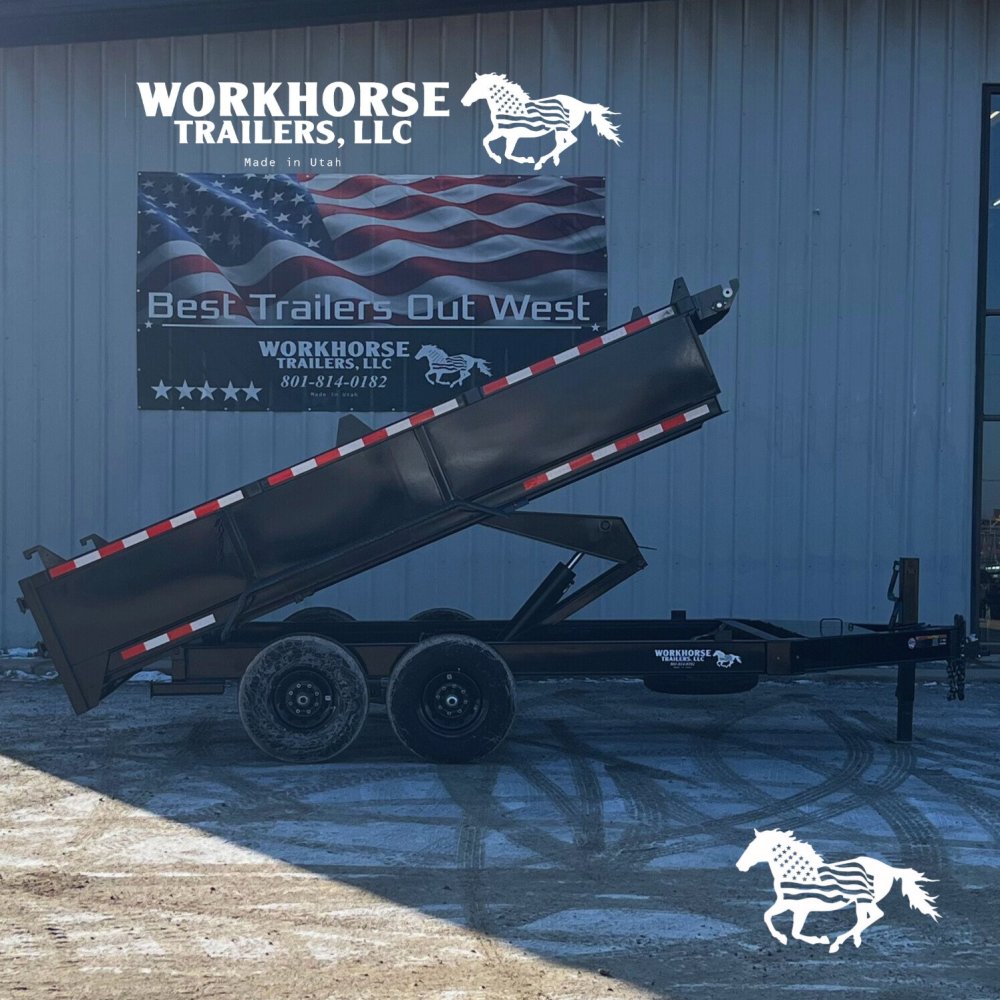
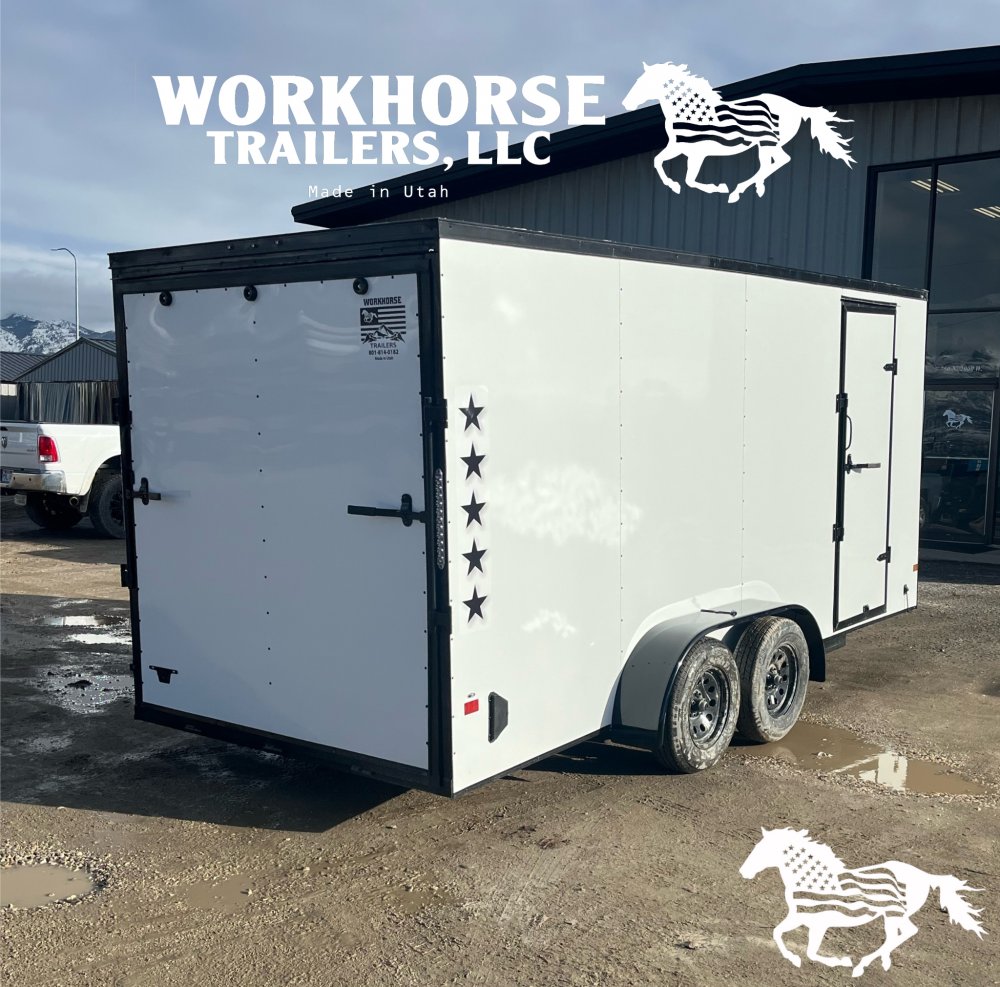
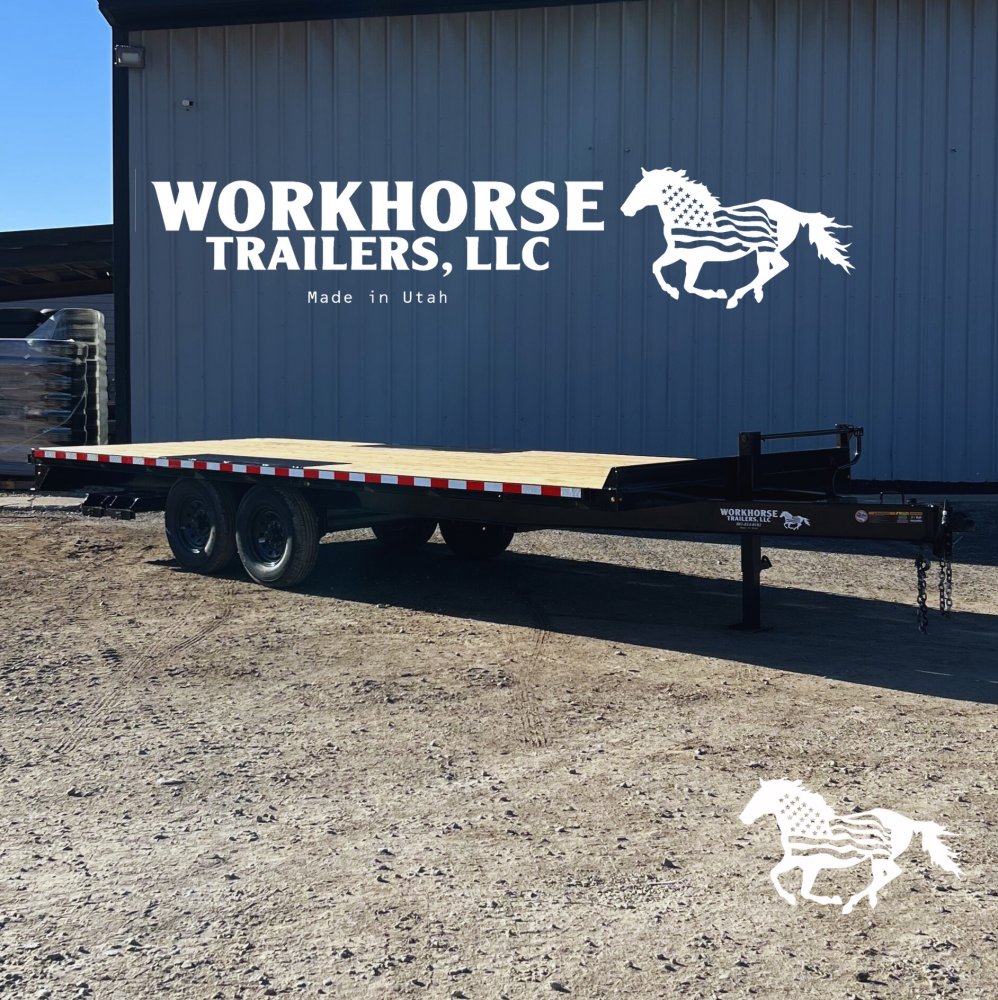
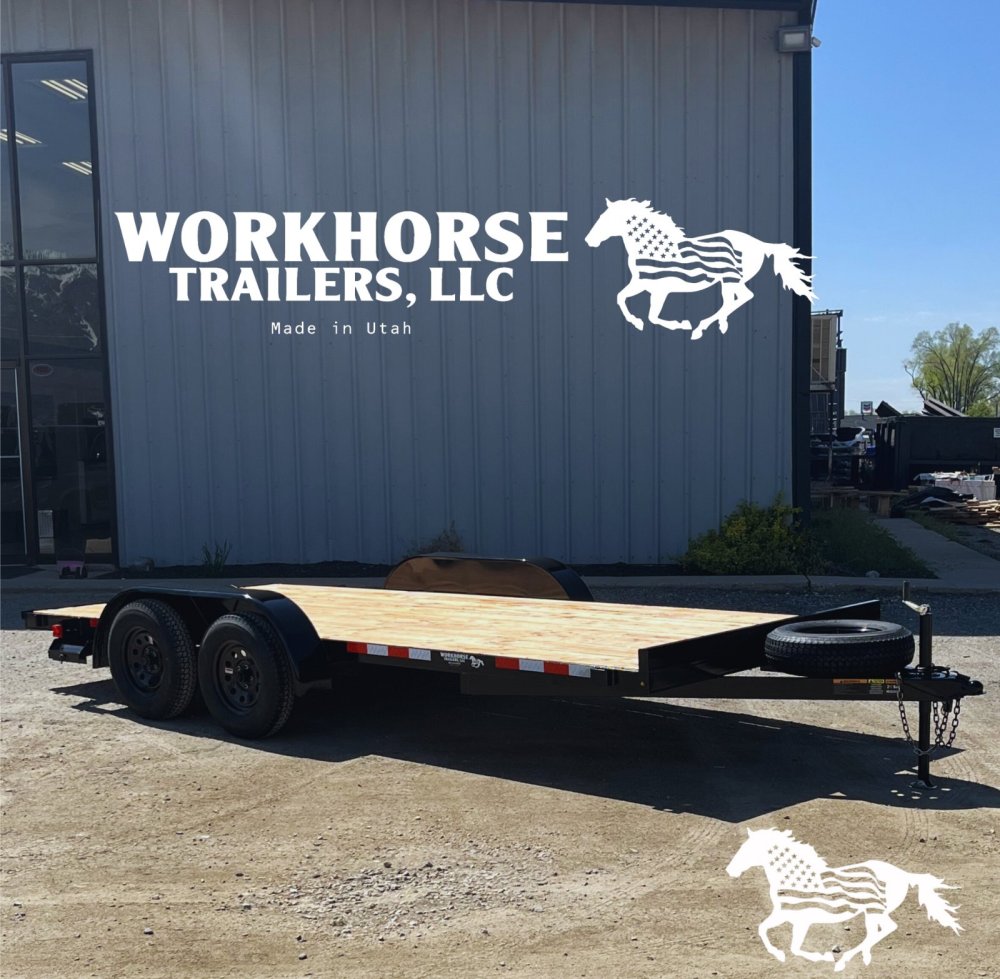
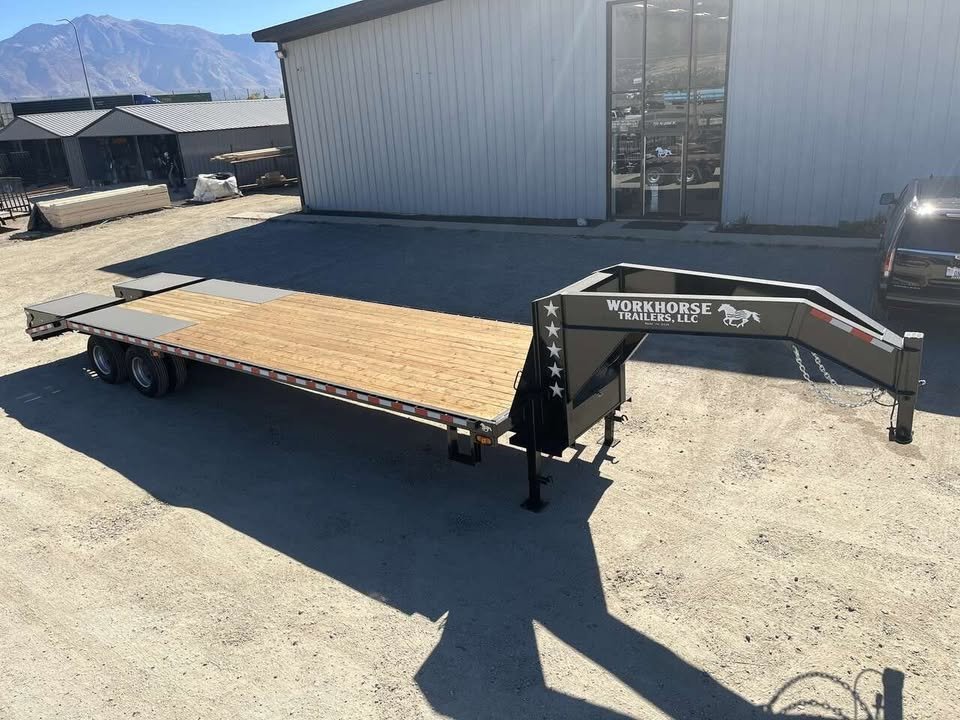
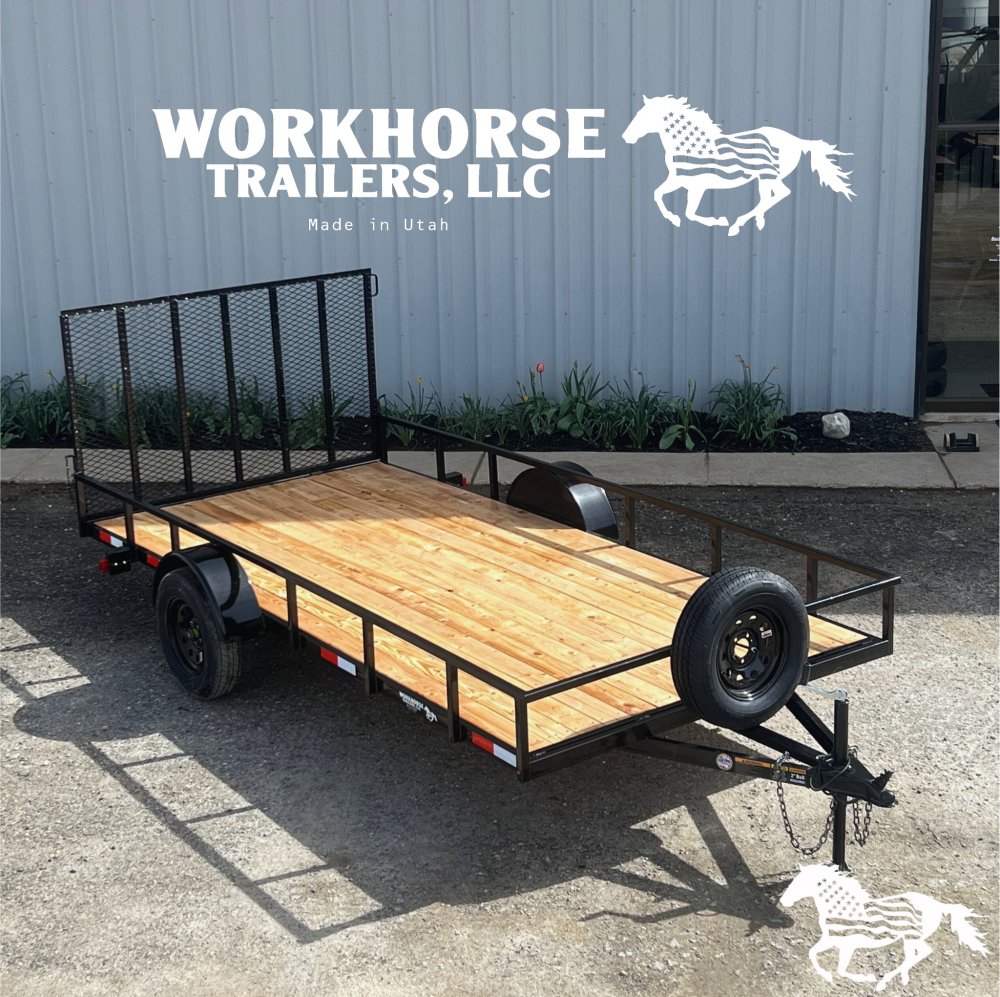
The lot at Workhorse Trailers keeps a range of equipment haulers in different GVWRs and deck configurations, which makes side-by-side comparison a lot easier than guessing from a website photo.
Closing thoughts
A first equipment hauler should be sized to what you will haul in three years, not what you hauled last weekend. Get the GVWR right, match the deck and ramps to how you load, and put it behind a truck that can handle the weight without working overtime. When you are ready to look at real trailers with real specs, stop into Workhorse Trailers and the team will help you spec a build that fits both the work and the truck in your driveway.