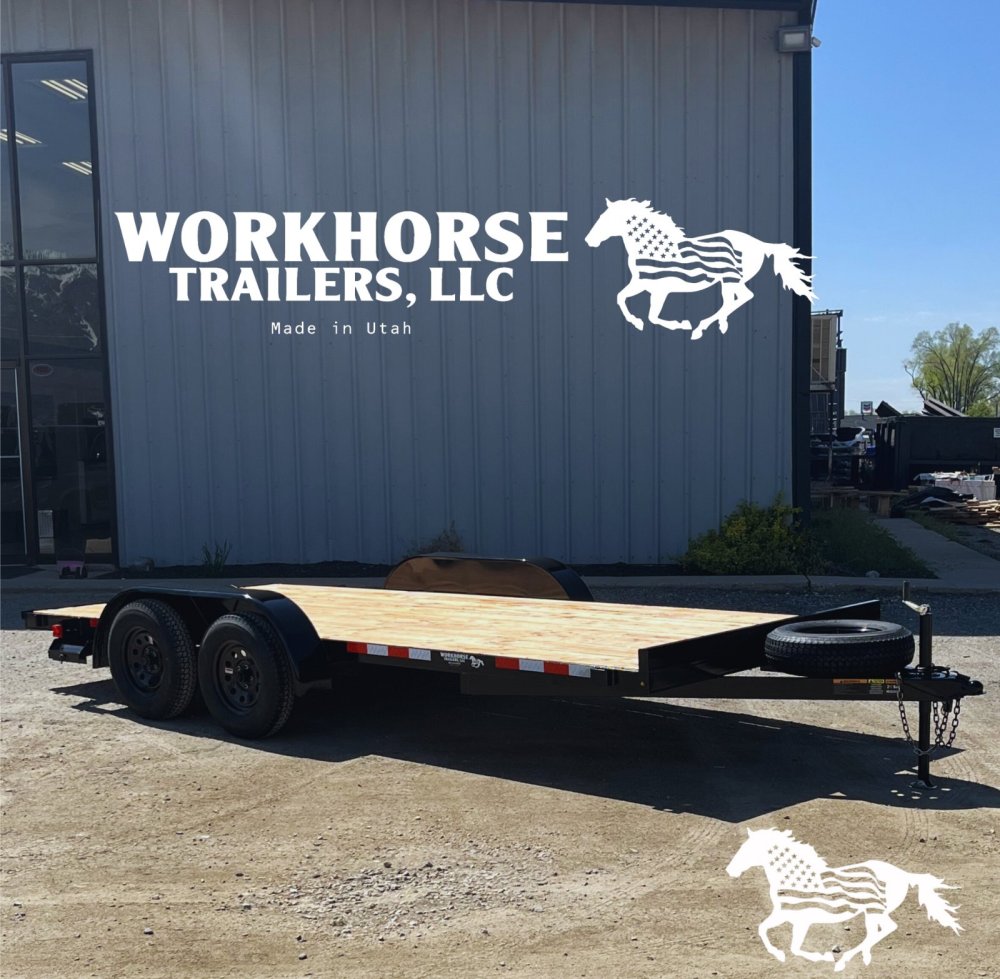
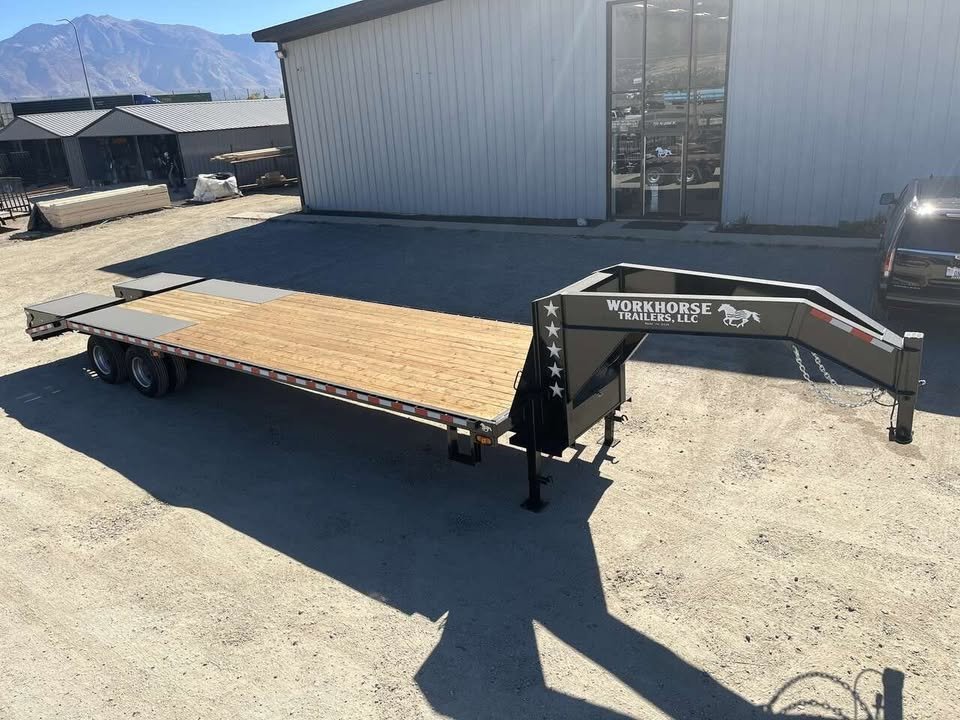
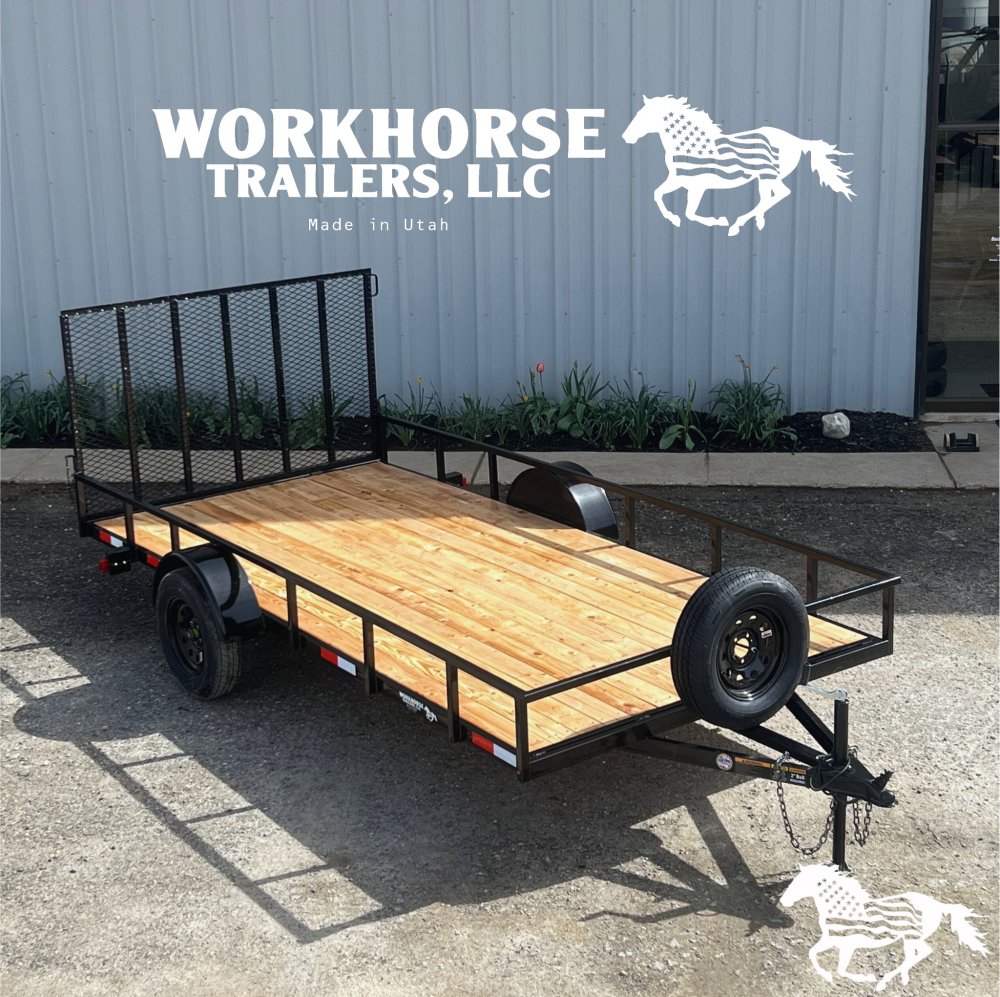
Picking a trailer for a side-by-side looks simple until you start measuring. Width on a sport UTV can run wider than the deck on a standard open trailer. Weight creeps up fast once you add fuel, a roof, a winch, doors, and a full skid plate. The crew at Workhorse Trailers sees buyers come in every week who almost bought something too small, too narrow, or rated for the wrong load. A little planning before you shop saves money and a lot of frustration once the machine is strapped down for the drive to Sand Hollow.
Start with the machine, not the trailer
Pull the dry weight from your owner’s manual. Then add what actually rides with you: roughly 7 pounds per gallon of fuel, plus accessories. A loaded Polaris RZR Pro XP can land near 2,300 pounds once you factor in a doors-and-roof package, spare tire, and tools. A four-seat Can-Am Maverick X3 Max pushes past 2,500. That number, not the spec-sheet curb weight, is what your trailer actually carries down the highway.
Width matters as much as weight. Trail-class machines around 50 inches fit almost anywhere. Sport models running 64, 72, or even 77 inches across the tires need a deck wide enough between or above the fenders. Measure your UTV mirror to mirror and bumper to bumper before you set foot on a lot.
Match the deck style to how you load
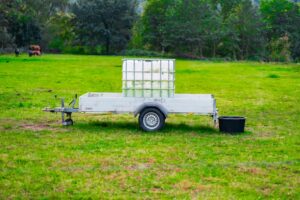
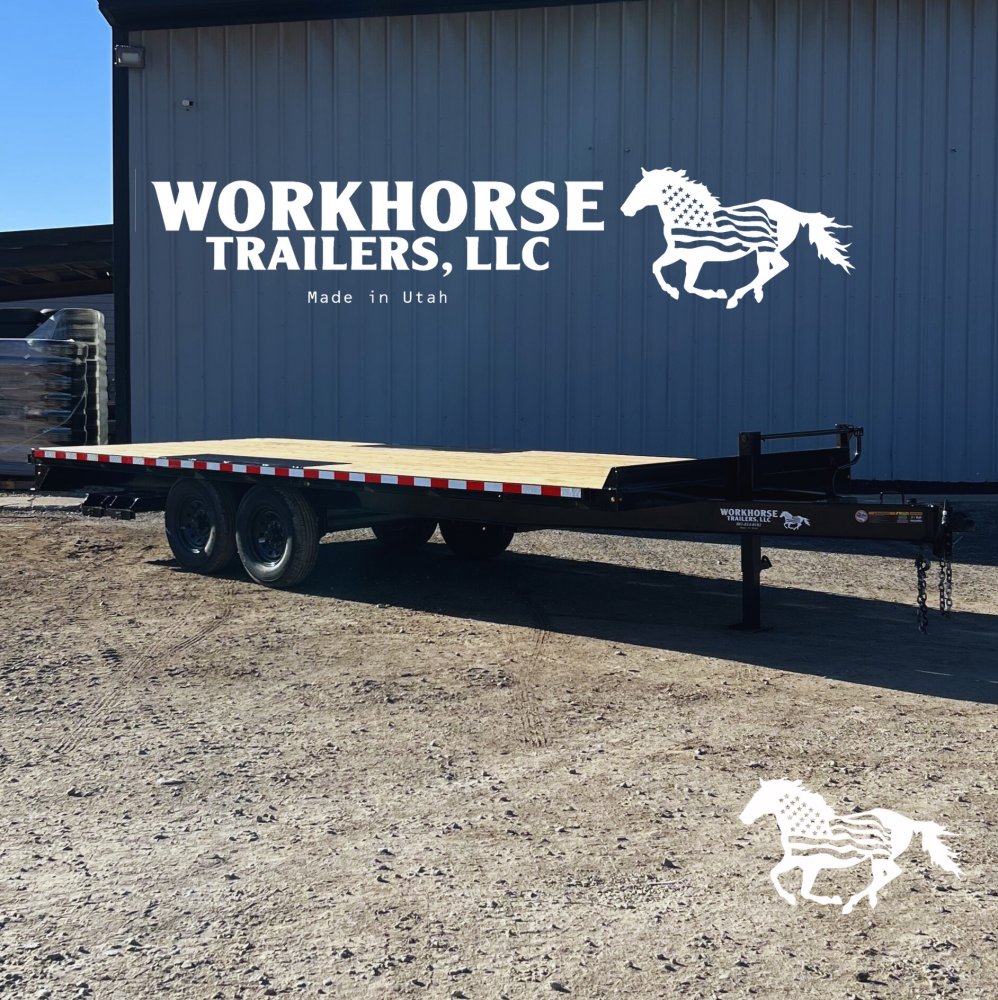
Between-the-fenders trailers are the most common, the cheapest, and the lowest to the ground, but the usable deck width often sits around 60 to 62 inches. A 77-inch sport machine simply will not fit. Drive-over fender designs let the tires roll over a low-profile fender so the full deck width is available. Deckover trailers put a flat deck above the wheels, which removes any width limit but raises the load height. Tilt-deck models skip ramps entirely, which sounds minor until you have lined up muddy planks at the end of a long ride in the rain.
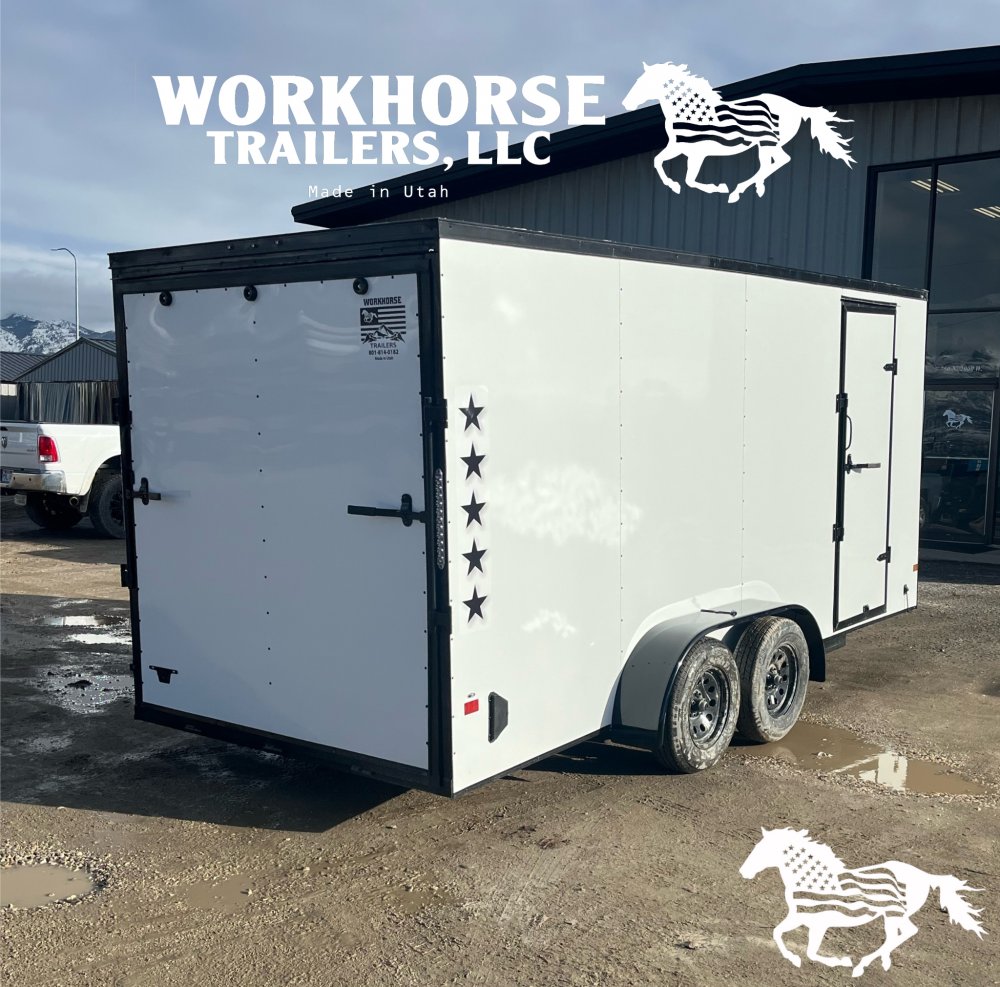
Enclosed cargo trailers solve a different set of problems. Gear stays dry, theft drops, and the trailer doubles as a workshop and overnight storage at the trailhead. They cost more, weigh more, and carry more tongue weight, so the conversation about your tow vehicle gets serious quickly.
Sizing the trailer to the load
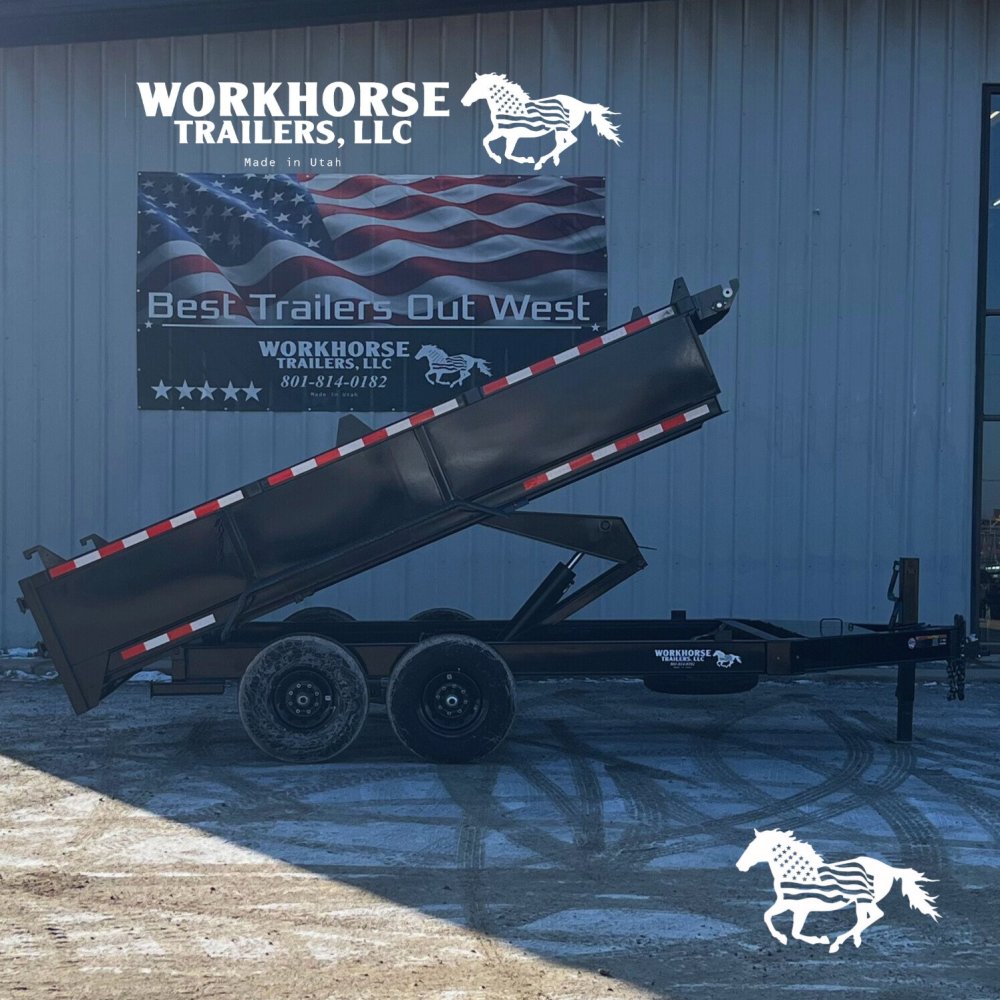
The number to watch is GVWR minus empty weight. That gap is your real payload. A 3,500-pound GVWR single-axle trailer that weighs 1,200 pounds empty leaves 2,300 pounds for your machine and gear. Fine for most two-seat UTVs. Tight for a four-seater with extra fuel cans and coolers. Hauling two machines or anything in the 4,000-pound range puts you in 7,000-pound tandem-axle territory.
Single axle wins on cost, weight, and tight-spot maneuvering. Tandem axle wins on highway stability, weight distribution, and safety if you blow a tire at speed. For Utah weekends running from the Wasatch Front down to St. George or up to the Paiute, the tandem usually earns its keep.
What Workhorse Trailers customers ask about most
A few details come up in nearly every conversation at the lot:
- Tie-down points welded into the frame, not just bolted through plywood
- Aluminum versus steel construction, trading upfront cost for rust resistance and lighter towing
- Torsion axles versus leaf springs, since torsion rides smoother on washboard roads and at highway speed
- Brake requirements, which kick in above 3,000 pounds GVWR in most states and need a controller installed in your tow vehicle
- Spare tire mounts, LED lighting, lockable toolboxes, and bi-fold or slide-in ramps
For a closer look at specific layouts and current stock, the team at Workhorse Trailers keeps both open and enclosed models on the lot and can run the math for your specific machine and truck.
Do not forget the tow vehicle
A half-ton pickup rated to tow 9,000 pounds is not the same as one rated to tow 9,000 pounds comfortably across a 6,000-foot pass in July with a family and a cooler in the back. Check tongue weight rating (usually 10 to 15 percent of trailer weight), payload in the bed once you add passengers and gear, and whether the truck has an integrated brake controller. State DOT rules around safety chains, breakaway switches, and lighting also tighten as GVWR climbs, so the NHTSA and the Utah DMV are worth a quick check before you tow out of state.
Putting it together
The right trailer is the one sized to your actual loaded UTV, matched to your tow vehicle, and built for the loading style you use most weekends. Get those three right and the trailer becomes invisible, which is what you want when the goal is riding instead of wrenching. When you are ready to compare layouts in person, Workhorse Trailers can show you what fits your machine before you commit to a setup you will haul for the next decade.