Anyone shopping for a serious hauling setup eventually hits the same fork in the road: gooseneck or bumper pull. The answer shapes everything downstream, from the truck you buy to the loads you can legally take across state lines. At Workhorse Trailers, this question comes up almost daily, and the right call depends less on which is “better” and more on what you actually haul, how often, and what is sitting in your driveway to pull it.
Both hitch styles have their place. A landscaper hauling a skid steer five days a week wants something different than a family pulling a pair of UTVs to Sand Mountain twice a summer. Sorting that out before you spend the money is where most buyers save themselves a costly trade-in two years later.
How the two hitches actually differ
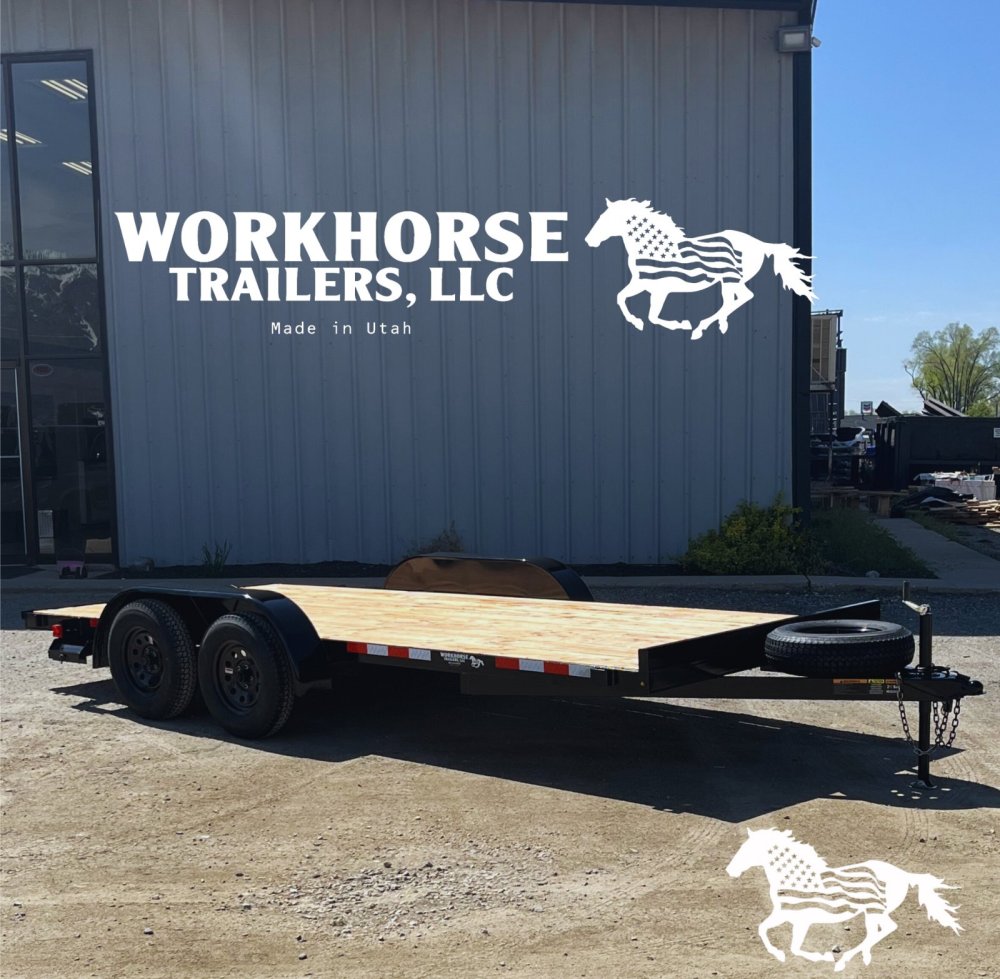
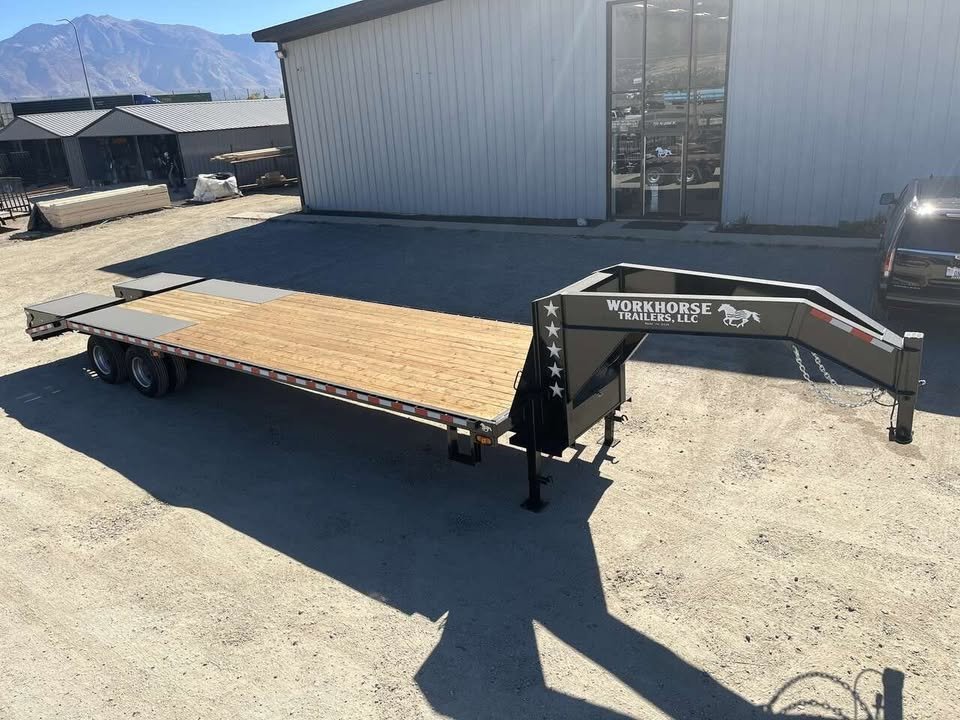
A bumper pull (also called a tag-along) attaches to a receiver hitch mounted behind the rear bumper. The trailer follows the truck on a single pivot point well behind the rear axle. A gooseneck connects to a ball mounted in the bed of the pickup, directly over or slightly ahead of the rear axle. That single change in geometry is responsible for almost every difference between the two.
Putting weight over the axle instead of behind it lets the truck carry more, tow more, and stay more stable at highway speeds. That is why commercial haulers, livestock operators, and heavy-equipment outfits run goosenecks almost exclusively.
Where bumper pull trailers earn their keep
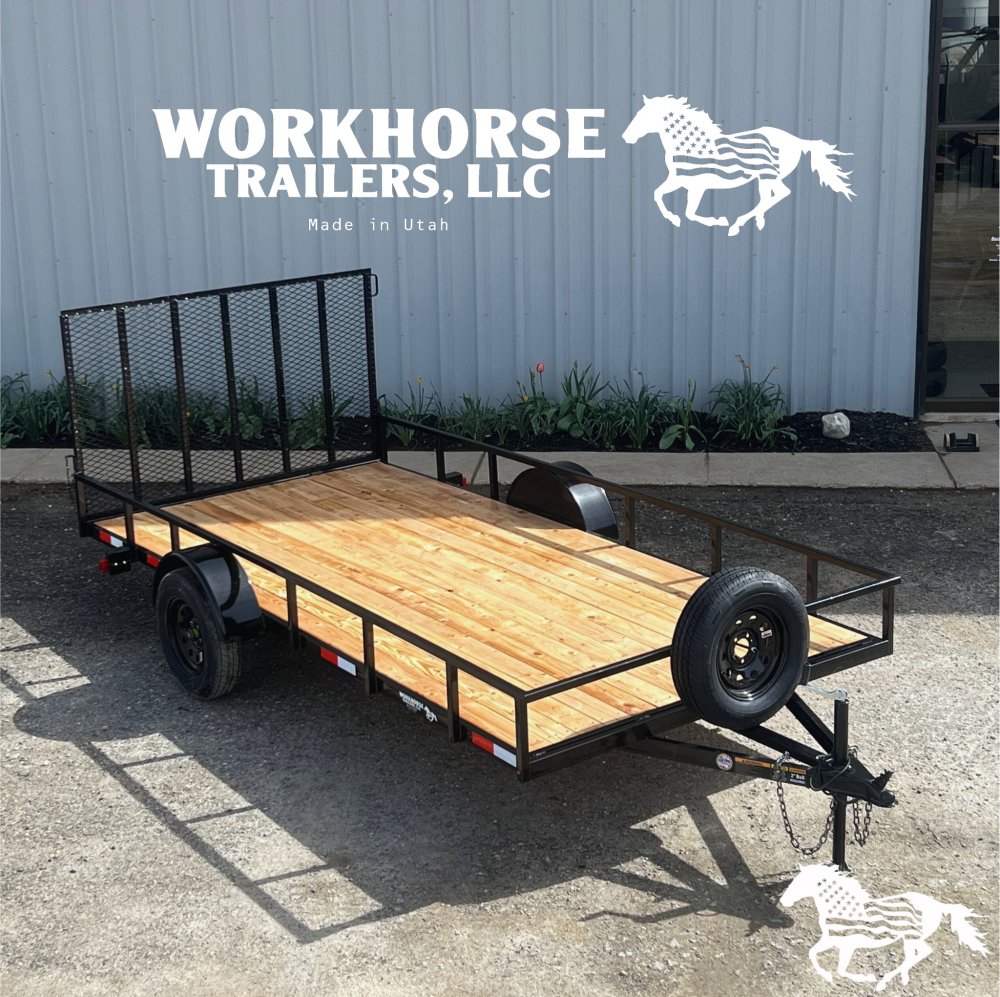
Bumper pulls are the everyday workhorse for good reason. They are cheaper to buy, lighter empty, and pull behind almost any half-ton or three-quarter-ton truck without modification. Backing one into a tight driveway is easier to learn because the pivot point is closer to where most drivers naturally judge from.
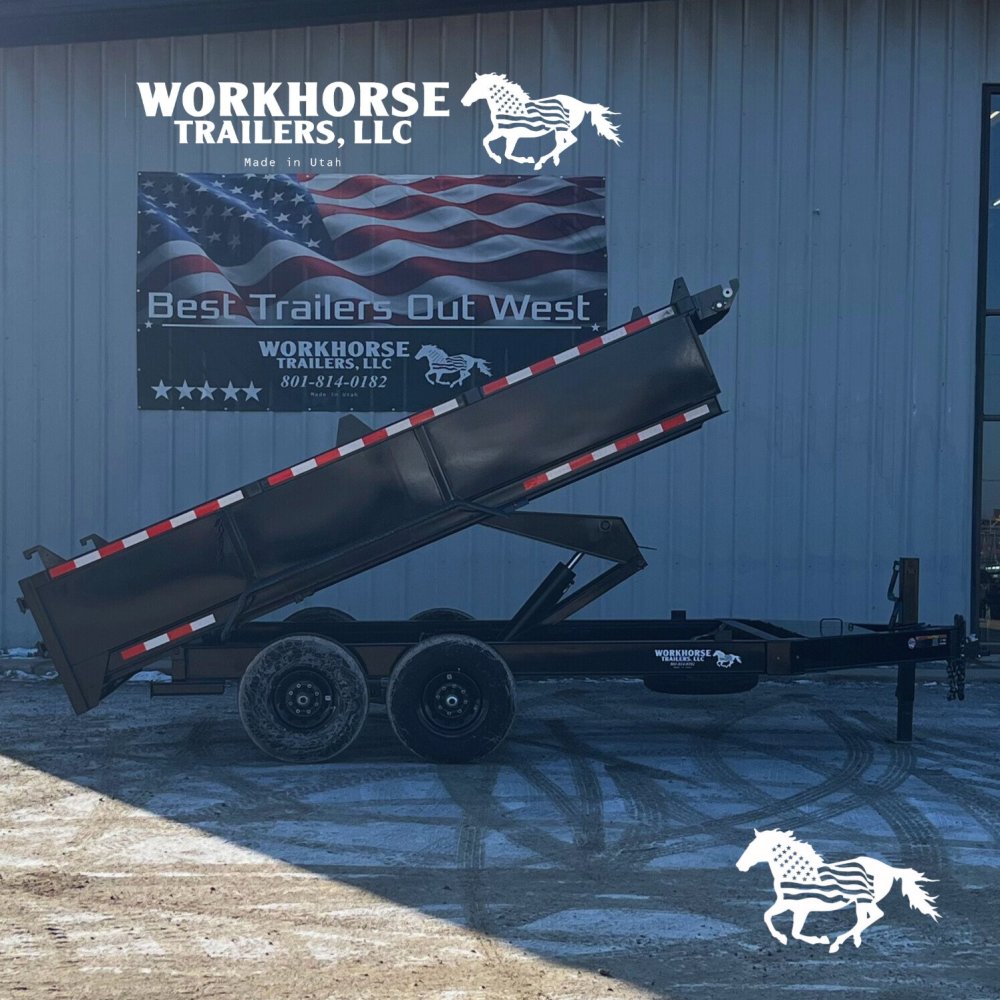
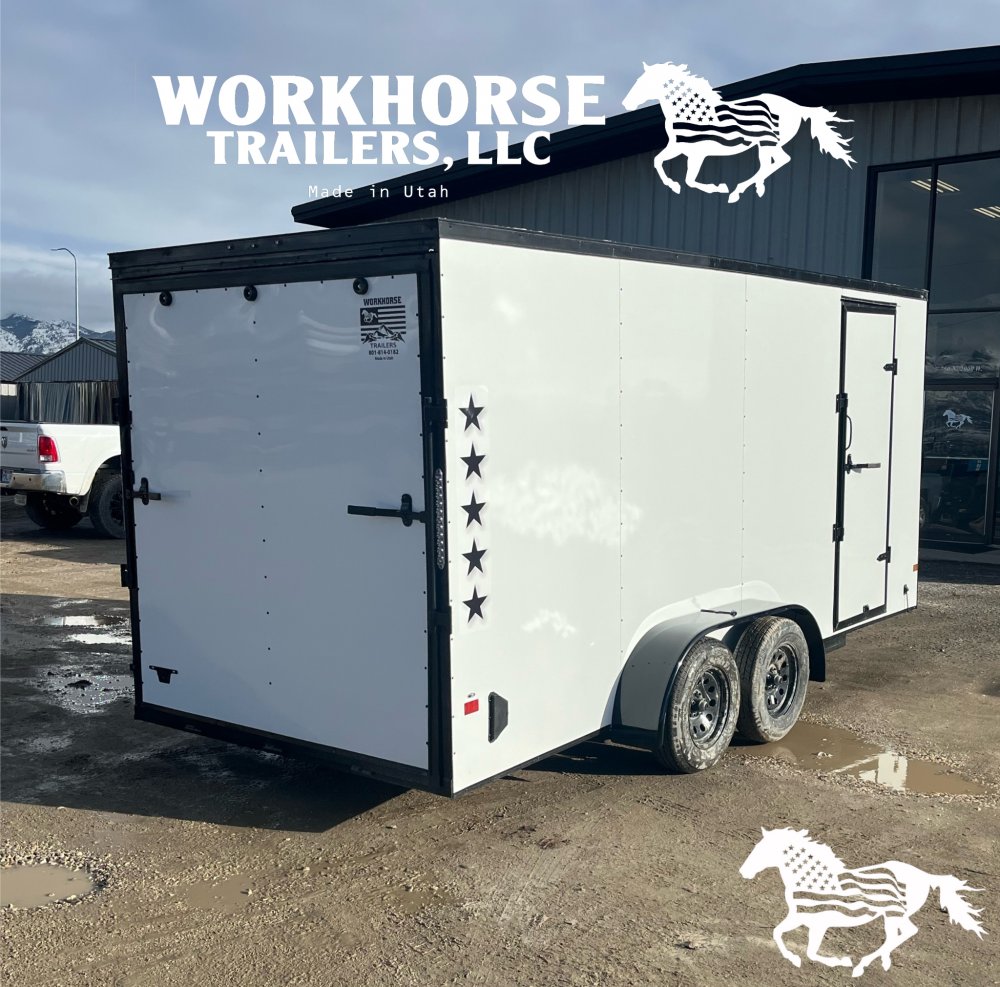
A 20-foot bumper pull car hauler, a 14-foot dump trailer, or a 16-foot utility trailer handles the majority of jobs a homeowner, weekend racer, or small contractor will throw at it. GVWRs typically top out around 14,000 pounds on tandem-axle bumper pulls, which covers a lot of ground.
Tradeoffs show up at the upper end of that range. Sway becomes more noticeable in crosswinds and around semis. Tongue weight (usually 10 to 15 percent of loaded trailer weight) sits behind the rear axle, which can lighten the steer wheels on a half-ton if you push the limits. Turning radius is wider, and jackknife angles are tighter.
Where a gooseneck pulls ahead
Goosenecks shine once loads climb past about 14,000 pounds or when the trailer gets long. The pivot point sitting over the rear axle does three useful things: it transfers more weight directly onto the truck’s drive wheels for better traction, it dramatically reduces sway, and it shortens the effective turning radius. A 40-foot gooseneck can navigate a job site or a corral that a 30-foot bumper pull would struggle with.
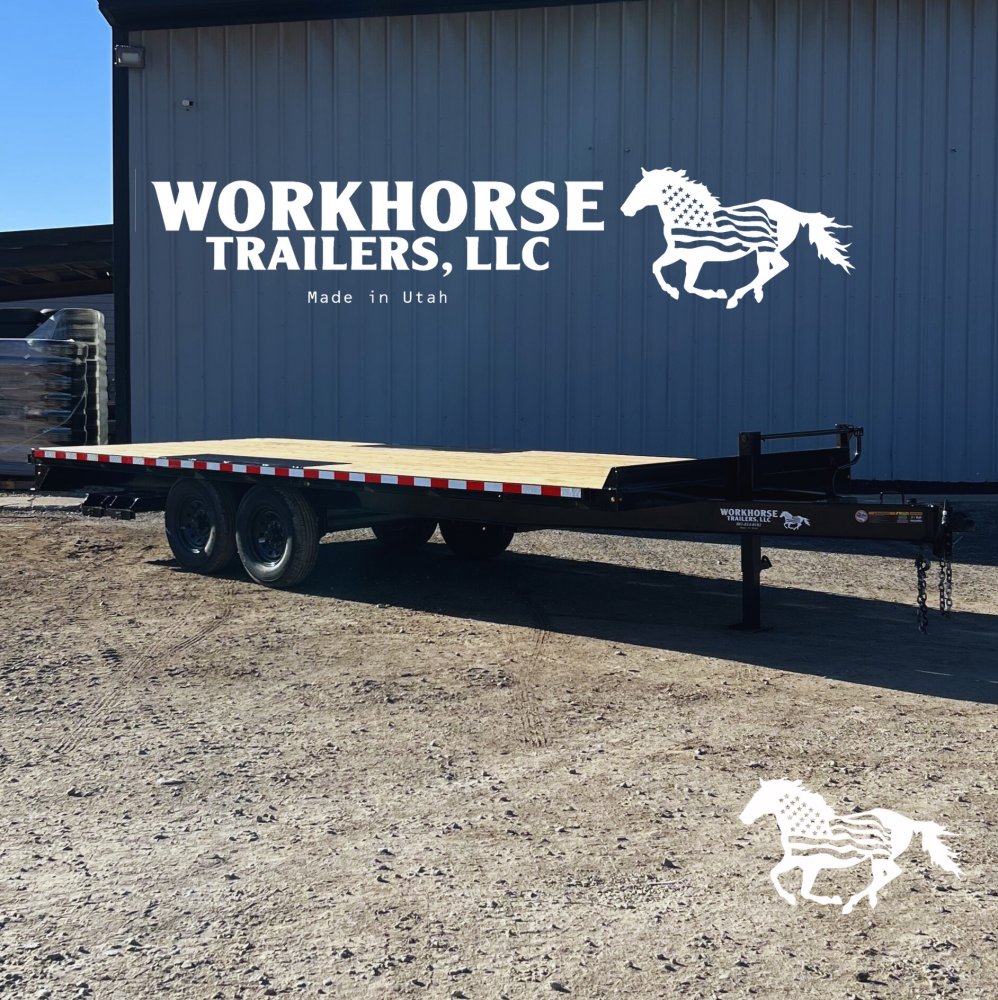
Capacity is the big draw. Gooseneck flatbeds in the 25,000 to 30,000 pound GVWR range are common, and commercial models go well past that. Hot shot operators running 40-foot deckovers, ranchers pulling three-horse living-quarters trailers, and excavator owners moving mini-ex and skid steer combos all gravitate toward goosenecks for the same reason: the trailer behaves better under load.
The catch is the truck. Goosenecks require a three-quarter-ton pickup at minimum for most builds, and a one-ton dually for anything heavy. A bed-mounted hitch has to be installed, which uses up cargo bed space. The trailers cost more upfront, and the learning curve for backing one is real because the trailer responds faster and pivots tighter than drivers expect.
Picking the right setup for your work
A few honest questions sort most buyers quickly:
- What is the heaviest single load you will haul, with fuel and gear included?
- How often will you tow at highway speeds for more than an hour at a time?
- Does your current truck have a bed that can accept a gooseneck hitch, or are you working with an SUV or half-ton with a receiver?
- Will you tow across state lines where commercial weight rules and CDL thresholds may apply?
If your loaded weight stays under 14,000 pounds and you tow occasionally, a bumper pull is almost always the smarter buy. Once you cross into heavy equipment, livestock with living quarters, or commercial hauling, the gooseneck pays for itself in stability and reduced wear on the tow vehicle. The team at Workhorse Trailers walks through this exact decision with customers every week and can match a build to both your loads and your truck.
Wrapping it up
Choosing between a gooseneck vs. bumper pull comes down to load weight, frequency, and the truck you already own or plan to buy. Bumper pulls cover most weekend and light-commercial needs at a lower price and with a simpler setup. Goosenecks earn their keep when the loads get heavy, the trips get long, or the trailer gets long enough that stability becomes a daily concern. Stop by Workhorse Trailers when you are ready to compare both styles side by side and get a straight answer about which one fits your work.