
South Salt Lake Enclosed Cargo Trailers
All locationsEnclosed cargo trailers represent one of the most versatile investments available to businesses and individuals throughout South Salt Lake, providing weatherproof, secure transportation and storage solutions that adapt to countless applications. Unlike open trailers that expose cargo to elements and theft, enclosed designs create protected environments where valuable equipment, inventory, and materials remain safe from precipitation, dust, temperature extremes, and unauthorized access. This fundamental advantage makes enclosed cargo trailers indispensable for industries ranging from mobile retail operations to professional contracting services.
The South Salt Lake commercial corridor has experienced tremendous growth in recent years, with entrepreneurs and established businesses alike recognizing the value of mobile assets that extend their operational capabilities. Enclosed cargo trailers function as rolling warehouses, mobile workshops, portable showrooms, and secure transport vehicles that eliminate dependence on fixed locations while providing flexibility to serve customers wherever opportunities arise. Understanding the diverse configurations, features, and applications of enclosed cargo trailers empowers buyers to select equipment that delivers maximum value while perfectly matching their specific operational requirements.
Security Advantages Over Open Trailers
Theft prevention stands as perhaps the most compelling reason businesses choose enclosed cargo trailers over open alternatives. Solid walls and locking doors create physical barriers that deter opportunistic thieves while preventing casual observation of valuable contents. Contractors storing thousands of dollars worth of power tools, tradespeople carrying specialized equipment, and retailers transporting inventory all benefit from this security layer that open trailers simply cannot provide.
Locking mechanisms on quality enclosed cargo trailers feature heavy-duty designs resistant to prying, cutting, and forced entry. Reinforced door frames distribute stress across larger areas, preventing doors from being kicked in or jimmied open with common tools. Many manufacturers incorporate recessed locks that protect vulnerable mechanisms from bolt cutters and prevent external leverage attempts. Additional security enhancements including padlock hasps, slam latches, and even electronic access systems provide multiple defense layers matching specific security requirements.
The enclosed design itself serves as a deterrent by concealing cargo from view. Thieves targeting specific items like generators, welding equipment, or electronics cannot identify potential targets when trailers hide their contents. This invisibility factor reduces theft risk substantially compared to open trailers where valuable equipment advertises itself to anyone passing by. For businesses operating in areas with elevated theft rates, this protection justifies any premium associated with enclosed designs.
Weather Protection and Cargo Preservation
Rain, snow, and moisture damage destroy materials, corrode metal components, and ruin inventory that lacks adequate protection during transport and storage. Enclosed cargo trailers provide complete weather sealing that keeps interiors dry regardless of external conditions. This protection proves essential for businesses transporting electronics, paper products, textiles, or any materials susceptible to moisture damage. The cost of a single weather-related cargo loss often exceeds the price difference between enclosed and open trailer options.
Temperature stability within enclosed trailers prevents extreme heat and cold from affecting sensitive cargo. While basic enclosed trailers don't provide active climate control, the insulated walls moderate temperature swings compared to open air exposure. This passive temperature management benefits businesses transporting temperature-sensitive items including certain chemicals, adhesives, sealants, and products that degrade or separate when subjected to freezing temperatures or excessive heat.
Dust and debris exclusion maintains cargo cleanliness during transport. Construction sites, unpaved roads, and agricultural areas generate substantial airborne particulates that coat everything on open trailers. Enclosed designs seal out this contamination, ensuring materials arrive clean and ready for use. Professional service providers appreciate delivering pristine equipment to customer locations rather than spending time cleaning dusty tools and supplies before beginning work.
Mobile Business Applications
Food service vendors utilize enclosed cargo trailers as mobile kitchens and serving platforms for catering events, festivals, and private functions. Custom-built concession trailers incorporate cooking equipment, refrigeration, serving windows, and storage within weatherproof enclosures that comply with health department requirements. These mobile operations generate revenue without the overhead expenses associated with brick-and-mortar restaurant locations while providing flexibility to pursue events offering the best profit opportunities.
Retail businesses convert enclosed cargo trailers into mobile boutiques and pop-up shops that bring merchandise directly to customers at farmers markets, craft fairs, concerts, and community events. Interior buildouts include display shelving, lighting, point-of-sale systems, and climate control creating professional shopping environments rivaling permanent storefronts. The mobility advantage allows retailers to test multiple markets, follow seasonal opportunities, and reach customer bases that might never visit traditional store locations.
Service businesses outfit enclosed cargo trailers as mobile offices and customer interaction spaces. Real estate agents, insurance brokers, and professional consultants meet clients in climate-controlled environments equipped with desks, seating, presentation displays, and technology infrastructure. This professional presentation enhances credibility while eliminating dependence on expensive office leases or the unprofessional appearance of conducting business from personal vehicles.
Contractor and Trade Professional Uses
Electricians rely on enclosed cargo trailers to protect sensitive testing equipment, wire inventory, and power tools from weather exposure and theft. Organized interiors with shelving, bins, and designated storage locations keep materials sorted and accessible, reducing time wasted searching for specific items. The ability to lock trailers at job sites during lunch breaks or overnight provides security that prevents tool theft, a persistent problem affecting contractors throughout the construction industry.
Plumbing contractors transport pipe sections, fittings, fixtures, water heaters, and specialized tools in enclosed trailers that maintain inventory organization while protecting materials from contamination. Clean pipe and fittings installed in customer homes create professional impressions compared to dirty materials pulled from open trailers. Interior racks custom-designed for plumbing supplies maximize storage density while preventing damage that occurs when items shift during transport.
HVAC technicians configure enclosed cargo trailers as rolling service vehicles carrying refrigerant, copper line sets, condensers, air handlers, and diagnostic equipment. The enclosed space allows installation of recovery equipment, vacuum pumps, and charging manifolds in permanent positions, creating efficiency compared to loading and unloading tools for each service call. Climate control in the trailer protects sensitive electronic testing equipment from temperature extremes that could affect calibration and accuracy.
Size Options and Configurations
Compact enclosed cargo trailers starting at 5×8 or 6×10 feet serve individuals and small businesses with modest hauling requirements. These economical models provide weather protection and security without the cost and storage demands of larger trailers. Landscapers carrying hand tools, mobile detailers transporting supplies, or hobbyists protecting recreational equipment find these sizes perfectly adequate while appreciating the maneuverability advantages compared to longer models.
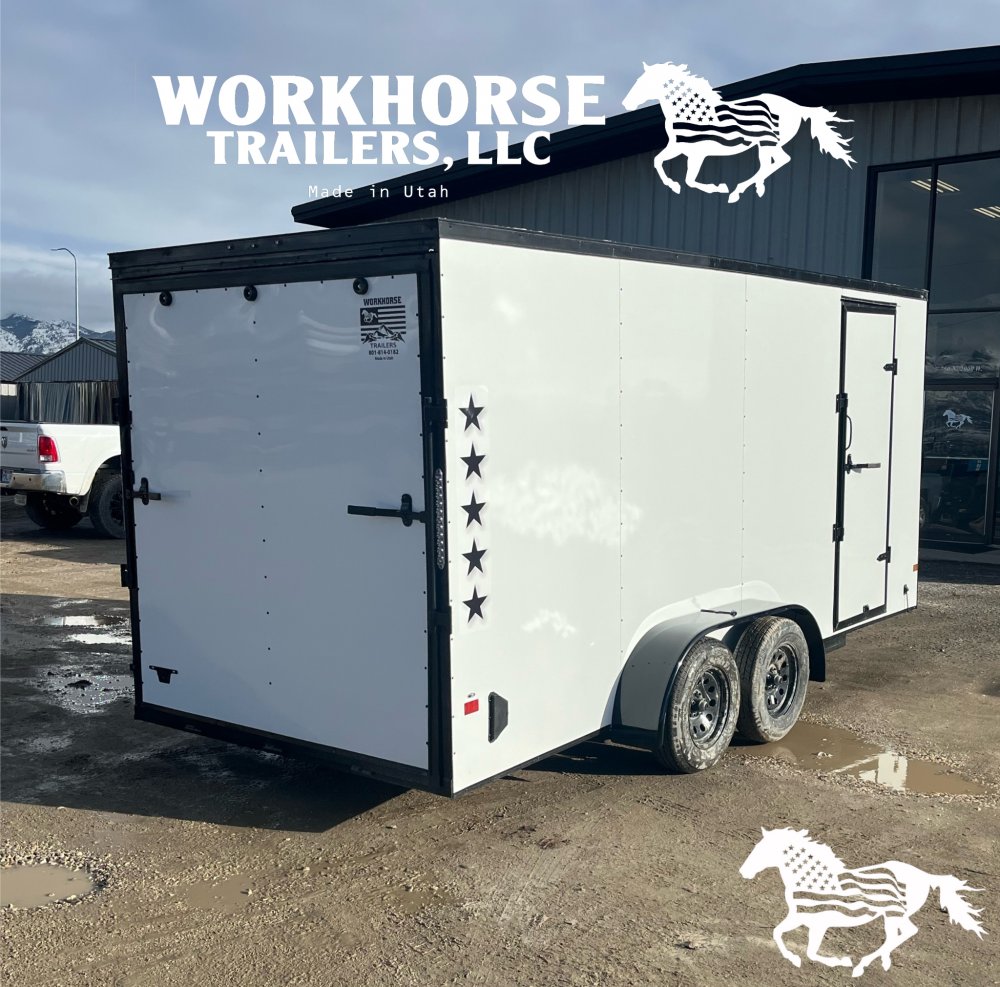
Mid-size enclosed trailers ranging from 6×12 to 7×14 feet represent the most popular category, balancing capacity with practical towing requirements. These versatile trailers accommodate substantial cargo volumes while remaining towable by half-ton pickup trucks and SUVs that many businesses already own. When searching forSouth Salt Lake Enclosed Cargo Trailers, contractors and service businesses gravitate toward these sizes that handle typical job requirements without demanding expensive heavy-duty tow vehicles.
Large enclosed cargo trailers exceeding 8×16 feet cater to operations requiring maximum capacity or specialized interior buildouts. Racing teams, mobile retail operations, and contractors serving multiple crews simultaneously utilize these spacious trailers. The substantial interior volume accommodates complex custom installations including workbenches, generator compartments, equipment racks, and even restroom facilities for extended event operations. Higher initial costs and more demanding towing requirements make sense for applications genuinely needing this capacity.
Interior Height Considerations
Standard height enclosed cargo trailers with interior clearances around 6 feet accommodate most cargo while minimizing overall trailer height for improved fuel efficiency and reduced wind resistance. These models work well for transporting materials, supplies, and equipment that doesn't require standing room. The lower profile also eases storage in garages or facilities with limited clearance.
Extra tall enclosed trailers providing 6.5 to 7 feet of interior height allow workers to stand comfortably inside, dramatically improving functionality for mobile workshop and retail applications. Technicians servicing equipment inside trailers, vendors setting up displays, or anyone spending extended time working inside enclosed spaces appreciate this headroom. The additional height also accommodates taller items like upright tool chests, standing cabinets, and rack systems that maximize vertical storage.
Custom height trailers built to specific requirements serve specialized needs including vehicle transport, tall equipment hauling, or unique business applications. Manufacturers construct these trailers to order, incorporating height specifications that match exact operational needs. While custom orders increase costs and extend delivery timelines, the perfect fit often justifies these tradeoffs for operations where standard dimensions prove inadequate.
Door Configuration Options
Rear ramp doors provide the most versatile loading access, allowing equipment to roll directly into the trailer interior. Motorcycles, ATVs, riding mowers, generators on wheels, and hand trucks loaded with materials all benefit from ramp access. Spring-assisted mechanisms make raising and lowering ramps manageable single-person operations, though heavier-duty ramps on larger trailers may require two people for safe handling.
Rear barn doors swing outward on hinges, creating wide openings for loading bulky items that don't require ramps. These doors typically feature hold-open latches preventing wind from slamming them closed during loading operations. Barn doors work well for businesses loading boxes, equipment carried by hand, or items lifted with forklifts at facilities equipped with loading docks. The simpler mechanism compared to ramps reduces maintenance requirements and potential failure points.
Side doors add convenient access for retrieving items without entering through rear doors. Contractors keeping frequently used tools near side door locations save time compared to walking to the rear opening for each retrieval. Some enclosed trailers incorporate side ramps enabling equipment loading from lateral positions useful in tight spaces where rear access proves impractical. The added convenience and flexibility justify the increased cost for operations benefiting from multi-point access.
Construction Materials and Durability
Aluminum frame and skin construction provides excellent corrosion resistance and lightweight characteristics that maximize payload capacity. Aluminum trailers withstand salt exposure, moisture, and environmental factors that cause steel to rust, making them ideal for long-term outdoor storage or operation in coastal environments. The lighter weight allows towing by smaller vehicles while improving fuel efficiency, though aluminum typically costs more than steel alternatives.
Steel frame construction with various skin options balances durability with cost-effectiveness. Tube steel frames provide robust structures supporting heavy loads and rough handling. Skin materials range from painted steel to aluminum or composite panels, each offering distinct advantages. Steel trailers generally cost less than aluminum equivalents while providing excellent longevity when maintained properly with periodic paint touch-ups preventing rust formation.
Wood frame construction appears primarily in lower-priced enclosed cargo trailers, using treated lumber for floor and wall framing. While initially economical, wood frames prove less durable than metal alternatives, particularly in moisture exposure scenarios where rot can develop. Careful maintenance including periodic inspections and prompt repair of any water intrusion extends wood frame life, but commercial operations typically prefer metal construction for its superior longevity.
Insulation and Temperature Control
Uninsulated enclosed cargo trailers provide basic weather protection without addressing temperature management. Interior temperatures closely track ambient conditions, experiencing extreme heat during summer and cold during winter. These basic models serve applications where temperature control doesn't matter, such as transporting non-sensitive materials or using trailers purely for secure storage of items unaffected by temperature swings.
Insulated walls and ceilings moderate temperature extremes, creating more stable interior environments. Foam insulation installed during manufacturing reduces heat transfer through trailer walls, keeping interiors cooler in summer and warmer in winter compared to uninsulated alternatives. This passive temperature management proves valuable for businesses transporting items sensitive to extreme temperatures or workers spending time inside trailers performing service tasks.
Climate-controlled enclosed trailers incorporate heating and air conditioning systems providing active temperature management. These sophisticated systems require electrical power from shore connections, generators, or battery banks but enable businesses to maintain precise temperature ranges. Mobile food service operations, retail businesses displaying temperature-sensitive merchandise, and professional service providers creating comfortable customer environments invest in climate control that enhances functionality despite added complexity and expense.
Electrical Systems and Power Options
Basic lighting systems illuminate trailer interiors during loading, unloading, and interior work. Battery-powered LED dome lights offer simple solutions requiring no external power connections. These lights provide adequate illumination for occasional use while drawing minimal power that standard batteries supply for extended periods between charging.
Shore power capabilities allow enclosed trailers to connect to standard electrical outlets, powering interior lighting, power tools, and equipment without generators. Electrical panels distribute 120-volt power to multiple outlets positioned conveniently throughout the trailer interior. Businesses operating at locations with available electrical service appreciate this clean, quiet power source that eliminates generator fuel costs and noise.
Onboard generators provide self-sufficient power for operations in locations lacking shore power access. Properly sized generators supply sufficient electricity for tools, lighting, climate control, and business equipment. Sound-insulated generator compartments reduce noise levels, though even quiet generators create some disturbance. The independence and flexibility generators provide makes them worthwhile investments for mobile businesses operating in diverse environments.
Interior Customization Possibilities
Wall-mounted shelving transforms unused vertical space into organized storage maximizing trailer capacity. Industrial shelving systems rated for appropriate weight loads keep materials sorted and accessible. Adjustable shelving adapts to changing inventory needs, accommodating different product sizes without requiring complete reorganization or replacement.
Workbench installations create functional workspace for equipment repair, product assembly, or service tasks performed inside trailers. Sturdy bench construction withstands tool impacts and heavy use while providing stable surfaces for precision work. Integrated vises, power strips, and task lighting enhance bench functionality, creating legitimate workshop environments within mobile platforms.
Cabinet systems provide enclosed storage protecting contents from dust while maintaining professional appearances. Locking cabinets secure valuable tools and supplies, adding security layers beyond the trailer's exterior locks. Custom cabinetry designed specifically for trailer installations maximizes space utilization while providing storage solutions perfectly matching operational requirements.
Flooring Options and Durability
Plywood flooring represents the standard option in most enclosed cargo trailers, providing adequate strength for general cargo transport at economical pricing. Smooth plywood surfaces allow easy sweeping and cleaning while offering reasonable moisture resistance when properly maintained. Regular inspection for damage and prompt replacement of compromised sections prevents rot from spreading and maintains structural integrity.
Rubber or vinyl flooring upgrades enhance moisture resistance while providing easier cleaning compared to bare plywood. These surfaces resist chemical spills, prevent moisture absorption, and clean easily with standard mopping. Businesses transporting potentially messy materials or using trailers for mobile service operations benefit from improved flooring that withstands harsh treatment while maintaining professional appearances.
Aluminum or steel tread plate flooring delivers maximum durability for heavy equipment transport and industrial applications. Metal floors resist damage from sharp edges, heavy impacts, and abusive loading practices that would quickly destroy wooden surfaces. The increased weight and higher cost make sense for commercial operations where floor damage creates downtime and expensive repairs offsetting initial savings from cheaper flooring options.
Ventilation Systems
Passive roof vents allow hot air to escape through natural convection, reducing interior temperatures during summer months. These simple vents require no power while providing measurable temperature reduction compared to completely sealed trailers. Screening prevents insects and debris from entering while allowing air circulation.
Powered exhaust fans actively pull hot air from trailer interiors, substantially improving ventilation compared to passive systems. Thermostatically controlled fans activate automatically when interior temperatures exceed set points, maintaining comfortable conditions without constant manual management. Solar-powered options operate independently without draining batteries or requiring shore power connections.
Air conditioning systems provide maximum cooling for businesses requiring climate-controlled environments. Roof-mounted units similar to RV air conditioners cool trailer interiors effectively when connected to shore power or generators. The substantial power requirements and higher equipment costs limit air conditioning to applications where temperature control justifies the investment.
Axle and Suspension Systems
Single-axle enclosed cargo trailers offer economy and maneuverability for lighter loads and occasional use. Weight capacity limitations around 3,000 to 5,000 pounds restrict these models to modest cargo volumes. The single-axle design creates shorter overall lengths improving maneuverability in tight spaces while reducing initial purchase costs and ongoing maintenance compared to multi-axle alternatives.
Tandem-axle configurations dominate enclosed cargo trailer sales, providing optimal balance between capacity, stability, and cost. Weight ratings typically range from 7,000 to 10,000 pounds, handling substantial cargo loads while maintaining highway stability. The dual-axle design continues allowing limited travel if one tire fails, preventing complete immobilization that occurs with single-axle flat tires.
Torsion axle suspensions provide smoother rides compared to traditional leaf spring systems, reducing shock transmission to cargo and trailer structure. Each wheel moves independently, absorbing impacts without affecting the opposite wheel. This independent suspension improves handling while reducing maintenance needs since torsion axles lack grease fittings and pivot points requiring regular lubrication.
Braking System Requirements
Electric brakes activate through controllers installed in tow vehicles, providing responsive stopping power proportional to braking force applied. Quality brake systems feature self-adjusting mechanisms maintaining optimal performance as components wear. Regular inspection and periodic adjustment ensure brakes operate effectively, particularly important for enclosed trailers that often carry heavy loads requiring substantial stopping power.
Breakaway safety systems automatically engage trailer brakes if the coupling separates from the tow vehicle. A battery-powered brake controller activates when a cable attached to the tow vehicle pulls free during separation. This critical safety feature can prevent runaway trailers from causing catastrophic accidents, making it mandatory equipment in most jurisdictions for trailers above certain weight thresholds.
Brake maintenance intervals should follow manufacturer recommendations, typically inspecting brake components annually or every 12,000 miles. Adjusting brakes, checking magnet condition, examining drum wear, and verifying electrical connections prevents brake failures that create dangerous situations. Commercial operators maintaining fleets of enclosed trailers often establish more frequent inspection schedules accounting for heavy use and demanding applications.
V-Nose Versus Flat-Front Designs
V-nose enclosed cargo trailers feature angled fronts that improve aerodynamics while providing additional interior space. The tapered nose creates a storage compartment separate from the main cargo area, perfect for keeping frequently accessed items, generators, or valuable equipment in a distinct location. Improved aerodynamics reduce wind resistance, potentially improving fuel economy during highway travel though real-world gains vary based on numerous factors.
Flat-front designs maximize interior volume for a given overall length while typically costing less than V-nose equivalents. The squared-off front creates simple, efficient packaging without the added complexity of angled construction. Businesses prioritizing maximum cargo capacity per foot of trailer length often prefer flat-front models despite sacrificing the separate nose compartment and potential aerodynamic benefits.
Aerodynamic considerations affect fuel consumption more significantly at higher speeds and on longer trips. Businesses primarily using enclosed trailers for local deliveries may realize minimal fuel savings from V-nose designs, making the added cost and complexity questionable. Conversely, operations involving substantial highway travel potentially recover V-nose premiums through cumulative fuel savings over years of operation.
Tie-Down Systems and Cargo Management
E-track systems installed on walls and floors provide infinitely adjustable tie-down points accommodating diverse cargo configurations. Standard E-track fittings including straps, bars, and hooks allow quick reconfiguration between loads without tools or permanent modifications. This flexibility proves invaluable for businesses transporting varied cargo requiring different securing approaches.
D-rings welded or bolted to floors and walls offer simple, robust tie-down points for straps and chains. Strategic positioning around the trailer interior provides attachment locations suitable for most cargo types. The simplicity and durability of D-rings makes them popular options for general-purpose enclosed trailers not requiring the adjustability of more sophisticated systems.
Ratchet straps and tie-down accessories secure cargo preventing movement during transport. Quality straps rated for appropriate working loads ensure safe cargo restraint without excessive tension that could damage delicate items. Maintaining adequate inventory of various strap lengths and configurations allows proper securing of different load types encountered throughout normal operations.
Graphics and Branding Opportunities
Commercial wraps transform enclosed cargo trailers into mobile billboards advertising businesses wherever they travel or park. Professional graphics incorporating logos, contact information, service descriptions, and compelling imagery create brand awareness while conveying professionalism. The large, smooth exterior surfaces of enclosed trailers provide excellent canvases for eye-catching designs visible from substantial distances.
Magnetic signs offer temporary branding solutions allowing removal when trailers serve multiple purposes or when discretion proves desirable. Quality magnets adhere securely during highway travel while removing easily when needed. This flexibility appeals to businesses using trailers for both commercial and personal purposes or operations preferring understated appearances in certain situations.
Vinyl lettering provides economical branding combining professional appearance with reasonable costs. Applied directly to trailer exteriors, quality vinyl withstands weather exposure and highway speeds when professionally installed. The simpler graphics compared to full wraps reduce initial investment while still identifying business ownership and providing contact information.
Maintenance and Longevity
Roof inspections should occur regularly since leaks cause substantial interior damage before becoming obvious. Checking seams, vent installations, and any roof penetrations for cracks or separation prevents water intrusion. Applying sealant to vulnerable areas before leaks develop protects interior buildouts and cargo from moisture damage that creates mold, rust, and material deterioration.
Exterior cleaning removes road grime, salt, and contaminants that promote corrosion on metal surfaces. Periodic washing maintains professional appearances while allowing inspection for paint damage, dents, or other issues requiring attention. Touching up paint chips and scratches prevents rust from starting, particularly important on steel trailers where small defects expand rapidly without intervention.
Bearing and axle service following manufacturer schedules prevents catastrophic failures causing expensive damage and dangerous roadside situations. Repacking wheel bearings with appropriate grease maintains proper lubrication preventing heat buildup and bearing destruction. Inspecting brake components during bearing service ensures all critical systems receive appropriate maintenance attention.
Investment and Financing Considerations
Purchase prices for enclosed cargo trailers vary dramatically based on size, construction quality, features, and customization level. Basic models start around moderate pricing while extensively customized professional units reach substantial investments. Understanding total cost of ownership including maintenance, insurance, and depreciation helps businesses make informed decisions balancing initial expense against long-term value.
Financing options make enclosed cargo trailers accessible without depleting working capital needed for other business operations. Equipment loans specifically designed for trailer purchases offer competitive rates and terms structured around business cash flows. Monthly payments spread costs over several years while allowing immediate use generating revenue offsetting payment obligations.
Leasing arrangements provide alternatives for businesses wanting flexibility or preserving capital. Lease terms typically include maintenance coverage and upgrade options as agreements conclude. This approach suits operations uncertain about long-term needs or preferring to allocate capital to core business investments rather than mobile assets.