
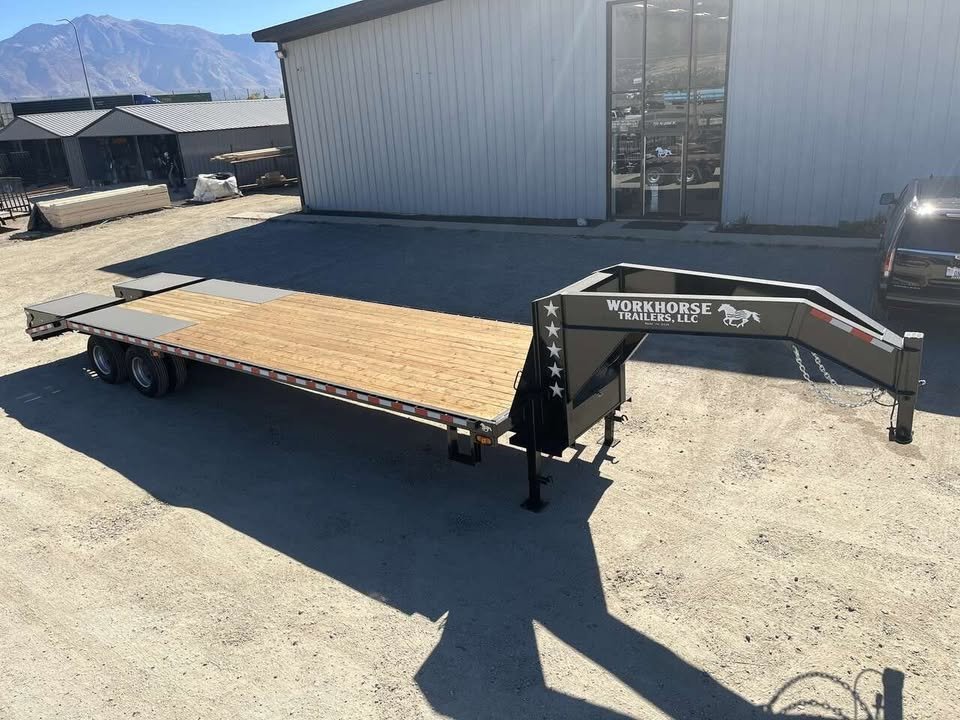
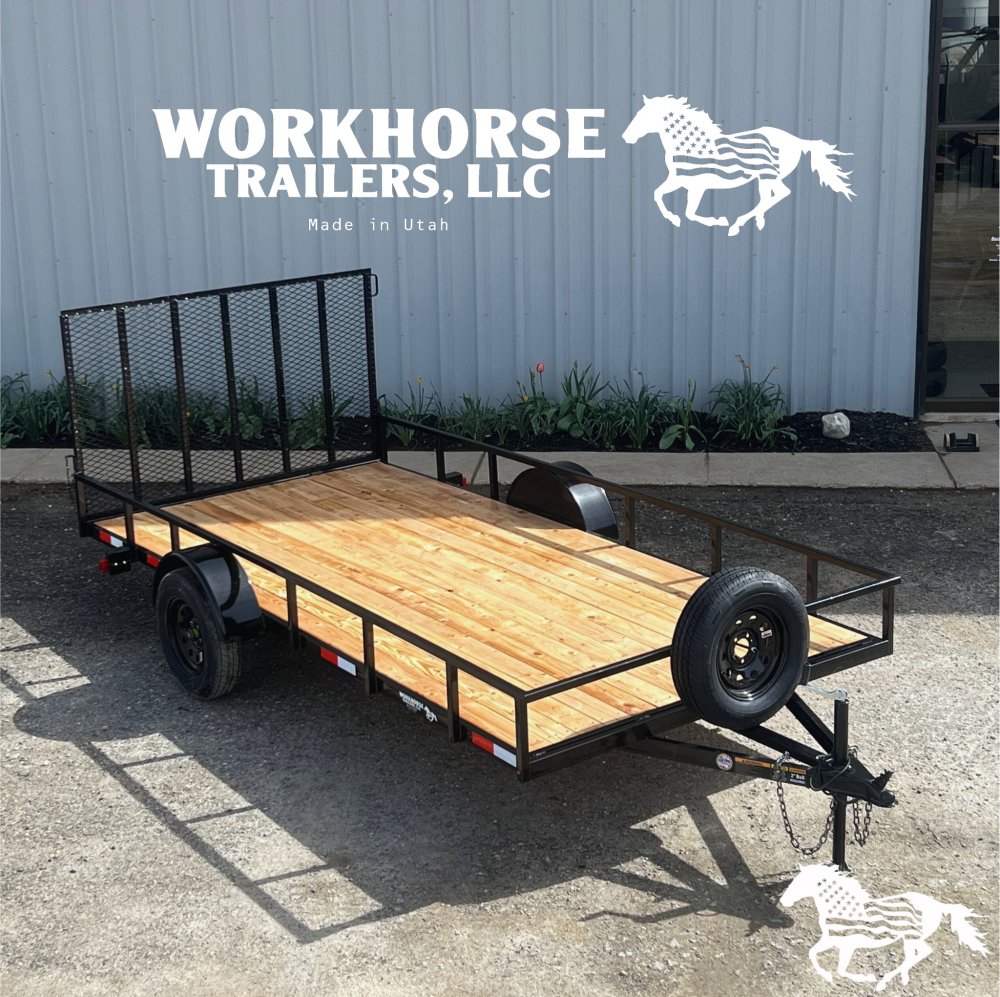
Sandy Tilt Deck Trailers
All locationsLoading heavy machinery onto a traditional flatbed trailer often requires separate ramps, additional manpower, and a level of patience that busy professionals simply cannot afford. Tilt deck trailers solve that problem with an elegantly simple mechanism that allows the entire deck to angle toward the ground, creating a low-profile ramp for driving equipment on and off with ease. For buyers across Sandy, Utah, Workhorse Trailers LLC has become the go-to source for tilt deck trailers that combine smart engineering with the rugged durability this region demands.
How Tilt Deck Trailers Work
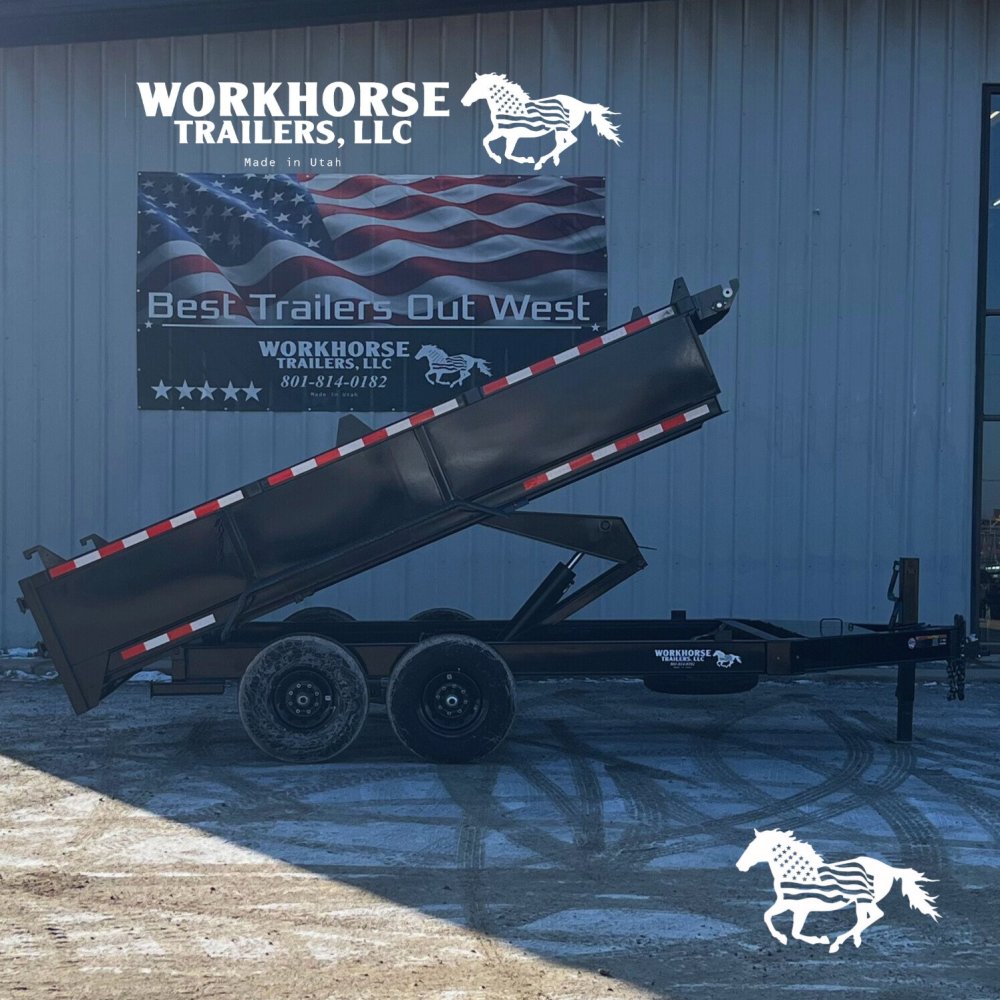
The operating principle behind a tilt deck trailer is straightforward, yet its impact on daily workflow is substantial. A hydraulic or gravity-activated pivot point near the front of the trailer allows the rear section of the deck to tilt downward until it meets the ground. Once the deck is lowered, operators can drive wheeled or tracked equipment directly onto the trailer bed without wrestling with detachable ramps or portable loading docks.
After the equipment is positioned and secured, the deck returns to its level hauling position either through hydraulic power or by shifting the weight of the load forward past the pivot point. The entire loading and unloading cycle takes a fraction of the time required with conventional ramp-based systems, which translates directly into labor savings and faster turnaround between jobs.
This tilt mechanism is particularly valuable for operators working alone. A single driver can load a compact excavator, skid steer, or scissor lift without needing a second person to manage ramps or guide the equipment into position. In a competitive market like Sandy where efficiency determines profitability, that kind of operational independence gives tilt deck trailer owners a measurable advantage.
Why Sandy Professionals Choose Tilt Deck Trailers
The economic landscape of Sandy, Utah reflects a community in motion. Residential neighborhoods continue to expand southward along the bench, commercial projects dot State Street and the 90th South corridor, and infrastructure improvements keep pace with population growth throughout the region. Each of these developments generates demand for equipment transport, and tilt deck trailers have emerged as the preferred solution for professionals navigating this busy environment.
Construction and Excavation
General contractors and excavation companies represent the largest segment of tilt deck trailer buyers in the Sandy area. These professionals move mini excavators, compact track loaders, plate compactors, and trenchers between residential and commercial job sites on a daily basis. The low loading angle of a tilted deck is gentler on rubber tracks and tires compared to steep ramp inclines, which helps preserve expensive undercarriage components over thousands of loading cycles. Job sites in Sandy's hillside neighborhoods often present tight quarters where setting up separate ramps would be impractical, making the self-contained loading system of a tilt deck trailer especially appealing.
Landscaping and Grounds Maintenance
Sandy's commitment to well-maintained public spaces and the pride homeowners take in their properties keep landscaping companies busy throughout the growing season and beyond. These crews transport zero-turn mowers, stump grinders, aerators, and utility vehicles from one property to the next, sometimes completing a dozen stops in a single day. Speed of loading and unloading directly affects how many jobs a crew can handle, and tilt deck trailers eliminate the bottleneck that traditional ramps create. The smooth transition from ground level to deck height also reduces the risk of mower blades catching on ramp edges or equipment tipping sideways during the loading process.
Property Management and Facility Services
Property management companies overseeing apartment complexes, office parks, and retail centers along the Wasatch Front frequently need to relocate maintenance equipment between locations. Tilt deck trailers accommodate a wide range of machinery, from floor scrubbers and small forklifts to portable generators and pressure washers. The ability to load and unload without specialized equipment means property managers can deploy resources quickly in response to emergencies like storm damage or plumbing failures.
Hobbyists and Personal Use
Not every tilt deck trailer in Sandy serves a commercial purpose. Enthusiasts who restore classic cars, build custom off-road vehicles, or participate in motorsports appreciate the gentle loading angle for transporting vehicles with low ground clearance. A slammed hot rod or a race car with minimal suspension travel can roll onto a tilted deck without scraping body panels or exhaust components, something that steep ramps make nearly impossible.
Tilt Deck Trailer Configurations at Workhorse Trailers LLC
Workhorse Trailers LLC stocks tilt deck trailers in multiple configurations to address the specific requirements of different industries and applications. Understanding the distinctions between these options helps Sandy buyers select the model that best fits their operation.
Full Tilt Trailers
On a full tilt trailer, the entire deck surface from front to back pivots at the tilt point. This design maximizes the usable loading area and works well for single large pieces of equipment that need an unobstructed path from ground level to the secured hauling position. Full tilt models are popular among operators who primarily transport one machine at a time, such as a single excavator or a large riding mower.
Partial Tilt Trailers
Partial tilt trailers, sometimes called split deck or stationary front models, feature a fixed platform at the front of the trailer with only the rear portion capable of tilting. The stationary section provides a stable area for securing toolboxes, fuel cans, or smaller items that might shift during the tilt cycle. This configuration appeals to contractors who carry supplementary gear alongside their primary equipment load. The fixed front deck also serves as a solid reference point during loading, making it easier to gauge equipment placement on the tilting section.
Hydraulic Versus Gravity Tilt
The mechanism that controls the tilt action is another important distinction. Hydraulic tilt systems use a powered cylinder connected to the tow vehicle's electrical system to raise and lower the deck with the push of a button. This provides precise control over the tilt angle and speed, which is beneficial when handling especially heavy or delicate loads.
Gravity tilt systems rely on the balance point of the deck itself. When the trailer is unloaded and the latch is released, the weight of the rear deck section causes it to tilt downward naturally. Once the equipment drives forward past the balance point, its weight brings the deck back to level. Gravity systems involve fewer mechanical components, which means lower purchase cost and reduced maintenance requirements. For many Sandy buyers hauling standard construction equipment, a gravity tilt system offers all the functionality they need without the added complexity of hydraulic lines and power units.
Key Features to Evaluate Before Buying
Purchasing a tilt deck trailer involves more than selecting the right size. Several features and specifications influence how well the trailer performs over years of demanding use in the Sandy area.
Weight Capacity and Deck Dimensions
Every tilt deck trailer carries a gross vehicle weight rating that establishes the upper limit of what it can safely haul. Buyers should calculate the combined weight of their heaviest equipment load plus any tools and accessories they routinely carry, then choose a trailer with a GVWR that provides a comfortable margin above that number. Deck length matters as well. A trailer that barely accommodates the equipment with inches to spare leaves no room for error during loading and makes it difficult to secure the load properly with straps or chains.
Deck Material and Surface Treatment
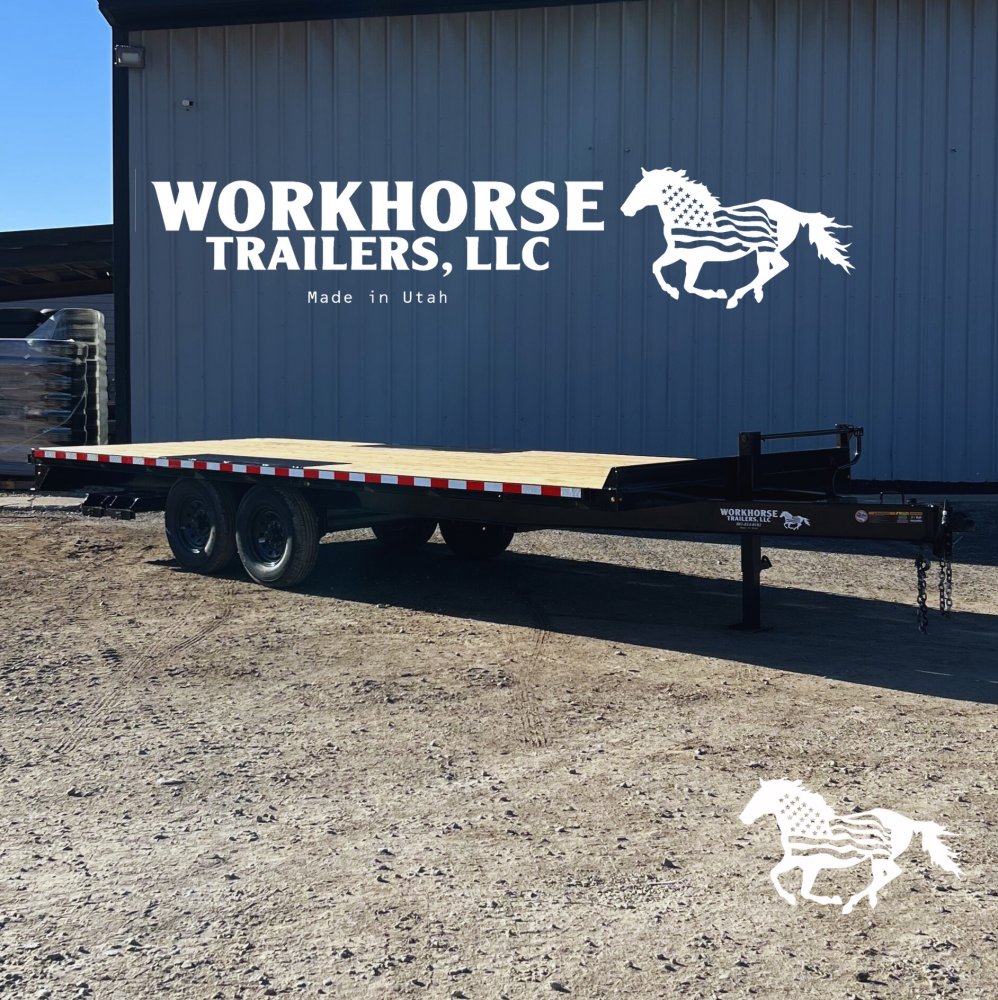
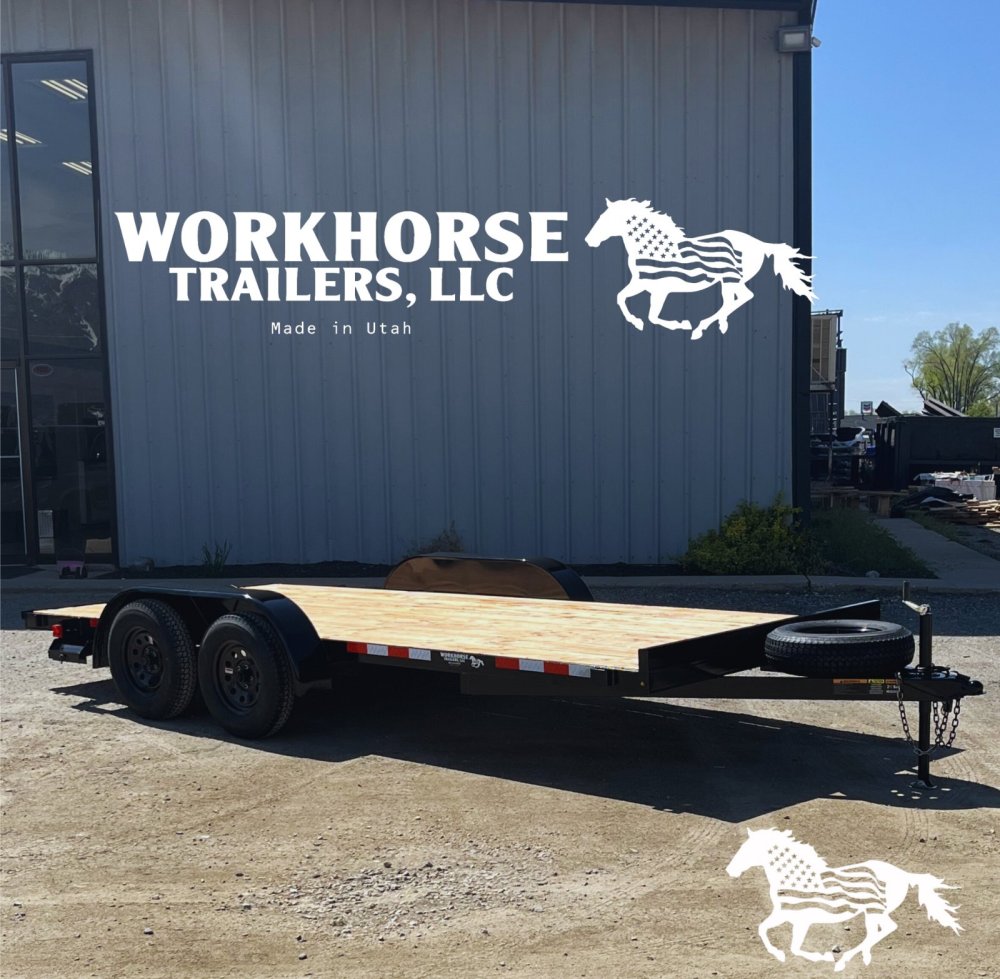
Steel decks with a diamond plate or expanded metal surface provide excellent traction for wheeled and tracked equipment. Some models use treated wood decking, which offers a natural grip and is easier to replace in sections if individual boards become damaged. The choice between steel and wood often comes down to personal preference and the type of equipment being hauled. Workhorse Trailers LLC can walk Sandy customers through the pros and cons of each option based on their intended use.
Frame Construction and Welding Quality
The frame is the structural backbone of any trailer, and tilt deck models endure additional stress at the pivot point during every loading cycle. Look for trailers built with high-strength I-beam or channel iron frames and full-penetration welds at critical junctions. Inferior welding or lightweight frame members may hold up initially but develop cracks and fatigue failures under repeated heavy use. Workhorse Trailers LLC sources from manufacturers whose construction standards meet the expectations of professional operators who put their trailers to work every day.
Tie-Down Points and Winch Options
Properly securing equipment on the deck prevents shifting during transport, which protects both the load and other vehicles on the road. D-rings welded to the frame at regular intervals along both sides and corners of the deck give operators multiple anchor points for chains, ratchet straps, or binders. Some tilt deck trailers come equipped with a front-mounted winch that can pull non-running equipment onto the deck, a valuable feature for towing companies and shops that handle disabled machinery.
Caring for Your Tilt Deck Trailer in the Utah Climate
Sandy experiences the full range of Utah's seasonal extremes. Summer temperatures regularly push into the upper 90s, winter brings freezing conditions and persistent road treatments, and the transition seasons deliver wind, rain, and rapid temperature swings. Each of these conditions affects trailer components in specific ways, and a consistent maintenance routine keeps your tilt deck trailer performing reliably throughout the year.
The pivot mechanism demands particular attention. Whether your trailer uses hydraulic cylinders or a gravity-based system, the pivot pins, bushings, and hinge plates accumulate dirt, grit, and moisture with every use. Cleaning these components regularly and applying fresh grease prevents binding, uneven wear, and corrosion that can eventually compromise the smooth tilt action you depend on. Hydraulic systems also require periodic fluid checks and hose inspections to catch leaks before they lead to a failure at the worst possible moment.
Utah's liberal use of road deicing chemicals during winter months poses a serious threat to exposed steel surfaces. Washing the entire underside of the trailer after driving on treated roads removes salt and chemical residue that would otherwise eat into the frame, axles, and fastener hardware over time. A protective coating of rust-preventive spray applied at the beginning of winter adds a barrier between the steel and the corrosive agents it encounters daily.
Electrical connections for brake lights, turn signals, and breakaway switches should be inspected before every trip. Corroded terminals and damaged wiring are common culprits behind lighting failures that can result in traffic citations or, more importantly, accidents on busy Sandy roads like State Street, 700 East, or the I-15 on-ramps.
Tire condition and pressure checks round out the essential pre-trip routine. Uneven wear patterns may indicate alignment issues with the axle, while sidewall cracking suggests the tires have been degraded by prolonged UV exposure. Replacing tires proactively rather than waiting for a blowout on the highway protects your equipment, your schedule, and other drivers sharing the road.
Workhorse Trailers LLC Serves the Greater Sandy Area
Customers from across the southern Salt Lake Valley visit Workhorse Trailers LLC to explore tilt deck trailer options firsthand. Buyers from Cottonwood Heights, Holladay, Taylorsville, West Jordan, and the communities stretching south toward Lehi and American Fork make the trip because they know the selection and service justify the drive.
Shopping forSandy Tilt Deck Trailers at Workhorse Trailers LLC means working with a team that understands the practical realities of hauling equipment in this part of the country. They have helped hundreds of customers match the right trailer to the right job, and they stand behind every transaction with ongoing support and honest guidance.
The staff encourages prospective buyers to bring specific questions about their hauling needs, the vehicles they plan to tow with, and the type of equipment they transport most often. That information allows them to narrow the options quickly and focus the conversation on trailers that genuinely fit the customer's operation rather than overwhelming them with choices that do not apply.
Making the Investment Count
A tilt deck trailer is a tool that should pay for itself through improved efficiency and reduced labor costs. Every minute saved during loading and unloading compounds over weeks and months of daily use, adding up to hours of recovered productivity that directly benefit the bottom line. For Sandy professionals who move equipment as a core part of their business, the return on investment from a quality tilt deck trailer becomes apparent almost immediately.
Workhorse Trailers LLC invites anyone in the Sandy area who is considering a tilt deck trailer to visit the lot, inspect the inventory, and have a candid conversation about what they need. There is no substitute for seeing the build quality up close, testing the tilt mechanism, and verifying that the specifications align with your real-world requirements. With a focus on durable products, informed customer service, and fair pricing, Workhorse Trailers LLC continues to earn its place as the leading trailer dealer for Sandy, Utah and the communities that surround it.