
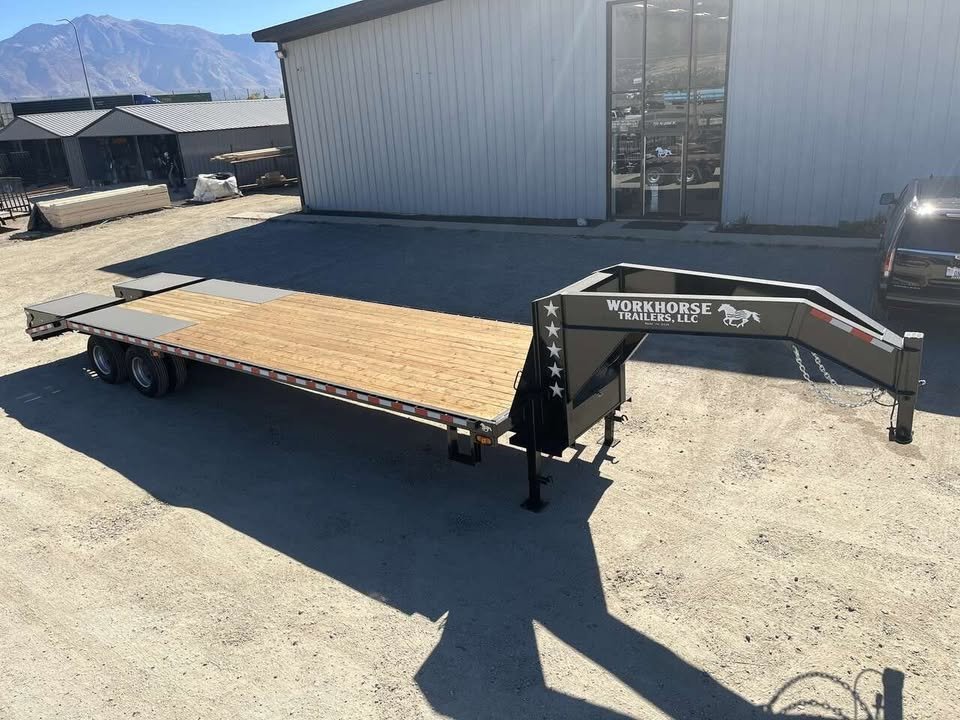
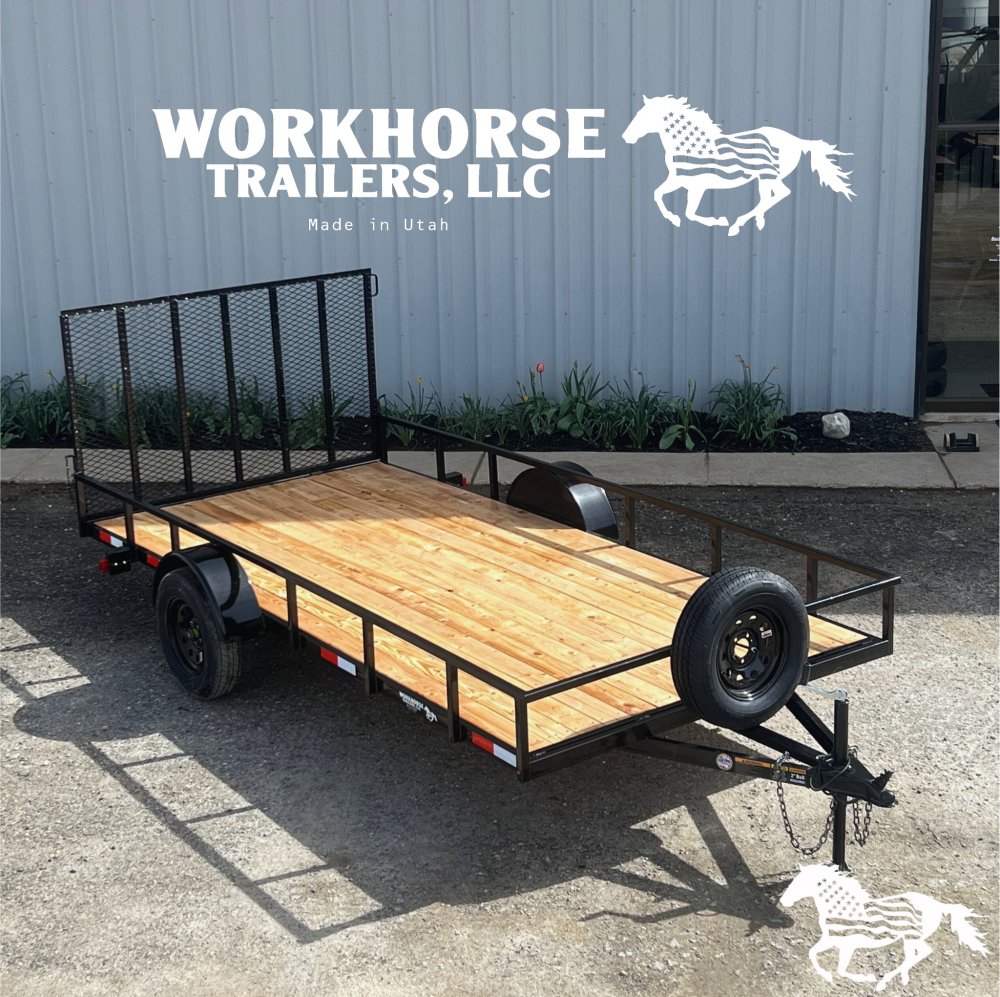
Sandy Equipment Hauler Trailers
All locationsSandy's unique character as an affluent suburban community with extensive property holdings, thriving small businesses, and proximity to outdoor recreation creates specialized equipment hauling demands that standard utility trailers cannot adequately address. The city's concentration of larger estate properties, mature commercial districts, and outdoor industry businesses generates regular machinery movement requirements exceeding what lightweight trailers safely handle. Equipment hauler trailers engineered specifically for heavy machinery transport provide the structural capacity, specialized features, and dependability that Sandy's demanding applications require.
The prosperity evident throughout Sandy's residential neighborhoods translates to substantial property maintenance operations, ambitious home improvement projects, and outdoor living space development that all depend on specialized equipment. From estate landscaping requiring commercial-grade machinery to basement finishing projects demanding concrete equipment and luxury home construction involving heavy materials handling, Sandy's property owners regularly deploy equipment that demands proper hauling solutions. This affluence-driven equipment intensity creates ideal conditions for equipment hauler trailer ownership, transforming what occasional users might rent into frequently utilized assets justifying purchase investments.
Estate Property and Luxury Home Maintenance
Large residential properties throughout Sandy's established neighborhoods often exceed half-acre lots requiring commercial-grade maintenance equipment. Affluent homeowners invest in professional-quality zero-turn mowers, stand-on aerators, commercial trimmers, and specialized lawn care machinery maintaining pristine properties. The substantial equipment investments ranging from $10,000 to $30,000 per machine demand proper hauling solutions protecting these assets during transport to service facilities or between properties for homeowners maintaining multiple residences.
Landscape renovation projects undertaken on Sandy's premium properties involve moving specialized equipment including mini excavators for water feature installation, compact track loaders for hardscaping, and power buggies for decorative concrete placement. These ambitious outdoor living projects transform backyards into resort-style retreats with elaborate features demanding machinery that homeowners typically rent for project durations. Equipment haulers facilitate retrieving rental machinery and returning it upon completion, enabling ambitious projects that define Sandy's luxury property market.
Pool installation and maintenance operations serving Sandy's numerous backyard pools utilize equipment haulers transporting excavation machinery, gunite sprayers, and specialized pool construction equipment. The combination of established neighborhoods with mature landscaping and homeowner preferences for backyard amenities creates sustained pool industry activity. Contractors specializing in pool construction and renovation depend on equipment haulers moving machinery between projects scattered throughout Sandy's residential districts.
Technology Sector Equipment Needs
Data center support operations serving Sandy's growing technology sector utilize equipment haulers transporting specialized cooling equipment, power distribution units, and infrastructure components. The precision and value of data center equipment demands careful handling during transport with equipment haulers providing stable platforms preventing shock damage to sensitive electronics. When evaluatingSandy Equipment Hauler Trailers, technology sector operations prioritize features including tie-down systems preventing movement and deck surfaces minimizing vibration transmission.
Server relocation services moving computing equipment between facilities require trailers accommodating rack-mounted servers, network equipment, and environmental control systems. The delicate nature of enterprise computing hardware demands smooth transport preventing jarring impacts that could damage circuit boards or mechanical components. Equipment haulers with torsion axle suspension or air ride systems provide the ride quality that technology equipment transport demands.
Technology company moves consolidating offices or expanding into new facilities involve substantial equipment transport including workstations, testing equipment, and specialized manufacturing tools. Sandy's tech sector encompasses software development, hardware manufacturing, and technology services all requiring periodic equipment mobilization. Owned equipment haulers provide the flexibility and availability that technology companies need when facing tight project deadlines.
Outdoor Recreation Industry Support
Ski resort equipment transport during off-season maintenance moves snowmaking equipment, grooming machines, and lift components between mountain facilities and valley service centers. Sandy's proximity to major ski resorts creates year-round outdoor recreation industry activity including summer maintenance operations. Specialized equipment haulers handle the unique dimensions and weights that ski industry machinery presents including wide snowcats and heavy snowmaking apparatus.
Bike shop inventory and demonstration equipment hauling serves Sandy's robust cycling culture through transport of multiple high-end bicycles, demo fleets, and event support equipment. Mobile bike shops attending events, group rides, and community activities depend on equipment haulers organizing substantial inventory and repair equipment. The valuable bicycle inventory often exceeding $50,000 in total value demands secure transport and organized presentation.
Outdoor guide services outfit operations transporting rafts, kayaks, climbing equipment, and camping supplies to trailheads and recreation areas throughout the Wasatch region. Sandy-based adventure companies serve clients seeking guided experiences requiring substantial gear mobilization. Equipment haulers configured with appropriate racks and storage systems organize diverse outdoor equipment supporting multi-activity guide operations.
Residential Construction and Remodeling Equipment
Basement finishing operations prevalent throughout Sandy's established neighborhoods utilize equipment haulers moving concrete saws, surface grinders, dehumidifiers, and specialized tools. The mature housing stock means many homes undergo basement conversions adding living space and home value. Contractors specializing in basement finishing depend on equipment haulers transporting machinery between active project sites scattered across Sandy's residential areas.
Kitchen and bathroom remodeling projects generate equipment transport needs including tile saws, demolition equipment, and specialized installation tools. Sandy's affluent homeowners regularly update luxury homes with premium finishes requiring professional-grade equipment. Remodeling contractors serving this upscale market maintain extensive tool inventories that equipment haulers organize and protect during transport.
Flooring installation specialists haul commercial sanders, floor nailers, moisture mitigation equipment, and hardwood refinishing machinery to residential projects. The trend toward luxury vinyl plank, engineered hardwood, and exotic flooring materials demands specialized installation equipment. Professional installers appreciate equipment haulers preventing tool theft while maintaining organized layouts supporting efficient job site operations.
Commercial Property Maintenance Operations
Retail center maintenance serving Sandy's substantial commercial corridors requires transporting power sweepers, pressure washers, landscaping equipment, and snow removal machinery. Property management companies maintaining shopping centers and office complexes deploy substantial equipment fleets serving multiple properties. Equipment haulers allow efficient machinery rotation between properties optimizing equipment utilization across property portfolios.
Office building infrastructure maintenance involves moving specialized HVAC service equipment, building automation tools, and emergency backup systems. Commercial building operations demand equipment availability ensuring tenant comfort and business continuity. Maintenance contractors serving commercial property owners depend on equipment haulers providing reliable machinery transport supporting service agreements and emergency response obligations.
Parking lot and pavement maintenance operations utilize equipment haulers transporting crack sealing equipment, line striping machines, and asphalt repair tools. Sandy's extensive commercial development includes substantial paved surfaces requiring ongoing maintenance. Specialized contractors serving property owners and management companies need equipment haulers accommodating the unusual dimensions and weights that pavement equipment presents.
Small Equipment Rental Business Models
Contractor equipment rental operations base business models on efficient machinery circulation between yard inventory and customer job sites. Equipment haulers provide the backbone of rental logistics, moving machines from yards to delivery addresses then retrieving equipment upon rental completion. The economic viability of rental businesses depends on minimizing non-revenue time, making reliable equipment haulers essential business infrastructure.
Homeowner rental programs serving DIY enthusiasts require frequent equipment movement for short-term rentals. Weekend warriors tackling ambitious projects rent specialized equipment for brief periods creating concentrated pickup and delivery demands. Equipment haulers configured for rapid loading cycles and multiple daily trips support the high-frequency circulation that homeowner rental programs demand.
Event equipment rental including tent installation machinery, staging equipment, and portable infrastructure serves Sandy's active event calendar. Wedding venues, corporate events, and community gatherings require substantial equipment deployment that rental companies provide. Equipment haulers transport setup machinery, generators, and specialized event infrastructure to venues throughout the region.
Deck Construction and Material Specifications
Reinforced deck construction using thicker treated lumber and closer joist spacing handles concentrated equipment loads that standard utility trailer decks cannot withstand. Mini excavators, compact loaders, and heavy machinery concentrate substantial weight on small footprints including stabilizer pads and tracks. Equipment hauler decks engineered for these point loads prevent surface failure and structural damage that lighter construction would suffer.
Steel deck options providing maximum durability serve contractors facing abrasive materials and harsh equipment contact. Diamond plate or expanded metal surfaces maintain integrity through years of demanding service where wood decks would require frequent board replacement. The weight penalty of steel decking reduces payload capacity but proves economical for operations where deck longevity outweighs capacity considerations.
Composite decking materials engineered for equipment hauler applications combine impact resistance with moisture immunity and minimal maintenance requirements. These advanced surfaces never rot, resist most chemicals, and maintain properties through temperature extremes. The premium investment recovers through extended replacement intervals and eliminated ongoing deck maintenance requirements.
Ramp System Engineering and Safety
Bi-fold ramp configurations extending total ramp length while maintaining reasonable storage dimensions create gentler approach angles for loading heavy equipment. The center hinge allows ramps folding for compact storage while deployed lengths reduce loading stress on machinery with limited traction or ground clearance challenges. Hydraulic assist cylinders ease ramp deployment and stowing for single-person operation.
Slide-in ramp designs storing within frame channels create clean profiles during highway transport without external protrusions. Spring-assisted deployment mechanisms reduce manual effort while positive locking systems secure ramps during loading operations. The integrated storage prevents ramp loss or theft while maintaining aerodynamic efficiency during towing.
Hydraulic dovetail systems eliminate separate ramps entirely through powered deck sections lowering to create ground-level loading surfaces. This sophisticated approach accommodates extremely low-clearance equipment while enabling single-person operation through remote-controlled hydraulics. The substantial cost premium justifies itself for operations frequently loading challenging equipment or prioritizing maximum loading efficiency.
Axle Rating Selection Strategy
Dual-axle equipment haulers provide optimal capacity-to-cost ratios for most Sandy applications. Weight ratings typically spanning 10,000 to 14,000 pounds handle substantial equipment loads including compact excavators, skid steers, and commercial landscaping machinery. The tandem configuration offers redundancy allowing limited travel following single tire failures preventing complete roadside immobilization from minor mechanical issues.
Triple-axle configurations extending capacity to 16,000 pounds and beyond accommodate larger construction equipment and multiple machinery loads. The additional axle distributes weight across more tires reducing individual tire stress while improving legal compliance with weight distribution regulations. However, the third axle creates tighter turning requirements and increases ongoing tire costs requiring justification through genuine heavy-capacity needs.
Torsion versus leaf spring suspension selection affects both ride quality and maintenance requirements. Torsion axles provide superior load cushioning protecting transported equipment from road shock while eliminating greasing requirements. Leaf spring alternatives cost less initially and allow easier field repairs though requiring periodic bushing replacement and lubrication maintaining reliable operation.
Winch Capability and Load Assistance
Electric winch installations rated substantially above anticipated equipment weights ensure adequate pulling capacity accounting for friction, grade resistance, and safety margins. Quality 9,000 to 12,000 pound capacity winches handle most equipment hauler applications including loading disabled machinery or equipment with mechanical issues preventing self-loading. Professional installations incorporate proper cable routing, fairleads, and mounting reinforcement ensuring reliable long-term operation.
Wireless remote operation enables operators monitoring equipment alignment and deck clearances during winching from positions providing comprehensive visibility. The ability to walk alongside equipment during loading allows real-time adjustments preventing deck edge contact or clearance issues. This operational freedom improves loading safety while preventing damage that operators unable to observe complete processes might inadvertently cause.
Synthetic rope alternatives to traditional steel cable reduce weight, eliminate sharp wire hazards, and provide handling advantages during frequent use. The advanced materials prove particularly valuable for operations where winch systems see regular deployment rather than serving as emergency-only backup. However, synthetic ropes require protection from heat sources and careful inspection for abrasion damage affecting strength.
Brake System Specifications and Performance
Electric-over-hydraulic brake systems combining electrical actuation with hydraulic force multiplication provide stopping power matching heavy equipment hauler weights. These sophisticated systems deliver progressive, powerful braking suitable for maximum capacity loads and mountain terrain operation common around Sandy. Professional-grade brake controllers feature enhanced capacity and control algorithms ensuring optimal performance across varying load conditions.
Brake adjustment procedures maintaining proper clearances as components wear ensure consistent stopping performance. Self-adjusting mechanisms simplify maintenance though periodic verification confirms automatic systems function correctly. Operations experiencing intensive daily use should establish inspection routines at appropriate intervals catching developing problems before they compromise safety or trigger expensive emergency repairs.
Breakaway system testing verifies emergency activation functions correctly if trailer separation occurs. The battery-powered backup engages when safety cables pull free, bringing detached trailers to controlled stops. Annual testing and battery replacement ensures this critical safety feature operates reliably during the rare occasions when it becomes essential preventing catastrophic runaway trailer incidents.
Tie-Down Point Engineering and Load Securing
Recessed E-track systems flush-mounted into deck surfaces provide infinitely adjustable anchor positioning while maintaining level deck surfaces. The flexibility accommodates equipment with varying dimensions and attachment point locations without securing compromises from fixed D-ring positions. Quality E-track rated for appropriate working loads ensures secure attachment withstanding dynamic forces during highway travel and emergency maneuvers.
Multiple securing points distributed around equipment perimeters create comprehensive restraint preventing movement in any direction. Equipment hauler operators should employ four-point minimum restraint with additional securing for tall or unstable loads. The combination of forward, rear, and lateral restraint prevents shifting that could damage equipment or destabilize trailers during transport.
Chain grade verification ensures securing equipment meets strength requirements for heavy machinery restraint. Grade 70 transport chain represents minimum standards for serious equipment hauling applications with clearly marked working load limits. Using appropriately rated chain, binders, and attachment hardware prevents securing system failures that could allow catastrophic load shifts during transport.
Frame Reinforcement at Critical Locations
Gusset plate installation at axle mounting points distributes concentrated loads across larger frame areas preventing stress cracks. The triangular reinforcements create strong joints resisting the substantial forces that axle assemblies transmit during loaded operation over rough surfaces. Quality fabrication employs proper welding procedures creating reinforcements that enhance rather than weaken frame structures.
Cross-member attachment using through-bolts rather than simple welding creates stronger connections while allowing replacement if damage occurs. The mechanical fastening distributes loads across larger areas compared to localized welds that can fail from fatigue. Professional designs incorporate both welding and bolting creating redundant load paths ensuring reliability.
Hitch connection reinforcement handles tongue weight loads and towing forces without excessive flex or eventual failure. Heavy-duty gussets, backing plates, and proper material selection create robust mounting points for couplers and safety chain attachments. The engineering attention prevents hitch failures that could cause complete trailer separation creating catastrophic accident scenarios.
Preventive Maintenance Program Development
Scheduled inspection routines based on operating hours and calendar intervals identify developing problems before they trigger breakdowns. Commercial equipment hauler operations should establish comprehensive inspection protocols examining frames, suspension, brakes, tires, and securing systems. The documented maintenance creates reliability while supporting warranty claims and demonstrating responsible ownership preserving resale values.
Lubrication schedules following manufacturer specifications maintain proper bearing, suspension component, and moving part operation. Automated lubrication systems on premium equipment haulers simplify maintenance while ensuring consistent proper lubrication. Operations lacking automated systems should establish manual greasing routines at appropriate intervals preventing premature wear from lubrication neglect.
Component replacement before complete failure prevents secondary damage and expensive emergency repairs. Tires showing age-related cracking, bearings with excessive play, or brakes with marginal performance should receive attention before catastrophic failures occur. The proactive approach reduces total ownership costs while improving safety and reliability.
Legal Compliance and Operating Requirements
Weight regulation understanding ensures equipment hauler operations remain within legal limits protecting infrastructure while maintaining safe handling. Gross vehicle weight ratings, individual axle limits, and bridge formula requirements govern maximum legal loads. Operators must calculate actual weights including empty trailer, loaded equipment, and tongue weight ensuring compliance across all applicable restrictions.
Commercial vehicle regulation awareness determines when activities trigger additional licensing or operating authority requirements. For-hire transport, interstate commerce, or exceeding specific weight thresholds may mandate commercial driver's licenses or operating permits. Understanding regulatory frameworks prevents violations while ensuring appropriate insurance coverage exists for actual operational patterns.
Safety equipment compliance including functional lighting, adequate braking, and proper securing systems maintains legal operating status. State inspections verify equipment meets minimum standards though responsible operators should exceed minimums ensuring safety margins. The investment in quality equipment and proper maintenance prevents citations while demonstrating professional operation standards.
Economic Analysis and Value Proposition
Ownership cost calculations including purchase price, insurance, maintenance, storage, and depreciation reveal true equipment hauler economics. The analysis should compare ownership against rental alternatives considering usage frequency and rate structures. Operations requiring equipment haulers more than several times monthly typically justify ownership through cumulative rental cost avoidance.
Productivity improvements through owned equipment eliminating rental coordination delays and availability constraints create operational value beyond simple cost comparisons. The ability to accept jobs on short notice, respond to equipment failures quickly, or pursue opportunities that rental dependencies might constrain generates revenue justifying ownership investments.
Resale value retention on quality equipment haulers from reputable manufacturers provides exit strategies when needs change. Well-maintained trailers with documented service histories find ready buyers in active used markets. The residual value recovery reduces true long-term ownership costs substantially below initial purchase prices making quality equipment economically sound investments.
Strategic Equipment Investment Decisions
Application-specific evaluation determines appropriate capacity, features, and configurations matching actual operational requirements. Contractors primarily hauling mini excavators need different specifications than landscaping operations moving commercial mowers or technology companies transporting sensitive electronics. Honest assessment prevents purchasing inadequate equipment or overpaying for excessive capability sitting unused.
Quality assessment examining construction details, component brands, and manufacturer reputation reveals long-term value beyond initial pricing. Frame construction quality, axle manufacturers, brake components, and finish durability separate premium products from budget alternatives that appear similar initially. The quality differences emerge through years of service as inferior equipment develops problems while premium models continue reliable operation.
Dealer relationship value including parts access, service capability, and technical support influences long-term ownership satisfaction. Established Sandy-area dealers provide convenient local service while their continued operation ensures future support availability. Building relationships with knowledgeable dealers creates resources valuable throughout equipment hauler ownership helping address questions, source accessories, and maintain equipment properly.