
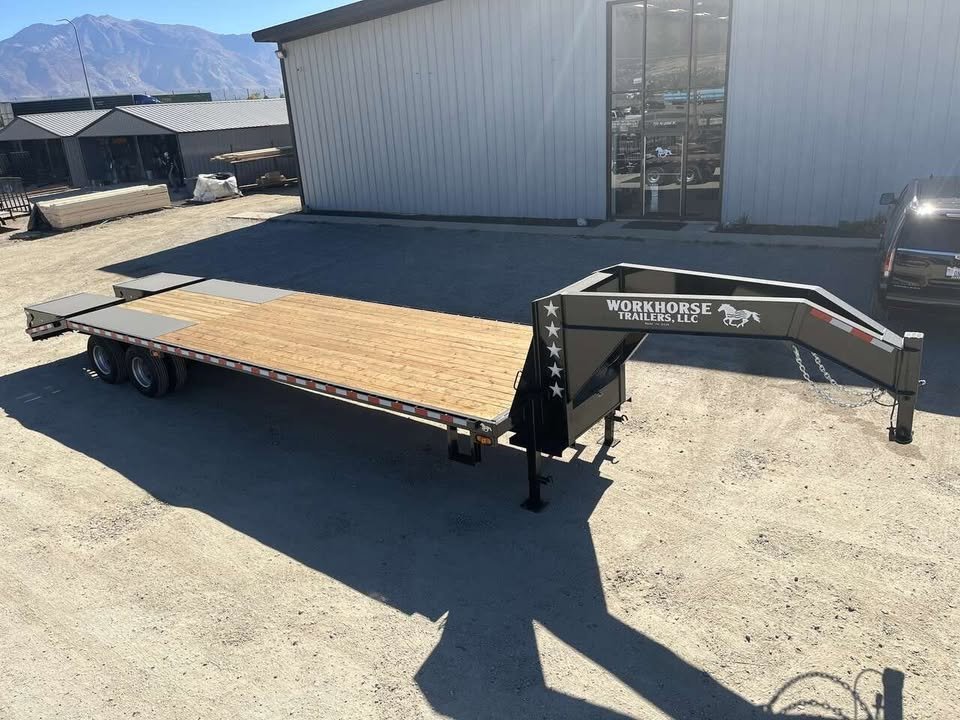
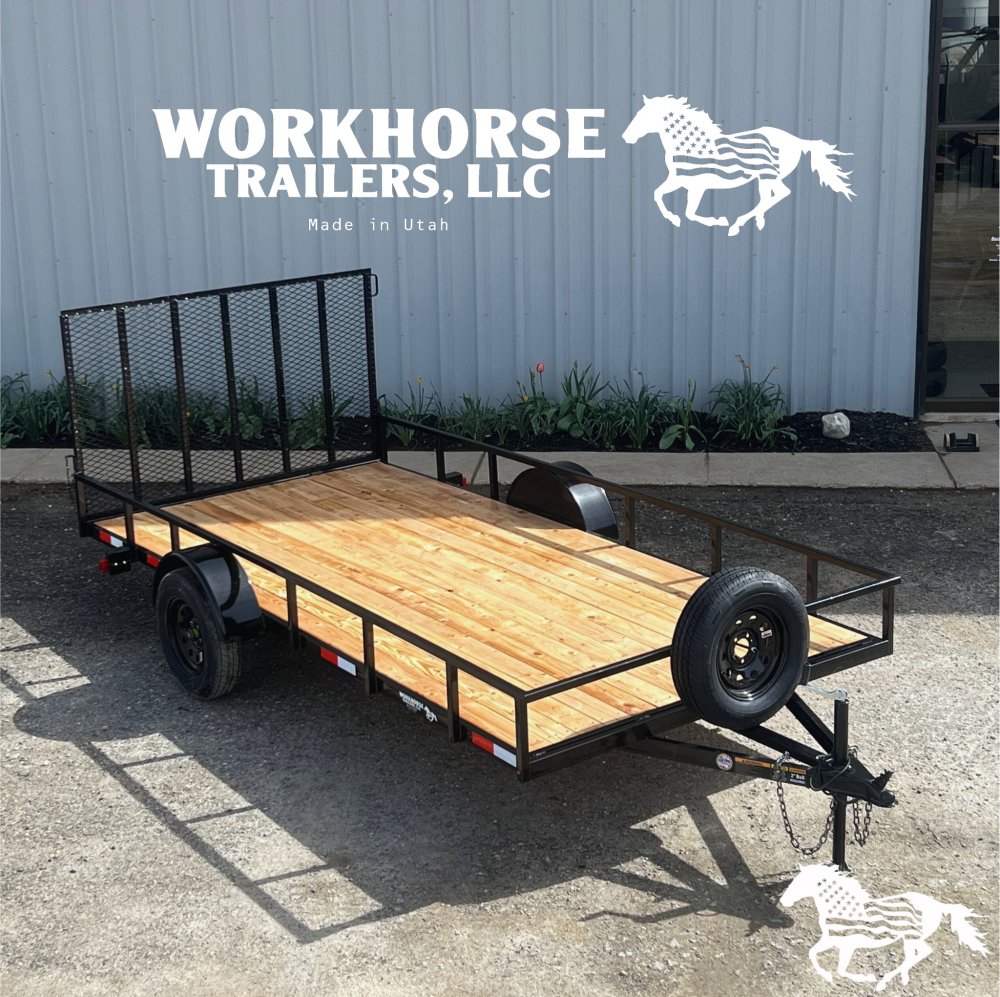
Sandy Car Hauler Trailers
All locationsSandy's distinctive position as an affluent suburban community with deep automotive enthusiasm creates robust demand for specialized car hauler trailers protecting valuable vehicle investments during transport. The city's concentration of luxury vehicles, performance cars, and classic automobiles reflects the prosperity and automotive passion characterizing many Sandy residents. From canyon-accessed weekend sports car drives to regional car show participation and high-end vehicle collecting, Sandy's automotive culture spans diverse interests all requiring safe, reliable vehicle transportation solutions that car hauler trailers uniquely provide.
The community's automotive diversity ranges from canyon-carving sports cars and luxury daily drivers to meticulously restored classics and purpose-built track machines. This variety creates nuanced transportation needs where one-size-fits-all approaches fail to adequately protect specific vehicle types. Understanding car hauler trailer options, appropriate features for different applications, and quality indicators empowers Sandy automotive enthusiasts and professionals to make equipment investments that safeguard their wheeled treasures throughout countless transportation cycles over years of ownership.
Open Car Hauler Practical Applications
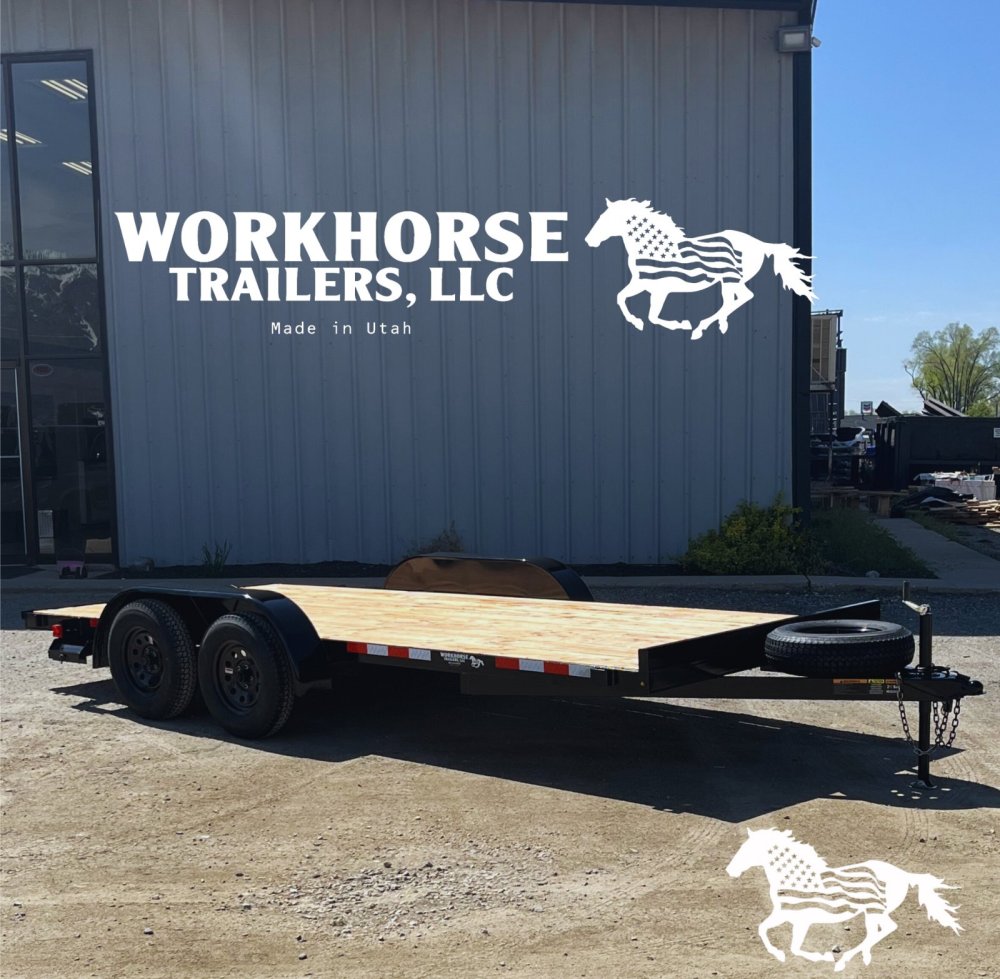
Cost-conscious vehicle transport utilizes open car hauler platforms for local moves, frequent short trips, and situations where weather protection proves unnecessary. Sandy residents relocating vehicles between local properties, transporting project cars to nearby shops, or hauling recreational vehicles to storage facilities often find open designs providing adequate functionality without enclosed trailer expense. The reduced initial investment and lower ongoing fuel consumption from decreased wind resistance make economic sense when weather exposure risks remain acceptable.
Visibility advantages during loading operations allow operators observing all vehicle corners and clearances from outside positions. The unobstructed sight lines simplify precise positioning preventing tires from rolling off deck edges or vehicles contacting trailer components. Solo operators particularly appreciate this comprehensive visibility impossible within enclosed trailers where limited lighting and restricted viewing angles complicate loading procedures.
Lightweight construction on open car haulers maximizes payload capacity within legal gross vehicle weight limits. A typical open hauler weighs 1,500 to 2,000 pounds less than comparable enclosed models, translating directly to additional vehicle weight capability. This advantage proves valuable when transporting heavy trucks, SUVs, or vehicles with substantial aftermarket modifications increasing curb weights beyond factory specifications.
Enclosed Car Hauler Premium Protection
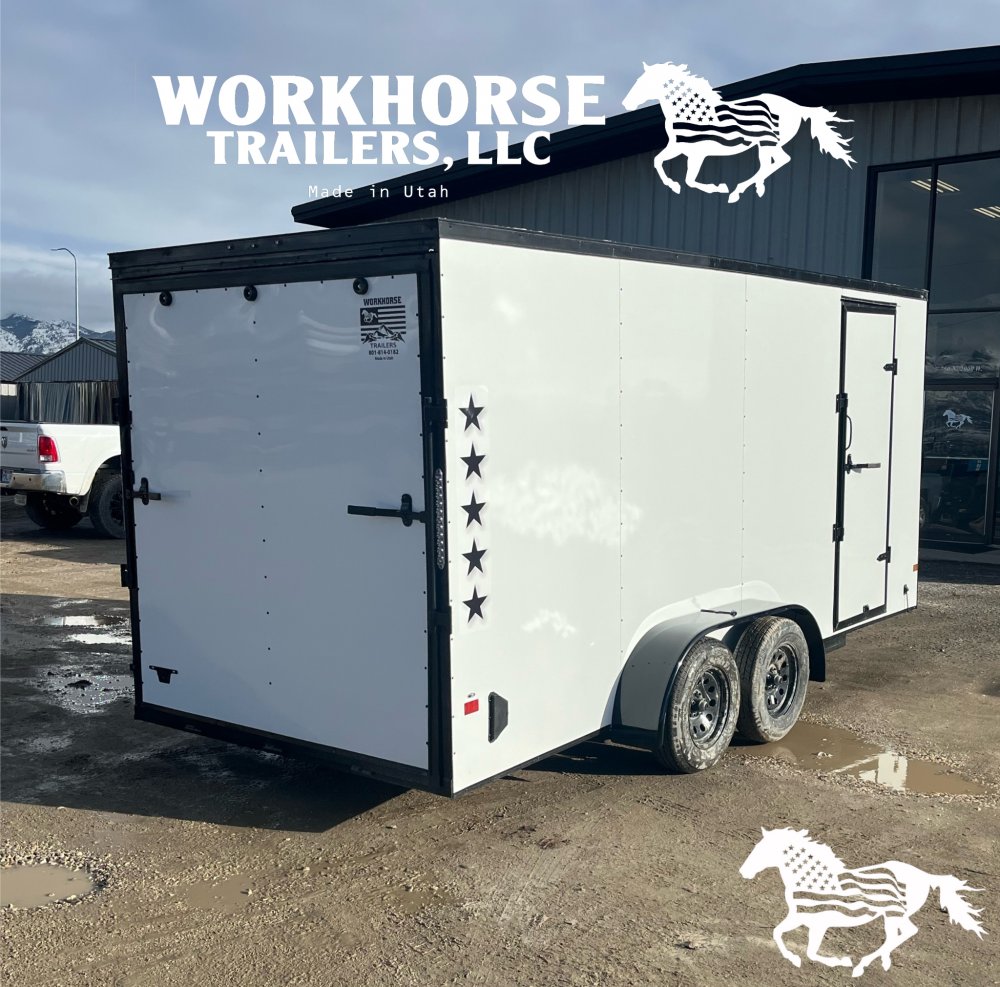
Complete weather sealing on enclosed car haulers shields transported vehicles from precipitation, road debris, temperature extremes, and ultraviolet radiation throughout journeys. Sandy collectors transporting show cars to regional exhibitions, concours events, or cross-country gatherings cannot risk water spots, finish contamination, or paint degradation that open transport invites. The investment in pristine paint finishes, detailed engine bays, and immaculate interiors demands enclosed protection preventing environmental exposure from diminishing presentation quality.
Security benefits extend beyond weather protection to preventing theft, vandalism, and unauthorized observation of valuable cargo. High-end vehicles common in Sandy's affluent neighborhoods attract unwanted attention when transported openly. Enclosed designs conceal contents from view while lockable doors create physical barriers deterring opportunistic theft during overnight stops, restaurant breaks, or any situation where loaded trailers sit momentarily unattended.
Climate stability within enclosed spaces moderates temperature fluctuations protecting vehicle interiors, mechanical components, and finish integrity. Summer heat beating on dark painted surfaces creates extreme temperatures potentially damaging dashboards, leather seats, and trim materials. Winter cold during mountain pass crossings affects fluid viscosities and battery performance. The enclosed environment provides passive temperature management even without active climate control systems.
Performance Vehicle and Track Car Transport
Track day participants throughout Sandy transport extensively modified sports cars, dedicated race machines, and high-performance vehicles to racetracks across the western United States. These vehicles often incorporate extreme modifications including lowered suspensions, aerodynamic components, racing slicks, and competition equipment that make street driving impractical or illegal. When researchingSandy Car Hauler Trailers, track enthusiasts prioritize loading systems accommodating low-clearance vehicles and secure tie-down provisions protecting expensive competition equipment investments.
Time attack and road racing competitors haul purpose-built machines to road courses requiring professional-grade equipment protecting substantial team investments. The combination of expensive vehicles, spare parts inventory, racing tires, and specialized tools demands enclosed haulers serving dual purposes as transport and mobile pit facilities. Interior buildouts incorporating tire racks, parts storage, and workbenches create self-sufficient operations at distant competition venues.
Autocross participants transport daily-driven sports cars that also see competition use requiring versatile haulers accommodating street-legal vehicles. While these machines retain registration and insurance allowing driving to events, serious competitors prefer trailer transport preserving vehicles for competition rather than accumulating highway miles. The flexibility to drive or haul based on event distance and circumstances appeals to participants balancing competition passion with practical vehicle usage.
Classic and Collector Vehicle Applications
Investment-grade automobiles representing substantial financial assets demand transport methods minimizing any damage exposure. Sandy's concentration of wealth supports significant classic car collecting, with garage collections often exceeding six-figure total values. Auction-bound vehicles, private sale relocations, and museum display transfers involve automobiles whose values could diminish thousands from single transport incidents. The absolute protection that enclosed car haulers provide proves economically rational through eliminated risk exposure.
Restoration project progression involves moving vehicles between specialized facilities performing distinct restoration phases. Frame-off restorations cycle through sandblasting shops, body specialists, paint facilities, chrome platers, upholstery experts, and mechanical rebuilders. Each transition presents damage risks that proper enclosed transport eliminates. The investment in quality hauling equipment pales compared to restoration costs often exceeding $100,000 for concours-quality results.
Concours preparation and event participation requires pristine vehicle presentation where single scratches or contaminants disqualify entries from top awards. Competitors investing years and substantial resources achieving perfection cannot accept any transport method risking their efforts. Enclosed car haulers with climate control, soft tie-down systems, and immaculate interiors provide the white-glove treatment that concours-level vehicles demand.
Luxury and Exotic Vehicle Dealer Operations
High-end dealerships throughout Sandy's commercial districts utilize enclosed car haulers for inventory acquisition, customer delivery, and transfers between dealer locations within corporate groups. Luxury brands including Mercedes-Benz, BMW, Audi, and Lexus demand delivery standards matching their premium positioning. Vehicles arriving at customer homes on open trailers contradict the luxury experience that premium pricing promises.
Exotic vehicle specialists handling Porsche, Ferrari, Lamborghini, and other ultra-premium marques consider enclosed transport non-negotiable. The six-figure price tags and discerning customer expectations mean any transport shortcuts undermine brand positioning. Professional enclosed haulers become marketing tools demonstrating commitment to excellence that justifies premium pricing and attracts affluent clientele.
Certified pre-owned programs requiring vehicles meeting strict condition standards employ enclosed transport protecting reconditioning investments. Vehicles undergoing mechanical service, cosmetic reconditioning, and detailing before certification must arrive at customers exactly as prepared. Any transport damage creates expensive corrections and delivery delays that proper equipment prevents entirely.
Individual Collector and Enthusiast Needs
Multi-car garage collections common in Sandy's upscale neighborhoods generate periodic transportation needs as vehicles cycle between storage, service, events, and recreational use. Collectors maintaining five to ten vehicle collections require moving specific automobiles seasonally or rotating display vehicles in limited garage spaces. Owned car haulers provide transportation independence without coordinating professional transport services or accepting their schedules and costs.
Automotive investment diversification treating vehicles as alternative assets creates buying and selling activity requiring reliable transport. Collectors purchasing vehicles at distant auctions or selling to out-of-state buyers need transportation solutions maintaining vehicle condition during these transactions. The ability to personally control transport timing and handling standards proves valuable when five-figure to six-figure sums hang in the balance.
Father-son project vehicles and family automotive traditions involve transporting cars to shows, cruise nights, and events creating memories spanning generations. The emotional value of these shared automotive experiences often exceeds vehicles' financial worth. Proper enclosed transport protecting these special automobiles demonstrates respect for the memories and relationships that vehicles represent beyond mere transportation appliances.
Capacity Configuration Decisions
Single-car enclosed trailers optimized for individual vehicle transport provide economical solutions for enthusiasts and small operations moving one automobile at a time. These focused designs eliminate excess dimensions reducing costs and improving maneuverability compared to larger alternatives. Sandy collectors maintaining personal vehicles and small specialty dealers find single-car capacity adequate without paying for unused multi-vehicle capability creating storage and towing challenges.
Stacker trailers incorporating lift systems positioning upper decks above lower vehicles maximize capacity within length restrictions. These sophisticated designs allow transporting two vehicles in vertical arrangement, valuable for dealers and transporters moving multiple cars regularly. The mechanical complexity and substantial cost limit stacker trailers to commercial operations where utilization rates justify the investment through operational efficiency.
Custom configurations addressing specific needs including combined car and motorcycle transport, vehicles with trailers, or equipment hauling alongside automobiles serve specialized requirements. Sandy's diverse recreational interests mean some enthusiasts transport cars plus motorcycles, watercraft, or camping equipment to distant destinations. Custom-built haulers accommodate these unique combinations that standard designs cannot serve adequately.
Deck Height and Loading Methodology
Standard deck heights on car haulers position approximately 18 to 24 inches above ground creating reasonable balance between loading convenience and structural efficiency. This moderate elevation accommodates conventional vehicles without special ground clearance considerations. The height allows most street cars loading without difficulty while maintaining lower centers of gravity improving towing stability compared to taller alternatives.
Low-profile designs specifically address challenges posed by lowered vehicles, performance cars, and custom builds featuring minimal ground clearance. Reduced deck heights around 12 to 16 inches create gentler ramp transitions preventing front splitter contact, exhaust scraping, or chassis damage. Sandy's performance vehicle community includes extensively modified cars where even modest ramp angles create unacceptable contact risks making low-profile designs essential.
Tilt deck mechanisms eliminate ramps entirely by lowering complete deck surfaces to ground level through hydraulic or mechanical systems. The level loading surface guarantees zero undercarriage contact regardless of vehicle modifications making it the ultimate solution for extremely low builds. The sophistication and expense of tilt systems prove worthwhile for operations specializing in exotic car transport or collectors with multiple low-clearance vehicles.
Securing Systems and Vehicle Protection
Wheel strap systems loop around tires securing vehicles without contacting painted surfaces or chassis components. This approach proves ideal for show cars and valuable vehicles where any metal contact risks finish damage. The basket configuration distributes restraint forces across tire sidewalls preventing concentrated pressure points that direct attachment might create on suspension or chassis components.
Integrated tie-down tracks recessed into deck surfaces provide adjustable anchor positioning accommodating vehicles with varying wheelbases and track widths. The E-track or similar systems accept fittings locking anywhere along track lengths, allowing precise anchor placement matching specific vehicle dimensions. This infinite adjustability proves valuable for haulers transporting diverse automobile types eliminating compromises from fixed anchor points.
Soft securing methods including padded straps and protective sleeves prevent finish marring on vehicles where appearance preservation equals mechanical protection in importance. Sandy's show car community demands securing approaches preventing any marking, swirling, or contact evidence on pristine paint finishes. Professional transporters invest in specialized soft securing equipment reflecting the high-value cargo they regularly handle.
Interior Amenity Integration
Climate control systems within enclosed car haulers maintain stable temperatures protecting vehicle interiors, mechanical components, and occupant comfort during long-distance transport. Air conditioning prevents heat damage to dashboards and leather while heating protects against cold-related issues including fluid thickening and battery degradation. The controlled environment also provides comfortable workspace for transporters during loading, securing, and delivery operations.
Interior lighting beyond basic dome lights includes LED strip lighting, work lights, and accent illumination creating well-lit environments for vehicle inspection and securing operations. Quality lighting proves essential for thorough vehicle condition documentation before transport establishing baseline conditions. The improved visibility also assists during evening or early morning loading when natural light proves inadequate.
Living quarter integration in larger enclosed haulers provides sleeping accommodations, basic kitchen facilities, and bathrooms supporting extended transport operations. Professional auto transporters covering multi-day routes appreciate self-contained amenities eliminating hotel expenses while maintaining schedule flexibility. The combined transport and accommodation functionality proves economical for operations regularly conducting long-distance hauling.
Brake System Requirements
Hydraulic disc brake systems on premium car haulers provide superior stopping performance compared to standard drum configurations. The improved heat dissipation and consistent braking across varying conditions justify premium costs when regularly hauling maximum capacity loads or traversing mountainous terrain common in Utah. Professional transport services appreciate the enhanced control and reduced maintenance intervals that disc brakes deliver.
Electric brake integration through vehicle-mounted controllers allows progressive stopping power adjustable for varying load weights. Modern proportional controllers sense tow vehicle deceleration applying appropriate trailer braking automatically. The synchronized braking creates unified stopping where trailer and vehicle decelerate together rather than the vehicle struggling to control inadequately braked trailers.
Breakaway systems provide emergency brake activation if trailers separate from tow vehicles during travel. Battery-powered controllers detect separation through safety cable pulls, automatically engaging maximum braking bringing detached trailers to controlled stops. This critical safety feature prevents runaway trailers from causing catastrophic accidents making it required equipment in most jurisdictions for trailers above specific weight thresholds.
Suspension Technology Selection
Torsion axle suspension systems provide independent wheel movement improving ride quality while reducing maintenance compared to leaf spring alternatives. The rubber-encased torsion elements require no lubrication or periodic bushing replacement simplifying ownership. The superior ride quality protects transported vehicles from road shock while improving trailer handling characteristics particularly valuable when hauling low-clearance performance cars.
Air ride suspension delivers adjustable ride height and exceptional load cushioning through pneumatic springs. The ability to raise and lower trailers facilitates loading while air cushioning protects delicate undercarriages and suspension components from road impacts. The sophistication and cost limit air suspension to premium applications where ride quality and adjustability justify substantial price premiums.
Leaf spring alternatives offer time-tested reliability through simple designs proven over decades. The progressive spring rates provide reasonable rides while supporting heavy loads without excessive compression. Periodic maintenance including bushing replacement and spring inspection maintains reliable operation. The economical design suits budget-conscious buyers accepting slightly firmer rides compared to more sophisticated alternatives.
Axle Configuration Strategy
Tandem-axle car haulers dominate sales through optimal balance between capacity, stability, and cost. Weight ratings commonly handle single passenger vehicles comfortably while providing redundancy allowing limited travel following single tire failures. The dual-axle configuration suits most individual and small commercial applications without the complexity and expense of triple-axle designs.
Triple-axle configurations extend capacity for heavy vehicle transport or dual-car hauling applications. The additional axle distributes weight across more tires reducing individual tire loading while improving stability with heavier loads. However, the added axle creates tighter turning characteristics and increases tire replacement costs requiring justification through genuine capacity needs exceeding dual-axle capabilities.
Single-axle models serve lightweight applications and budget-conscious buyers requiring basic functionality. The capacity limitations around 3,500 to 5,000 pounds restrict these trailers to small cars, motorcycles, or very light vehicles. The economical design suits occasional users and those hauling exclusively lightweight vehicles where dual-axle capacity would prove excessive and wasteful.
Frame Construction Quality Assessment
Welded steel tube construction provides robust structures distributing loads effectively while resisting torsional twisting. Heavy-gauge rectangular or square tubing arranged in engineered patterns creates stiff platforms maintaining deck levelness throughout service life. Quality welds joining frame members ensure structural integrity under demanding conditions that car haulers regularly encounter during loaded highway travel.
Aluminum frame alternatives deliver weight savings improving fuel economy while virtually eliminating corrosion concerns. The superior strength-to-weight ratios allow lighter trailers with equivalent or superior strength compared to steel designs. However, aluminum's higher material costs and specialized welding requirements increase initial pricing though long-term corrosion immunity and weight advantages often justify premiums.
Gusseting and reinforcement at high-stress locations including axle mounts, hitch connections, and cross-member junctions prevent frame failures from fatigue cracks. Strategic reinforcement distributes stress preventing concentration that initiates crack formation. The additional material represents minimal added cost while providing substantial reliability improvements essential for protecting valuable automotive cargo.
Insurance and Liability Protection
Comprehensive trailer coverage protects car hauler investments against theft, collision damage, and mechanical failures through dedicated policies or vehicle policy endorsements. The specialized nature and substantial value of car haulers particularly enclosed models may require coverage limits exceeding standard trailer insurance provisions. Reviewing policy details ensures adequate protection matching actual replacement costs.
Cargo insurance covering transported vehicles proves essential for commercial transport operations and advisable even for personal use when hauling others' vehicles. Coverage limits should exceed values of most expensive vehicles regularly hauled. Policy terms must clearly address whether coverage applies during loading, transit, and unloading protecting against comprehensive risk exposure throughout complete transport cycles.
Liability insurance addressing third-party claims from accidents where car hauler operation contributes to damages or injuries requires adequate limits protecting assets. Commercial transport operations should maintain substantially higher liability limits than recreational users reflecting greater exposure and claim potential. The relatively modest premium costs provide valuable protection against potentially catastrophic lawsuit expenses.
Preventive Maintenance Schedules
Bearing service following manufacturer intervals maintains wheel bearing lubrication preventing premature failures that destroy hubs. Annual repacking or 12,000-mile service represents typical recommendations though heavy use may justify more frequent attention. The preventive maintenance costs minimally compared to bearing failures creating dangerous situations and expensive repairs.
Brake inspection and adjustment ensures stopping power remains adequate as friction materials wear. Electric brake magnets, drum surfaces, and actuating mechanisms require periodic attention maintaining optimal performance. Annual inspections identify developing problems allowing corrections before complete failures compromise safety when hauling valuable automotive cargo.
Tire replacement based on both tread depth and age addresses wear and deterioration. Car hauler tires experience different loading than passenger vehicle tires often sitting stationary for extended periods between use. Age-based replacement after six to eight years prevents failures from rubber degradation regardless of remaining tread depth.
Making Strategic Equipment Investments
Application analysis determines whether open or enclosed designs better serve intended uses, budget constraints, and risk tolerance. Frequent long-distance transport, high-value vehicles, or professional operations clearly justify enclosed investments. Occasional local hauling of modest-value vehicles may find open designs providing adequate functionality at substantially lower costs.
Capacity planning accounts for heaviest vehicles requiring transport including modifications, fluids, and potential passengers inside transported vehicles. Weight calculations should include comfortable margins preventing situations where adding fuel or passengers creates overloaded conditions. Planning for maximum realistic weights ensures legal compliant operation under all foreseeable circumstances.
Quality evaluation comparing construction methods, component specifications, and manufacturer reputations reveals long-term value beyond initial pricing. Frame quality, brake systems, suspension technology, and finish durability separate premium products from budget alternatives. Investing in superior construction delivers reliable service justifying higher initial costs through reduced maintenance and extended useful life protecting valuable automotive investments throughout decades of ownership.