Salt Lake City Tilt Deck Trailers
All locationsHydraulic Loading Innovation for Effortless Equipment Transport
Tilt deck trailers eliminate traditional loading challenges by using hydraulic power to lower deck surfaces to ground level. This mechanical advantage transforms equipment loading from a physically demanding process into a smooth, controlled operation requiring minimal effort. For Salt Lake City businesses and equipment owners who regularly transport machinery, the convenience and safety benefits of hydraulic tilt systems justify the premium investment. Understanding how tilt deck technology works and which applications benefit most helps buyers determine whether this specialized trailer type matches their specific hauling requirements.
How Tilt Deck Mechanisms Function
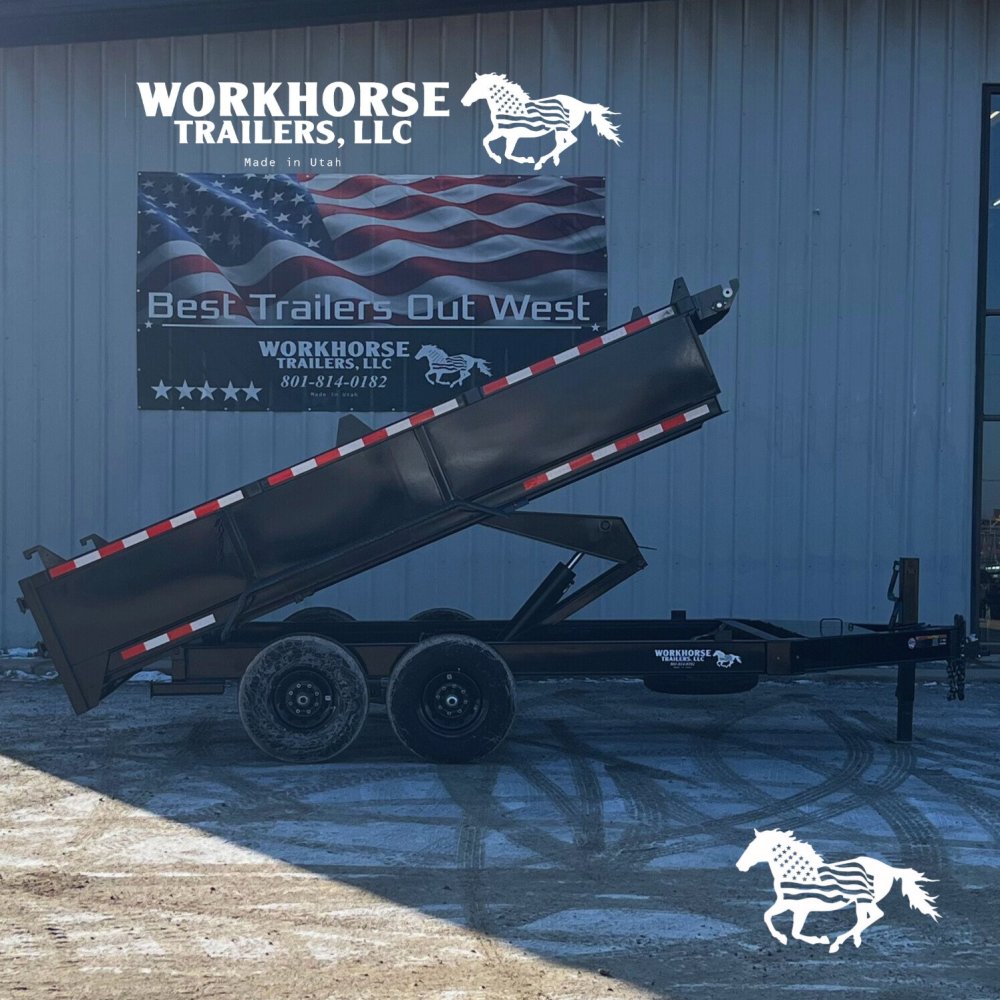
The hydraulic tilt system represents elegant engineering solving practical problems. When activated, pressurized hydraulic fluid flows into cylinders that raise the trailer's front section while the rear remains in contact with the ground. This creates a gradual ramp from ground level to the elevated front portion. Equipment drives or gets winched directly onto the lowered deck without encountering steep traditional ramp angles. Once loading completes, releasing hydraulic pressure allows the deck to return smoothly to level position for transport.
Most tilt deck trailers incorporate manual hydraulic pumps operated by hand or foot. The operator pumps a handle or pedal forcing fluid into lift cylinders. While requiring physical effort, manual systems offer reliability without depending on electrical power or engines. Electric hydraulic pumps activated by switches provide effortless operation, particularly valuable for frequent daily use. These powered systems draw electricity from tow vehicle batteries through trailer connections.
The tilt angle created when decks lower varies by design but typically reaches 10 to 15 degrees from horizontal. This shallow gradient allows heavy equipment with limited traction to drive aboard easily. Compared to traditional ramps that might create 25 to 35-degree angles, the reduced slope significantly eases loading. Equipment operators appreciate not needing to build momentum or risk tipping when driving up steep conventional ramps.
Advantages Tilt Decks Deliver Over Traditional Ramps
Protecting Low Ground Clearance Equipment
Lowered sports cars, modified vehicles, and machinery with minimal undercarriage clearance often scrape when transitioning onto traditional ramps. The abrupt angle change where ramps meet ground can catch on front bumpers, exhaust systems, or undercarriage components. Tilt decks eliminate this problem by creating smooth, gradual transitions. The entire deck lowers as a unit, maintaining consistent angles that protect vulnerable underbody areas.
Salt Lake City's car enthusiast community values this protection when transporting show vehicles or track cars. A single scrape can damage expensive body kits or exhaust systems. Professional auto transporters serving the region rely on tilt deck trailers guaranteeing damage-free loading regardless of vehicle modifications. This capability builds customer confidence and prevents costly damage claims.
Simplifying Non-Running Equipment Transport
Dead batteries, mechanical failures, and seized engines create situations where equipment cannot drive under its own power. Traditional ramps require substantial winching effort pulling disabled machinery up steep inclines. Tilt deck systems reduce this effort dramatically by lowering decks nearly flat. Winching across a 10-degree slope requires far less force than pulling up a 30-degree ramp.
Equipment rental companies throughout the Wasatch Front regularly retrieve broken-down machines from customer sites. Tilt deck trailers make these recoveries faster and safer. Service technicians appreciate not struggling with manual winching that could cause injuries or damage equipment. The operational efficiency translates directly to cost savings through reduced labor time and improved safety records.
Enabling Single-Operator Loading
Deploying and positioning heavy traditional ramps typically requires two people. The weight and awkward dimensions make solo handling difficult and potentially dangerous. Tilt deck systems operate via simple controls that single operators manage easily. This independence proves valuable for businesses where crews often work individually at different locations throughout Salt Lake City's expanding service areas.
The time savings accumulate quickly across multiple daily loading operations. A landscaper making eight stops daily saves 10 to 15 minutes per stop by not wrestling ramps. Over a season, these minutes add up to dozens of billable hours that would otherwise be wasted on physical labor. The productivity improvement alone can justify tilt deck investments for high-frequency users.
Improving Safety During Loading Operations
Traditional ramps create opportunities for accidents. Ramps can slip, equipment can roll backward, or operators can lose control on steep angles. Tilt deck loading happens on nearly level surfaces with equipment never traversing steep grades. The controlled hydraulic descent and ascent happens smoothly without sudden movements that might cause accidents.
Workers' compensation insurance costs reflect workplace safety records. Businesses implementing equipment and procedures that reduce injury risks may qualify for lower premiums. While tilt deck trailers represent one component of comprehensive safety programs, their accident prevention capabilities contribute to creating safer work environments that benefit both employees and company finances.
Tilt Deck Trailer Configurations Available
Bumper Pull Tilt Deck Trailers
Standard bumper pull tilt deck trailers hitch to receiver-style couplers on vehicle rear bumpers. These trailers typically measure 16 to 20 feet long and support loads from 7,000 to 14,000 pounds depending on axle configuration. The bumper pull format suits pickup trucks, SUVs, and vehicles without gooseneck hitch installations. Many small businesses and individual equipment owners choose this accessible option that delivers tilt deck convenience without requiring specialized towing setups.
Single axle bumper pull tilt decks offer economy and maneuverability for lighter loads. Tandem axle versions provide increased capacity and stability for heavier equipment. The choice depends on typical load weights and towing vehicle capabilities. Buyers should match trailer ratings to their actual requirements rather than defaulting to maximum capacity unnecessarily.
Gooseneck Tilt Deck Trailers
Combining gooseneck attachment with tilt deck functionality creates premium hauling solutions. These trailers connect via ball hitches mounted in truck beds, providing the stability and high weight capacity advantages of gooseneck design. Deck lengths run 20 to 32 feet with weight ratings reaching 20,000 pounds or more. Heavy equipment contractors and businesses regularly transporting substantial machinery justify the significant investment through operational capability and efficiency.
The gooseneck configuration allows longer decks while maintaining manageable overall trailer lengths. A 28-foot gooseneck tilt deck might measure only 32 feet overall because the gooseneck section extends over the truck bed. Equivalent bumper pull trailers would stretch significantly longer, creating parking and maneuverability challenges. This compact efficiency matters for businesses operating in congested urban environments or storing trailers in space-limited facilities.
Dove Tail Tilt Deck Designs
Some tilt deck trailers incorporate dove tail rear sections that angle downward slightly. When the main deck tilts, the dove tail section creates an even more gradual transition from ground to deck. This design particularly benefits extremely low equipment or situations where the gentlest possible loading angle prevents damage. Classic car collectors and exotic vehicle transporters favor dove tail tilt decks for their ultimate low-clearance protection.
The dove tail adds some complexity and cost but provides tangible benefits for specific applications. Buyers hauling standard equipment without extreme ground clearance concerns may not need this feature. Those regularly loading vehicles sitting inches from pavement find dove tail designs essential for damage-free operations.
Applications Across Salt Lake City Industries
Automotive Service and Specialty Shops
Transmission repair facilities need reliable methods for retrieving vehicles with drivetrain failures. Tilt deck trailers allow flatbed towing without the complications of dollies or wheel lifts. Body shops transport accident-damaged vehicles that may not roll freely. Performance shops move race cars and heavily modified vehicles requiring careful handling. The versatility makes tilt deck trailers valuable assets for diverse automotive service operations throughout northern Utah.
Mobile mechanics providing on-site services use tilt deck trailers for equipment transport and occasional vehicle recovery. The ability to load disabled vehicles independently without assistance expands service capabilities. Customers appreciate one-call solutions where their mechanic both diagnoses problems and retrieves vehicles when repairs require shop facilities.
Equipment Dealers and Rental Operations
Selling or renting construction equipment, landscaping machinery, or industrial tools requires frequent deliveries and pickups. Tilt deck trailers streamline these logistics. Dealers demonstrate professional competence arriving with proper equipment for safe machinery transport. The efficient loading process minimizes time spent at customer locations, allowing more deliveries per day.
Rental customers sometimes return equipment with mechanical issues or dead batteries. Tilt deck capability ensures retrieval teams can recover any machine regardless of operational status. This reliability matters when coordinating equipment rotations between customers during busy seasons where delays cascade into scheduling problems affecting multiple jobs.
Landscape and Property Maintenance Contractors
Commercial landscaping crews operate fleets of mowers, aerators, overseeders, and specialized equipment valued at hundreds of thousands of dollars. Protecting these investments during daily transport between properties makes financial sense. When comparingSalt Lake City tilt deck trailers to standard alternatives, landscape business owners recognize that eliminating ramp-related damage risks justifies modest price premiums.
Snow removal operations face unique challenges during Utah winters. Equipment operates in harsh conditions that can cause mechanical failures. Tilt deck trailers ensure recovery capabilities when plow trucks break down or spreaders malfunction. The ability to quickly retrieve and replace failed equipment minimizes service interruptions that could breach customer contracts.
Motorsports and Racing Teams
Drag racing, road racing, off-road competition, and motorcycle racing all involve transporting valuable purpose-built machines. Race vehicles often sit extremely low or feature expensive aerodynamic components that scraping would destroy. Tilt deck trailers provide the only truly safe loading method for six-figure race cars where any damage jeopardizes competition participation.
Racing operations value reliability because missing events due to equipment issues wastes entry fees, travel expenses, and team member time. Quality tilt deck trailers from established manufacturers deliver consistent performance that racing teams depend on. The investment in proper equipment reflects the overall professionalism distinguishing successful racing programs from amateur operations.
Classic and Collector Vehicle Transport
Utah's car collector community actively buys, sells, and shows vintage automobiles. Transporting these investments requires extreme care preventing any damage. Original paint, rare trim pieces, and irreplaceable components deserve protection that only enclosed tilt deck trailers can provide. Combining weather protection with gentle tilt loading creates optimal transport conditions.
Auction attendance often involves purchasing vehicles sight unseen beyond photographs and descriptions. Buyers need reliable methods for retrieving purchases from sellers across the region or nationwide. Owning appropriate tilt deck trailers provides the freedom to acquire vehicles anywhere without depending on commercial transport services that may take weeks to schedule.
Hydraulic System Maintenance and Care
Regular Fluid Inspection and Changes
Hydraulic systems depend on clean fluid maintaining proper viscosity. Checking fluid levels monthly catches small leaks before they become serious problems. The fluid should appear clean without cloudiness or contamination. Discolored or dirty fluid indicates internal wear or contamination requiring immediate attention. Most manufacturers recommend changing hydraulic fluid every two to three years even if it appears clean.
Using correct fluid types prevents system damage. Different hydraulic systems specify particular fluid grades and types. Substituting incorrect fluids can cause seal deterioration, reduced performance, or complete system failure. Following manufacturer specifications exactly ensures long system life and reliable operation. Salt Lake City's temperature extremes make proper fluid selection particularly important, as winter cold and summer heat stress hydraulic components.
Cylinder and Seal Examination
Lift cylinders contain seals preventing fluid leaks while allowing smooth piston movement. These seals wear gradually through normal use. Visual inspection reveals fluid weeping around cylinder rods indicating seal deterioration. Small leaks worsen rapidly if ignored, potentially causing complete seal failure during use when the tilted deck could drop unexpectedly.
Replacing hydraulic seals requires some mechanical skill but remains within capabilities of many equipment owners. Seal kits cost modestly compared to professional repairs or complete cylinder replacement. Addressing seal problems promptly prevents secondary damage to cylinder bores that would necessitate expensive component replacement rather than simple seal service.
Hose and Connection Integrity
Hydraulic hoses connect pumps, cylinders, and reservoirs. These flexible lines withstand substantial pressure while remaining pliable enough for trailer articulation. Over time, sunlight degrades rubber compounds, cold temperatures make hoses brittle, and abrasion wears through protective covers. Inspecting hoses quarterly identifies deterioration before catastrophic failures occur.
Connection points where hoses attach to cylinders, pumps, and fittings deserve particular attention. Leaks often start at these junctions where vibration and pressure cycles stress seals. Tightening loose connections stops small leaks. Replacing damaged O-rings or fittings prevents minor issues from escalating. Carrying spare hoses and fittings allows field repairs if failures happen away from shops.
Selecting Appropriate Tilt Deck Trailers
Capacity Matching to Equipment Weights
Accurate weight knowledge prevents overloading that damages trailers and creates dangerous towing conditions. Equipment manufacturers provide specifications listing operating weights. Adding fuel, attachments, and accessories increases these baseline figures. Totaling realistic loaded weights guides appropriate trailer capacity selection. Building in 20 to 30 percent safety margins accommodates occasional heavier loads without exceeding ratings.
Buyers sometimes mistakenly focus on deck size while overlooking weight capacity. A trailer with adequate deck dimensions may lack structural strength for heavy loads it physically accommodates. Checking both size and weight ratings ensures trailers truly match intended uses. Dealers like Workhorse Trailers LLC help customers analyze their specific requirements and recommend properly rated equipment.
Deck Dimensions for Equipment Fit
Length requirements depend on the longest equipment being transported. Measuring wheelbases and total lengths prevents purchasing trailers that cannot accommodate existing machinery. Some equipment requires specific positioning for proper weight distribution. Ensuring adequate deck length beyond minimum requirements provides positioning flexibility.
Width considerations affect equipment stability during transport. Wider decks better suit equipment with broad track widths or machinery that loads more stably with side clearance. Narrow decks save width when towing through restricted areas but may require more careful equipment positioning. Assessing typical equipment dimensions and loading patterns clarifies optimal deck size selections.
Tilt System Type Preferences
Manual hydraulic systems offer simplicity and independence from electrical power. They function anywhere regardless of tow vehicle battery condition. The physical effort required varies by system design and deck weight. Operators should test manual pumping effort before purchasing to ensure it matches their physical capabilities and willingness to provide that effort frequently.
Electric hydraulic systems provide push-button convenience particularly valuable for multiple daily uses. The initial cost premium and slight complexity increase prove worthwhile for commercial operations. Battery drain concerns are minimal with properly functioning trailer wiring. Having backup manual override capabilities provides insurance against electrical failures.
Operating Tilt Deck Trailers Safely
Pre-Loading Safety Checks
Confirming level ground before tilting prevents trailers from rolling unexpectedly. Slight grades that seem insignificant can cause movement once weight transfers during tilting. Setting parking brakes on tow vehicles and chocking trailer wheels creates secure conditions for loading operations. These simple precautions prevent accidents that could injure operators or damage equipment.
Inspecting hydraulic systems before each use catches developing problems. Checking for fluid leaks, examining hose conditions, and verifying control operation takes only minutes. Finding issues before loading prevents dangerous situations where failures happen with equipment partially loaded on tilted decks. The few minutes spent on pre-use inspection potentially prevent serious accidents.
Proper Equipment Positioning
Centering equipment on decks maintains lateral balance during transport. Offset loads create uneven weight distribution that affects towing stability. Side-to-side positioning should distribute weight equally relative to the trailer centerline. Front-to-rear positioning follows manufacturer recommendations for achieving proper tongue weight percentages.
Securing equipment with appropriate tie-downs prevents shifting during the tilt-down process returning decks to transport position. Straps or chains should attach before raising decks. Equipment moving during this process could shift unexpectedly causing control loss or damage. Taking time to secure loads properly demonstrates professional operation and protects valuable machinery.
Monitoring System Performance
Hydraulic systems provide feedback about their condition through operational characteristics. Smooth, consistent tilting indicates proper function. Jerky movement, unusual noises, or slow response suggests developing problems requiring investigation. Operators familiar with their equipment notice subtle changes alerting them to issues before complete failures occur.
Tilt speed should remain consistent across the operating range. Systems that slow significantly near full tilt may indicate low fluid levels or pump wear. Decks that drift downward slowly after raising suggest internal seal leakage in cylinders. Recognizing these symptoms allows addressing problems during scheduled maintenance rather than dealing with unexpected failures during critical operations.
Regional Factors Affecting Tilt Deck Use
Utah Climate Considerations
Temperature extremes throughout northern Utah stress hydraulic systems. Summer heat thins hydraulic fluid potentially causing faster seal wear. Winter cold thickens fluid slowing system response. Using quality fluids rated for wide temperature ranges maintains consistent performance across seasons. Some operators switch to lighter-viscosity fluids during winter improving cold-weather operation.
Moisture from spring snowmelt and occasional summer storms can infiltrate hydraulic systems through worn seals or loose caps. Water contamination causes rust and accelerates component deterioration. Keeping systems properly sealed and checking for moisture during regular maintenance prevents expensive damage. If moisture appears in hydraulic fluid, complete system flushing and fluid replacement becomes necessary immediately.
Terrain and Job Site Challenges
Construction sites and undeveloped properties around Salt Lake City often feature uneven ground. Loading equipment on slopes or rough surfaces requires extra caution. Tilting on unlevel ground creates sideways forces that could tip trailers or cause equipment to slide laterally during loading. When job sites lack level areas, using jack stands or blocks to level trailers before tilting improves safety.
Rocky or soft soil affects trailer stability during tilt operations. Weight shifting from rear to front as decks raise can cause tires to sink into soft ground or slip on loose rock. Placing boards under tires distributes weight better preventing sinking. These field adaptations come from experience operating in varied conditions throughout Utah's diverse landscapes.
Investment Analysis for Tilt Deck Acquisition
Tilt deck trailers cost more than equivalent standard trailers due to hydraulic system components and engineering complexity. Price premiums typically run $2,000 to $5,000 depending on size and features. Buyers should evaluate whether operational benefits justify these additional costs. High-frequency users find payback periods measured in months through time savings and damage prevention. Occasional users may struggle justifying premiums for capabilities they rarely utilize.
Total ownership costs include maintenance specific to hydraulic systems beyond standard trailer upkeep. Fluid changes, seal replacements, and occasional hydraulic component repairs add expenses. However, eliminating ramp storage, handling, and maintenance provides offsetting savings. Realistic financial analysis considers all factors rather than focusing solely on purchase prices.
Workhorse Trailers LLC provides expertise helping Salt Lake City customers evaluate whether tilt deck technology matches their hauling requirements. The company's knowledge of regional applications, typical use patterns, and quality construction standards ensures customers receive trailers delivering long-term value. Ongoing support including maintenance guidance and hydraulic system troubleshooting helps owners protect their investments and maintain reliable operation throughout demanding Utah operating conditions.