Salt Lake City Gooseneck Trailers
All locationsHeavy-Duty Hauling Performance for Demanding Applications
Gooseneck trailers revolutionize heavy hauling by fundamentally changing how trailers connect to tow vehicles. Rather than attaching to rear bumper receivers, these specialized trailers use ball hitches mounted directly in pickup truck beds. This engineering approach positions the coupling point over the rear axle, creating weight distribution advantages that transform towing capabilities. Businesses and individuals throughout Salt Lake City who regularly move substantial loads discover that gooseneck design delivers stability, capacity, and control that conventional bumper-pull configurations simply cannot match.
The Gooseneck Advantage Explained
The physics behind gooseneck superiority centers on leverage and weight distribution. Traditional bumper-pull trailers create long moment arms between the hitch point and trailer axles. This distance amplifies sway forces and reduces the percentage of trailer weight that can safely press down on the hitch. Gooseneck coupling eliminates these problems by moving the attachment point forward and positioning it directly above the tow vehicle's strongest structural components.
When properly loaded, gooseneck trailers place 15 to 25 percent of their total weight on the truck's rear axle through the ball hitch. This tongue weight actually improves towing vehicle traction and stability rather than overwhelming rear suspension systems. The forward hitch location shortens the effective distance between coupling and trailer wheels, dramatically reducing leverage that causes sway. Drivers accustomed to white-knuckle experiences towing heavy bumper-pull trailers often express amazement at how stable and controllable gooseneck trailers feel even when fully loaded.
The bed-mounted hitch position also creates tighter turning radiuses. Gooseneck trailers can execute sharper turns without jackknifing because the pivot point sits nearly above the truck's rear wheels. This maneuverability proves valuable when navigating construction sites, backing into tight loading areas, or positioning trailers in congested storage yards throughout the Salt Lake Valley.
Gooseneck Trailer Categories and Configurations
Flatbed Gooseneck Trailers
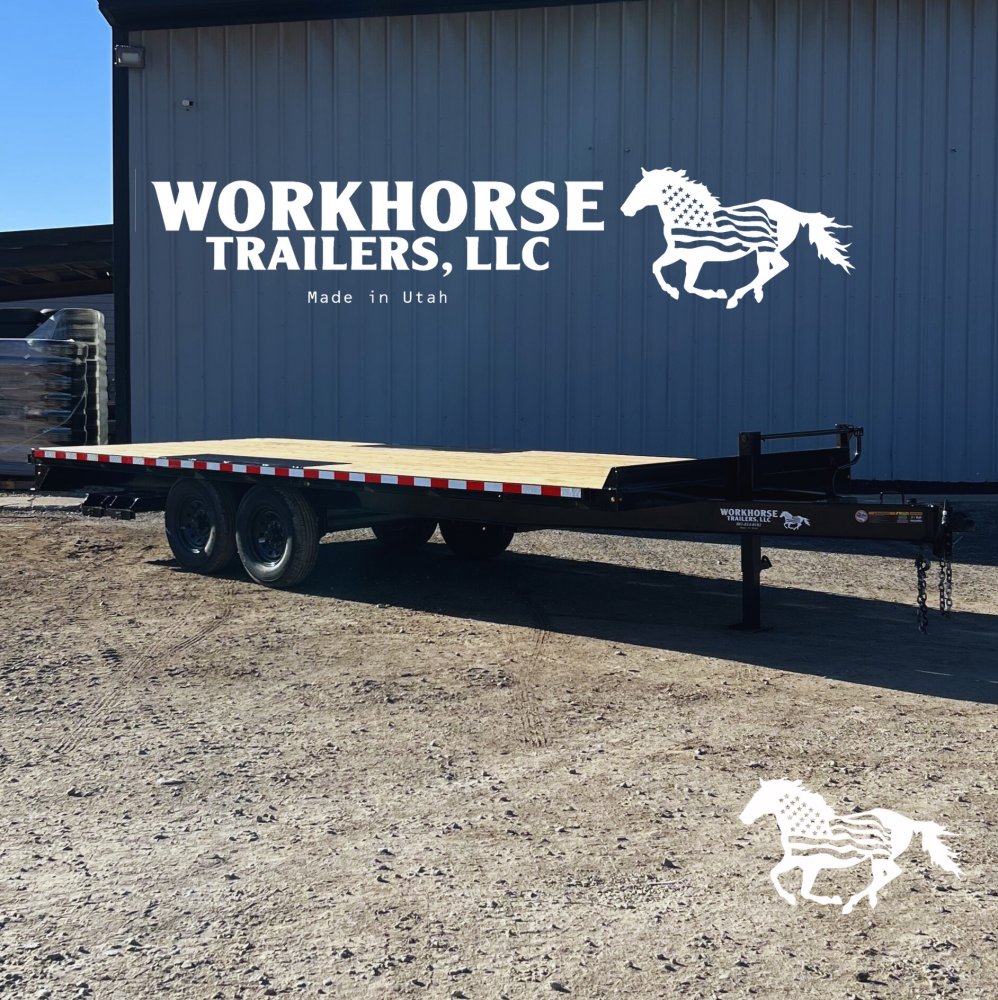
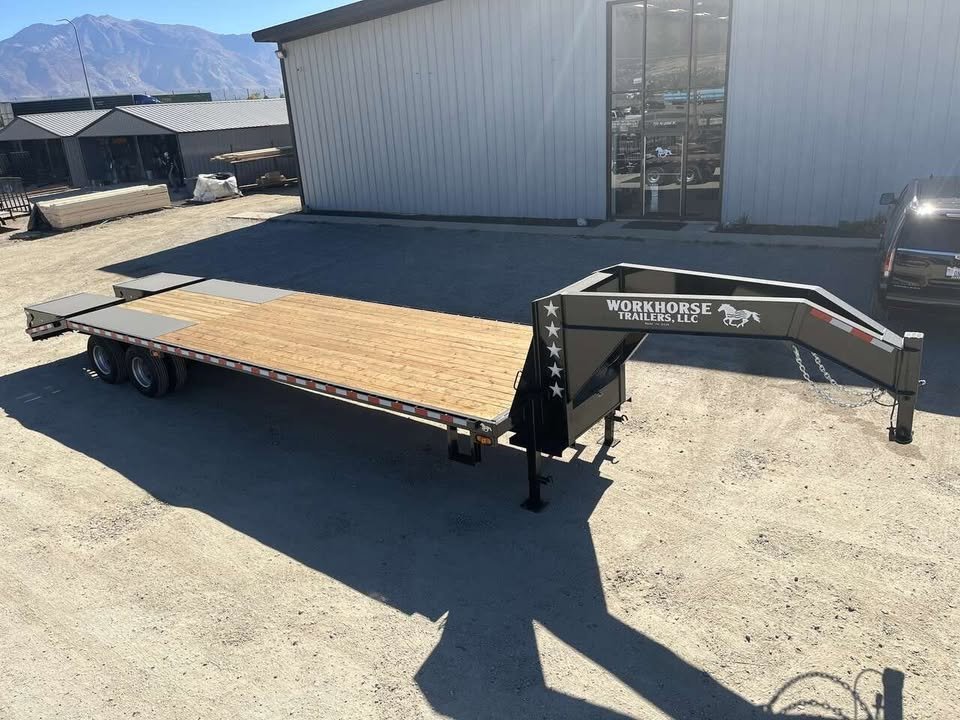
Open flatbed gooseneck trailers provide maximum versatility for hauling diverse cargo types. These trailers feature level deck surfaces without sides or tops, allowing equipment and materials to load from any direction. Deck lengths typically range from 20 to 40 feet, with 24 to 32 feet being most common for general commercial use. The open design accommodates oversized or irregularly shaped loads that would not fit inside enclosed trailers.
Construction companies use flatbed goosenecks for transporting excavators, skid steers, and building materials. Agricultural operations haul tractors, balers, and farm implements. Steel fabricators move structural materials and finished products. The platform versatility serves countless applications where cargo dimensions or loading requirements exceed enclosed trailer capabilities.
Dump Gooseneck Trailers
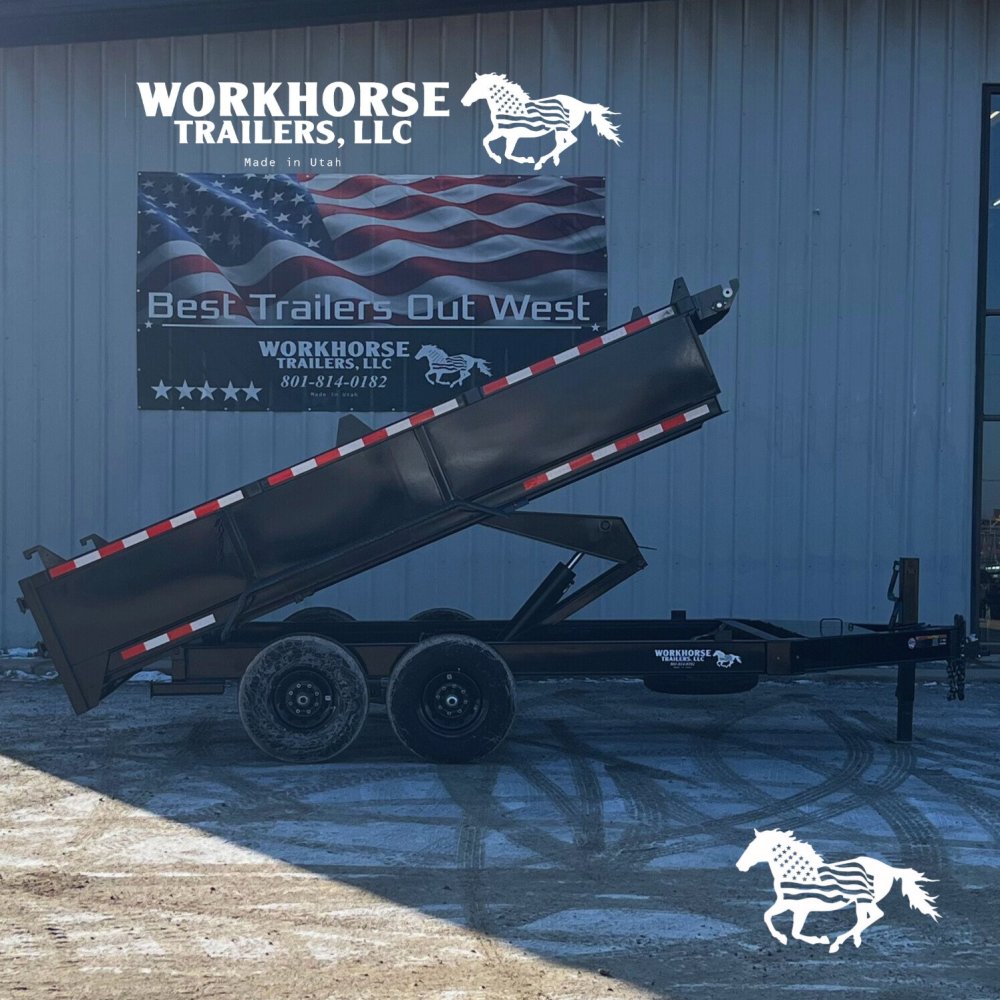
Hydraulic dump systems transform gooseneck flatbeds into efficient material handling solutions. These trailers incorporate powered lift mechanisms that raise deck fronts while the rear remains stationary, creating steep angles that allow gravel, dirt, debris, or other loose materials to slide out effortlessly. Landscape contractors, excavation firms, and demolition companies rely heavily on dump goosenecks for moving bulk materials around Salt Lake City's expanding development projects.
The time savings become substantial when comparing hydraulic dumping to manual unloading. A single operator activates the system and watches material flow out in minutes versus hours of shoveling or mechanical unloading. This efficiency directly impacts labor costs and project timelines, making dump goosenecks essential equipment for businesses competing in northern Utah's competitive construction market.
Lowboy and Tilt Deck Goosenecks
Lowboy gooseneck trailers position their decks extremely close to the ground, typically 18 to 24 inches. This low profile creates shallow loading angles perfect for moving heavy equipment with limited ground clearance. The reduced deck height also helps keep tall equipment loads within legal height limits. Heavy equipment dealers, large construction firms, and specialized haulers favor lowboy designs when transporting dozers, excavators, or industrial machinery.
Tilt deck variations incorporate hydraulic systems that lower rear sections to ground level, eliminating ramps entirely. Equipment drives directly onto decks with minimal elevation change, then the deck raises to level transport position. This feature simplifies loading non-running equipment and protects low-clearance machinery from scraping during the loading process.
Enclosed Gooseneck Trailers
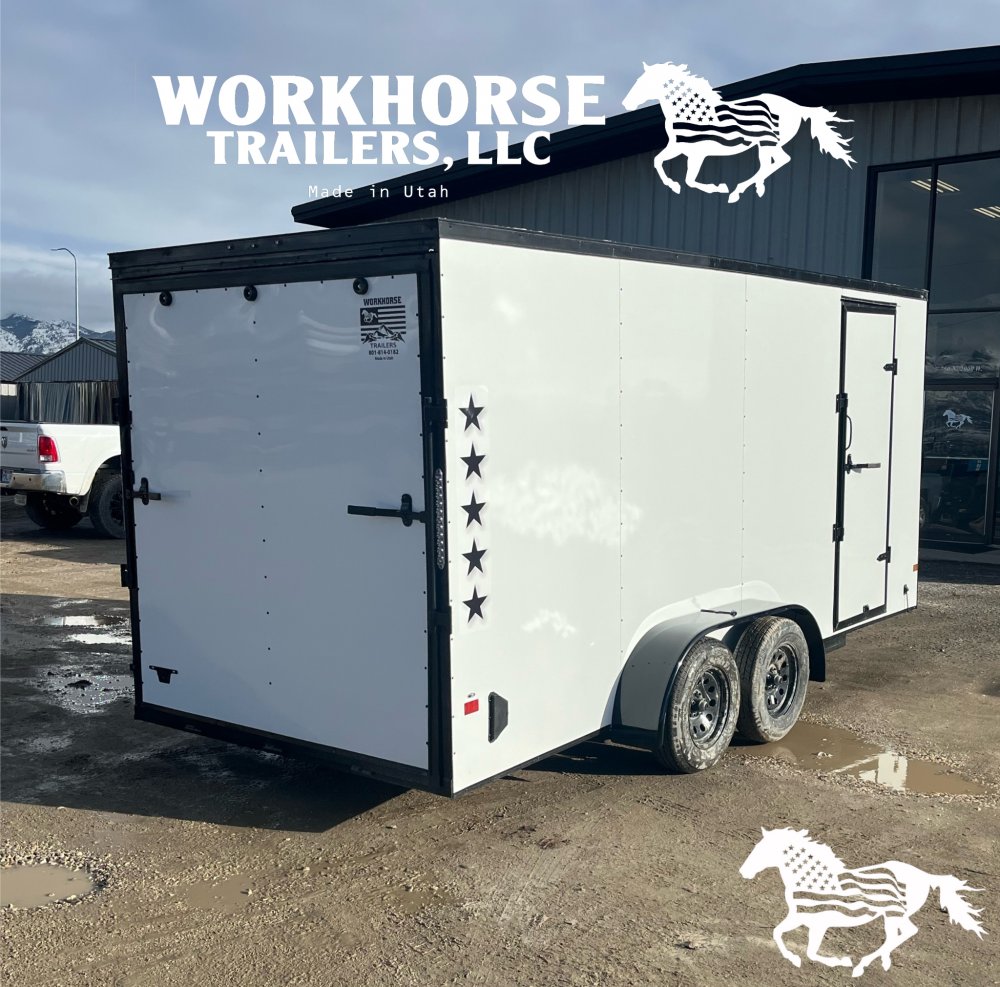
Combining gooseneck coupling with fully enclosed cargo areas creates ultimate versatility. These trailers protect cargo from weather while delivering the towing stability and capacity advantages of gooseneck design. Businesses hauling valuable tools, finished products, or sensitive materials appreciate the security and weather protection. Racing teams use enclosed goosenecks as mobile garages transporting vehicles and support equipment to competition venues throughout the region.
Living quarter configurations add sleeping areas, bathrooms, and kitchens to the front sections. Horse owners traveling to shows and rodeos use these combination trailers for both animal transport and comfortable accommodations. The dual-purpose design reduces overall equipment needs and provides convenience during multi-day trips.
Industries Relying on Gooseneck Trailers
Commercial Construction Operations
Large-scale construction projects throughout Salt Lake City's booming development corridors require moving substantial equipment daily. General contractors coordinate multiple trades across job sites, each needing specialized machinery. Gooseneck trailers handle this heavy equipment movement reliably, transporting excavators between digging projects, moving concrete equipment to foundation pours, and relocating generators as electrical systems come online.
Site preparation contractors deal with the heaviest hauling demands, moving earth-moving equipment that often weighs 15,000 to 30,000 pounds. Gooseneck trailers rated for these loads provide the only practical solution for companies operating fleets of dozers, track loaders, and large excavators. The investment in proper hauling equipment protects valuable machinery while maintaining project schedules that would otherwise suffer from transportation bottlenecks.
Agricultural and Ranching Businesses
Utah's agricultural sector surrounding Salt Lake City depends on gooseneck trailers for moving tractors, combines, balers, and implements between fields and storage facilities. Modern farm equipment represents enormous investments, often exceeding $300,000 per machine. Safe transportation using properly rated gooseneck trailers protects these assets while allowing farmers to deploy equipment efficiently across properties that may span many miles.
Livestock operations use gooseneck stock trailers for hauling cattle, horses, and other animals to auctions, veterinary facilities, or between pastures. The superior stability of gooseneck design creates smoother rides that reduce animal stress during transport. Utah's ranching heritage maintains strong demand for quality livestock trailers that perform reliably across varied terrain from mountain meadows to desert grazing lands.
Equipment Sales and Rental Companies
Dealerships selling construction equipment, agricultural machinery, or industrial tools need reliable transportation for delivering purchases to customers. Gooseneck trailers enable these businesses to provide delivery services that differentiate them from competitors who require customers to arrange their own transport. The professional appearance and reliable performance reflect positively on dealership brands.
Rental companies depend entirely on efficient equipment movement. Machines generate revenue only when deployed at customer sites, making transportation speed and reliability critical. Gooseneck trailer fleets allow rental operations to promise and deliver specific timeframes for equipment arrival, directly supporting customer satisfaction and repeat business throughout the competitive Salt Lake market.
Auto Transport and Recovery Services
Specialized car hauler gooseneck trailers move multiple vehicles simultaneously. Auto auctions, dealership networks, and vehicle transport services use these multi-car trailers for efficient logistics. The gooseneck design's high weight capacity accommodates several automobiles safely, while the stability prevents cargo shifting that could damage valuable vehicles during transport.
Towing and recovery operations utilize gooseneck trailers for moving disabled vehicles, accident recoveries, and impound services. When vehicles cannot be towed conventionally due to damage or mechanical issues, flatbed gooseneck trailers provide secure transport solutions. The 24/7 nature of recovery work demands reliable equipment that performs consistently regardless of weather or time of day across the Wasatch Front.
Critical Specifications When Selecting Gooseneck Trailers
Understanding Weight Ratings
Gross Vehicle Weight Rating represents the maximum safe total weight including the trailer and all cargo. Gooseneck trailers span enormous rating ranges from 14,000 pounds for smaller models to 40,000 pounds or more for heavy-duty commercial units. Payload capacity, which subtracts empty trailer weight from GVWR, indicates actual cargo capacity. A 25,000-pound GVWR trailer weighing 6,000 pounds empty provides 19,000 pounds of payload capacity.
Buyers must honestly assess their heaviest anticipated loads and select trailers with adequate margins above those weights. Operating at maximum capacity regularly shortens trailer life and creates safety concerns. Professional haulers typically choose trailers rated 20 to 30 percent above their typical maximum loads, providing safety buffers and accommodating occasional exceptionally heavy hauls without equipment strain.
Deck Dimensions and Clearances
Length, width, and height all factor into gooseneck trailer selection. Deck lengths must accommodate the longest equipment or materials being transported with adequate clearance. When evaluatingSalt Lake City gooseneck trailers, buyers measure their equipment carefully, accounting for overhangs and ensuring adequate deck space for proper load positioning and securement.
Width becomes critical for hauling wide equipment or maximizing material loads. Standard deck widths run 96 to 102 inches, though custom wider decks serve specialized applications. Deck height above the ground affects loading ease and legal height restrictions when tall equipment rides on the trailer. Lower decks simplify loading but may limit ground clearance on rough terrain.
Axle and Suspension Systems
Tandem axle gooseneck trailers distribute weight across four tires, suitable for loads up to approximately 20,000 pounds. Triple axle configurations add two more tires, supporting substantially heavier loads while improving weight distribution. Heavy-duty applications might employ quad axle setups with eight tires handling extreme loads that would overwhelm lighter configurations.
Suspension design affects ride quality, durability, and maintenance requirements. Spring suspensions offer simplicity and reliability at moderate costs. Rubber torsion axles provide smoother rides and require less maintenance but cost more initially. Air ride suspensions deliver the smoothest operation, protecting delicate cargo and extending tire life, though complexity and costs increase substantially.
Brake Systems for Safe Stopping
Hydraulic surge brakes activate automatically when tow vehicles decelerate, requiring no electronic connections. These systems work reliably for moderate-weight trailers but have limitations with very heavy loads or sustained downhill braking. Electric brakes controlled by in-cab controllers provide more precise braking force adjustment and better performance with heavy loads, making them standard on most gooseneck trailers used commercially.
Air brake systems serve the heaviest gooseneck applications, particularly those approaching commercial truck weight ranges. These systems require tow vehicles equipped with air brake connections and provide powerful, reliable stopping force for extreme-weight trailers. The complexity and cost limit air brakes to specialized heavy-haul operations where no alternative provides adequate stopping performance.
Tow Vehicle Requirements and Compatibility
Truck Specifications for Gooseneck Towing
Gooseneck trailers demand heavy-duty pickup trucks with specific capabilities. Three-quarter ton trucks like Ford F-250, Chevy 2500, and Ram 2500 models represent minimum requirements for medium-duty gooseneck use. One-ton trucks including F-350, 3500-series models provide substantially greater capacity for heavier trailers. Dually trucks with dual rear wheels distribute weight better and offer maximum towing capacity for the heaviest gooseneck applications.
Tow ratings depend on cab configuration, bed length, axle ratio, engine choice, and factory towing packages. Buyers researching gooseneck trailers should consult their truck's specific towing specifications rather than relying on generalizations. Overloading tow vehicles creates dangerous handling problems, accelerates mechanical wear, and may void warranties. Matching trailers appropriately to existing trucks or planning truck upgrades ensures safe, legal operation.
Gooseneck Hitch Installation Considerations
Professional hitch installation ensures proper mounting and load distribution. Ball hitches must mount to structural bed reinforcements, not just the bed floor. Quality installations use mounting plates that spread loads across truck frame rails. Proper placement positions the ball directly over or slightly ahead of the rear axle centerline, optimizing weight distribution.
Several hitch styles serve different needs. Fixed ball hitches provide maximum strength and simplicity but occupy bed space continuously. Removable ball mounts allow clearing the bed when not towing but require storage for the removed component. Flip-over or retractable hitches store below bed level when not needed, maintaining full bed utility while keeping the hitch always available.
Operating Gooseneck Trailers in Northern Utah
Mountain Grade Management
The dramatic elevation changes between Salt Lake City and surrounding areas test towing equipment thoroughly. Climbing Parley's Canyon eastbound toward Park City or descending from mountain recreation areas into the valley demands adequate engine power and appropriate braking. Gooseneck trailers loaded heavily require trucks with sufficient horsepower and torque to maintain reasonable speeds on sustained grades without overheating engines or transmissions.
Descending mountain passes requires careful brake management. Engine braking using lower gears reduces service brake wear and prevents brake overheating. Understanding how to coordinate trailer electric brakes with truck brakes improves control and safety. Drivers new to heavy gooseneck towing should practice on moderate terrain before tackling Utah's steepest mountain highways with full loads.
Weather Adaptation Strategies
Winter conditions throughout northern Utah challenge even experienced trailer operators. Snow-covered roads reduce traction, requiring reduced speeds and increased following distances. Loaded gooseneck trailers generally handle better than empty ones in snow because cargo weight improves traction. However, stopping distances increase substantially on slippery surfaces, demanding cautious driving and early braking.
Wind presents another significant challenge, particularly for high-profile loads like enclosed gooseneck trailers or equipment sitting tall on flatbeds. Spring wind storms along the Wasatch Front create gusts that can push trailers laterally. Experienced operators reduce speeds during windy conditions, keep alert for sudden gusts, and avoid panicking when wind pushes trailers sideways. Smooth, gradual steering corrections maintain control better than jerky reactions.
Load Securement and Weight Distribution
Proper cargo placement affects handling dramatically. Approximately 60 percent of total cargo weight should position forward of trailer axles, with the remainder behind. This distribution creates appropriate tongue weight on the hitch while preventing tail-heavy configurations that cause instability. Measuring actual tongue weight using scales ensures proper distribution rather than relying on estimates.
Securing cargo prevents dangerous shifting during transport. Chains, straps, and binders must have working load limits appropriate for cargo weights. Attachment points on trailers need adequate strength to handle forces generated if cargo shifts. Utah's varied terrain creates constant acceleration, braking, and cornering forces that test load securement. Taking time to secure cargo properly prevents accidents, equipment damage, and legal liability.
Maintenance Practices Extending Gooseneck Trailer Life
Hitch and Coupling Component Care
The gooseneck ball and coupler endure enormous forces during towing. Regular inspection identifies wear, cracks, or damage requiring attention. The ball surface should remain smooth without pitting or deformation. Couplers need adjustment maintaining proper fit around balls without excessive play. Worn components create slack that generates noise and accelerates damage to both hitches and couplers.
Lubrication reduces friction and wear. Applying grease to ball surfaces before coupling prevents metal-to-metal grinding. Coupler mechanisms benefit from periodic lubrication maintaining smooth operation. Safety latch functionality deserves regular verification ensuring couplers cannot accidentally release during operation.
Structural Inspection Protocols
Gooseneck trailer frames withstand tremendous stress from heavy loads and road impacts. Annual detailed inspections catch developing problems before they become dangerous. Examine welds for cracks, particularly at high-stress points including neck junctions, cross-member attachments, and axle mounts. Small cracks propagate rapidly under continued loading, making early detection critical.
Deck conditions require monitoring for rot, rust, or structural damage. Wood decking shows wear through cracking, soft spots, and fastener loosening. Steel decks develop rust if protective coatings fail. Addressing minor issues promptly prevents extensive damage requiring expensive repairs or component replacement.
Running Gear Service Requirements
Axles, suspensions, wheels, and tires need regular attention maintaining safe operation. Wheel bearings require annual repacking or more frequently if trailers operate in water or extremely dusty conditions. Bearing failure causes wheel separations that create catastrophic accidents. The modest cost of preventive bearing service makes this maintenance essential rather than optional.
Tire inspection includes checking pressures, measuring tread depth, and examining sidewalls for damage. Gooseneck trailers often carry heavy loads that stress tires significantly. Maintaining proper inflation pressures maximizes tire life and prevents failures. Uneven wear patterns indicate alignment issues, overloading, or improper inflation requiring correction.
Regulatory Compliance for Gooseneck Operations
Utah Commercial Vehicle Requirements
Gooseneck trailers used in commercial operations may trigger various regulatory requirements. Gross combination weight ratings exceeding 26,000 pounds can require commercial driver's licenses depending on operation specifics. Interstate commerce adds federal Motor Carrier Safety Administration regulations. Business owners should verify their specific situations with appropriate authorities ensuring full compliance.
Vehicle inspections may be mandatory for commercial gooseneck operations. Annual inspections verify lighting, braking, structural integrity, and safety equipment functionality. Documentation proving compliance must be maintained and available during roadside inspections. Non-compliance creates legal liability and potential business disruptions if equipment is placed out of service until issues are corrected.
Oversize and Overweight Permitting
Loads exceeding standard dimensional or weight limits require special permits. Utah establishes specific thresholds for width, height, length, and weight. Exceeding these limits without proper permits results in substantial fines and potential criminal charges for extreme violations. Understanding when permits become necessary keeps operations legal.
Permitted loads often require route planning avoiding restricted roads, bridges with inadequate weight ratings, or areas with overhead clearance limitations. Some permits mandate travel during specific hours or require escort vehicles. Planning these logistics properly ensures smooth operations without unexpected delays or legal complications.
Investment Considerations for Gooseneck Acquisition
Quality gooseneck trailers represent substantial investments, often ranging from $15,000 for basic models to $50,000 or more for heavy-duty or specialized units. Businesses should analyze total ownership costs including registration, insurance, maintenance, and depreciation. Comparing these expenses against benefits like expanded capacity, improved safety, and operational efficiency reveals whether investments make financial sense.
Financing options include traditional equipment loans, manufacturer financing programs, or lease arrangements. Each approach has advantages and drawbacks depending on business financial situations, tax considerations, and cash flow preferences. Consulting financial advisors helps structure acquisitions optimally.
Workhorse Trailers LLC brings extensive expertise helping Salt Lake City customers select gooseneck trailers matching their specific applications. The company understands regional operating conditions, typical use cases, and quality construction features that separate premium trailers from budget alternatives. This knowledge ensures customers invest in equipment delivering long-term value and reliable performance throughout Utah's demanding operating environment. Post-purchase support including maintenance guidance and parts access helps owners protect their investments and maximize equipment longevity.