Salt Lake City Equipment Hauler Trailers
All locationsHeavy-Duty Transportation Solutions for Commercial and Industrial Operations
Equipment hauler trailers form the backbone of commercial operations throughout Salt Lake City and the surrounding Wasatch Front region. These robust transportation solutions move heavy machinery, construction equipment, landscaping implements, and industrial assets between job sites, storage facilities, and service locations. The expanding construction market, thriving agricultural sector, and growing industrial base in northern Utah create constant demand for reliable equipment transportation capabilities. Businesses that invest in proper hauling equipment gain operational flexibility, reduce logistics costs, and maintain control over their valuable machinery assets.
Understanding Equipment Hauler Trailers in the Salt Lake Market
Equipment hauler trailers differ fundamentally from standard utility trailers through their enhanced structural capacity, specialized loading features, and heavy-duty components engineered for substantial payloads. These trailers transport excavators, skid steers, forklifts, tractors, aerial lifts, compressors, generators, and countless other machinery types essential to modern business operations. The demands placed on equipment haulers exceed those of lighter-duty trailers, requiring premium construction and thoughtful engineering.
Salt Lake City's diverse economy supports numerous industries relying heavily on equipment transportation. Construction firms building residential developments from Herriman to Farmington need daily equipment movement between projects. Landscaping companies service properties across the valley with specialized machinery. Equipment rental businesses deliver and retrieve machinery for customer projects. Agricultural operations in surrounding areas transport tractors and implements between fields and maintenance facilities. Each application presents unique requirements that quality equipment haulers must satisfy.
Workhorse Trailers LLC understands these varied demands and provides equipment hauler solutions built for Utah's specific operational environment. The region's elevation changes, seasonal temperature extremes, and challenging road conditions during winter months all influence equipment hauler selection and performance. Local expertise ensures customers receive trailers properly matched to their regional operating conditions.
Categories of Equipment Hauler Trailers
Standard Flatbed Equipment Haulers
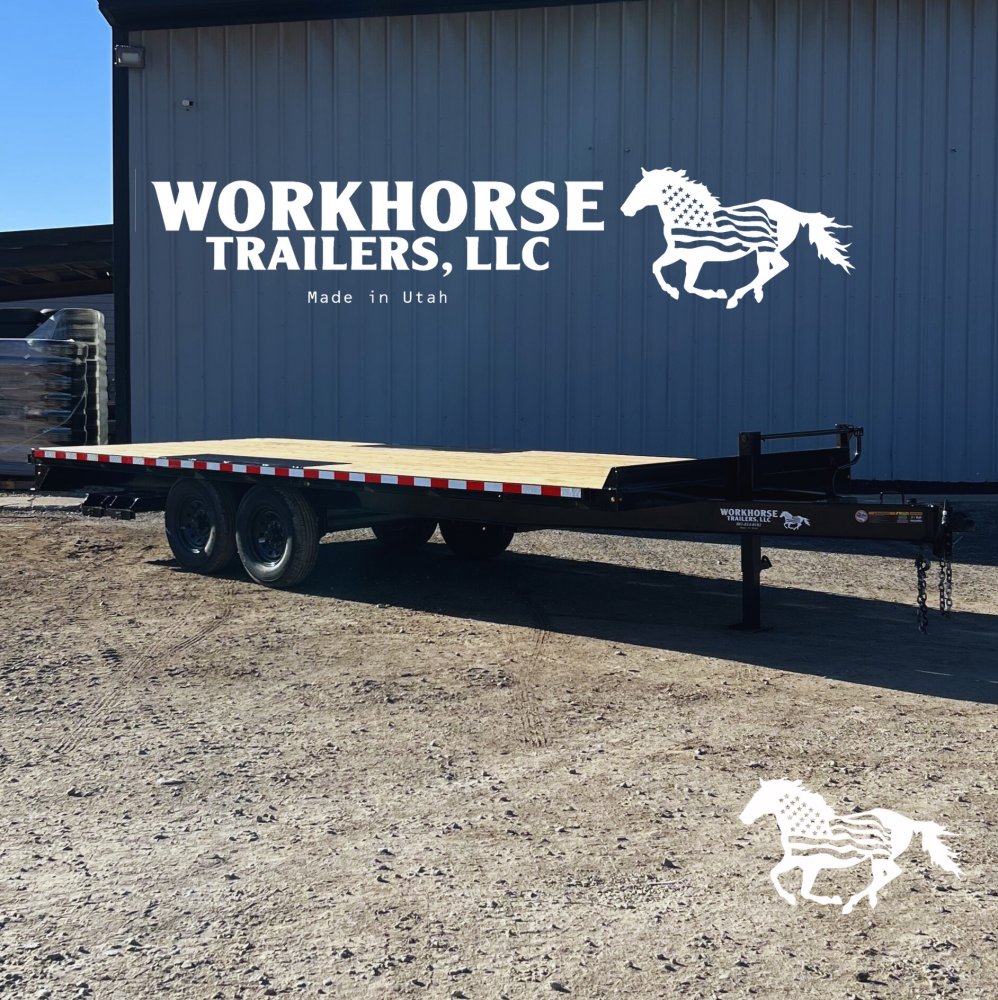
Flatbed equipment haulers provide versatile platforms for transporting machinery of various dimensions and configurations. These trailers feature level decks without sides, allowing equipment loading from any direction and accommodating oversized or irregularly shaped machinery. The open design facilitates securing equipment with chains, straps, or binders positioned precisely where needed for each unique load.
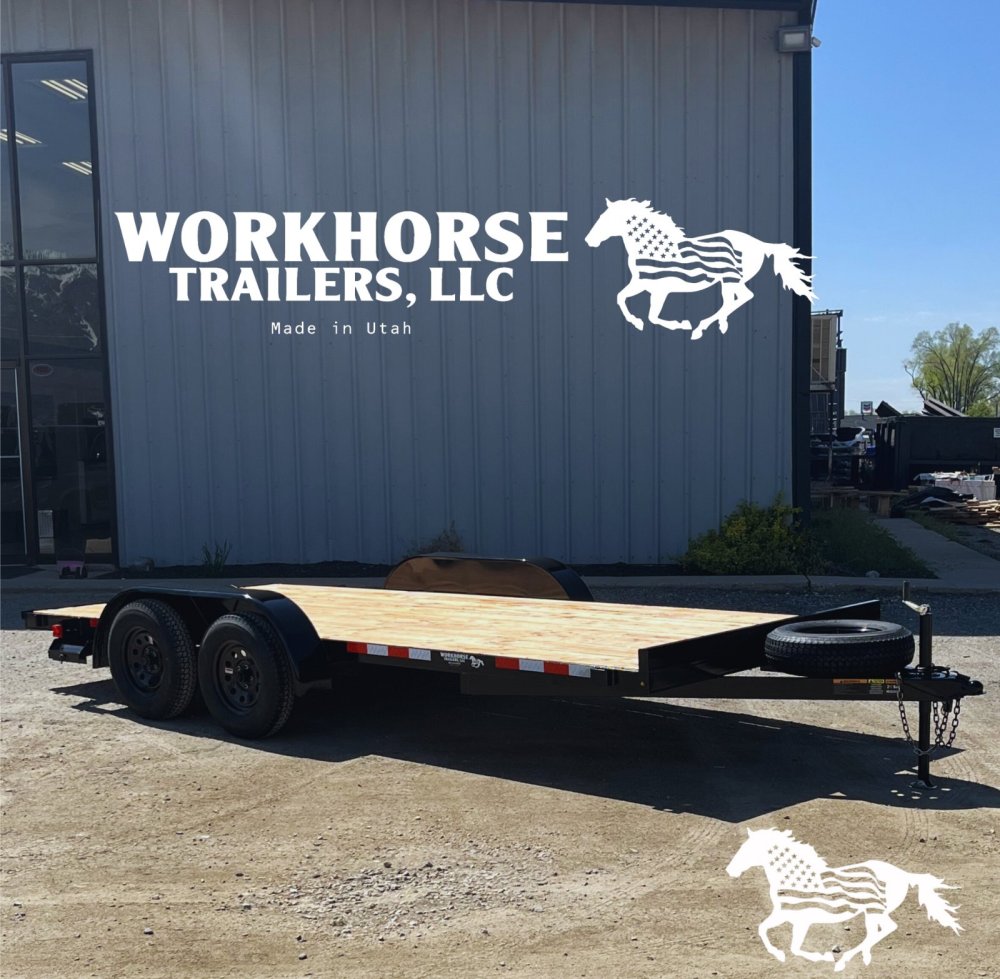
Standard flatbed designs typically range from 16 to 24 feet in length, though custom sizes accommodate specific requirements. Deck heights vary, with lower profiles simplifying loading but potentially limiting ground clearance, while higher decks improve road clearance at the expense of steeper loading angles. Most flatbed equipment haulers incorporate treated wood decking, though steel or aluminum surfaces serve operations requiring maximum durability or minimal weight.
Low-Profile Equipment Haulers
Low-profile equipment haulers position their decks closer to the ground, reducing loading ramp angles and simplifying machinery loading. These trailers particularly benefit operations transporting heavy equipment regularly, where lower deck heights significantly ease loading and unloading processes. The reduced ramp angle decreases stress on machinery during loading and allows equipment with limited power or traction to drive aboard more easily.
Construction companies moving excavators, skid steers, and compact track loaders appreciate low-profile designs. The deck height reduction of just several inches translates to substantially improved loading angles, especially important when loading heavy machinery onto trailers in confined job sites or challenging terrain. The trade-off involves slightly reduced ground clearance during transport, though most low-profile haulers still provide adequate clearance for highway travel throughout Salt Lake City's road network.
Tilt Deck Equipment Haulers
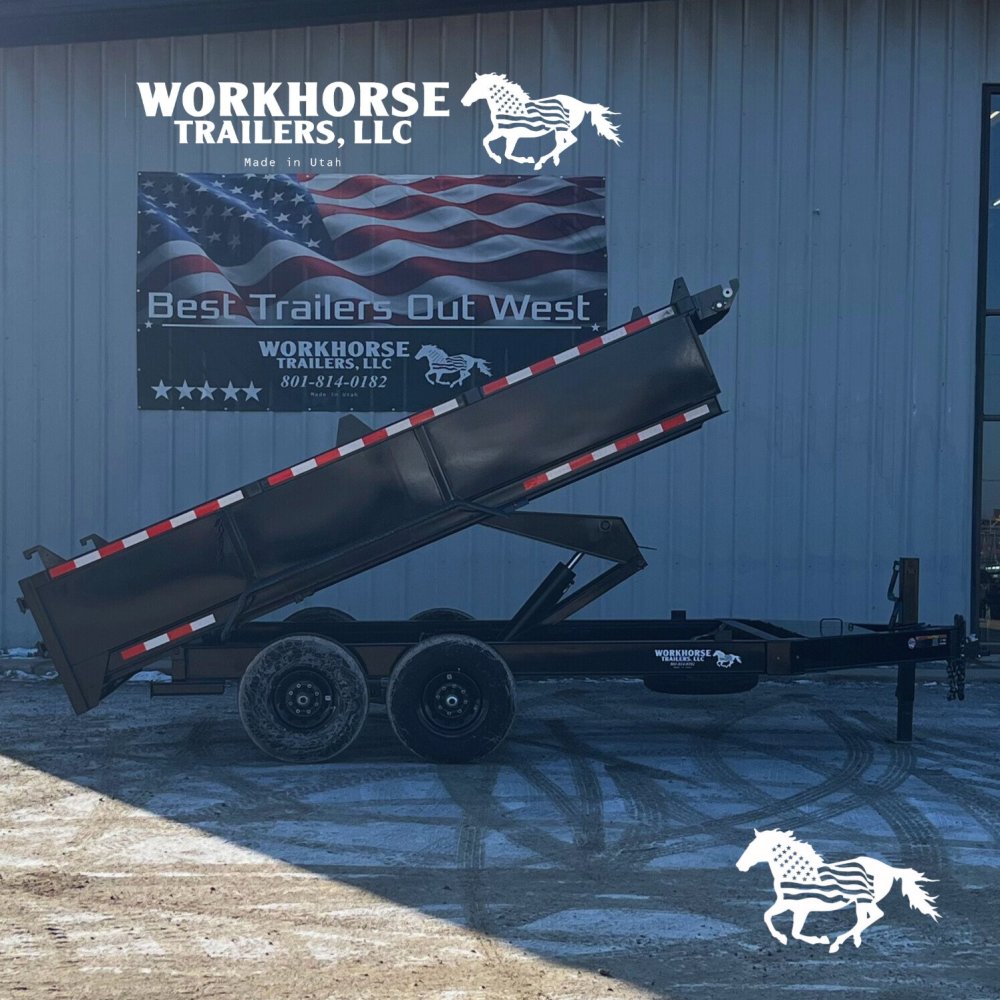
Tilt deck equipment haulers incorporate hydraulic systems that raise the front of the deck while lowering the rear to ground level, creating nearly flat loading surfaces. This design eliminates traditional ramps entirely, allowing machinery to drive or be winched directly onto the deck with minimal elevation change. After loading, the deck returns to level position for transport.
The convenience of tilt deck loading proves valuable across numerous applications. Non-running equipment loads more easily when decks tilt to ground level, reducing winching effort and time. Machinery with low ground clearance avoids scraping or damage during loading. Operators working alone appreciate tilt deck simplicity, as hydraulic systems eliminate the physical effort of handling heavy ramps. Though tilt deck haulers command premium prices, many businesses find the operational benefits justify the additional investment.
Gooseneck Equipment Haulers
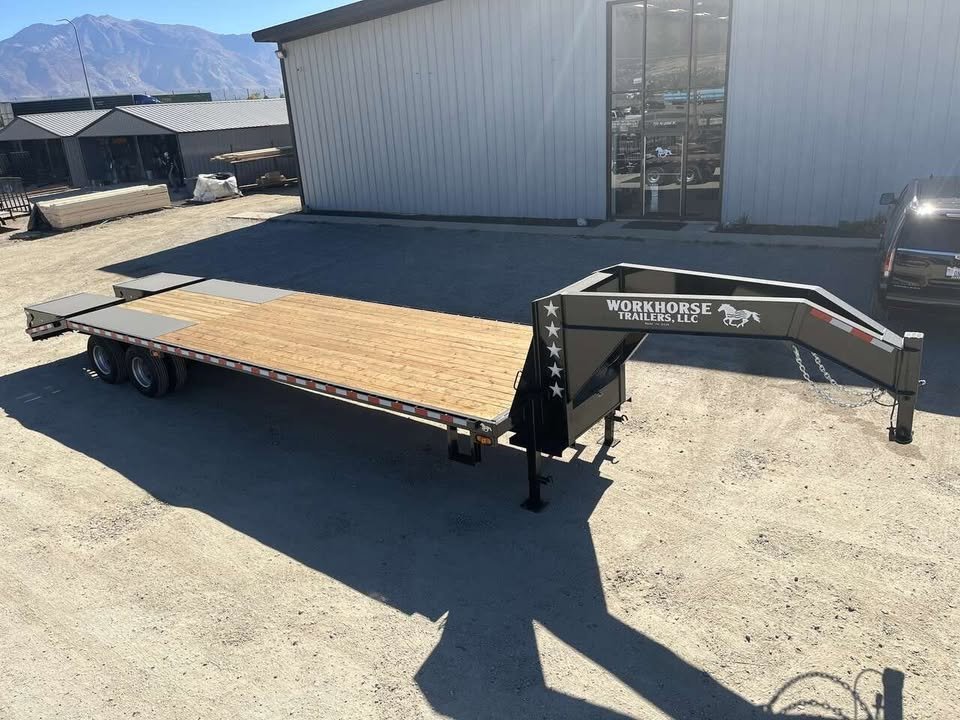
Gooseneck equipment haulers attach to special hitches mounted in pickup truck beds, positioning the trailer's pivot point over the rear axle. This configuration distributes tongue weight directly over the towing vehicle's rear wheels, dramatically improving stability and increasing allowable trailer weight. Gooseneck designs accommodate heavier equipment and provide superior handling characteristics compared to bumper-pull configurations.
Large construction firms, equipment rental companies, and agricultural operations frequently choose gooseneck equipment haulers for their maximum capacity and towing stability. The initial investment exceeds bumper-pull alternatives, and gooseneck hitches require compatible trucks, but the performance advantages prove essential for operations regularly transporting heavy machinery. Enhanced stability becomes particularly valuable when navigating mountain highways or encountering strong crosswinds common throughout the Wasatch Front.
Tilt Bed Gooseneck Equipment Haulers
Combining gooseneck attachment with tilt deck functionality creates the most versatile equipment hauler configuration available. These trailers provide maximum capacity, superior stability, and effortless loading capability. The hydraulic tilt system operates the same as standard tilt decks, but the gooseneck attachment enables substantially higher payload capacities.
Heavy equipment contractors and businesses transporting large machinery justify the significant investment in tilt bed gooseneck haulers through operational efficiency and capability. Loading heavy excavators, large tractors, or industrial equipment becomes manageable even when working alone. The deck tilts smoothly under hydraulic power, machinery drives aboard, and the deck returns to transport position. This streamlined process saves considerable time across multiple daily uses.
Critical Features of Equipment Hauler Trailers
Load Capacity and Structural Integrity
Gross Vehicle Weight Rating determines the maximum safe loaded weight for equipment haulers. These ratings span wide ranges, from 10,000 pounds for lighter equipment haulers to 25,000 pounds or more for heavy-duty gooseneck configurations. Selecting appropriate capacity requires calculating equipment weight plus trailer weight, then adding safety margin for unexpected loads or future equipment acquisitions.
When researchingSalt Lake City equipment hauler trailers, buyers discover that structural integrity determines whether trailers safely support rated capacities throughout their service lives. Frame construction using heavy gauge steel, proper cross-member spacing, and quality welding all contribute to structural strength. Inferior construction may initially support rated loads but develops stress cracks and failures as accumulated use takes its toll.
Deck Construction and Surface Treatment
Equipment hauler decks endure extreme abuse from heavy machinery, hydraulic leaks, and constant weight loading. Wood decking remains popular due to its affordability, ease of replacement, and adequate performance for most applications. Pressure-treated lumber resists rot and extends service life. Some operators prefer hardwood species like oak for superior strength and durability, though costs increase substantially.
Steel decking eliminates wood replacement needs and provides maximum durability for demanding applications. The added weight reduces payload capacity slightly, but operations valuing longevity accept this trade-off. Diamond plate or expanded metal surfaces improve traction for equipment tires, reducing slippage during loading. Steel decks require rust prevention through quality paint or protective coatings, particularly important given Salt Lake City's winter road salt exposure.
Axle Configuration and Suspension
Single axle equipment haulers suit lighter machinery and operations prioritizing maneuverability and lower initial costs. These trailers navigate tighter spaces and generally cost less to maintain. However, payload capacity remains limited, and single axles provide less stability during highway transport.
Tandem axle configurations distribute weight across four tires rather than two, increasing capacity and improving stability. The additional axle and tires increase initial cost and maintenance requirements, but most commercial equipment hauling applications justify these expenses through enhanced capability. Tri-axle configurations serve the heaviest equipment hauling needs, though their limited maneuverability and higher costs restrict use to operations regularly transporting extremely heavy machinery.
Ramp Systems and Loading Features
Equipment haulers without tilt deck functionality require ramps for loading and unloading. Ramp design significantly affects operational ease and safety. Longer ramps create shallower angles, benefiting heavy equipment with limited traction or power. Wider ramps accommodate machinery with broad track widths and provide better stability during loading.
Stand-alone ramps offer positioning flexibility but require storage when not in use. Slide-in ramps store within the trailer frame, keeping them secure during transport and readily accessible when needed. Some equipment haulers incorporate folding ramps that swing up along the trailer sides, eliminating separate ramp storage while maintaining deck accessibility. Each design presents trade-offs between convenience, cost, and functionality.
Tie-Down Points and Securement Systems
Proper equipment securement prevents dangerous shifting during transport. Quality equipment haulers provide multiple heavy-duty tie-down points positioned strategically along the deck. D-rings rated for substantial loads offer reliable attachment points for chains and straps. Recessed tie-downs sit flush with the deck when not in use, preventing tripping hazards and deck interference.
Some equipment haulers incorporate E-track systems running the deck length, providing adjustable tie-down positioning for varying equipment sizes. Winch mounts enable operators to pull equipment aboard when machinery lacks operational capability. Quality securement systems prove essential for safe transport, particularly when navigating the variable terrain and traffic conditions throughout the Salt Lake region.
Applications Across Salt Lake City Industries
Construction and Contracting
Construction represents the largest equipment hauler user segment in Salt Lake City. General contractors transport excavators, skid steers, compact track loaders, trenchers, compactors, and generators between job sites daily. Specialized contractors move concrete equipment, paving machinery, and demolition tools. The booming construction market across northern Utah creates constant equipment movement as projects progress and new developments begin.
Equipment haulers enable construction firms to deploy machinery efficiently without relying on third-party transportation services. Owning dedicated hauling equipment provides scheduling flexibility and eliminates delays waiting for equipment deliveries. The investment pays dividends through improved project timelines and the ability to respond quickly when equipment needs change or emergencies arise requiring immediate machinery relocation.
Landscaping and Grounds Maintenance
Commercial landscaping operations throughout Salt Lake City utilize substantial equipment including compact excavators, Dingo loaders, stump grinders, aerators, overseeders, and large mowing equipment. Moving this machinery between properties and maintenance facilities requires appropriate hauling capacity. Equipment haulers sized for landscaping machinery balance adequate capacity with reasonable dimensions for navigating residential neighborhoods and commercial properties.
Larger landscaping firms often operate multiple equipment haulers, dedicating specific trailers to particular crews or equipment types. This approach maximizes efficiency and ensures crews always have transportation capacity for their assigned machinery. Seasonal operations like snow removal require moving equipment into and out of storage, making equipment haulers essential for year-round operational flexibility.
Equipment Rental Companies
Equipment rental businesses depend entirely on reliable transportation to deliver and retrieve machinery from customer locations. Customer satisfaction hinges on prompt delivery and pickup, making equipment hauler reliability critical. Rental companies typically operate fleets of various equipment hauler sizes, matching trailer capacity to specific equipment types for optimal efficiency.
The rental industry subjects equipment haulers to intensive use, with trailers making multiple trips daily during peak seasons. This demanding service requires premium construction quality and regular maintenance to sustain operations without unexpected breakdowns. Rental companies recognize that equipment hauler downtime directly impacts revenue generation, justifying investment in superior trailers and preventive maintenance programs.
Agricultural Operations
Agricultural businesses surrounding Salt Lake City transport tractors, implements, harvesters, and specialty equipment between fields, storage facilities, and maintenance shops. Seasonal demands create periods of intensive equipment movement, particularly during planting and harvest seasons. Equipment haulers enable farms to position machinery where needed efficiently.
Modern agricultural equipment represents significant investments, making safe transportation essential. Equipment damage during hauling creates costly repairs and operational disruptions during time-sensitive agricultural windows. Proper equipment haulers with adequate capacity and appropriate securement systems protect valuable farm machinery throughout transportation cycles.
Municipal and Government Operations
City, county, and state agencies operate extensive equipment fleets requiring regular transportation. Parks departments move mowers and maintenance equipment between facilities. Public works divisions transport street maintenance machinery, snow removal equipment, and repair tools. Water districts move pumps, generators, and excavation equipment to project sites.
Government operations typically prioritize equipment longevity and total ownership costs over initial purchase prices. Durable equipment haulers that withstand years of intensive use while requiring minimal maintenance align with public sector procurement values. The ability to document proper capacity ratings and safety features supports government purchasing requirements and accountability standards.
Equipment Hauler Maintenance in Utah Conditions
Winter Protection Strategies
Salt Lake City's winter road treatments accelerate corrosion on equipment haulers. Road salt, magnesium chloride, and other chemical deicers attack metal components aggressively. Regular washing during winter months removes these corrosive materials before they cause lasting damage. Pressure washing trailer undersides, frames, and suspension components proves particularly important.
Applying protective coatings before winter provides additional corrosion resistance. Fluid film, oil-based sprays, or specialized undercoatings create barriers between metal surfaces and corrosive materials. Annual application before winter conditions arrive establishes protection throughout the harsh season. This preventive approach substantially extends equipment hauler service life in Utah's challenging environment.
Hydraulic System Care
Equipment haulers with hydraulic tilt systems require specific maintenance attention. Hydraulic fluid levels need regular checking, with low levels indicating potential leaks requiring immediate attention. Fluid quality deteriorates over time, with contaminated hydraulic fluid causing system damage. Changing hydraulic fluid according to manufacturer recommendations maintains system performance and prevents costly failures.
Cold temperatures affect hydraulic system operation. Fluid viscosity increases in cold conditions, potentially slowing system response. Using appropriate cold-weather hydraulic fluids prevents winter operation issues. Exercising hydraulic systems occasionally during periods of non-use maintains seal integrity and prevents fluid contamination from condensation.
Brake System Inspection and Service
Equipment haulers equipped with braking systems demand regular maintenance for safe operation. Electric brake systems, common on equipment haulers, require periodic adjustment as friction material wears. Annual professional inspection ensures proper function across all wheels. Brake controllers in towing vehicles need calibration for specific trailer weights to provide optimal braking performance.
Trailer brakes face particular stress when hauling heavy equipment down mountain grades common throughout northern Utah. Proper brake function becomes critical for safety when descending Parley's Canyon, Sardine Canyon, or other steep routes. Testing brake operation before each haul, particularly when transporting maximum loads, prevents dangerous situations where inadequate braking capacity becomes apparent only during emergency stops.
Wheel Bearing Maintenance
Wheel bearings support tremendous loads on equipment haulers while allowing wheels to rotate freely. Proper bearing lubrication prevents premature wear and catastrophic failures. Most equipment haulers require bearing repacking annually or according to manufacturer specifications. This service involves removing wheels, cleaning old grease from bearings, inspecting for wear or damage, repacking with fresh bearing grease, and reinstalling wheels properly.
Bearing failure during operation creates dangerous situations and expensive repairs. The relatively low cost of preventive bearing maintenance makes this service essential. Salt Lake City area operators benefit from establishing relationships with qualified trailer service facilities familiar with proper bearing service procedures and regional operating conditions affecting bearing life.
Frame and Structural Inspection
Equipment hauler frames endure substantial stress from heavy loads and road impacts. Annual comprehensive frame inspections identify developing cracks, damaged welds, or structural issues before they cause failures. Critical areas include hitch mounting points, cross-members, axle mounting locations, and deck support structures.
Small cracks often grow rapidly under continued loading, making early detection crucial. Professional welding repairs restore structural integrity when caught early, while advanced damage may require extensive repairs or trailer replacement. Regular inspection and prompt repair of minor issues prevent major structural failures that could cause accidents or equipment damage.
Regulatory Compliance for Equipment Hauler Operation
Utah Weight Restrictions
Utah establishes specific weight limits for vehicles and trailers operating on public roads. Understanding these regulations prevents violations that result in substantial fines and legal complications. Gross Vehicle Weight Rating, Gross Combined Weight Rating, and axle weight limits all apply to equipment hauler operations.
Weight restrictions become particularly relevant when transporting heavy equipment. A loaded equipment hauler may legally operate on some routes while exceeding limits on others. Operators must know their loaded trailer weights and verify compliance with applicable limits. Commercial operations transporting equipment for hire face additional scrutiny and stricter enforcement of weight regulations.
Oversize and Overweight Permits
Equipment or trailers exceeding standard dimensional or weight limits require special permits for Utah highway operation. Width, height, length, and weight thresholds determine when permits become necessary. The permit application process requires specific information about loads, routes, and timing. Permit costs vary based on dimension and weight exceedances.
Planning permitted moves involves route selection considering bridge weight ratings, overhead clearances, and restricted roads. Some permits require escort vehicles or specific travel time restrictions. Understanding permit requirements and planning appropriately prevents legal issues and ensures safe transport of oversized equipment throughout the Salt Lake region.
Commercial Operation Requirements
Businesses transporting equipment for compensation face commercial motor vehicle regulations. Commercial licensing, insurance requirements, vehicle inspections, and driver qualification standards may apply depending on operation specifics. Understanding when operations cross into commercial territory prevents regulatory violations.
Equipment rental companies delivering customer rentals, contractors hauling equipment as part of paid services, and dedicated equipment transport businesses all potentially fall under commercial regulations. Consulting Utah Department of Transportation resources or legal advisors clarifies specific requirements based on individual business models and operations.
Investment Analysis for Equipment Hauler Acquisition
Determining Return on Investment
Equipment hauler purchases require substantial capital, making return on investment analysis important. Businesses should calculate current costs for equipment transportation including rental expenses, third-party hauling fees, and operational delays from transportation limitations. Comparing these ongoing costs against equipment hauler ownership expenses reveals payback periods and long-term savings.
Additional value factors beyond direct cost savings include operational flexibility, scheduling control, and the ability to respond quickly to changing project demands. These benefits prove difficult to quantify but significantly impact business operations. Successful companies evaluate both tangible financial returns and intangible operational improvements when justifying equipment hauler investments.
Financing and Acquisition Strategies
Various financing options facilitate equipment hauler acquisition. Traditional equipment loans through banks provide fixed payment schedules over defined terms. Manufacturer or dealer financing sometimes offers promotional rates or favorable terms. Leasing arrangements provide equipment access without ownership obligations, though total costs typically exceed purchase prices over equivalent periods.
Tax considerations affect net acquisition costs. Business equipment purchases often qualify for depreciation deductions or Section 179 expensing, reducing effective costs through tax savings. Consulting tax professionals ensures businesses maximize available benefits and structure purchases optimally based on their specific financial situations.
Selecting Between New and Used Equipment
New equipment haulers provide warranties, current safety features, and known histories. Customization options allow buyers to specify exact features matching their requirements. Higher initial costs buy peace of mind and typically result in lower early ownership maintenance expenses.
Used equipment haulers offer reduced purchase prices but require careful evaluation. Frame condition, brake systems, axle wear, deck integrity, and overall maintenance history all affect whether used haulers represent good value. Professional inspections identify issues before purchase. Quality used equipment haulers from reputable sellers can deliver excellent value for budget-conscious buyers.
Partnering with Workhorse Trailers LLC
Selecting equipment hauler providers involves evaluating product quality, industry knowledge, and customer support capabilities. Workhorse Trailers LLC combines extensive equipment hauling expertise with specific understanding of Salt Lake City's operational requirements. Rather than simply moving inventory, the company works with customers to identify optimal solutions for their particular applications and operational environments.
Quality construction standards ensure equipment haulers withstand Utah's demanding conditions. From frame materials to component selection, attention to engineering details produces trailers delivering reliable service year after year. This commitment to quality protects customer investments and minimizes the operational disruptions caused by equipment failures.
Ongoing customer support extends beyond initial sales. Access to replacement parts, maintenance guidance, and operational recommendations helps customers maximize their equipment investments. When questions arise or service becomes necessary, responsive support minimizes downtime and maintains operational continuity. This relationship-focused approach builds lasting partnerships rather than transactional customer interactions.
Equipment transportation needs throughout Salt Lake City continue expanding as construction, landscaping, rental, agricultural, and industrial sectors grow. Having appropriate equipment hauler capacity from a trusted provider delivers operational capability and flexibility essential for business success across Utah's dynamic economy.