Salt Lake City Deck Over Trailers
All locationsMaximizing Hauling Capacity with Superior Deck Design
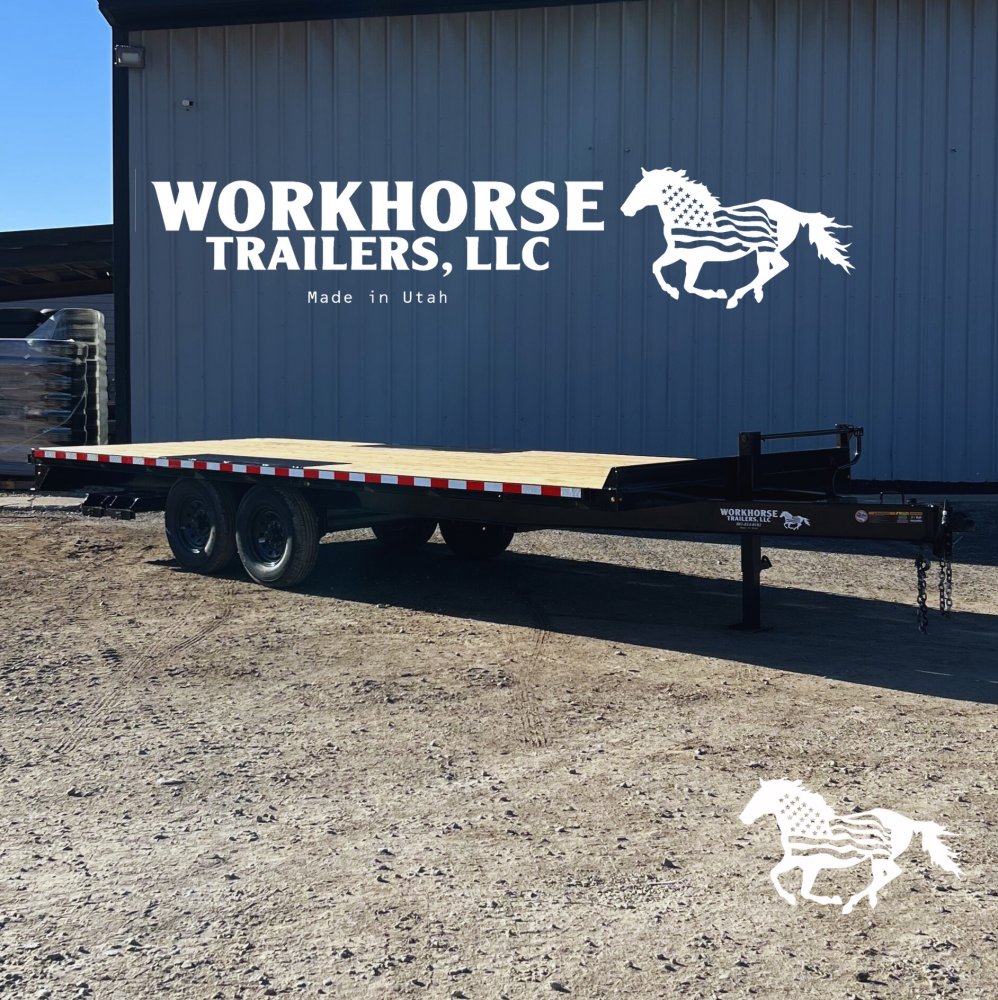
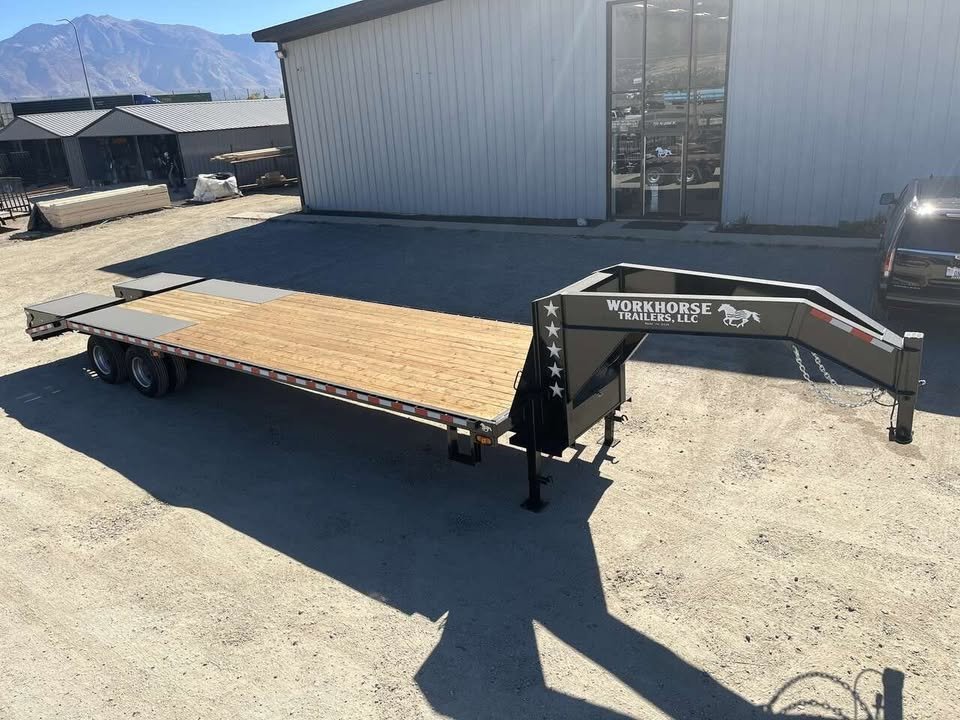
Deck over trailers represent a specialized hauling solution that addresses specific transportation challenges faced by businesses and individuals across the Salt Lake Valley. Unlike conventional trailer designs where wheels protrude beside the deck, deck over configurations position axles and wheels beneath the hauling surface. This architectural distinction creates flush deck edges that extend to the full legal width, delivering substantial advantages for operators moving wide loads, multiple items, or materials requiring maximum platform space. Understanding how deck over design benefits particular applications helps Salt Lake City operators make informed decisions about their hauling investments.
What Distinguishes Deck Over Trailer Architecture
The fundamental characteristic separating deck over trailers from standard designs involves axle placement relative to the cargo deck. Traditional trailers mount axles beside the deck, with fenders protruding upward to cover wheels. This configuration narrows the usable deck width significantly, typically limiting cargo space to 6.5 or 7 feet even though the trailer's overall width approaches 8 feet. Deck over construction places axles completely underneath the platform, allowing the entire legal width to serve as hauling space.
This design choice produces trailers measuring the full 8.5 feet wide at the deck surface, gaining approximately 18 to 24 inches of additional width compared to between-the-fender alternatives. For operators transporting riding mowers, small tractors, UTVs, or materials that benefit from extra width, this increased capacity proves invaluable. The flush deck edges also simplify loading from the sides, as no wheel wells interrupt the platform surface.
Deck height represents another defining characteristic. Because axles sit below rather than beside the deck, the hauling surface typically rides higher above the roadway. This elevation ranges from 24 to 30 inches on most deck over models, compared to 16 to 20 inches for standard designs. The increased height affects loading angles and ground clearance, factors that influence operational suitability for different applications.
Advantages Delivered by Deck Over Configuration
Enhanced Width for Diverse Cargo
The primary benefit driving deck over trailer selection involves expanded deck width. Landscape professionals hauling multiple commercial mowers side by side utilize this extra space efficiently. Construction crews transporting materials gain the ability to stack wider loads without overhang concerns. Equipment operators moving compact machines appreciate not worrying whether track widths will fit between wheel wells.
Salt Lake City businesses serving the Wasatch Front's expanding communities benefit from moving more per trip. Time savings accumulate when fewer journeys are needed to transport equivalent cargo volumes. Fuel costs decrease proportionally, and labor productivity improves when employees spend less time making repeated trips between locations.
Full-Width Loading Accessibility
Deck over design eliminates wheel well intrusions, creating uninterrupted platform surfaces from side to side. This feature simplifies positioning oddly shaped cargo that might not fit neatly between fenders on conventional trailers. Loading and unloading from either side becomes straightforward, valuable when accessing trailers in confined spaces where maneuvering around to the rear proves difficult.
Businesses operating in tight urban environments throughout Salt Lake City appreciate this flexibility. Job sites in established neighborhoods often provide limited space for trailer positioning. The ability to load from whichever side faces available access points streamlines operations and reduces time wasted repositioning trailers.
Increased Ground Clearance Benefits
Higher deck positioning produces greater ground clearance underneath trailers. This characteristic benefits operators regularly traveling rough terrain or unimproved roads common in rural areas surrounding Salt Lake City. Construction sites before final grading often feature uneven surfaces where additional clearance prevents trailer damage from rocks, ruts, or debris.
The elevated deck also provides better departure angles when leaving loading docks or traversing property edges. Businesses delivering materials to challenging locations find that extra clearance prevents the trailer rear from dragging when transitioning between different surface elevations.
Primary Applications Throughout the Salt Lake Region
Landscaping and Grounds Care Services
Commercial landscaping operations represent significant deck over trailer users across Salt Lake City. The ability to transport multiple zero-turn mowers, stand-on units, and walk-behind equipment simultaneously maximizes efficiency. Landscape crews servicing numerous properties daily require hauling capacity for diverse equipment, and deck over width accommodates varied machinery configurations.
Nursery operations delivering trees, shrubs, and landscape materials benefit from the expansive platform. Wider loads remain stable without extending beyond deck edges. The flush surface allows materials to spread across the entire width, distributing weight evenly and maximizing single-trip delivery capacity. During Utah's busy spring and fall planting seasons, this efficiency directly impacts profitability.
Equipment and Tool Transportation
Contractors throughout the Wasatch Front haul generators, compressors, welders, and power equipment to job sites daily. Deck over trailers accommodate multiple machines arranged efficiently across the wide deck. The absence of wheel well interference allows flexible positioning based on specific load requirements each day.
Rental companies serving Salt Lake City's construction boom use deck over trailers for delivering compact equipment. Customers renting multiple items for single projects appreciate consolidated delivery. The rental company benefits from efficient logistics, transporting more equipment per trip and reducing delivery costs that would otherwise impact pricing competitiveness.
Recreational Vehicle and Toy Hauling
Utah's outdoor recreation culture creates substantial demand for transporting ATVs, side-by-sides, dirt bikes, and snowmobiles. Deck over width easily accommodates modern UTVs that often exceed 60 inches in width. Families heading to mountain trails or desert riding areas can load multiple machines on a single trailer, reducing the towing burden compared to pulling multiple trailers.
Motorsports enthusiasts traveling to competition venues throughout the region utilize deck over capacity for hauling race bikes, support equipment, spare parts, and tools. The wide platform serves double duty, transporting competition vehicles and functioning as mobile workspaces at events. This versatility enhances the recreational experience while protecting valuable investments during transportation.
Material Handling and Distribution
Businesses distributing building materials, agricultural supplies, or industrial products leverage deck over trailers for efficient deliveries throughout northern Utah. Palletized goods load efficiently across the full width, maximizing capacity per Department of Transportation weight limits. Companies operating delivery routes optimize logistics by reducing trip frequency while maintaining safe legal operation.
Feed stores serving agricultural customers surrounding Salt Lake City transport bagged products, supplements, and farm supplies to rural properties. The deck over platform accommodates wide loads that would overhang narrower trailers. Stable, contained loads reduce shifting during transport over varied terrain between valley locations and outlying agricultural areas.
Deck Over Trailer Specifications and Options
Length Considerations for Different Needs
Deck over trailers are manufactured in various lengths serving different hauling requirements. Compact 14-foot models suit operators with lighter loads or towing vehicle limitations. Mid-range 16 to 18-foot options provide versatile capacity for diverse applications. Extended 20 to 24-foot configurations serve users transporting large equipment or high-volume materials.
Length selection balances hauling capacity against maneuverability and storage considerations. Longer trailers obviously carry more but require additional parking space and prove more challenging to navigate tight areas. Buyers analyzing their typical loads and operating environments identify optimal lengths that deliver needed capacity without unnecessary bulk. Businesses anticipating growth often select slightly larger trailers to accommodate expanding operations without premature replacement needs.
Axle Configuration Impact on Performance
Single axle deck over trailers offer economy and simplicity for lighter applications. These models typically support 3,500 to 5,000-pound capacity, suitable for lawn equipment, recreational vehicles, and moderate material loads. The single axle configuration provides excellent maneuverability and reduces tire replacement costs compared to multi-axle alternatives.
Tandem axle deck over trailers distribute weight across four tires rather than two, enabling substantially higher capacities ranging from 7,000 to 14,000 pounds. Commercial operations transporting heavy equipment or dense materials require tandem axle strength and stability. The additional tires also provide redundancy where single tire failures don't completely disable the trailer. For businesses dependent on reliable daily hauling, this redundancy justifies the increased initial investment and maintenance complexity.
Ramp Systems and Loading Solutions
Most deck over trailers incorporate fold-down rear ramps for equipment loading. Heavy-duty spring-assisted ramps balance ease of operation against strength requirements for supporting equipment weight. Ramp width matching the full deck provides stable surfaces for driving machinery aboard without precise alignment concerns.
Some deck over models feature removable ramp systems allowing deck conversion to flatbed configuration for material hauling. This versatility appeals to businesses with varied hauling needs that change seasonally or between projects. Landscape companies might use ramps during mowing season but remove them when hauling bulk materials in spring and fall.
Slide-in ramp designs store within the trailer frame when not needed, eliminating separate ramp storage requirements. These systems maintain ramps accessible yet secure during transport. The integrated storage proves valuable for operations where trailer versatility demands rapid configuration changes between different load types throughout workdays.
Decking Materials and Surface Options
Treated lumber remains the predominant deck over trailer surface material. Pressure-treated southern yellow pine provides adequate strength, weather resistance, and reasonable cost. The wood surface offers good traction for equipment tires and allows easy mounting of additional tie-down points where needed. Periodic maintenance including cleaning and resealing extends deck life in Utah's climate where freeze-thaw cycles and sun exposure accelerate weathering.
Steel decking eliminates wood replacement needs at the expense of increased trailer weight. The durable surface withstands years of heavy use with minimal maintenance beyond rust prevention. Textured steel or diamond plate surfaces improve traction. Operations valuing longevity over weight savings find steel decking delivers excellent long-term value despite higher initial costs.
Composite decking materials combine wood fibers with polymers, creating surfaces resistant to rot, splintering, and warping. These advanced materials command premium pricing but offer superior weather resistance and extended service life. Businesses operating in Utah's variable climate conditions where moisture, temperature extremes, and UV exposure degrade traditional materials may find composite decking worthwhile investments.
Regional Operating Considerations for Salt Lake City Users
Altitude and Mountain Pass Navigation
Salt Lake City sits at approximately 4,200 feet elevation, with surrounding mountain passes reaching 7,000 feet and higher. Towing deck over trailers over these elevation changes requires adequate towing vehicle power. The higher deck position and typically heavier construction of deck over models compared to lightweight utility trailers demands careful attention to towing capacity specifications.
Operators regularly traversing Parley's Canyon, Big Cottonwood Canyon, or routes through surrounding mountains must ensure their towing vehicles possess sufficient power and braking capability. Automatic transmissions should include tow/haul modes for maintaining appropriate gearing on grades. Trailer brake systems become essential rather than optional when hauling loaded deck over trailers through mountainous terrain.
Seasonal Temperature Extremes
Northern Utah experiences substantial temperature variations throughout the year. Summer temperatures frequently exceed 95 degrees while winter lows drop below zero. These extremes affect trailer components differently than moderate climates. Tire pressure fluctuations require monitoring as ambient temperatures change. Hydraulic systems on trailers with powered ramps need appropriate fluid formulations preventing winter thickening or summer thinning.
Wood decking expands and contracts with temperature and humidity variations. Fasteners may loosen as materials move through seasonal cycles. Periodic inspection and re-tightening maintains deck integrity and prevents boards from shifting or separating. Metal components benefit from lubrication preventing moisture-related corrosion during wet spring months and ice accumulation during winter.
Road Conditions and Surface Challenges
Salt Lake City maintains excellent major roadways, but job sites and rural locations often feature challenging surfaces. The increased ground clearance of deck over trailers provides advantages on unpaved roads, construction sites, and properties with rough access. However, the higher center of gravity compared to low-deck trailers requires attention to lateral stability on uneven terrain.
Operators should maintain moderate speeds on rough surfaces to prevent excessive bouncing that could shift loads or damage suspension components. When possible, surveying routes before hauling valuable or unstable loads helps identify potential obstacles. Businesses regularly accessing challenging locations might consider deck over models with enhanced suspension systems designed for rough service conditions.
Evaluating Salt Lake City deck over trailers requires understanding how increased width and ground clearance benefit specific applications. The expanded deck surface suits operations moving wide equipment, multiple items, or materials where maximum platform area improves efficiency. Commercial landscapers, equipment haulers, recreational vehicle owners, and material distributors find deck over design advantages justify the typically higher cost compared to standard trailer configurations.
Maintenance Practices Extending Trailer Service Life
Bearing Service and Wheel Maintenance
Wheel bearings support substantial loads while allowing wheels to rotate freely. Proper lubrication prevents premature wear and potential failures. Most manufacturers recommend annual bearing inspection and repacking, though trailers subjected to frequent use or water exposure may require more frequent service. This preventive maintenance proves far less expensive than bearing failure repairs plus potential damage from wheels separating during operation.
Tire condition monitoring includes checking pressure, inspecting tread depth, and examining sidewalls for cracks or damage. Deck over trailers with tandem axles require attention to even tire wear across all positions. Uneven wear patterns indicate alignment problems, overloading, or improper inflation. Addressing these issues promptly prevents tire failures and improves towing stability.
Frame and Structural Inspections
Trailer frames endure constant stress from loads and road impacts. Annual comprehensive inspections identify developing cracks, damaged welds, or loose fasteners before they cause failures. Critical inspection areas include hitch mounting points, cross members supporting the deck, axle mounting locations, and areas subject to high stress during loading.
Small cracks often propagate rapidly under continued loading. Early detection allows repairs restoring full structural integrity. Advanced damage may require extensive welding or component replacement. Establishing inspection schedules based on usage intensity helps catch problems early while repair costs remain modest.
Deck Condition and Surface Treatment
Wood decking requires ongoing maintenance preserving its integrity. Annual cleaning removes accumulated dirt, plant material, and debris that traps moisture against wood surfaces. After cleaning, inspecting for cracked, rotted, or damaged boards identifies replacement needs. Applying quality wood sealant protects against moisture penetration and UV damage.
Fastener inspection ensures deck boards remain securely attached to supporting structure. Vibration and wood movement can loosen screws or bolts over time. Re-tightening hardware and replacing damaged fasteners maintains secure deck attachment. For heavily used trailers, upgrading to larger fasteners or adding supplemental attachment points improves long-term deck stability.
Electrical System Reliability
Lighting systems require regular function checks ensuring all bulbs operate correctly. LED lighting technology offers superior reliability and longevity compared to incandescent bulbs, making LED upgrades worthwhile investments for trailers with traditional lighting. Trailer electrical connectors corrode from weather exposure and road spray. Applying dielectric grease to connectors prevents corrosion and ensures reliable connections.
Wiring harnesses should be secured properly preventing rubbing against frame members or dragging on ground. Abraded insulation causes short circuits and lighting failures. Inspecting wiring periodically and addressing any damage prevents electrical problems that could result in citations or accidents from inadequate trailer lighting visibility.
Legal Requirements for Utah Trailer Operation
Registration and Identification
Utah law mandates registration for trailers operating on public roadways. Registration fees vary based on trailer weight classifications. Trailers must display current registration decals in designated locations visible to law enforcement. Maintaining proper registration avoids citations and legal complications.
License plates mounted to trailer rears must remain visible and illuminated. Obscured plates from dirt accumulation or burned-out license plate lights create citation opportunities during traffic stops. Regular cleaning and bulb replacement maintains compliance.
Safety Equipment Standards
Functional lighting represents mandatory safety equipment. Tail lights, brake lights, turn signals, and side markers must operate correctly. Reflectors enhance visibility during nighttime operation. These safety features protect operators and other motorists sharing Utah roadways.
Safety chains provide backup attachment in case primary hitch connections fail. Properly rated chains sized for trailer weight ensure adequate strength. Crossed chains under the hitch create cradles catching tongues if separations occur, preventing complete detachment. This simple safety measure prevents catastrophic accidents.
Weight Compliance and Hauling Limits
Utah establishes maximum weight limits for vehicle and trailer combinations. Gross Combined Weight Rating represents total allowable weight including towing vehicle, trailer, and cargo. Exceeding these limits violates state law and creates safety hazards. Operators must know their loaded weights and verify compliance with applicable regulations.
Axle weight limits apply in addition to gross weight restrictions. Improperly distributed loads might comply with total weight limits while exceeding individual axle ratings. Understanding weight distribution and measuring actual loads prevents violations and improves towing safety throughout the Salt Lake region.
Making Sound Deck Over Trailer Investments
Assessing Actual Hauling Requirements
Successful trailer selection begins with honest assessment of typical loads. What items require transportation most frequently? What are their dimensions and weights? How often do hauling needs arise? These questions clarify whether deck over design advantages justify premium costs compared to standard trailer alternatives.
Businesses should evaluate not just current needs but anticipated growth. Companies expanding service areas or adding equipment may need greater capacity than present operations require. Purchasing appropriately sized trailers initially prevents premature replacement expenses as businesses grow.
Budget Planning Beyond Purchase Price
Total ownership costs extend well beyond initial acquisition expenses. Registration fees, insurance premiums, maintenance costs, and potential storage expenses accumulate throughout ownership periods. Realistic budget planning accounts for these ongoing obligations, preventing financial surprises.
Higher quality trailers typically cost more initially but often deliver lower total ownership costs through reduced maintenance needs and longer service lives. Comparing lifetime expenses rather than just purchase prices reveals which options provide superior value. Businesses should also consider downtime costs when cheaper trailers require repairs, as operational interruptions impact revenue generation.
Selecting Reputable Providers
Trailer quality varies significantly across manufacturers and sellers. Reputable providers offer equipment engineered for durability and backed by meaningful warranties. Customer support including parts availability and service assistance adds value beyond the physical product.
Workhorse Trailers LLC brings extensive knowledge of trailer applications throughout Salt Lake City's diverse industries. Rather than pushing maximum-profit products, experienced providers help customers identify solutions matching their genuine requirements. This consultative approach ensures buyers receive appropriate equipment delivering long-term satisfaction and value.
The company understands Utah's operating environment including climate challenges, terrain variations, and regulatory requirements affecting trailer selection and use. Local expertise helps customers avoid common mistakes and select configurations optimized for regional conditions.
Post-purchase support maintains equipment performance throughout ownership periods. Access to replacement parts, maintenance guidance, and operational recommendations helps customers maximize their investments. When questions arise or assistance becomes necessary, responsive support minimizes disruptions and keeps operations running smoothly.
Deck over trailer applications continue expanding across Salt Lake City as businesses recognize the efficiency advantages of increased deck width and versatile platform design. From landscape professionals maximizing equipment hauling capacity to recreational users transporting multiple vehicles for mountain adventures, deck over trailers solve specific transportation challenges that standard designs cannot address as effectively. Selecting appropriate equipment from knowledgeable providers ensures these investments deliver the performance and reliability that Utah operations demand.