
Reno Utility Trailers
All locationsReno has been growing faster than its infrastructure can absorb, and the people driving that growth are the same people who need utility trailers. The construction workers framing houses in the subdivisions expanding across Cold Springs and Lemmon Valley haul materials and debris between sites daily. The new residents arriving from California’s Bay Area discover that maintaining a half-acre lot in the high desert requires moving gravel, mulch, and landscaping stone in quantities that don’t fit in an SUV. The outdoor recreation culture that draws people to the Truckee Meadows in the first place generates weekend loads of mountain bikes, kayaks, camping gear, and off-highway vehicles headed toward the Sierra Nevada or the desert basins to the east. And the warehouse and distribution operations multiplying along the USA Parkway and Tahoe Reno Industrial Center corridor create demand for tradespeople who haul their tools and supplies on utility trailers every working day. Workhorse Trailers LLC provides utility trailers to Reno buyers navigating a market shaped by rapid population growth, four-season weather, and a lifestyle that blurs the boundary between work hauling and weekend hauling in ways that few other western cities replicate.
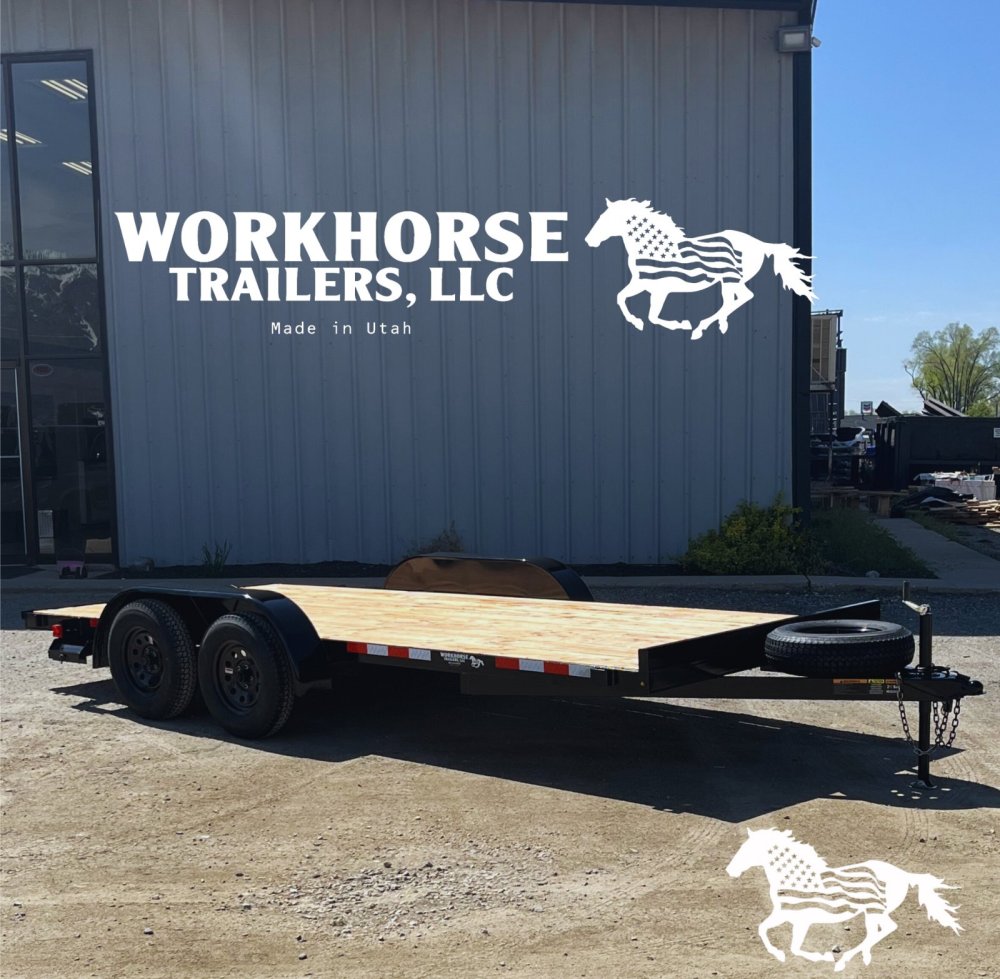
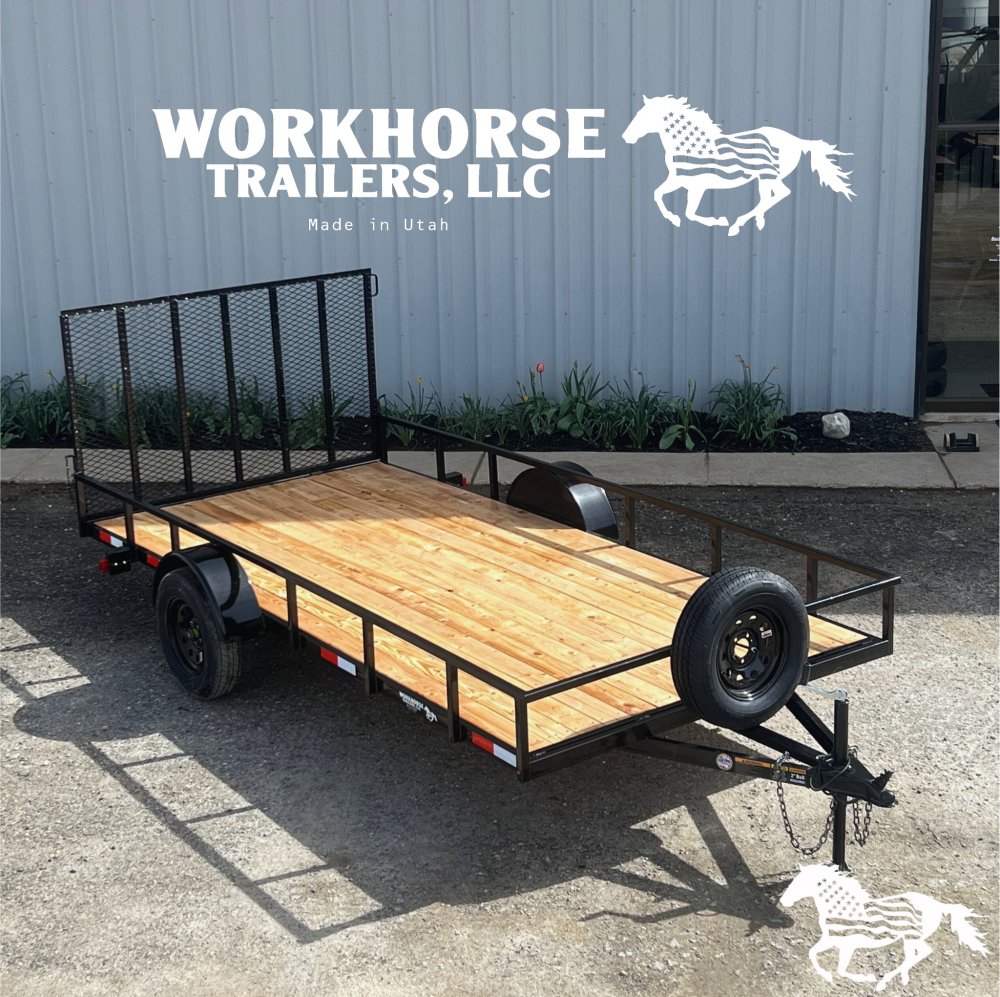
A utility trailer serves as the common denominator across all of these demands. Open bed, low rails, rear gate, and enough payload to handle whatever the owner throws at it. The utility trailer’s appeal in Reno lies in its refusal to specialize. It carries landscaping rock on Tuesday, an ATV on Saturday, and a load of moving boxes the following weekend without requiring the owner to swap equipment between tasks. For a city whose population has diversified rapidly and whose residents tend to pursue both professional trades and active recreation, the utility trailer is the single piece of equipment that serves the full spectrum.
Reno’s Four-Season Climate and Utility Trailer Ownership
Reno sits at roughly 4,500 feet of elevation in the rain shadow of the Sierra Nevada, producing a climate that delivers genuine variety across the calendar. This four-season reality affects how utility trailers are used, maintained, and stored throughout the year in ways that single-season markets don’t experience.
Spring Mud and Runoff Season
The Truckee Meadows snowpack melts through March and April, saturating the ground across Reno’s undeveloped lots, construction sites, and surrounding recreation areas. Utility trailers hauling loads to and from properties in the foothills above Caughlin Ranch, along the edges of Hidden Valley, and across the developing parcels south of Damonte Ranch encounter mud that coats the undercarriage, packs into wheel wells, and clings to every exposed surface.
Mud that’s left to dry on the trailer’s frame and axle components traps moisture against the steel and creates a corrosion environment similar to what coastal salt spray produces. The alkaline content of Truckee Meadows soil amplifies this effect. Washing the undercarriage after spring hauling sessions removes the mud before it transitions from nuisance to corrosion accelerant.
Summer Heat and UV
Reno’s summers push above 100 degrees regularly, with UV intensity amplified by the elevation. Tire rubber, wiring insulation, and any plastic or rubber components exposed to direct sun degrade faster at 4,500 feet than at sea level because the thinner atmosphere filters less ultraviolet radiation. The summer heat also elevates tire operating temperatures during highway travel, which matters for Reno utility trailer owners making weekend trips to Pyramid Lake, the Peavine Mountain trail system, or the hot springs scattered across the Smoke Creek Desert to the north.
Parking the trailer in shade between uses and checking tire condition annually for sidewall cracking provides adequate protection for most Reno owners. Trailers that sit outdoors in direct sun year-round develop UV damage noticeably faster than those stored under a carport or along the shaded side of a building.
Fall Preparation and Transitional Hauling
September through November is peak utility trailer season in Reno. Yard cleanups generate loads of green waste and brush. Firewood deliveries from suppliers in the Verdi and Mogul areas west of town require a trailer for buyers picking up their own cord wood. Construction projects push to complete exterior work before winter weather shuts down outdoor operations. And hunters heading into the Virginia Range, the Wassuk Range, and the Pine Nut Mountains east and south of Reno load ATVs and camp gear for the various big game and upland seasons.
This convergence of uses means fall is when Reno utility trailers accumulate their heaviest use and their most diverse cargo. A trailer that carried bark mulch on Saturday might carry a dressed elk on the following Sunday. Cleaning between dramatically different loads prevents contamination and maintains the trailer’s condition across the transition.
Winter Operation and Road Treatment Exposure
Reno’s winter brings snow to the valley floor, sustained cold periods, and road treatment on major arteries and neighborhood streets. NDOT and local public works departments apply a mix of salt brine, cinders, and liquid deicers across Reno’s road network. Utility trailers towed through treated streets accumulate chemical residue that accelerates corrosion on exposed steel, particularly at weld joints and where road debris has chipped the protective finish.
The owners who maintain their trailers for a decade in Reno’s climate are the ones who wash road treatment residue from the frame and undercarriage after winter trips. The owners who don’t find rust blooming along the frame rails within three to four years, progressing to structural compromise if left unchecked.
Residential Storage and HOA Considerations
Reno’s growth has delivered thousands of new homes in master-planned communities governed by homeowners associations with varying policies on trailer storage and parking. Buyers who assume they can park a utility trailer in their driveway indefinitely may discover that their HOA restricts trailer storage to enclosed garages, limits driveway parking to 48 or 72 hours, or prohibits visible trailer storage entirely.
Compact Storage Solutions
Single-axle utility trailers in the 4×8 to 5×10 range fit inside a standard two-car garage bay with the tow vehicle parked alongside or in front. This configuration satisfies the most restrictive HOA requirements by keeping the trailer entirely enclosed and invisible from the street. Reno buyers living in communities like Arrowcreek, Somersett, Montreux, or the newer developments in south Reno’s Bella Vista and Rio Wrangler areas should verify their HOA’s trailer storage policy before purchasing and size the trailer to fit their available enclosed space if restrictions apply.
Street Parking Regulations
The City of Reno and Washoe County enforce parking ordinances that limit how long trailers can remain on public streets. In Reno’s city limits, recreational and utility trailers parked on residential streets face time restrictions that vary by neighborhood. Enforcement is typically complaint-driven, meaning a neighbor’s objection triggers a citation that proactive compliance would have avoided. Storing the trailer on private property rather than the street eliminates this variable entirely.
Sizing for Reno’s Mixed-Use Hauling Patterns
Reno utility trailer buyers frequently use the same trailer across work, property maintenance, and recreational applications. Selecting the right size involves balancing capacity across these diverse uses rather than optimizing for any single one.
The Versatile Mid-Size Range
Trailers in the 6×10 to 6×12 range on tandem axles represent the sweet spot for most Reno buyers. This size handles a full weekend of landscaping materials, accommodates two ATVs or a single side-by-side vehicle, carries enough firewood for a significant delivery, and provides adequate deck space for moving household items during the residential relocations that Reno’s growth has made commonplace.
The tandem-axle configuration provides stability on the mountain grades that Reno utility trailers encounter regularly. The climb on Mt. Rose Highway toward Tahoe, the grade on Geiger Grade heading southeast toward Virginia City, and the ascent along old US-40 toward Donner Summit all subject loaded trailers to sustained pulling that tandem axles and their associated braking capacity handle more securely than single-axle alternatives.
When Larger Makes Sense
Reno contractors, property managers, and commercial landscape operators benefit from 7×14 and 7×16 utility trailers that maximize payload per trip. A landscaping company servicing accounts across Sparks, Spanish Springs, and the South Meadows business parks covers significant mileage between clients. Carrying a full day’s worth of materials, equipment, and waste capacity on a single larger trailer eliminates mid-day resupply trips that fragment the work schedule and add fuel costs.
The larger size does create storage challenges in Reno’s residential neighborhoods, where lot sizes in established areas like Old Southwest, Midtown, and the neighborhoods surrounding UNR are modest. Buyers who need the larger format should confirm they have off-street storage capacity before purchasing.
Reno’s Outdoor Recreation and Utility Trailer Demand
The recreational culture that defines Reno’s identity generates utility trailer demand that other cities of similar population don’t produce.
Off-Highway Vehicle Access
The Bureau of Land Management land surrounding the Truckee Meadows provides practically unlimited OHV access within an hour’s drive. The Peavine Mountain network north of town, the Hungry Valley area east of Sparks, and the extensive trail systems accessible from the Lovelock and Fernley exits along I-80 draw riders who transport ATVs, dirt bikes, and UTVs on utility trailers every weekend during riding season.
Utility trailers serve this community better than enclosed trailers for several reasons. The open bed allows dust and mud to fall through or wash off rather than accumulating inside an enclosed space. Loading and unloading OHVs with handlebars, roll cages, and roof structures is easier without the height restriction of an enclosed ceiling. And the same trailer that hauls machines on Saturday carries yard waste or building materials during the week without any reconfiguration.
Lake Tahoe and Sierra Access
Reno’s proximity to Lake Tahoe puts utility trailer owners within 45 minutes of a destination that generates its own hauling demands. Kayaks, paddleboards, camping equipment, and mountain bikes headed to Tahoe’s beaches, trails, and campgrounds ride utility trailers from Reno garages through the Mt. Rose corridor or the I-80 and Highway 267 routes to the lake. The elevation gain from Reno’s 4,500 feet to the passes exceeding 7,000 feet means towing up mountain grades with regularity, which rewards properly maintained brakes, tires, and bearings.
Washoe County Registration and Compliance
Utility trailers registered in Washoe County follow Nevada’s DMV process. The county’s sales tax rate of 8.265 percent applies to trailer purchases, positioning it above Elko County’s 6.85 percent but below Clark County’s 8.375 percent. Registration is handled at the Washoe County DMV offices on Galletti Way or through satellite locations in the Reno area.
Braking requirements follow the statewide standard: brakes on all wheels above 3,000 pounds GVWR, breakaway systems for all trailers with electric brakes, and functioning lighting on all trailers operated on public roads. Washoe County Sheriff and Reno Police respond to trailer-related complaints including non-functional lighting, expired registration, and parking violations, making compliance a practical priority rather than a theoretical one.
Gate Selection and Its Impact on Reno Use Patterns
The rear gate configuration on a utility trailer determines how cargo enters and exits, and Reno’s mixed-use patterns make this choice more consequential than it might seem.
A solid tailgate that folds flat to serve as a ramp extension handles OHV loading efficiently and provides a continuous surface for wheeled or tracked equipment. A mesh gate reduces weight and allows visibility behind the trailer during towing but doesn’t function as a loading ramp. A split gate with an upper section that folds independently allows tall cargo like appliances or stacked materials to be secured without removing the full gate.
Reno buyers who load ATVs and carry loose materials with equal frequency should prioritize a solid ramp gate with adequate weight rating for their heaviest machine. The ramp function serves the recreation role, and the solid surface contains loose cargo during work hauling. A gate rated only for 500 pounds won’t survive repeated ATV loading, so verifying the gate’s load rating against the heaviest item that will drive over it prevents the bending and hinge failures that undersized gates develop quickly.
Workhorse Trailers LLC and the Reno Utility Trailer Market
Workhorse Trailers LLC serves Reno utility trailer buyers who need a single platform that performs across the city’s full range of uses, from weekday contractor hauling through weekend recreation transport, while tolerating the four-season climate that distinguishes Reno from Nevada’s southern markets. The company matches each buyer to a utility trailer sized for their primary uses, built to handle the mountain grades and seasonal conditions that surround the Truckee Meadows, and specified for the storage and regulatory realities of Reno’s residential neighborhoods.
Reno buyers comparing utility trailers for work, recreation, property maintenance, or general-purpose hauling can visitReno Utility Trailers to review available options and connect with the Workhorse team for recommendations tailored to Reno’s operating environment.
A utility trailer in Reno works year-round across demands that change with the season and the day of the week. Workhorse Trailers LLC makes sure the one you choose handles all of it.