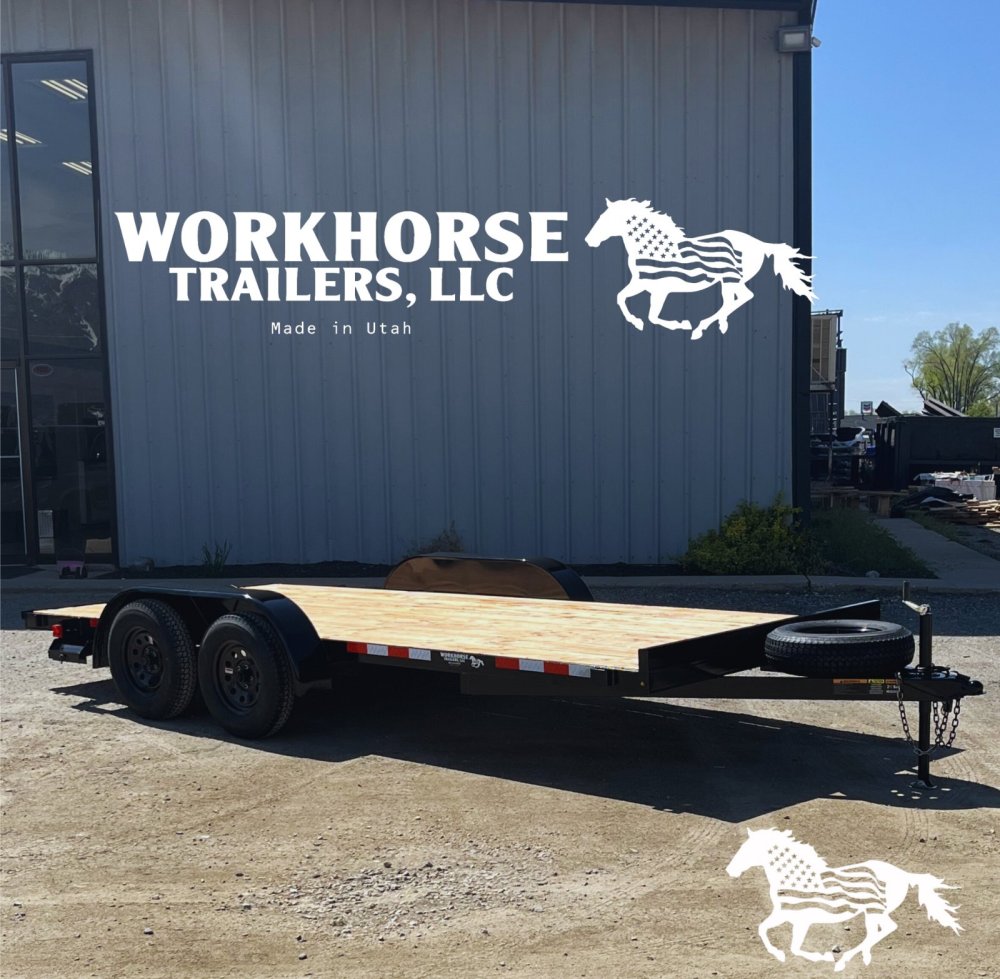
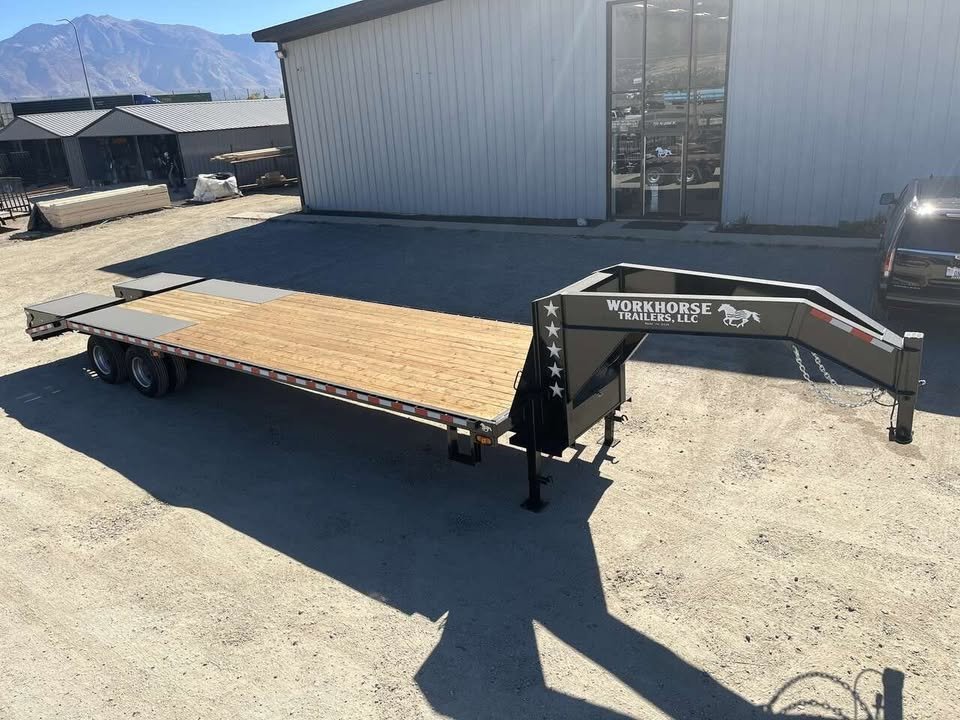
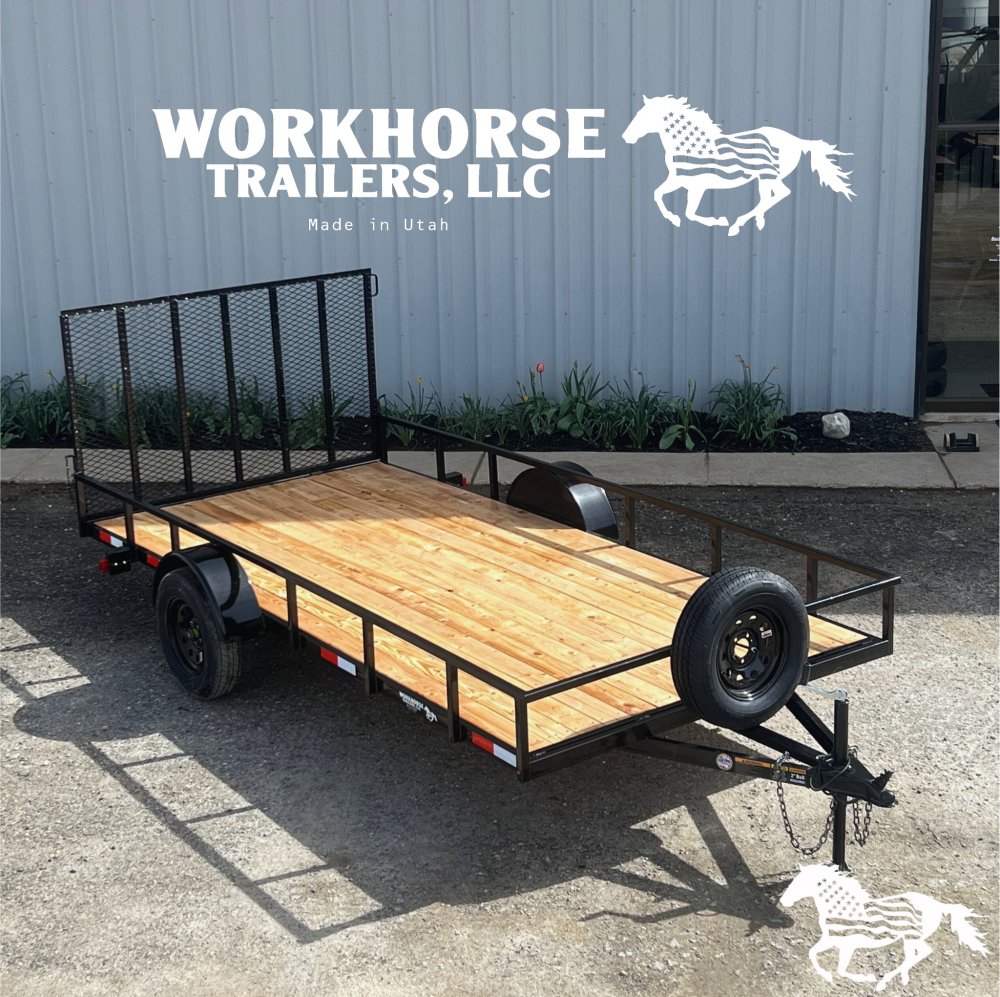
Reno Car Hauler Trailers
All locationsReno’s relationship with cars runs deeper than most cities its size. Hot August Nights transforms downtown into one of the country’s largest classic car gatherings every summer, drawing thousands of vehicles from across the western states. The drag racing community at Top Gun Raceway in Fallon and the road course events at Thunderhill and other regional tracks keep the competition scene active from spring through fall. The Reno-Sparks industrial corridors house restoration shops, custom fabricators, and performance builders whose finished products ship to clients in California, Oregon, and beyond. And the steady migration of residents from the Bay Area and Southern California brings a population that owns collector vehicles, project cars, and weekend toys at rates that the Truckee Meadows car culture has enthusiastically absorbed. Every one of these activities generates the need to move vehicles that shouldn’t, can’t, or won’t drive themselves to their destination. Workhorse Trailers LLC supplies car hauler trailers to Reno buyers operating across this full automotive spectrum, from the hobbyist trailering a barn find home from a Fallon estate sale to the professional transporter delivering completed builds to clients across state lines.
A car hauler trailer exists at the intersection of protection and precision. The vehicle riding on it represents value that ranges from sentimental to six figures, and the trailer’s job is to carry that value without adding a single scratch, chip, or mechanical stress to the cargo. In Reno, the trailer also has to cross mountain passes, handle winter weather, and navigate a towing environment shaped by the Sierra Nevada’s proximity and the seasonal conditions it produces.
The Reno Automotive Ecosystem and Transport Demand
Understanding who moves vehicles in the Reno area and why helps frame the car hauler purchase decision for buyers entering this market.
Hot August Nights and the Show Circuit
The annual Hot August Nights event in downtown Reno and the surrounding venues generates concentrated car hauler demand during the late July and early August window. Participants arriving from out of state tow show cars on their own trailers. Local participants who store their cars year-round in Reno garages and warehouses bring them out on haulers to avoid putting street miles on pristine restorations. And the support ecosystem around the event, including detailing services, mobile mechanics, and parts vendors, generates its own transport activity as vehicles move between preparation shops and display locations.
Beyond Hot August Nights, Reno’s show car community participates in regional events throughout the season. The Kits, Kulture, and Kustoms shows, local cruise nights, and charity car events in Sparks, Carson City, and the Tahoe basin all produce trailer-worthy vehicle movements for owners who protect their investments from road exposure between displays.
Professional Restoration and Build Shops
The industrial parks along Glendale Avenue, East Greg Street, and the Sparks industrial zone host a concentration of automotive restoration, fabrication, and performance shops that serve clients regionally. A resto-mod shop completing a $150,000 build doesn’t hand the keys to a client and point toward the highway. The finished vehicle travels by enclosed car hauler to the client’s garage, whether that garage is in Sacramento, Portland, or Scottsdale. Some shops maintain their own transport trailers. Others contract with local haulers who specialize in high-value vehicle delivery.
The build shop delivery market demands enclosed car haulers with interior protection features including wheel chocks, soft tie-down points, and interior wall padding at vehicle-contact heights. A single rock chip or paint scuff during delivery undermines the shop’s reputation regardless of the build’s quality. The trailer is the last link in a process that may have spanned months of meticulous work.
California-to-Reno Vehicle Migration
Reno’s population growth, driven substantially by relocation from California’s coastal cities, has created a steady flow of vehicles arriving from the Bay Area, Sacramento, and Southern California. New residents frequently tow a second or third vehicle behind a moving truck or make return trips to retrieve project cars, classic trucks, and recreational vehicles that didn’t fit in the initial move. Private sellers on the California side of the Sierra generate additional traffic as Reno buyers find the car they want in the Bay Area’s larger inventory and need transport over the mountains.
This California-to-Reno corridor places car hauler trailers on the most demanding stretch of highway in the region: Interstate 80 over Donner Summit.
Mountain Pass Towing and the Donner Summit Factor
Every car hauler owner in Reno eventually crosses the Sierra Nevada, and the I-80 corridor over Donner Summit defines the challenge.
Grade Profile and Braking Demands
The eastbound descent from Donner Summit toward Truckee drops roughly 2,000 feet over a stretch of highway that includes curves, merging traffic, and winter conditions that compress the margin for error. A car hauler loaded with a 4,500-pound vehicle creates a combination that generates significant momentum on this descent. Trailer brakes must be calibrated to supplement the tow vehicle’s braking aggressively enough to maintain safe speed without overheating.
Brake fade on the Donner descent is a documented cause of incidents involving loaded trailers. Electric brakes that operate continuously during a 15-minute sustained downgrade generate heat that standard brake drums and shoes can absorb only to a point. Upgrading to larger brake drums with greater thermal mass extends the fade threshold. Using lower gears to engage engine braking before applying the trailer brakes reduces the thermal load on the friction components. Both strategies should be standard practice for any Reno car hauler owner making regular Sierra crossings.
Chain Control Compliance
Caltrans and NDOT enforce chain controls on I-80 during winter storms, and the requirements apply to trailers as well as tow vehicles. When chain controls reach R-2 or R-3 levels, vehicles towing trailers may be required to chain the trailer’s tires in addition to the tow vehicle. Many car hauler owners don’t carry chains sized for their trailer tires and discover this gap at the chain control checkpoint, resulting in either a turnaround or a roadside scramble to acquire chains from vendors who charge premium prices during storms.
Reno car hauler owners who cross the Sierra between November and April should carry a set of chains fitted to the trailer’s tire size alongside the tow vehicle’s chains. Verifying chain fit before the first winter trip avoids the frustration of discovering at 6,000 feet of elevation that the chains purchased online don’t fit the trailer’s wheel clearance.
Weather Window Planning
Experienced Reno car hauler operators plan Sierra crossings around weather windows rather than fixed schedules. A clear Tuesday morning provides a dramatically safer and more comfortable towing experience than a Friday afternoon when a storm system is approaching from the Pacific. The National Weather Service’s Reno office and the Caltrans QuickMap system provide real-time and forecast information that allows trip timing adjustments.
For high-value vehicle transport, the cost of delaying a trip by 24 hours to wait for clear conditions is negligible compared to the risk of transporting a $100,000 vehicle through a Sierra storm with reduced visibility, icy pavement, and chain-control speed restrictions.
Open vs. Enclosed Selection for Reno’s Climate
Reno’s four-season climate with genuine winter conditions creates a different open-versus-enclosed calculus than the heat-dominated decision in southern Nevada.
Winter Transport Protection
Snow, sleet, road spray, and deicing chemicals on the I-80 corridor during winter coat every exposed surface of a vehicle riding on an open car hauler. Road brine is particularly damaging to bare metal, chrome, and freshly painted surfaces. A vehicle transported on an open hauler through a winter Sierra crossing arrives at its destination coated in chemical residue that must be washed immediately to prevent etching and staining.
Enclosed car haulers eliminate winter road chemical exposure entirely. For owners transporting finished restorations, fresh paint, or vehicles with exposed chrome through the winter months, the enclosed trailer isn’t about preference. It’s about preventing damage that starts working the moment the chemical contacts the surface.
Summer and Shoulder Season Flexibility
During Reno’s dry months from June through October, open car haulers provide adequate protection for the majority of vehicle transport situations. Road debris remains a concern on the I-80 construction zones and on the gravel shoulders of Highway 395 and Highway 431, but the absence of road chemicals and precipitation removes the primary arguments for enclosed protection during warm weather.
Many Reno car hauler owners who transport vehicles year-round own both an open and an enclosed trailer, using the open unit for warm-weather moves and general transport while reserving the enclosed trailer for winter crossings and high-value deliveries. Buyers who can only justify a single trailer and plan to tow through winter should weight their decision toward enclosed, accepting the additional cost and storage footprint as the price of year-round capability.
Reno-Area Motorsport Transport
The northern Nevada motorsport scene generates car hauler demand distinct from the show car and collector market.
Drag Racing and Quarter-Mile Events
Top Gun Raceway near Fallon draws Reno-based drag racers for regular events and grudge nights throughout the season. The 55-mile drive from Reno to Fallon on US-50 crosses open desert with consistent crosswind exposure. Loaded car haulers carrying drag cars with high rear weight bias, including vehicles with wheelie bars and parachute packs protruding beyond the trailer deck, need tie-down systems that account for the non-standard weight distribution these machines present.
Drag cars often carry spent fuel, oil residue, and tire rubber debris that should be managed during transport. Open car haulers allow this residue to dissipate naturally. Enclosed haulers require floor protection and ventilation to prevent fume accumulation from fuel-soaked components inside the sealed space.
Off-Road Racing and Rally Support
The desert terrain surrounding Reno hosts off-road racing events that attract competitors towing chase vehicles, pre-runners, and primary race machines on car haulers. These vehicles are often lifted, wide-bodied, and fitted with external accessories that exceed standard vehicle dimensions. Car hauler width, tie-down point positioning, and deck length must accommodate machines that don’t conform to standard vehicle footprints.
Reno off-road competitors should measure their specific vehicle’s transport dimensions, including the width across the widest point with accessories, the wheelbase, and the overall length with spare tire carriers or rear bumper extensions, before selecting a car hauler. A trailer that fits a standard sedan may not clear the fender flares on a trophy truck or the rock sliders on a built Jeep.
Washoe County Registration and Insurance
Car hauler trailers registered in Washoe County follow Nevada’s DMV process at the local offices. The county’s 8.265 percent sales tax applies to the purchase price. Registration renewal is annual and based on declared weight.
Insurance coverage for the vehicle being transported deserves careful verification. A standard auto insurance policy may cover the vehicle while it’s loaded on the trailer, but exclusions for transport-related damage vary by carrier. Reno car hauler owners transporting high-value vehicles should confirm with their insurance provider that damage occurring during loading, transit, and unloading is covered under their policy, including coverage for road debris impact and tie-down related damage. Separate inland marine or cargo insurance policies provide more comprehensive coverage for professional and frequent transporters.
Workhorse Trailers LLC and Reno Car Hauler Buyers
Workhorse Trailers LLC serves Reno car hauler buyers with an understanding of how the Sierra crossings, the four-season climate, and the city’s deep automotive culture shape the requirements for vehicle transport equipment. The company matches each buyer to a car hauler configuration that handles the specific vehicles they move, the routes they travel, and the seasonal conditions they encounter.
Reno buyers evaluating car hauler trailers for show car transport, build shop delivery, motorsport logistics, or personal vehicle retrieval can visitReno Car Hauler Trailers to compare available models and connect with the Workhorse team for recommendations specific to the Reno towing environment.
The car hauler you choose in Reno has to handle a mountain pass in January and a show field in August. It has to protect a restoration worth more than most people’s homes and tow reliably through conditions that change dramatically between the valley floor and the summit. Workhorse Trailers LLC makes sure it handles all of it without compromise.