
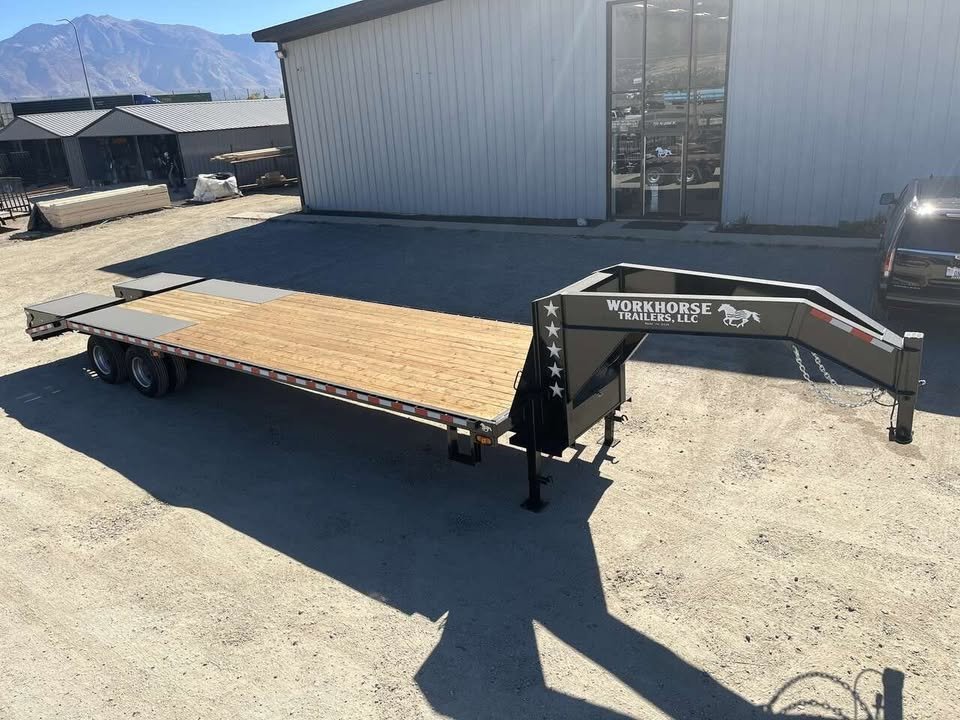
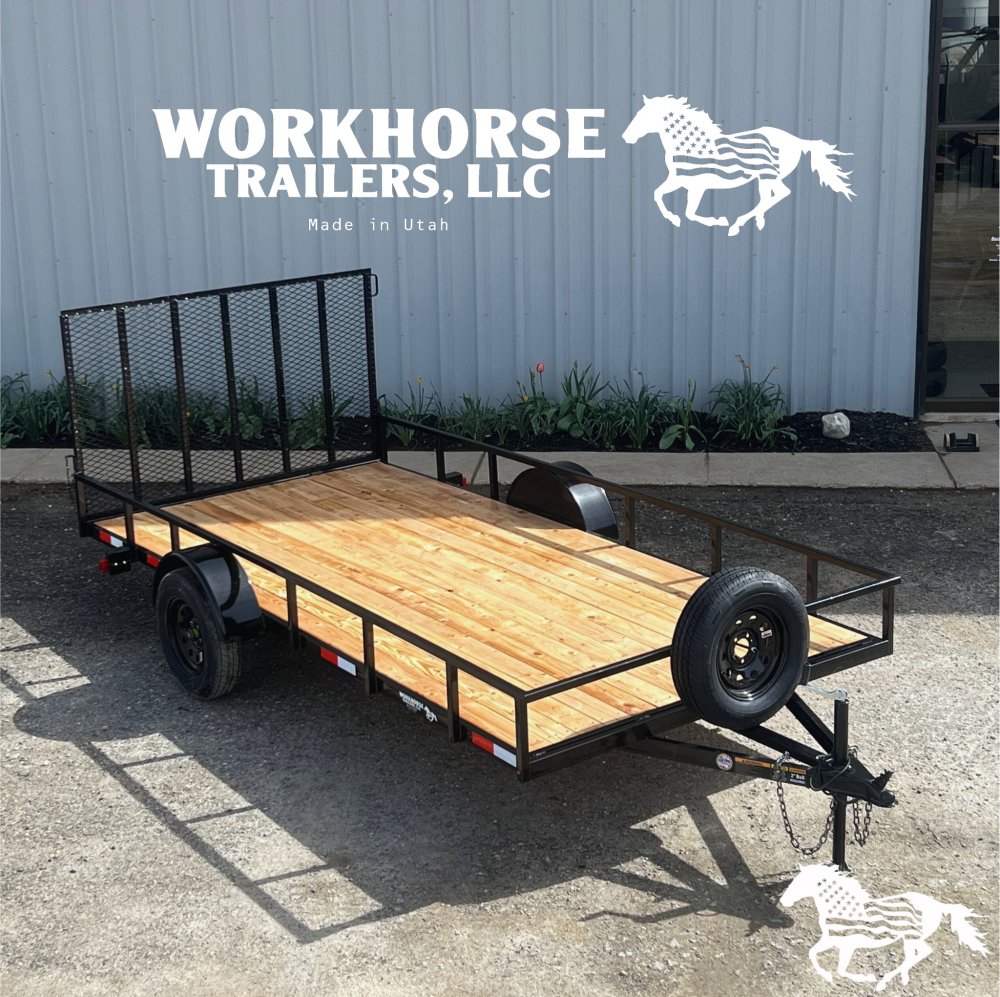
Rawlins Deck Over Trailers
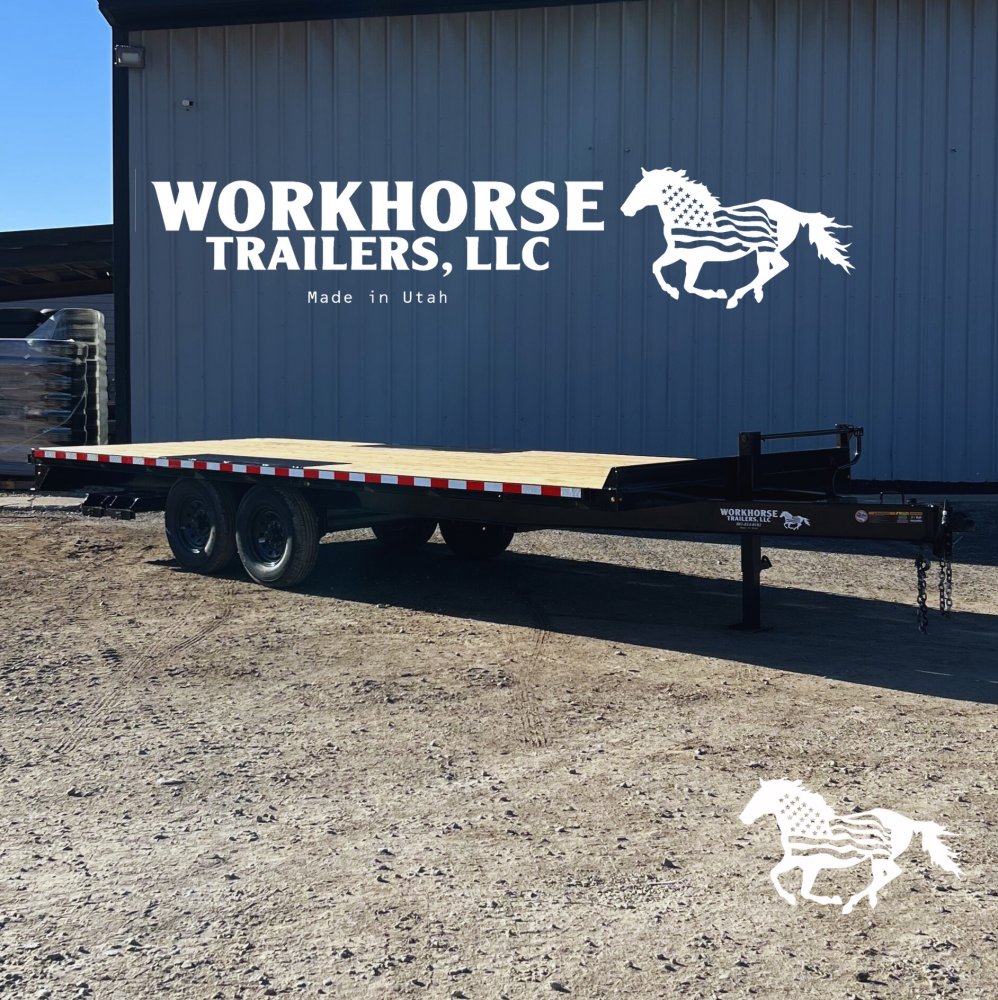
All locationsThe cargo that moves through Rawlins does not arrive in tidy packages designed to fit between wheel wells. It arrives in the form of eight-foot-wide rig mats pulled from a drilling location south of the Continental Divide. It arrives as a bundled pipe destined for a gas gathering line replacement in the Wamsutter field. It arrives as stacked portable corral panels headed to a BLM allotment turnout 60 miles from the nearest fence line. And it arrives as oversized industrial components bound for the compressor stations, pump facilities, and processing plants that keep Carbon County’s energy infrastructure running. Every one of these loads shares a defining characteristic. They are too wide to fit within the restricted cargo channel that a conventional flatbed trailer creates between its fender wells. A deck over trailer solves this problem structurally by positioning the entire platform above the wheel line, providing a flat, unobstructed loading surface that accepts wide cargo without compromise, improvisation, or risk. Workhorse Trailers LLC serves Rawlins buyers with deck over trailers that deliver the full-width hauling capability this resource-driven community depends on to keep its heaviest industries supplied and productive.
Every unnecessary trip between Rawlins and a job site or supply point represents fuel burned across distances that dwarf what operators in more concentrated markets consider normal. A round trip to a wellsite near the Adobe Town Wilderness Study Area covers 140 miles. A materials run to Rock Springs and back adds 200 miles to the odometer. A delivery to a ranch headquarters outside Dixon puts 160 miles on the truck before the driver sees Rawlins again. When a deck over trailer carries two loads of material in the space that a conventional flatbed’s fender intrusions would restrict to one, it eliminates the second trip entirely. Workhorse Trailers LLC providesRawlins Deck Over Trailers that convert wasted wheel well space into productive cargo area, cutting trip counts and fuel costs for operators whose hauling routes measure their inefficiencies in gallons rather than minutes.
Rawlins Cargo That Demands Full-Width Access
The materials and equipment flowing through Rawlins reflect an economy built on energy extraction, livestock production, and the infrastructure that supports both. The physical dimensions of this cargo consistently exceed what a conventional trailer’s narrowed loading channel can handle efficiently.
Wellsite Construction Materials
Building a new well pad in the gas fields surrounding Rawlins requires heavy timber mats, steel cattle guards, culvert pipe, and compacted fill material delivered to a surveyed location that may sit miles from the nearest maintained road. Timber mats measuring 8 feet wide and 14 feet long arrive at the pad site stacked on trailers, and the number of mats per load directly affects how many trips the transport operation requires to complete the pad construction.
A deck over trailer accepts these full-width mats flat across the platform without the offset stacking or lengthwise orientation that fender wells force on conventional flatbed loads. Three mats stacked cleanly across a deck over surface occupy the same linear footage that two awkwardly positioned mats consume on a standard bed. Over the course of a pad build requiring 40 or 50 mats, that efficiency gain eliminates multiple round trips to the staging yard, each of which would cover 80 to 140 miles of road depending on the pad location. The fuel, time, and vehicle wear avoided through these eliminated trips represent real savings that accumulate across every pad construction project the operator completes during the season.
Oilfield Tank Battery Components
Production tank batteries at oil and gas facilities throughout Carbon County require periodic replacement of storage vessels, separator units, heater treaters, and metering equipment that arrive at the site as individual components weighing several thousand pounds each. These cylindrical and rectangular vessels present widths that fill or exceed the available space between a conventional trailer’s fender wells, making loading and securing awkward at best and impossible at worst without overhanging the trailer edges dangerously.
A deck over trailer provides the clear width needed to position tank battery components squarely on the platform with room for proper securing on both sides. Chains and binders anchored to stake pockets along the full deck width hold cylindrical vessels against rolling, and edge clearance on both sides of the load allows the operator to walk the length of the trailer during the securing process without climbing over fender obstructions. Oilfield service companies based in Rawlins that deliver and install tank battery equipment treat their deck over trailers as essential tools equal in importance to the cranes and forklifts used at the installation site.
Structural Steel for Rural Construction
Commercial and industrial construction projects across Carbon County require structural steel members that arrive from fabrication shops in Casper, Cheyenne, or out of state in lengths and bundle widths that challenge narrow trailers. Wide-flange beams bundled three or four across, tube steel packs, and angle iron bundles all present widths that fit comfortably on a deck over platform but force compromises on standard flatbed trailers where fender wells restrict how material can be positioned and secured.
Delivering a full day’s worth of structural steel to a job site in a single trip rather than splitting the load across two separate hauls saves the Rawlins construction contractor an entire round trip that might cover 100 miles or more. On a project timeline compressed by Carbon County’s short building season, that saved trip translates into an extra half day of erection crew productivity that would otherwise be lost to waiting for the second delivery.
Hay and Feed in Bulk Quantities
Ranching operations surrounding Rawlins purchase and distribute hay in quantities that fill trailers to their rated capacity during the feeding months. Large square bales measuring 3 by 4 by 8 feet stack most efficiently when placed two across on the trailer deck, a configuration that requires the full unobstructed width that only a deck over platform provides. Round bales set on their flat ends similarly benefit from rail-to-rail access that allows tight spacing without the gaps and wasted deck space that fender wells create.
A ranch operation feeding 300 head through a Carbon County winter moves hundreds of bales between stack yards and feeding locations over the course of the season. Each trip that carries six bales instead of four eliminates a proportional number of total runs between the stack and the feed ground. On a ranch where the feeding location sits 25 miles from the hay storage area, those eliminated trips save measurable fuel expense and free the ranch hand to spend time on livestock care rather than behind the steering wheel.
Deck Over Performance Across Carbon County Terrain
The roads and weather conditions characteristic of Rawlins and its surrounding territory influence how a deck over trailer performs in ways that matter more here than in regions with shorter distances and milder environments. Evaluating these performance factors during the selection process prevents the handling surprises and premature wear that follow when a trailer is mismatched to its operating territory.
Center of Gravity Management on Basin Roads
A deck over trailer positions its cargo higher above the road surface than a conventional flatbed because the platform sits above rather than between the axles. This elevated loading surface raises the center of gravity of the loaded combination, which increases sensitivity to lateral forces from crosswinds and road crown changes. On the open basin roads south and west of Rawlins where wind is a near-constant companion and road surfaces tilt with the terrain rather than following engineered crown profiles, this elevated center of gravity demands conscious management from the operator.
Positioning the heaviest items as low on the deck as possible and centering the load laterally across the platform width minimizes the practical effect of the elevated deck height. Avoiding the temptation to stack cargo higher than necessary reduces the wind profile and lowers the combined center of gravity toward a range that the trailer’s suspension and tire contact patches can manage comfortably during the sustained crosswind exposure that Carbon County basin travel guarantees.
Long-Haul Structural Endurance
A deck over trailer based in Rawlins accumulates highway miles at a pace that would be unusual in a more densely populated market. A trailer that makes three deliveries per week at an average round-trip distance of 150 miles logs over 23,000 loaded miles per year. That mileage subjects every frame member, weld joint, deck fastener, and suspension component to cumulative fatigue loading that compounds with the vibration, thermal cycling, and impact events encountered along the way.
Frames fabricated from heavy-wall structural tubing with continuous weld seams distribute this fatigue loading across the full cross-section of every joint rather than concentrating it at the limited contact areas that intermittent welds provide. Deck fasteners torqued to specification and checked periodically for loosening maintain the connection between deck surface and frame that keeps the platform stable under shifting loads. Rawlins operators who understand that their annual mileage places exceptional demands on trailer structures invest in construction quality at purchase rather than discovering the consequences of underbuilt frames through premature cracking and failure.
Tire Selection for Mixed-Surface Durability
Nearly every loaded trip a Rawlins deck over trailer makes includes both a paved highway segment and an unpaved final-approach segment. The highway miles demand tires with stable sidewall construction and heat-resistant tread compounds that maintain integrity during sustained speed under load. The gravel and shale miles demand tires with reinforced sidewalls that resist cuts from sharp-edged aggregate and tread patterns that shed embedded stones rather than holding them against the tire surface where they accelerate wear.
Finding a tire that performs acceptably across both surfaces requires selecting from the commercial trailer tire segment rather than the economy tier. Load range G or H tires designed for mixed-service applications provide the highway stability and off-road durability that Rawlins deck over operators need in a single tire rather than requiring seasonal swaps between highway and gravel configurations.
Bumper-Pull and Gooseneck Options for Rawlins Buyers
The hitch configuration chosen for a Rawlins deck over trailer determines its payload ceiling, towing stability, and compatibility with the operator’s existing tow vehicle. Both bumper-pull and gooseneck options serve legitimate roles in the local market depending on the weight and frequency of the operator’s typical loads.
Bumper-Pull for Moderate Loads and Occasional Use
Bumper-pull deck over trailers rated up to approximately 14,000 pounds gross vehicle weight serve Rawlins ranchers, homeowners, and part-time contractors whose loads fall within the capacity range of a standard receiver hitch. These trailers connect quickly, preserve full use of the truck bed when disconnected, and maneuver through the gate openings and corral approaches that define many ranch loading environments in Carbon County.
The bumper-pull format makes sense for operators whose deck over use is periodic rather than daily and whose cargo stays comfortably below the weight ceiling that the hitch imposes. A rancher who makes hay runs three or four times per month during feeding season and uses the trailer for occasional materials hauling during the rest of the year extracts full value from a bumper-pull deck over without needing the additional capacity and complexity of a gooseneck setup.
Gooseneck for Heavy Commercial and Industrial Loads
Gooseneck deck over trailers dominate the commercial and industrial segment of the Rawlins market where loads routinely exceed 14,000 pounds and the towing distances demand the directional stability that only a gooseneck connection provides. Wellsite material deliveries, tank battery component transport, and bulk hay commerce all generate loads in the 18,000-to-28,000-pound range that place them firmly in gooseneck territory.
The stability advantage of the gooseneck hitch magnifies in importance on the wind-exposed highways and rough basin roads that Rawlins operators travel daily. A gooseneck deck over trailer loaded to 24,000 pounds and towing through a 45-mile-per-hour crosswind on I-80 handles with a composure that the same load on a bumper-pull connection could not approach. For Rawlins operators whose cargo, distance, and conditions consistently push into the upper range of trailer capability, the gooseneck deck over is not merely the preferred option. It is the only responsible one.
Workhorse Trailers LLC Delivers Full-Width Hauling to Rawlins
The cargo flowing through Rawlins will not shrink to fit a narrow trailer, and the distances it must travel will not shorten to accommodate an extra trip. A deck over trailer addresses both realities by providing the width the cargo demands and the per-trip capacity that eliminates the redundant mileage this community cannot afford. Workhorse Trailers LLC matches Rawlins buyers with deck over trailers configured for the loads they haul, the roads they travel, and the wind they face every time the truck leaves the yard. Customers arrive from Sinclair, Baggs, Dixon, Savery, Encampment, Saratoga, Hanna, Elk Mountain, Medicine Bow, and Wamsutter because the Workhorse team consistently identifies the deck over configuration that works in Carbon County’s actual conditions rather than the theoretical conditions a brochure describes. For Rawlins operators who need every square inch of deck working on every load, Workhorse Trailers LLC provides the full-width solution that turns wide cargo and long distances into a manageable daily operation.