Murray Gooseneck Trailers
All locationsGooseneck trailers represent the pinnacle of heavy-duty hauling capability throughout Murray, offering superior weight capacity, enhanced stability, and improved maneuverability compared to conventional bumper-pull designs. The distinctive coupling mechanism that mounts directly in truck beds rather than at rear bumpers fundamentally transforms weight distribution and towing dynamics, enabling safe transport of loads that would overwhelm traditional hitching systems. Murray’s commercial enterprises, agricultural operations, and industrial businesses increasingly recognize gooseneck trailers as essential equipment when hauling demands exceed what standard trailers can safely handle.
The Murray business community’s diverse hauling requirements spanning construction, manufacturing, livestock operations, and commercial transport create sustained demand for gooseneck trailer capabilities. These robust platforms move everything from heavy construction equipment to livestock, commercial cargo, and specialized machinery that defines modern enterprise throughout the Salt Lake Valley. Understanding the engineering advantages, practical applications, and operational considerations of gooseneck trailers empowers Murray businesses to make strategic equipment investments that enhance hauling capacity while maintaining safety standards essential for protecting valuable cargo, company assets, and public roadway users.
Engineering Advantages of Gooseneck Design
Weight distribution mechanics in gooseneck configurations place the coupling point directly above the tow vehicle’s rear axle, creating optimal load transfer that allows substantially higher tongue weights than bumper-pull arrangements. This forward positioning distributes trailer weight over the truck’s strongest structural point rather than cantilevering loads behind the rear axle where leverage magnifies stress. The physics enable trucks to safely support 20 to 25 percent of total trailer weight as tongue weight, significantly exceeding the 10 to 15 percent limits typical of conventional hitching systems.
Articulation geometry created by the elevated hitch ball position provides clearance allowing trailer fronts to pivot through sharper turning angles without contacting truck cabs. This mechanical advantage dramatically improves maneuverability compared to bumper-pull models of equivalent length, enabling navigation through tight equipment yards, congested job sites, and confined urban areas common throughout Murray’s commercial districts. The turning radius improvement proves particularly valuable when backing into loading docks, positioning at construction sites, or maneuvering within warehouse facilities where space constraints challenge operators using longer trailers.
Stability characteristics inherent to gooseneck designs reduce sway and fishtailing that plague heavily loaded bumper-pull trailers. The shortened distance between hitch point and trailer axles compared to extended tongues on conventional trailers reduces the leverage arm through which destabilizing forces act. This geometry creates inherently stable towing that inspires confidence during highway travel, crosswind exposure, and emergency maneuvers where bumper-pull trailers might develop dangerous oscillations threatening control.
Heavy Equipment Hauling Capabilities
Construction equipment transport throughout Murray’s active development zones requires trailers capable of safely moving excavators, skid steers, track loaders, and machinery essential to modern building projects. Gooseneck equipment haulers rated for 14,000 to 25,000 pounds accommodate most compact to mid-sized construction equipment while maintaining legal operation with properly equipped one-ton pickup trucks. When evaluatingMurray Gooseneck Trailers, equipment contractors prioritize models with robust deck construction, appropriate axle ratings, and features facilitating safe machinery loading and securing.
Industrial machinery relocation between manufacturing facilities, service centers, and installation sites demands gooseneck capacity and stability. CNC equipment, production machinery, heavy fabrication tools, and specialized processing equipment represent enormous capital investments requiring careful handling during transport. The smooth towing characteristics and substantial capacity of gooseneck designs provide appropriate platforms for moving valuable industrial assets without the limitations that restrict bumper-pull alternatives to lighter, less critical loads.
Agricultural implement transport serves farms and ranches throughout areas surrounding Murray, moving tractors, cultivators, harvesters, and field equipment between properties and service facilities. Modern agricultural machinery has grown substantially in size and weight, with many implements exceeding capacities that conventional trailers handle safely. Gooseneck designs accommodate this equipment evolution, providing farmers and ranchers with hauling solutions matching contemporary agricultural operations rather than forcing compromises with inadequate legacy equipment.
Livestock Transportation Applications
Cattle hauling operations depend on gooseneck stock trailers for moving animals to auctions, feedlots, veterinary facilities, and between pastures. The stable towing characteristics reduce trailer motion that stresses livestock during transport, with calm animals arriving in better condition commanding higher market prices. Stock trailer designs built on gooseneck chassis provide spacious interiors accommodating multiple large animals with proper ventilation and safety features protecting valuable livestock investments.
Horse transportation for recreational riding, competitive events, and breeding operations utilizes gooseneck trailers configured with living quarters, tack storage, and amenities supporting multi-day trips. The combination of horse capacity and comfortable human accommodations creates self-sufficient travel platforms eliminating separate recreational vehicle requirements. Equestrian competitors appreciate consolidated equipment reducing total investment while simplifying event logistics.
Small livestock and specialty animal transport serves diverse agricultural niches including sheep, goats, pigs, and exotic species. Gooseneck trailers configured for these applications incorporate appropriate interior layouts, ventilation systems, and safety features matching specific animal requirements. The hauling capacity allows transporting entire herds or breeding stock in single trips, improving efficiency while reducing animal stress from prolonged transport duration.
Flatbed Gooseneck Versatility
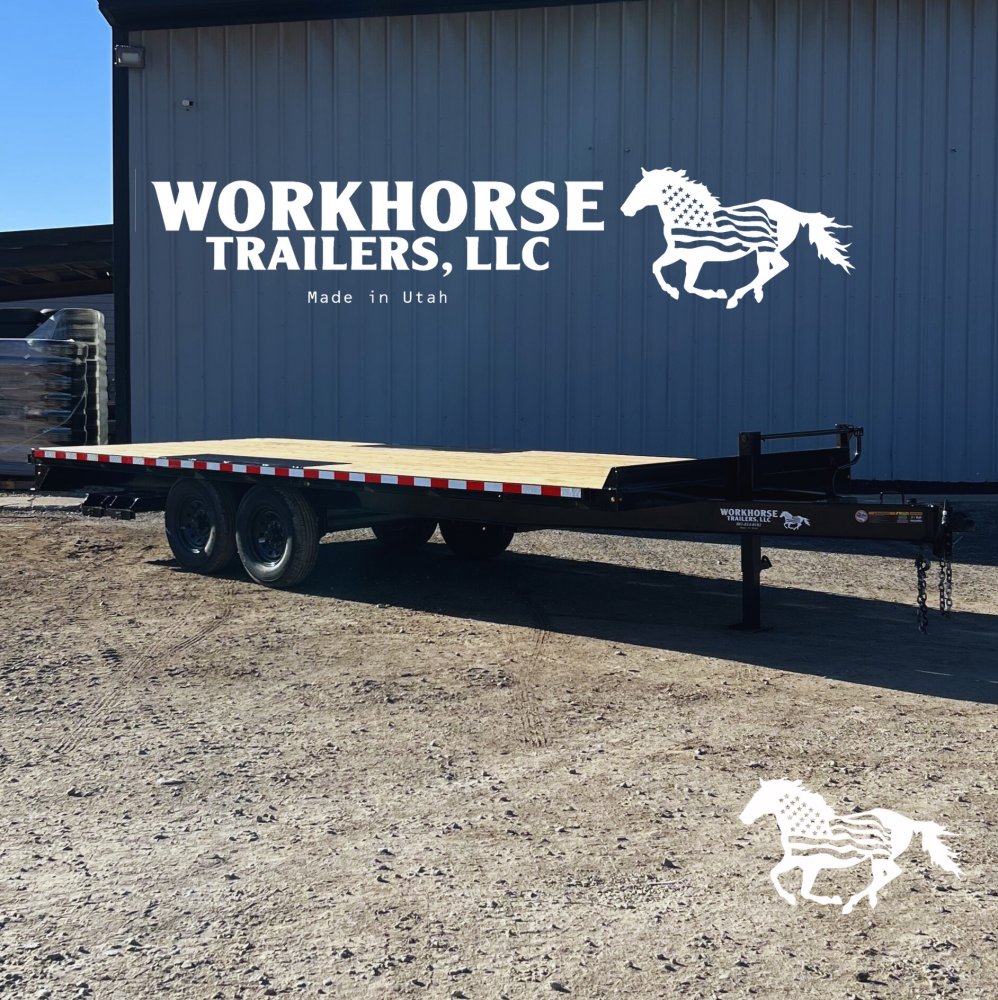
Commercial cargo hauling utilizes gooseneck flatbeds as universal platforms accommodating diverse freight types. The unobstructed deck accepts irregularly shaped loads, oversized components, and materials defying conventional packaging. Businesses operating freight services, specialized hauling operations, or companies with varied transportation needs appreciate flatbed versatility serving multiple purposes rather than maintaining specialized trailers for narrow applications.
Building material transport leverages gooseneck flatbed capacity for moving lumber, steel beams, pre-fabricated components, and construction supplies. The substantial weight capacity handles dense materials including masonry products, concrete forms, and heavy structural elements that would overload lighter trailers. Murray contractors and material suppliers utilize gooseneck flatbeds completing deliveries efficiently without multiple trips or expensive specialized freight services.
Equipment rental companies deploy gooseneck flatbeds for customer deliveries of heavy machinery, large tools, and industrial equipment. The combination of capacity and accessibility allows handling diverse rental inventory from a single trailer type, maximizing equipment utilization while minimizing total trailer fleet investment. Quick reconfiguration between different load types maintains operational flexibility essential for rental businesses serving varied customer requirements.
Dump Trailer Functionality
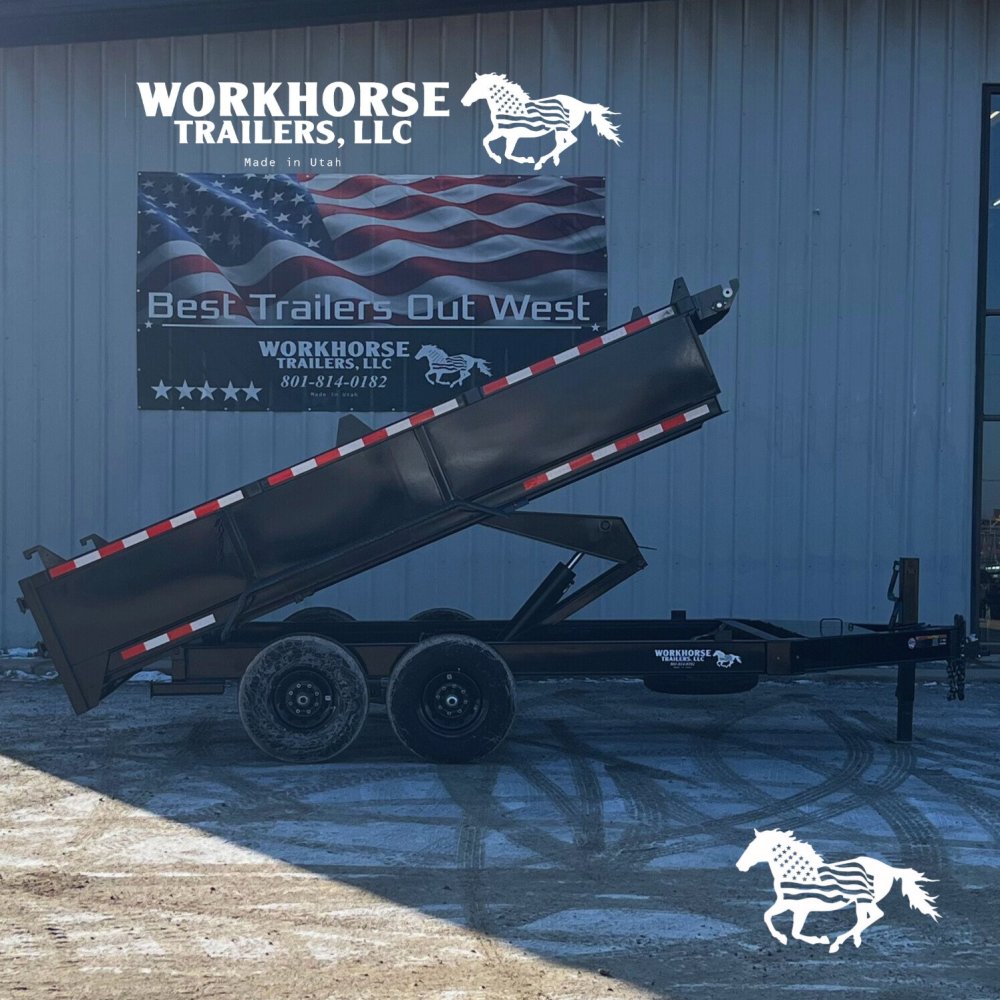
Gooseneck dump trailers combine hauling capacity with hydraulic lifting systems enabling efficient bulk material unloading. Landscaping operations, construction contractors, and material suppliers use dump goosenecks transporting gravel, soil, mulch, demolition debris, and aggregate products. The hydraulic dump mechanism saves substantial labor compared to manual unloading while allowing precise material placement through controlled discharge.
Commercial demolition and waste hauling operations require dump trailers handling heavy debris loads from building teardowns, renovation projects, and site clearing activities. The robust construction and high capacity of gooseneck dump trailers accommodate the harsh treatment inherent to demolition work where sharp edges, heavy impacts, and abrasive materials challenge equipment durability. Steel construction and reinforced hydraulic systems withstand demanding applications that would quickly destroy lighter-duty alternatives.
Agricultural commodity transport utilizes dump goosenecks for grain, feed, and harvest products requiring bulk handling. The ability to efficiently unload complete trailer contents without manual labor or specialized equipment simplifies operations for farmers and agricultural businesses. Hydraulic systems sized appropriately for agricultural loads provide reliable operation through harvest seasons when intensive use demands dependable performance.
Hot Shot Trucking and Commercial Freight
Expedited freight services throughout Murray and across regional routes employ gooseneck trailers for time-sensitive cargo delivery. Hot shot trucking operations combine one-ton pickup trucks with heavy-capacity gooseneck trailers creating nimble, responsive hauling units that navigate congested areas while carrying substantial loads. The business model serves industries requiring faster delivery than traditional freight services provide, with oil field suppliers, manufacturing operations, and emergency equipment needs creating steady demand.
Load flexibility allows hot shot operations serving diverse customers and freight types without maintaining specialized trailer fleets. A single gooseneck flatbed handles everything from machinery parts to construction materials to emergency equipment, with quick tie-down reconfiguration between different cargo types. This operational versatility allows owner-operators and small freight companies competing effectively against larger carriers through responsive service and lower overhead.
Revenue optimization in hot shot operations depends on maximizing legal payload within gross vehicle weight limits. Gooseneck trailers’ efficient structural engineering reduces empty weight compared to equivalent-capacity bumper-pull alternatives, allowing more revenue-generating payload per trip. The weight savings directly impacts profitability through increased cargo capacity without exceeding regulations or requiring larger, more expensive tow vehicles.
Tandem Versus Triple Axle Configurations
Tandem axle gooseneck trailers dominate sales through optimal balance between capacity, cost, and maneuverability for most applications. Weight ratings typically range from 14,000 to 25,000 pounds, handling substantial commercial and agricultural loads while maintaining reasonable tire costs and acceptable turning characteristics. The dual-axle design provides redundancy allowing limited continued operation if one tire fails, preventing complete roadside immobilization.
Triple axle goosenecks extend capacity into 30,000 to 40,000 pound territory approaching commercial truck capabilities while remaining towable by heavy-duty pickup trucks. The additional axle distributes weight across more tires reducing individual tire loading while improving compliance with bridge formula weight distribution regulations. However, the third axle creates tighter turning requirements and increases tire scrubbing during sharp maneuvers, considerations for operations frequently navigating confined spaces.
Axle selection should match typical load characteristics and operational patterns rather than simply maximizing capacity. Operations rarely approaching maximum weights waste money on unnecessary third axles and excess tires requiring maintenance and eventual replacement. Conversely, businesses regularly hauling near capacity benefit from triple-axle strength and tire load distribution preventing premature tire wear and potential failures from overloading dual-axle configurations.
Specialty Gooseneck Configurations
Living quarters gooseneck trailers integrate residential accommodations with cargo capacity, popular among livestock haulers, equestrian competitors, and recreational vehicle enthusiasts. The front section contains sleeping quarters, bathrooms, kitchens, and living areas while the rear hauls horses, equipment, or cargo. This combination eliminates separate recreational vehicles, consolidating investments while simplifying travel logistics for multi-day trips.
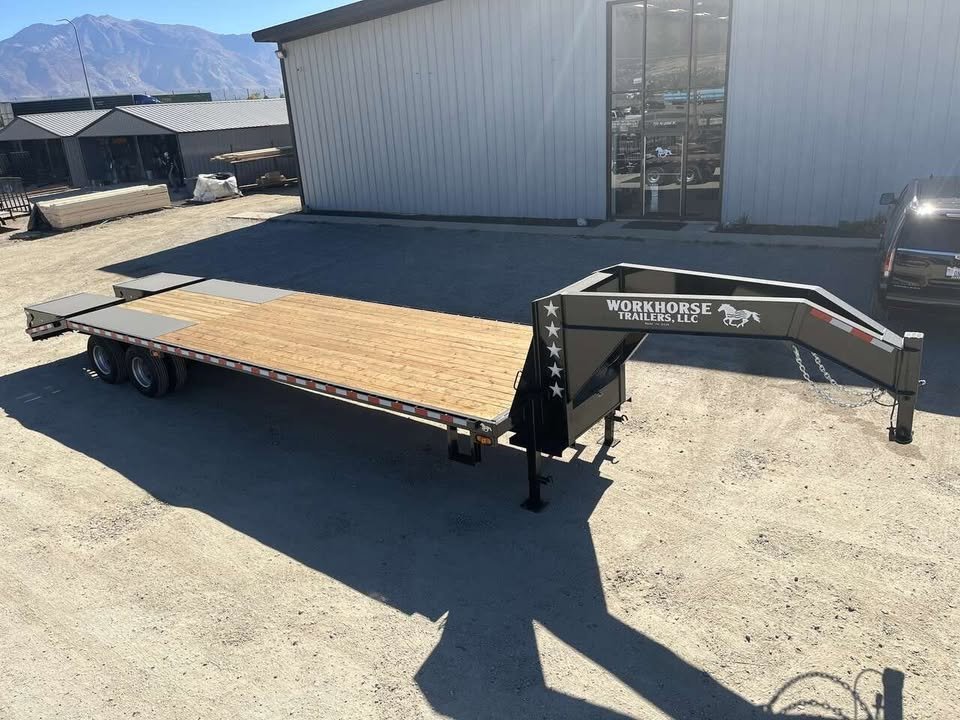
Lowboy gooseneck designs feature dropped deck sections reducing cargo platform heights for loading low-clearance equipment. The distinctive profile maintains clearance for the gooseneck coupling while positioning cargo decks close to ground level, ideal for hauling sports cars, custom vehicles, and machinery where ground clearance limits loading on standard-height trailers. Hydraulic detachable goosenecks elevate this concept, allowing complete neck disconnection for ground-level loading.
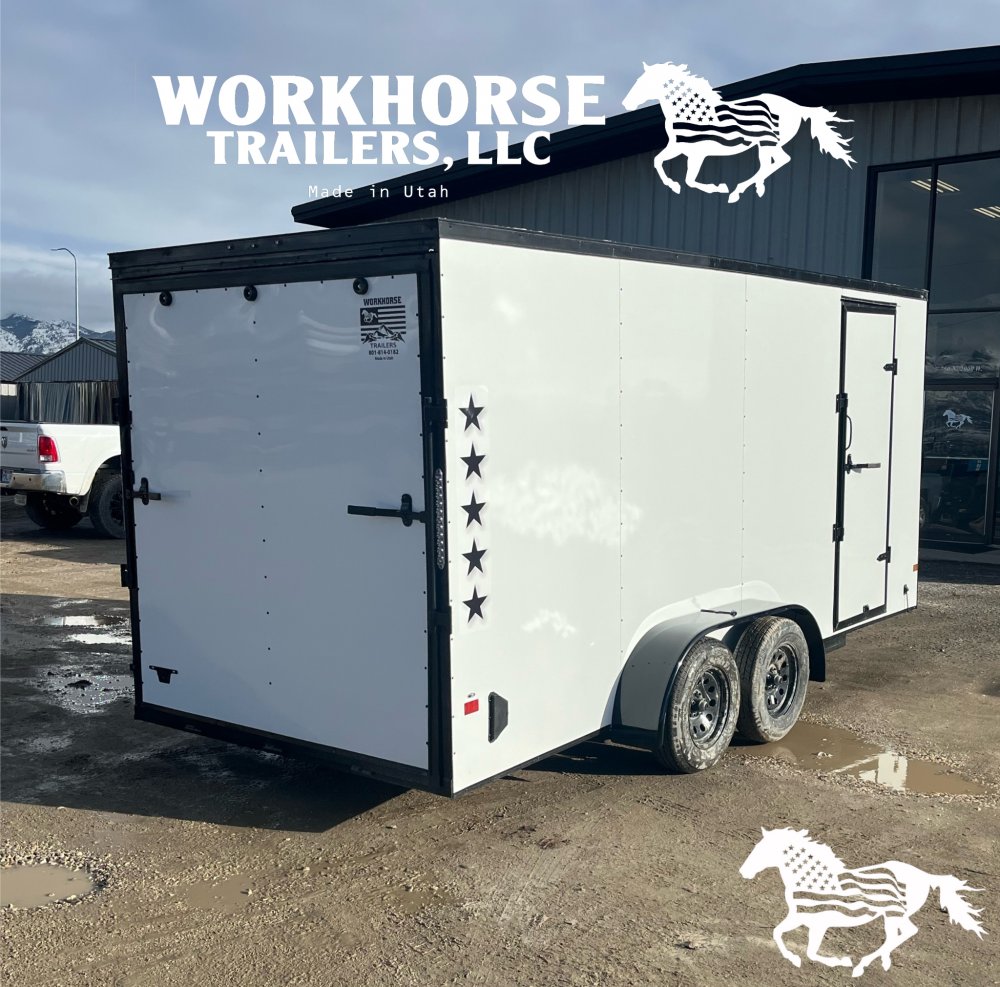
Enclosed gooseneck trailers protect cargo from weather and theft while providing the capacity and stability advantages of gooseneck hitching. These trailers serve as mobile warehouses, workshop platforms, and secure transport for high-value cargo requiring protection. The combination of security, capacity, and superior towing dynamics makes enclosed goosenecks ideal for professional transporters, commercial operations, and specialty applications where cargo value justifies enclosed protection.
Truck Bed Requirements and Installation
Gooseneck hitch installation requires cutting access holes in truck beds for ball mounting and safety chain anchors, representing permanent modifications many owners hesitate making. However, removable ball systems mitigate concerns by allowing complete hardware removal when not towing, restoring full truck bed utility. These sophisticated mechanisms install through bed openings with mounting structures hidden beneath, creating clean appearances that preserve truck resale value.
Truck frame reinforcement becomes necessary on some vehicles to handle tongue weight loads that gooseneck hitching creates. Professional installers evaluate frame rails, crossmembers, and bed structures ensuring adequate capacity before mounting hardware. Cutting corners on installation quality creates dangerous situations where hitches fail under load, potentially causing catastrophic accidents with severe consequences.
Payload ratings determine maximum tongue weight capacity independent of hitch hardware strength. A gooseneck trailer producing 5,000 pounds of tongue weight requires trucks with at least that remaining payload capacity after accounting for fuel, passengers, tools, and cargo. Exceeding payload ratings stresses suspension components, accelerates tire wear, degrades handling, and creates liability if accidents occur while operating overloaded vehicles.
Braking Systems for Heavy Loads
Electric-over-hydraulic brakes provide stopping power appropriate for heavily loaded gooseneck trailers through electrically activated hydraulic actuators. This hybrid approach combines convenient electric brake controller operation with hydraulic force multiplication delivering braking capacity exceeding pure electric systems. The technology suits gooseneck trailers routinely operating near maximum gross vehicle weights where adequate stopping power becomes critical for safety.
Brake controllers designed for heavy gooseneck applications feature enhanced capacity ratings and sophisticated algorithms accounting for trailer weight and road conditions. Time-delayed systems allow operators setting brake activation timing independently of brake force, providing fine control over braking characteristics. This adjustability proves valuable when hauling varied loads requiring different braking approaches for optimal control.
Spring brake systems on some heavy gooseneck trailers provide parking brakes and emergency backup if air or hydraulic systems fail. These fail-safe designs apply brakes through spring pressure, releasing only when actively held open by system pressure. While adding complexity and cost, spring brakes provide peace of mind for operators hauling extremely heavy loads where brake failure could create catastrophic situations.
Deck Construction and Material Options
Wood decking on gooseneck trailers provides traditional surfaces combining reasonable costs with adequate durability for general hauling. Treated lumber resists moisture and decay while offering natural traction and straightforward repair when damage occurs. Regular maintenance including sealing and damaged board replacement extends deck life considerably, making wood economical for operations willing to invest modest effort in preventive care.
Steel deck surfaces deliver maximum longevity for commercial applications involving heavy equipment or abrasive materials. Diamond plate or expanded metal provides traction while allowing debris and moisture to drain rather than pooling. Steel’s substantial weight reduces available payload capacity, requiring evaluation whether durability benefits justify the weight penalty for specific operational requirements.
Composite decking materials combine wood and synthetic elements offering improved weather resistance and extended service life. These advanced surfaces resist moisture absorption preventing rot, require no periodic sealing, and provide excellent traction. Higher initial costs prove economical through extended replacement intervals and eliminated maintenance, particularly for operations in harsh climates.
Securing Loads on Gooseneck Trailers
Chain grade specifications determine safe working loads with Grade 70 transport chain representing minimum standards for serious gooseneck hauling. Lower-grade chains lack adequate strength for heavy equipment transport, risking failures under dynamic loading during highway travel. Quality 3/8-inch Grade 70 chain features working load limits around 3,150 pounds per leg, providing appropriate capacity when using proper four-point restraint systems.
Ratchet binder tensioning devices provide mechanical advantage applying proper chain tension without excessive manual effort. These lever-operated tools tighten chains to specifications preventing equipment movement while avoiding over-tensioning that could damage machinery. Proper binder operation includes understanding load ratings, maintaining equipment condition, and using safety latches preventing accidental release.
Attachment point selection requires identifying structural mounting locations capable of withstanding restraint forces without damage. Attaching chains to fragile components including hydraulic cylinders, sheet metal, or electrical conduits risks equipment damage and insecure restraint. Operators should target frame rails, axle components, or designated lifting points, consulting equipment manuals if uncertainty exists about appropriate attachment locations.
Towing Dynamics and Driving Techniques
Weight distribution characteristics unique to gooseneck hitching create different driving dynamics requiring adjusted techniques. The forward tongue weight placement loads rear axles heavily while potentially reducing front axle weight. Proper truck selection ensures adequate front axle loading maintains steering control and braking effectiveness under loaded conditions.
Backing gooseneck trailers requires adapted techniques accounting for the hitch point location over rather than behind the rear axle. Trailers respond differently to steering inputs, with movements appearing delayed compared to bumper-pull backing. Operators new to gooseneck trailers benefit from practicing in open areas before attempting tight maneuvers in confined spaces.
Highway stability advantages make gooseneck trailers less susceptible to sway from passing vehicles, crosswinds, or emergency maneuvers. However, the substantial weights require attentive driving maintaining safe speeds, allowing adequate following distances, and avoiding sudden inputs that could overwhelm traction or braking capacity. Defensive driving techniques become especially important when hauling maximum capacity loads.
Maintenance for Commercial Operations
Bearing service represents the most critical maintenance task for gooseneck trailers experiencing heavy use. Commercial operations hauling near maximum capacity should repack wheel bearings every 10,000 miles or annually, whichever occurs first. This preventive maintenance costs far less than bearing failures that destroy hubs, spindles, and brake assemblies while potentially causing accidents.
Frame inspection focuses on stress cracks developing at weld joints, hitch mounting points, and high-load areas where fatigue damage initiates. Catching cracks early allows repairs before complete failures occur, preventing catastrophic incidents and extending trailer service life. Annual inspections by qualified welders identify developing problems invisible to casual observation.
Deck surface maintenance prevents accelerated deterioration from moisture, chemicals, and abrasive loading. Wood decks benefit from periodic sealing protecting against moisture absorption. Steel decks require touch-up painting at damaged areas preventing rust formation. Proactive deck maintenance extends replacement intervals substantially.
Economic Considerations for Murray Businesses
Purchase prices reflect gooseneck trailers’ heavy-duty construction and specialized features, with basic models starting at moderate investments and fully equipped specialty units commanding premium pricing. Commercial buyers should evaluate total cost of ownership including maintenance, insurance, financing charges, and depreciation rather than focusing solely on initial purchase price.
Revenue generation potential justifies gooseneck investments for commercial operators charging premium rates for heavy hauling services others cannot provide. Hot shot carriers, equipment moving services, and livestock transporters build profitable businesses around gooseneck capabilities, generating returns quickly recovering equipment costs.
Depreciation rates for well-maintained gooseneck trailers remain modest compared to many business assets, with quality units retaining 50 to 70 percent of original value after five years of commercial service. This value retention reflects durable construction and consistent market demand for used heavy-duty trailers.
Regulatory Compliance and Safety
Trailer registration requirements in Utah mandate annual renewal with fees based on empty weight or gross vehicle weight rating. Commercial operations face higher registration costs and additional requirements including safety inspections and operating authority documentation.
Lighting and marking requirements mandate specific configurations ensuring trailer visibility to surrounding traffic. Wider gooseneck trailers may require additional side marker lights and reflectors compared to narrower models. LED lighting provides superior reliability and visibility while drawing less current.
Safety chain installation must follow guidelines specifying minimum chain strength and proper attachment methods. Chains should cross beneath the gooseneck creating a cradle catching the coupler if it disconnects from the ball. Adequate chain length allows normal turning without binding while remaining short enough to prevent dragging if disconnection occurs.
Selecting Appropriate Specifications
Capacity planning should account for both current requirements and anticipated future needs, with modest oversizing preventing rapid equipment obsolescence. Analyzing typical load weights and considering business growth trajectories guides selection of appropriate gross vehicle weight ratings.
Deck length decisions balance cargo capacity against maneuverability and storage requirements. Longer trailers accommodate more cargo but challenge operators navigating tight spaces and require substantial storage areas. Most commercial applications find 20 to 28 foot decks provide optimal balance.
Feature selection should focus on options providing genuine operational value rather than impressive appearance. Hydraulic dovetails justify costs for operations frequently loading heavy equipment, while those hauling materials gain no benefit from powered ramps. Working with experienced dealers helps identify must-have features versus nice-to-have options inflating costs without proportional utility.