Murray Deck Over Trailers
All locationsDeck over trailers have revolutionized cargo transportation throughout Murray by providing dramatically expanded usable width compared to conventional trailer designs. The fundamental architectural difference positioning the cargo deck above rather than between the wheel wells creates full-width loading surfaces that accommodate oversized materials, wide equipment, and bulky items impossible to transport on standard trailers. This design innovation addresses persistent hauling challenges faced by Murray businesses and residents, from contractors needing to transport full-sized building materials to outdoor recreation enthusiasts hauling multiple vehicles side by side.
Murray’s diverse economy spanning retail, manufacturing, light industrial, and service sectors creates unique demands for versatile hauling equipment. Businesses operating within the city’s commercial corridors require efficient material movement between suppliers, job sites, and customer locations. The extra deck width that deck over designs provide translates directly to operational efficiency, allowing single-trip transport of loads that would require multiple journeys on narrower conventional trailers. Understanding the specific advantages, applications, and selection criteria for deck over trailers empowers Murray operators to make informed equipment investments that enhance productivity while delivering measurable returns through improved operational capabilities.
Architectural Design Differences
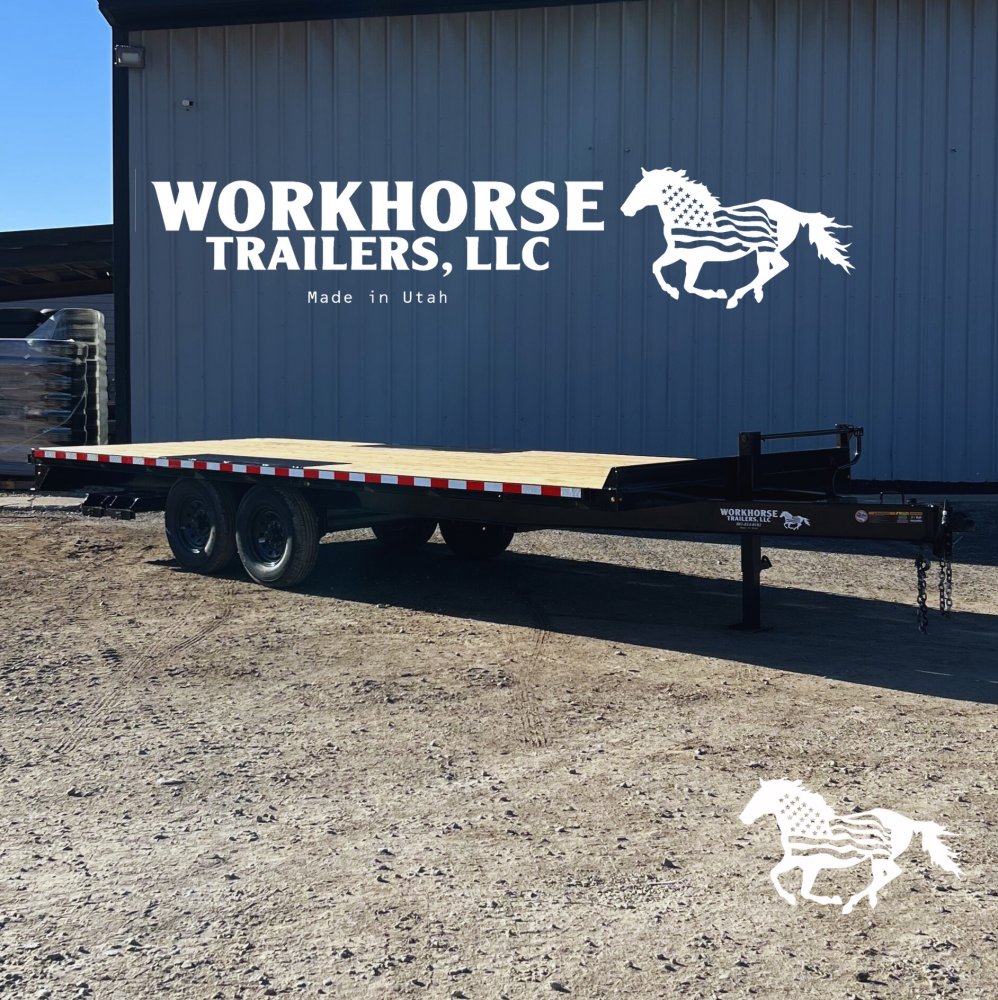
The elevated deck platform fundamental to deck over construction creates usable width spanning the entire trailer width, typically 102 inches on road-legal models compared to approximately 80 inches between wheel wells on conventional designs. This 22-inch width advantage seems modest numerically but proves transformational in practice, enabling transport of standard building materials, wide machinery, and multiple smaller items arranged side by side rather than stacked vertically. The practical implications affect daily operations across countless applications where width previously imposed frustrating constraints.
Frame engineering on deck over trailers employs reinforced perimeter construction extending outward beyond wheel assemblies, creating the structural platform supporting the elevated deck. Cross members spaced strategically provide vertical support preventing deck sagging while maintaining sufficient strength to resist torsional forces when carrying unevenly distributed loads. The sophisticated engineering ensures trailers handle maximum rated capacities safely despite the elevated load positioning that raises centers of gravity compared to conventional designs with lower deck heights.
Load height positioning affects both handling characteristics and practical usability, with elevated decks creating higher cargo centers of gravity requiring attentive driving techniques. However, the raised platform also offers advantages including improved ground clearance when traversing uneven terrain and easier access to underside components during maintenance. The design tradeoffs favor deck over configurations for applications where width capacity outweighs handling considerations, making them ideal for specific use cases while conventional designs remain superior for others.
Width Capacity Advantages
Building material transport represents perhaps the most common application leveraging deck over width advantages. Standard 4×8 foot plywood sheets, oriented strand board panels, and drywall sections fit perfectly on 102-inch wide decks without overhanging edges or requiring diagonal positioning that wastes space. Contractors appreciate loading full material bundles efficiently, completing deliveries in fewer trips while reducing fuel costs and driver time. The productivity improvement compounds across hundreds of material runs annually, quickly justifying any premium associated with deck over designs.
Manufacturing operations moving wide machinery components, industrial assemblies, and oversized fabrications benefit enormously from deck over capacity. Production equipment including conveyor sections, large ductwork, and structural assemblies often exceed conventional trailer widths, forcing manufacturers to choose between expensive specialized freight services or time-consuming disassembly for transport. Deck over trailers eliminate these constraints, allowing intact transport of assemblies that would otherwise require costly breakdown and reassembly procedures.
Agricultural equipment transport utilizes deck over width accommodating tractors, implements, and machinery with wide wheelbases or extended attachments. Modern agricultural equipment has grown substantially in size, with cultivators, planters, and harvesting implements often exceeding dimensions that conventional trailers handle comfortably. When evaluatingMurray Deck Over Trailers, agricultural operators prioritize models with adequate width margins preventing equipment from approaching deck edges where accidental contact could cause damage during loading or transport.
Commercial Landscaping Fleet Operations
Professional landscaping companies throughout Murray deploy deck over trailers as mobile equipment platforms supporting crews servicing multiple properties daily. The expanded width allows positioning riding mowers, zero-turn equipment, and utility vehicles side by side rather than tandem, shortening overall load length while distributing weight more evenly. This arrangement improves maneuverability in tight residential areas and commercial parking lots where long trailers challenge operators navigating confined spaces between buildings and landscape features.
Equipment organization on wider decks facilitates efficient loading and retrieval patterns, with designated positions for specific machines and tools reducing time spent rearranging equipment. Crews appreciate predictable layouts where each item occupies consistent locations, eliminating confusion during hurried morning loading or when multiple employees access shared trailers. The organizational advantages translate to measurable productivity improvements as crews spend more time on billable work and less on equipment logistics.
Material containment using removable side rails transforms deck over trailers from equipment haulers into versatile cargo platforms capable of transporting bulk materials including mulch, topsoil, decorative rock, and compost. The full-width deck accommodates greater material volumes compared to narrower conventional trailers, reducing trips between supply yards and installation sites. Side rails install quickly in stake pockets along deck perimeters, allowing configuration changes between equipment and material hauling without tools or complicated procedures.
Retail and Wholesale Distribution
Pallet transport efficiency improves dramatically on deck over trailers accommodating standard 48-inch pallet widths with generous clearance for forklift operation. Conventional trailers force diagonal pallet positioning or single-file arrangements that waste deck space and complicate loading. Deck over widths allow two pallets side by side with room for forklift tines, doubling capacity while maintaining organized loading patterns that prevent shifting during transport. Wholesale distributors and retail operations appreciate the efficiency improvements reducing delivery costs per unit transported.
Furniture and appliance dealers utilize deck over trailers for customer deliveries of oversized items including sectional sofas, large dining sets, and commercial-grade appliances. The extra width prevents items from overhanging deck edges where contact with loading dock structures or other obstacles could cause damage. Professional delivery services recognize that delivering damaged merchandise creates expensive returns and customer dissatisfaction, making deck over width advantages worthwhile investments protecting valuable inventory during transport.
Trade show and event operations transport booth components, display structures, and inventory to venues throughout the region. The wide decks accommodate assembled display units, reducing setup time at venues while preventing damage that could occur during repeated assembly and disassembly. Event businesses operating on tight schedules appreciate time savings that deck over capacity provides, allowing crews to focus on professional presentations rather than struggling with equipment logistics.
ATV and Powersports Applications
Side-by-side vehicle transport represents an ideal application for deck over width, allowing two ATVs, UTVs, or motorcycles to ride alongside each other rather than tandem. This arrangement shortens overall trailer length while balancing weight laterally across the deck surface. Outdoor recreation enthusiasts traveling to trailheads, sand dunes, or off-road parks throughout Utah appreciate the compact configuration that maneuvers more easily than longer single-file arrangements while maintaining adequate capacity for group recreation activities.
Powersports dealers and rental operations depend on deck over trailers for inventory movement, customer deliveries, and equipment retrieval. The ability to transport multiple units simultaneously improves operational efficiency, allowing staff to complete more deliveries per day compared to sequential single-unit trips. Rental businesses particularly value this efficiency since equipment sitting on trailers awaiting delivery generates no rental income, making transportation speed directly correlated to revenue generation.
Racing team support requires transporting competition vehicles along with spare parts, tools, and support equipment to events. Deck over trailers configured with equipment racks and storage solutions create mobile pit areas supporting race operations without requiring separate support vehicles. Teams appreciate the consolidated logistics simplifying event participation while reducing total equipment investment compared to maintaining dedicated tow vehicles and separate cargo trailers.
Construction Contractor Applications
Roofing contractors leverage deck over width when transporting shingle bundles, underlayment rolls, and roofing equipment to job sites. The 102-inch width allows efficient stacking of materials across the full deck surface, maximizing load capacity while maintaining proper weight distribution. Roofing operations move substantial material volumes, with typical residential projects requiring multiple tons of shingles that deck over capacity allows consolidating into fewer trips compared to narrower conventional trailers.
Drywall installation specialists appreciate deck over trailers for transporting gypsum board sheets, joint compound, and finishing tools without risking sheet damage from overhang. The full-width deck supports sheets flat across their entire dimensions, preventing edge damage that occurs when materials extend beyond deck edges. Professional installers recognize that damaged sheets create waste and project delays, making proper transport critical to maintaining profitability and customer satisfaction.
HVAC contractors transport ductwork sections, air handling units, and large mechanical equipment on deck over trailers where width accommodates components that would challenge conventional trailer dimensions. Modern HVAC systems incorporate substantial equipment that contractors must move between supply houses and installation sites. The wider decks prevent situations where equipment overhangs edges creating damage risks or requiring creative securing approaches that compromise safety.
Recreational and Personal Uses
Home renovation projects benefit from deck over capacity when homeowners transport building materials, appliances, and construction debris. DIY enthusiasts tackling ambitious improvements appreciate having adequate trailer capacity that supports project completion without requiring mid-project rental upgrades or making excessive trips. The investment in appropriately sized equipment pays dividends throughout ownership as users complete multiple projects without transportation limitations constraining their ambitions.
Moving operations utilize deck over trailers for relocating household goods, furniture, and personal belongings. Local moves within Murray accomplish efficiently using personal vehicles paired with rented or owned deck over trailers, avoiding expensive professional moving services. The open deck design facilitates loading from all sides, accommodating irregularly shaped furniture and allowing efficient space utilization through creative stacking and arrangement.
Seasonal equipment storage and relocation uses deck over trailers for moving recreational gear, lawn equipment, and seasonal decorations between homes and storage facilities. The generous deck space accommodates diverse items simultaneously, reducing trips while keeping belongings organized and accessible. Families transitioning between seasonal homes or downsizing households appreciate the flexibility that adequate trailer capacity provides during transition periods.
Deck Height Considerations
Higher loading positions on deck over trailers result from elevating decks above wheel assemblies, typically creating surface heights between 26 and 32 inches compared to 18 to 24 inches on conventional designs. The increased height demands longer loading ramps achieving acceptable approach angles, with deck over ramps commonly extending 72 to 96 inches compared to 48 to 60 inches on standard trailers. The longer ramps prove heavier and more cumbersome to handle, though the inconvenience represents acceptable tradeoff for width advantages in most applications.
Equipment loading strategies must account for increased ramp angles that create steeper climbs for machinery and vehicles ascending onto elevated decks. Operators loading heavy equipment should ensure adequate traction and power avoiding situations where machines stall partway up ramps or lose control descending. The elevated deck position also raises loaded cargo higher above roadways, potentially affecting clearance when passing under low bridges or entering structures with height restrictions.
Ground clearance improvements from elevated decks benefit operators frequently accessing rough terrain, construction sites, or unpaved areas where conventional trailers might contact obstacles. The additional height provides margin when traversing uneven surfaces, though operators must balance clearance advantages against the stability considerations that come with higher centers of gravity. Understanding these tradeoffs guides appropriate trailer selection matching typical operating environments.
Frame and Structural Engineering
Reinforced perimeter frames on deck over trailers must extend outward beyond wheel assemblies while maintaining structural integrity under maximum rated loads. The cantilever design creates engineering challenges that manufacturers address through heavy-gauge materials and strategic reinforcement at high-stress locations. Quality deck over trailers employ substantial frame members with welded construction that distributes loads effectively, preventing flexing that would indicate inadequate structural capacity.
Cross member spacing and sizing determines deck stiffness and load-bearing capacity, with closer spacing providing superior support particularly important when carrying concentrated loads. Manufacturers balance material costs against structural requirements, with premium trailers incorporating additional cross members compared to budget alternatives accepting more deck flex. The differences become apparent when loading heavy equipment or dense materials that reveal structural inadequacies in inferior designs.
Axle mounting techniques on deck over frames position axles directly beneath the extended deck perimeter, creating load paths that transfer weight efficiently into axle systems. The geometry differs substantially from conventional trailers where axles mount to frame areas protected by deck surfaces above. Deck over designs expose axle mounting regions to potential road debris impact, requiring protective measures or robust construction withstanding occasional contact with obstacles.
Load Distribution Strategies
Weight positioning on wider decks requires strategic placement maintaining proper tongue weight while avoiding lateral imbalance. Heavier items should locate forward of axle centerlines creating appropriate tongue weight between 10 and 15 percent of total loaded weight. However, operators must also consider side-to-side balance preventing uneven axle loading that accelerates tire wear while creating handling imbalances. Achieving both longitudinal and lateral weight balance requires planning, particularly when loading diverse items with varying weights and dimensions.
Center of gravity awareness becomes critical on deck over trailers where elevated load positioning raises combined trailer and cargo center of gravity. Top-heavy loads increase rollover susceptibility during emergency maneuvers or when encountering strong crosswinds. Operators should minimize vertical stacking height when possible, spreading loads horizontally across the generous deck width rather than building tall stacks that raise centers of gravity unnecessarily.
Dynamic load shifts during transport can occur when inadequately secured cargo moves in response to acceleration, braking, or cornering forces. The wider deck surface provides more potential for lateral shifting compared to narrower conventional trailers where load width constraints naturally limit movement. Comprehensive tie-down strategies securing loads in all directions prevent dangerous shifts that could destabilize trailers or cause cargo to contact adjacent vehicles during highway travel.
Ramp and Gate Configurations
Fold-down ramp gates serve dual purposes providing loading access when lowered and cargo containment when raised. The integrated design eliminates separate ramps that require storage when not in use while potentially being misplaced or stolen. Spring-assisted mechanisms ease gate operation, allowing single-person raising and lowering without excessive physical effort. The gates typically feature mesh or solid panels preventing loose materials from escaping during transport while maintaining adequate strength for equipment loading duties.
Removable side ramps provide alternative loading access when rear approaches prove impractical due to space constraints or cargo arrangements. These auxiliary ramps store along trailer sides when not needed, deploying quickly for side loading operations. The versatility proves valuable in urban environments like Murray where construction sites, loading docks, and commercial areas may lack adequate clearance for traditional rear loading approaches.
Landscape-style removable gates offer maximum flexibility by allowing complete gate removal for oversized loads extending beyond standard trailer dimensions. Simple pin connections enable tool-free removal and installation, making configuration changes quick single-person operations. The removable design accommodates occasional oversize loads without requiring dedicated wide trailers that would prove excessive for typical hauling assignments.
Securing Cargo on Wide Decks
E-track mounting systems integrated into deck over trailer floors and walls provide infinitely adjustable tie-down anchor points accommodating diverse cargo configurations. The horizontal track sections accept specialized fittings that lock anywhere along track lengths, allowing precise anchor positioning matching specific load characteristics. This adjustability proves particularly valuable on wide decks where cargo placement varies significantly between different hauling assignments requiring customized securing approaches.
Ratchet strap selection must account for deck width when securing loads, with longer straps necessary spanning the expanded deck dimensions compared to conventional narrower trailers. Quality straps clearly display working load limits, with appropriate ratings selected based on cargo weights and securing patterns employed. Using properly rated equipment prevents strap failures that could allow cargo to shift or separate from trailers during transport creating hazardous situations.
Multiple anchor points distributed around load perimeters create comprehensive securing preventing movement in all directions. The wide deck surface demands attention to lateral securing that might receive less emphasis on narrower trailers where width constraints naturally limit sideways movement. Deck over operators should employ cross-pattern strapping and multiple attachment points ensuring loads remain stationary regardless of transport conditions encountered.
Maintenance Requirements
Deck surface inspection assumes greater importance on deck over trailers where the elevated, exposed deck suffers more environmental exposure compared to protected decks on conventional designs. Wood decking requires checking for moisture damage, rot, and structural deterioration particularly at edges and corners where water accumulation occurs. Steel decks need monitoring for rust formation, paint damage, and fatigue cracks that develop under repeated loading cycles. Addressing surface damage promptly prevents minor issues from escalating into expensive deck replacement projects.
Bearing maintenance follows standard procedures but assumes added importance given the higher gross vehicle weight ratings common on deck over trailers. The substantial loads these trailers carry generate increased bearing stress demanding rigorous service schedules. Annual repacking or 12,000-mile intervals, whichever occurs first, maintains proper lubrication preventing premature bearing failure. Commercial operations should consider more frequent service given intensive use patterns accelerating wear.
Frame inspection focuses on welds and joints where the extended perimeter frames experience high stress concentrations. Quality welds show no cracks, separation, or distortion even after years of service, while inferior workmanship reveals problems relatively quickly under loaded conditions. Catching structural issues early allows repairs before catastrophic failures occur, preventing dangerous situations and protecting valuable cargo from damage caused by trailer failures.
Tire Selection and Monitoring
Load range ratings on tires determine safe weight capacity, with deck over trailers typically requiring Load Range D or E tires supporting substantial gross vehicle weights. The elevated deck and expanded capacity enable carrying dense loads approaching or reaching maximum ratings, making appropriate tire selection critical for safe operation. Undersized tires create dangerous situations where heat buildup from overloading causes catastrophic blowouts potentially triggering accidents.
Tire pressure monitoring becomes especially important given the heavy loads deck over trailers commonly carry. Proper inflation pressures stamped on tire sidewalls must be maintained, with regular checks revealing gradual pressure loss requiring correction before under-inflation causes damage. Under-inflated tires generate excessive heat accelerating wear while increasing failure risks, making pressure monitoring simple insurance against expensive consequences.
Tread depth assessment ensures adequate traction remains available, particularly important for trailers operating near maximum capacities where tire performance directly affects braking and handling. Minimum tread depths vary by tire type and manufacturer recommendations, though most trailer tires require replacement when tread wears below 4/32 inch. Regular rotation distributes wear evenly across all positions, extending overall tire life while maintaining consistent performance.
Insurance and Legal Compliance
Width-based insurance considerations may affect premiums since wider trailers create greater potential for sideswipe accidents or damage to adjacent vehicles during tight maneuvering. Insurers recognize these risks potentially adjusting rates accordingly, though comprehensive policies typically cover deck over trailers within standard trailer insurance categories. Operators should verify coverage adequacy ensuring policies address replacement costs for premium deck over models that may exceed standard coverage limits.
Registration requirements in Utah mandate annual licensing with fees based on empty weight classifications. Deck over trailers typically weigh more than conventional equivalents due to extended frame structures and reinforced construction, potentially placing them in higher fee brackets. Maintaining current registration prevents citations while ensuring legal operation throughout the state.
Width restrictions on certain roadways limit where 102-inch wide trailers can operate legally, with some narrow bridges or historic districts prohibiting vehicles exceeding specific widths. Operators should research routes when traveling to unfamiliar areas, avoiding restricted roads where violations could result in citations or forcing time-consuming detours around prohibited sections.
Selecting Appropriate Specifications
Capacity planning should identify maximum anticipated loads then select trailers rated 15 to 20 percent above those weights providing comfortable safety margins. The temptation to maximize capacity purchasing highest-rated trailers possible must balance against practical towing vehicle capabilities and realistic load requirements. Excessive capacity wastes money on unused capability while potentially demanding more powerful tow vehicles than operations actually require.
Deck length decisions complement width advantages determining total cargo volume and weight capacity. Common deck over lengths range from 18 to 24 feet for general commercial applications, with longer models serving specialized needs. The combination of length and width creates substantial cargo capacity that must remain within legal gross vehicle weight limits regardless of physical deck space available.
Feature priorities should emphasize capabilities delivering genuine operational value rather than impressive appearance or unnecessary complexity. Hydraulic loading gates justify costs for operations frequently loading heavy equipment, while businesses primarily hauling materials gain minimal benefit from powered features. Working with experienced dealers helps identify must-have features versus nice-to-have options that inflate costs without proportional utility.
Economic Analysis and Value
Initial purchase premiums for deck over trailers compared to conventional designs reflect additional materials, engineering complexity, and manufacturing sophistication. Buyers should anticipate costs exceeding comparable conventional trailers by 15 to 30 percent depending on specific features and quality levels. However, the width advantages enable operational efficiencies and capability improvements that quickly justify premiums through reduced trips, expanded service offerings, or eliminated rental expenses for specialized wide trailers.
Operational savings from consolidated trips reduce fuel consumption, vehicle wear, and driver time compared to making multiple journeys with narrower trailers. A contractor completing material delivery in one deck over a trip instead of two conventional loads reduces costs by roughly half while freeing time for productive work. These efficiency gains compound across hundreds of trips annually, generating returns that recover purchase premiums within relatively short ownership periods.
Resale values on quality deck over trailers remain strong due to consistent market demand from commercial operators and serious users recognizing capability advantages. Well-maintained examples from reputable manufacturers retain 50 to 70 percent of original value after five years of commercial service, making them sound long-term investments. Maintenance documentation and evidence of proper care maximize resale prices when upgrading or exiting businesses requiring deck over capacity.