
Midvale Utility Trailers
All locationsMidvale’s strategic location at the heart of the Salt Lake Valley makes it a vital commercial and residential hub where utility trailers have become indispensable tools for countless daily operations. The city’s unique blend of established industrial districts, growing residential neighborhoods, and convenient access to major transportation routes creates ideal conditions for businesses and residents who depend on versatile hauling equipment. Utility trailers serve Midvale’s diverse population from homeowners managing property improvements to established contractors operating across multiple job sites throughout the metropolitan area.
The compact geography of Midvale allows residents to reach virtually any destination within the greater Salt Lake region within minutes, making utility trailers practical for both local hauling and regional transport needs. This accessibility means Midvale residents can efficiently transport materials from big box retailers, haul debris to disposal facilities, or deliver equipment to job sites scattered across the valley without the time penalties that more remote locations would impose. The convenience factor amplifies the value proposition of utility trailer ownership, transforming what might be occasional rental needs into assets that pay for themselves through regular use serving diverse applications.
Understanding Utility Trailer Fundamentals
Utility trailers distinguish themselves through open deck designs that prioritize versatility over specialization, allowing users to adapt single platforms for countless different hauling tasks. The simple construction eliminates the complexity and expense of specialized features, making utility trailers the most economical entry point into trailer ownership. This fundamental flexibility explains why utility trailers consistently rank as the best-selling trailer category, serving everyone from occasional users to professional operations requiring dependable daily hauling capacity.
The basic platform design provides blank canvases that owners customize through aftermarket accessories, temporary modifications, or creative securing approaches matching specific loads. Unlike enclosed cargo trailers or specialized equipment haulers optimized for narrow purposes, utility trailers embrace versatility as their defining characteristic. This design philosophy creates equipment serving multiple roles throughout ownership rather than sitting idle between infrequent specialized uses.
Frame architecture determines how utility trailers withstand the stresses of loaded highway travel and rough job site access. Quality manufacturers employ heavy-gauge steel tubing arranged in ladder-style configurations or reinforced channel designs distributing loads across multiple structural members. The engineering ensures frames resist twisting and flexing that would indicate inadequate strength, maintaining deck levelness and structural integrity throughout years of demanding service.
Residential Property Applications Throughout Midvale
Landscape renovation projects undertaken by Midvale homeowners generate substantial material transport needs including soil, mulch, decorative rock, plants, and hardscape supplies. Utility trailers eliminate expensive delivery fees while providing flexibility to make multiple supply runs as projects evolve and additional material requirements become apparent. The ability to personally select materials at nurseries and landscape suppliers rather than accepting whatever delivery services provide appeals to homeowners wanting specific products for their projects.
Home improvement initiatives from deck construction to bathroom remodeling create ongoing hauling requirements for building materials, tools, and demolition debris. Midvale’s aging housing stock means many properties undergo renovations and upgrades that ambitious homeowners tackle personally. The availability of a utility trailer transforms these projects from logistically challenging endeavors into manageable undertakings where material access never constrains progress or forces expensive contractor dependencies for simple material transport.
Seasonal cleanup operations including spring yard waste removal, fall leaf hauling, and periodic garage cleanouts benefit from utility trailer capacity that exceeds what personal vehicles can handle. Midvale residents maintaining properties with mature landscaping generate substantial organic waste requiring disposal at composting facilities or transfer stations. Multiple trailer loads accomplish in single days what would otherwise require weeks of weekly curbside collection or expensive junk removal services.
Small Business and Entrepreneur Uses
Mobile service providers throughout Midvale including handymen, general contractors, and maintenance professionals utilize utility trailers as rolling tool storage and material transport platforms. The open design allows quick loading of ladders, equipment, and supplies at the start of each workday, with organized layouts ensuring everything needed remains accessible throughout service calls. This mobile organization eliminates time wasted returning to shops for forgotten items while presenting professional images that reassure customers about contractor competence.
Junk removal and cleanout services base entire business models on utility trailer capacity, offering Midvale residents and businesses convenient waste disposal without requiring customers to own trailers or visit disposal facilities personally. These operations maximize revenue through efficient scheduling and strategic routing, completing maximum jobs daily by minimizing non-productive travel time. When consideringMidvale Utility Trailers, these businesses prioritize durability and high weight ratings enabling intensive daily use without constant repairs interrupting operations.
Event vendors and mobile retail operations deploy utility trailers transporting booth materials, product inventory, and display equipment to farmers markets, craft fairs, and community events throughout the region. The flat deck surfaces accommodate diverse cargo from tents and tables to merchandise displays and point-of-sale equipment. Removable side rails contain loose items during transport while allowing unobstructed deck access when loading oversized or bulky components.
Professional Contractor Applications
Roofing contractors working throughout Midvale’s residential and commercial districts depend on utility trailers hauling shingles, underlayment, tools, and debris removal capacity. A typical residential roofing job generates multiple tons of old material requiring disposal plus new material delivery that utility trailers handle efficiently. The ability to stage materials at job sites overnight without leaving expensive equipment vulnerable to theft provides operational flexibility that improves project scheduling.
Concrete finishing professionals transport forms, tools, finishing equipment, and curing compounds to flatwork installation sites. Utility trailers configured with toolboxes and equipment racks keep expensive laser screeds, power trowels, and hand tools organized and accessible. The open deck design allows hosing off concrete residue that accumulates during normal operations, maintenance that enclosed trailers complicate through limited water drainage.
Painting contractors utilize utility trailers for scaffolding transport, ladder storage, and material hauling supporting both interior and exterior projects. The ability to carry 40-foot extension ladders, staging planks, and equipment simultaneously eliminates multiple trips between shops and job sites. Paint and supplies remain accessible throughout workdays without requiring crews to search through disorganized vehicle cargo areas for specific items.
Size Selection for Different Needs
Compact utility trailers measuring 4×8 or 5×8 feet serve homeowners and light commercial users requiring basic hauling without the storage and towing challenges larger trailers impose. These manageable sizes fit in standard residential driveways and single-car garages, addressing space concerns preventing many people from trailer ownership. Despite modest dimensions, compact trailers accommodate appliance hauling, furniture moving, and yard waste removal for typical residential properties.
Medium utility trailers spanning 6×10 to 6×12 feet represent the most popular category, balancing useful capacity with practical towing and storage requirements. These versatile sizes handle full plywood sheet loads, multiple lawn care machines, or substantial debris volumes while remaining manageable for operators without extensive towing experience. The dimensions serve diverse purposes throughout ownership, adapting as user needs evolve from weekend projects to potential side business ventures.
Large utility trailers exceeding 7×14 feet cater to serious commercial operations requiring maximum open deck capacity for daily professional use. Construction contractors, material suppliers, and businesses with substantial regular hauling requirements benefit from expanded capacity that reduces trips between locations. The increased payload capacity justifies larger sizes despite demanding appropriate tow vehicles and dedicated storage accommodations.
Construction Features Affecting Longevity
Axle quality determines how utility trailers handle weight and withstand the punishment of loaded travel over imperfect roads. Premium axles from established manufacturers like Dexter or Lippert provide reliable service through thousands of miles while budget alternatives may develop problems relatively quickly. The axle specification should match anticipated loads with comfortable margins, preventing overloading that accelerates wear and creates potential failure scenarios.
Decking material selection between treated wood and steel plating affects both initial cost and long-term maintenance requirements. Pressure-treated lumber provides economical initial installation with straightforward replacement when individual boards eventually deteriorate. Steel decking costs more initially but potentially lasts the trailer’s entire service life while requiring minimal maintenance beyond occasional rust prevention at damaged areas.
Coupler mechanisms and safety chain mounting represent critical connection points deserving quality components properly installed. The coupler must match both the trailer’s gross vehicle weight rating and the tow vehicle’s ball size, with secure latching preventing accidental disconnection. Safety chains provide essential backup protection, properly installed with crossed orientation beneath the tongue creating cradles that catch couplers if primary connections fail.
Lighting Systems and Road Safety
Proper trailer lighting ensures visibility to surrounding traffic while meeting legal requirements for road operation. Complete lighting systems include tail lights, brake lights, turn signals, side markers, and license plate illumination functioning reliably in all conditions. Regular testing before each use identifies burned bulbs or wiring problems requiring attention before creating safety hazards or attracting law enforcement citations.
LED lighting technology has largely superseded traditional incandescent bulbs through superior longevity, brightness, and vibration resistance. The solid-state construction withstands road shock that quickly destroys filament bulbs while drawing less electrical current from tow vehicles. Upgrading older trailers with LED replacements represents modest investments delivering improved reliability and enhanced visibility benefiting safety.
Magnetic towing light kits provide temporary lighting solutions for trailers lacking integrated electrical systems or when wiring problems require immediate solutions. These portable units attach to trailer surfaces using powerful magnets, connecting to tow vehicles via standard connectors. While convenient for emergency use, permanent wiring installations provide superior reliability for regular operation compared to temporary magnetic alternatives.
Tire Maintenance and Selection
Trailer-specific tires engineered for towing applications deliver better performance and longevity than passenger car tires incorrectly substituted on utility trailers. These specialized tires feature stiffer sidewalls resisting sway while providing load ratings appropriate for trailer service. The construction differences between trailer and automotive tires prove significant enough that using incorrect types creates safety risks and accelerates wear.
Proper inflation according to sidewall specifications maintains optimal tire performance and prevents premature failure. Trailer tires typically require higher pressures than passenger vehicle tires, often 50 to 80 PSI depending on load ratings and specific tire designs. Monthly pressure checks catch gradual losses requiring correction before under-inflation generates excessive heat leading to catastrophic blowouts during highway travel.
Tread depth monitoring and age-based replacement ensure tires maintain adequate traction and structural integrity. Minimum safe tread depths vary by manufacturer recommendations, though most trailer tires require replacement when tread wears below 4/32 inch regardless of remaining depth. Age-related deterioration affects tires even with adequate tread, with most manufacturers recommending replacement after six to eight years regardless of apparent condition.
Securing Cargo Effectively
Ratchet strap technology provides adjustable, powerful securing that traditional ropes and bungee cords cannot match. Quality straps feature clearly marked working load limits matching cargo weights with appropriate safety factors. Using properly rated straps prevents both inadequate securing allowing cargo movement and excessive tightening potentially damaging delicate items.
Anchor point distribution around trailer perimeters allows securing loads from multiple angles preventing movement in any direction. Most utility trailers incorporate D-rings or stake pockets along deck edges providing tie-down locations, though positioning may not perfectly align with every load configuration. Supplementary anchor points installed at frequently used locations improve versatility without requiring creative strap routing potentially compromising effectiveness.
Load positioning affects both trailer stability and legal compliance with weight distribution regulations. Heavier items should locate forward of axle centerlines creating proper tongue weight between 10 and 15 percent of total loaded weight. This positioning maintains tow vehicle control while preventing rear-heavy configurations promoting dangerous sway during highway operation.
Gate and Ramp Configurations
Fold-down ramp gates serve dual purposes providing loading access when lowered and cargo containment when raised and secured. The integrated design eliminates separate ramps requiring storage when not in use while potentially being misplaced or stolen. Spring-assisted mechanisms reduce physical effort during gate operation, allowing single-person raising and lowering without excessive manual strain.
Removable landscape gates with simple pin connections allow complete gate removal for oversized loads extending beyond standard trailer dimensions. The flexibility accommodates occasional oversize items without requiring dedicated wide trailers that would prove excessive for typical hauling assignments. Quick-release pins enable tool-free removal and reinstallation making configuration changes simple operations.
Side loading ramps provide alternative access when rear approaches prove impractical due to space constraints or cargo arrangement. These auxiliary ramps typically store along trailer sides when not needed, deploying when specific situations demand lateral loading. The capability proves valuable in urban environments like Midvale where construction sites and commercial areas may lack adequate clearance for traditional rear loading methods.
Brake Systems and Towing Safety
Electric brake systems activated through cab-mounted controllers provide responsive stopping power proportional to tow vehicle braking intensity. Modern proportional controllers sense vehicle deceleration automatically applying appropriate trailer braking without constant manual adjustment. This integration creates unified stopping where trailer and vehicle decelerate together rather than the vehicle dragging an unbraked trailer requiring excessive stopping distances.
Surge brake alternatives use mechanical actuation when trailers push against couplings during deceleration, applying hydraulic braking without electrical connections to tow vehicles. The self-contained operation provides universal compatibility with any vehicle featuring appropriate hitch receivers. The mechanical simplicity appeals to users towing with multiple different vehicles who would otherwise need controllers installed in each.
Breakaway systems provide emergency brake activation if trailers separate from tow vehicles during travel. Battery-powered controllers detect separation when safety cables pull free, automatically engaging brakes bringing detached trailers to controlled stops. This critical safety feature prevents runaway trailers from causing catastrophic accidents, making it required equipment in most jurisdictions for trailers above specific weight thresholds.
Corrosion Prevention and Protection
Galvanized frames offer maximum rust resistance through zinc coatings sacrificing themselves to protect underlying steel from corrosion. Fully galvanized utility trailers withstand winter road salt, coastal atmospheres, and humid environments that would quickly deteriorate painted steel. The distinctive silvery appearance may not match aesthetic preferences compared to painted finishes, but the maintenance-free corrosion protection provides value for operators prioritizing longevity.
Powder coating provides superior paint durability compared to conventional liquid finishes through electrostatically applied powder curing into hard protective layers. The resulting surface resists chipping from rock impacts and abrasion from cargo loading better than standard paint. Quality manufacturers include powder coating as standard equipment on premium utility trailer models.
Regular cleaning removes corrosive materials before they damage protective finishes. Road salt, mud, and industrial contaminants trapped against metal surfaces promote rust formation that spreads beneath surrounding paint once initiated. Pressure washing after exposure to harsh conditions prevents deterioration that regular neglect allows, maintaining trailer condition through proactive care rather than reactive repairs.
Legal Requirements in Midvale and Utah
Vehicle registration through the Utah Division of Motor Vehicles requires utility trailers display current license plates with annual renewal maintaining legal status. Registration fees base on empty weight classifications, with proper documentation required during initial registration and subsequent transfers. Maintaining current registration prevents citations while providing ownership documentation that facilitates insurance claims and eventual resale transactions.
Safety inspections verify that utility trailers meet minimum standards for lights, brakes, tires, and structural integrity where required. While not mandated annually in all Utah jurisdictions, periodic safety assessments identify potential problems before they cause breakdowns or accidents. Responsible ownership includes voluntary inspections even when regulations don’t mandate them.
Width and length restrictions govern where utility trailers can legally operate, with some narrow bridges or historic districts prohibiting vehicles exceeding specific dimensions. Standard utility trailers within 80 inches wide and reasonable lengths typically avoid restrictions, though operators should research routes when traveling to unfamiliar areas. Understanding applicable regulations prevents violations and allows planning routes avoiding prohibited sections.
Insurance Considerations
Liability coverage addresses damages or injuries caused by trailer-related incidents including accidents, cargo spillage, or equipment failures affecting other parties. Adequate liability limits protect personal assets from lawsuits following incidents where trailer issues contribute to property damage or bodily injury. Business owners hauling commercially should carry substantially higher limits than recreational users, reflecting greater exposure.
Physical damage coverage protects utility trailer investments against theft, collision damage, vandalism, and other perils through dedicated policies or vehicle policy endorsements. Many auto insurance policies provide minimal trailer coverage with limits potentially inadequate for expensive utility trailers. Reviewing existing coverage and securing appropriate supplemental policies ensures adequate protection matching replacement costs.
Uninsured motorist protection extends to trailer damage from accidents caused by drivers lacking adequate insurance. This coverage addresses situations where legally liable parties cannot pay for damages they cause, preventing trailer owners from absorbing losses from others’ insurance inadequacies.
Storage Solutions
Covered storage extends utility trailer service life by protecting against weather exposure that accelerates deterioration. Enclosed garages or carports provide ideal protection when available, though simple tarps draped over trailers offer meaningful benefits compared to complete exposure. The storage investment proves economical considering extended equipment life and reduced maintenance requirements.
Secure storage prevents theft of trailers and valuable accessories including spare tires, toolboxes, and removable equipment. Locking mechanisms, wheel locks, or hitch locks deter opportunistic theft though determined criminals can defeat most security measures. Parking in visible, well-lit areas or behind secure fencing provides additional protection beyond individual locking devices.
Level storage surfaces prevent frame stress and tire flat-spotting during extended parking periods. Trailers stored on slopes or uneven ground may experience frame twisting or tire deformation from prolonged weight concentration. Simple adjustments ensuring level positioning during storage prevent these avoidable problems.
Purchasing Considerations for Midvale Residents
Local dealer availability provides advantages including convenient service access, parts availability, and face-to-face support when questions or issues arise. Midvale residents benefit from numerous trailer dealers throughout the Salt Lake Valley offering competitive selection and pricing. Building relationships with local dealers creates resources valuable throughout ownership when advice, accessories, or service become necessary.
Warranty coverage varies significantly between manufacturers, with comprehensive warranties demonstrating confidence in product quality. Structural coverage should extend multiple years while component warranties match manufacturer specifications for purchased parts. Understanding exact warranty terms and dealer support policies prevents disappointment when issues requiring attention arise during ownership.
Price comparisons should account for total acquisition costs including taxes, registration, initial accessories, and delivery fees rather than focusing solely on advertised base prices. The lowest advertised price rarely represents true final cost once mandatory fees and reasonable initial equipment needs are included. Comprehensive cost analysis reveals actual investment requirements preventing budget surprises.
Accessory and Upgrade Options
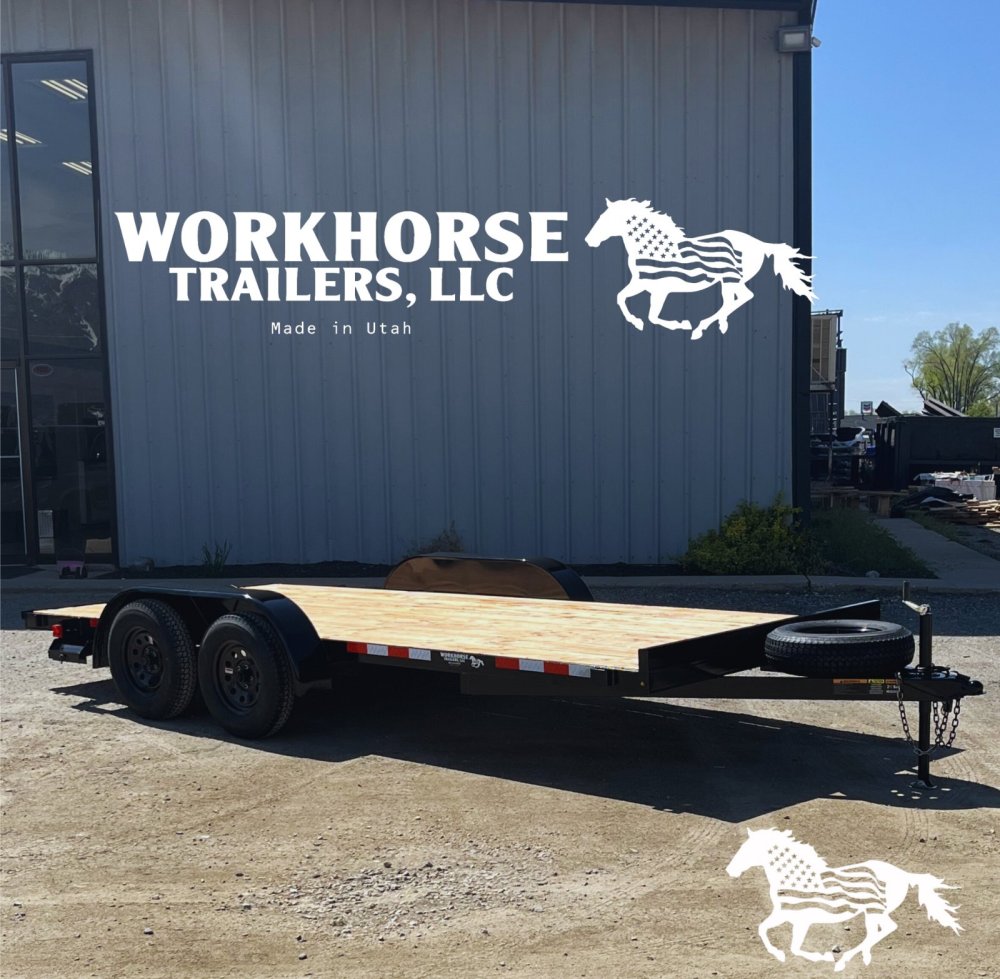
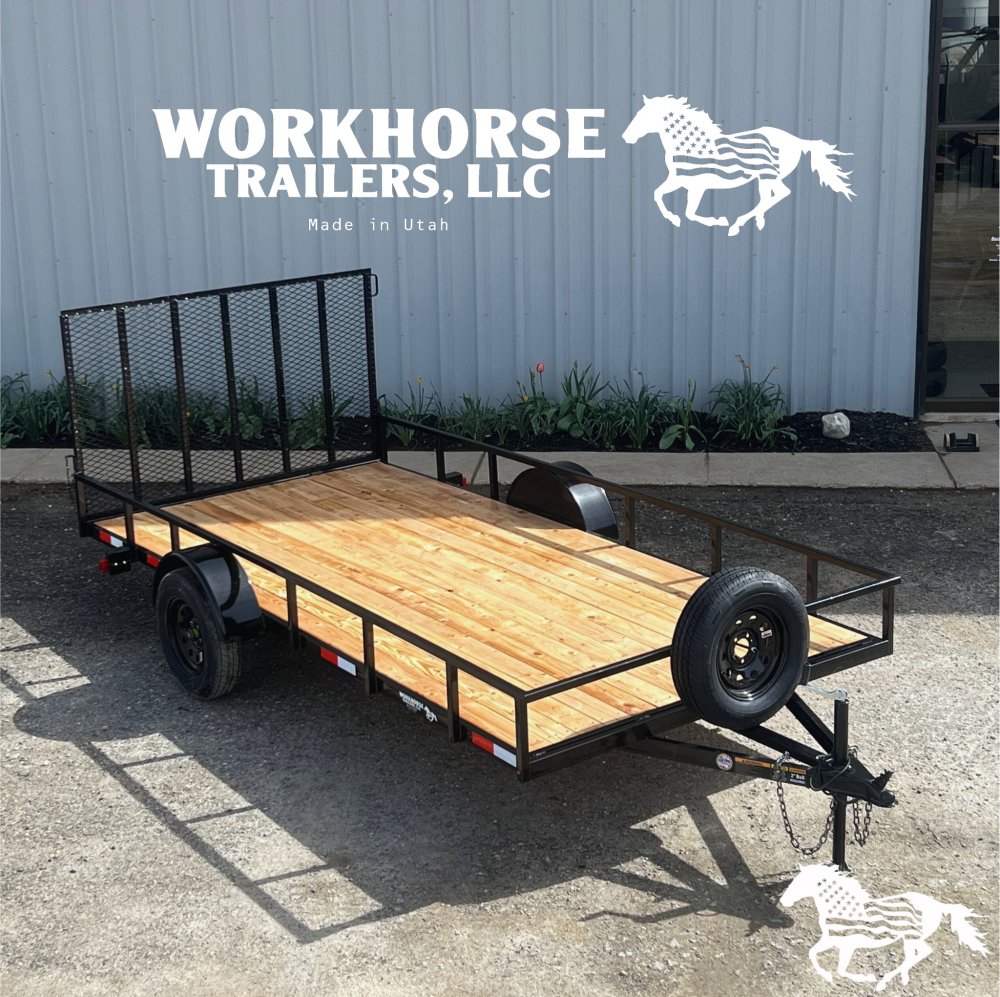
Spare tire carriers ensure replacement tires remain readily available when flats occur away from service facilities. Mounting spare tires on trailer frames keeps them accessible without consuming valuable deck space. Carrying appropriately rated spares prevents extended roadside delays while ensuring emergency tires can safely support expected loads if pressed into service.
Toolbox additions provide secure weatherproof storage for straps, chains, and frequently used items that should remain with trailers. Locking toolboxes prevent theft of securing equipment and tools while protecting contents from moisture and road debris. Strategic mounting along tongues or sides positions storage conveniently without reducing usable deck area.
Side rail kits expand utility trailer versatility by containing loose materials when installed while allowing removal for oversized loads. Stake pocket mounting systems enable tool-free installation and removal, making configuration changes simple operations. The flexibility maximizes trailer utility across diverse applications encountered throughout typical ownership periods.
Environmental and Efficiency Benefits
Trip consolidation through adequate trailer capacity reduces total fuel consumption compared to making multiple journeys with limited vehicle cargo space. A single trailer-equipped trip replacing three unequipped runs reduces fuel usage by roughly two-thirds while eliminating associated emissions. The efficiency gains compound across years of use representing meaningful environmental benefits alongside economic savings.
Lifecycle value from durable utility trailers serving decades of reliable use avoids manufacturing impacts from producing replacement equipment. Quality trailers properly maintained continue performing long after budget alternatives require scrapping and replacement. This longevity makes premium trailers environmentally sound investments through reduced resource consumption.
Material recycling at end of life recovers steel and components preventing landfill waste. Utility trailer frames and major components retain material value enabling recycling when equipment finally reaches true end of service. The recyclability provides environmental benefits while potentially recovering modest value offsetting disposal costs.
Making Smart Investment Decisions
Needs assessment separating requirements from preferences controls costs while ensuring trailers meet core operational demands. Buyers should define must-have specifications including minimum size, essential capacity, and critical features before evaluating optional upgrades. Paying for unused capability provides no value while potentially forcing compromises on essential qualities through budget constraints.
Quality evaluation examines construction details, component specifications, and manufacturer reputation revealing long-term value beyond initial pricing. Weld quality, material gauges, bearing brands, and axle manufacturers separate premium products from budget alternatives appearing similar initially. The quality differences emerge through years of use as inferior trailers develop problems while premium models continue reliable operation.
Future needs consideration prevents rapidly outgrowing trailers shortly after purchase when circumstances change or uses expand. Modest capacity oversizing accommodates growth without excessive initial investment in unneeded capability. This forward-looking approach delivers extended useful service as requirements evolve rather than forcing premature equipment upgrades.