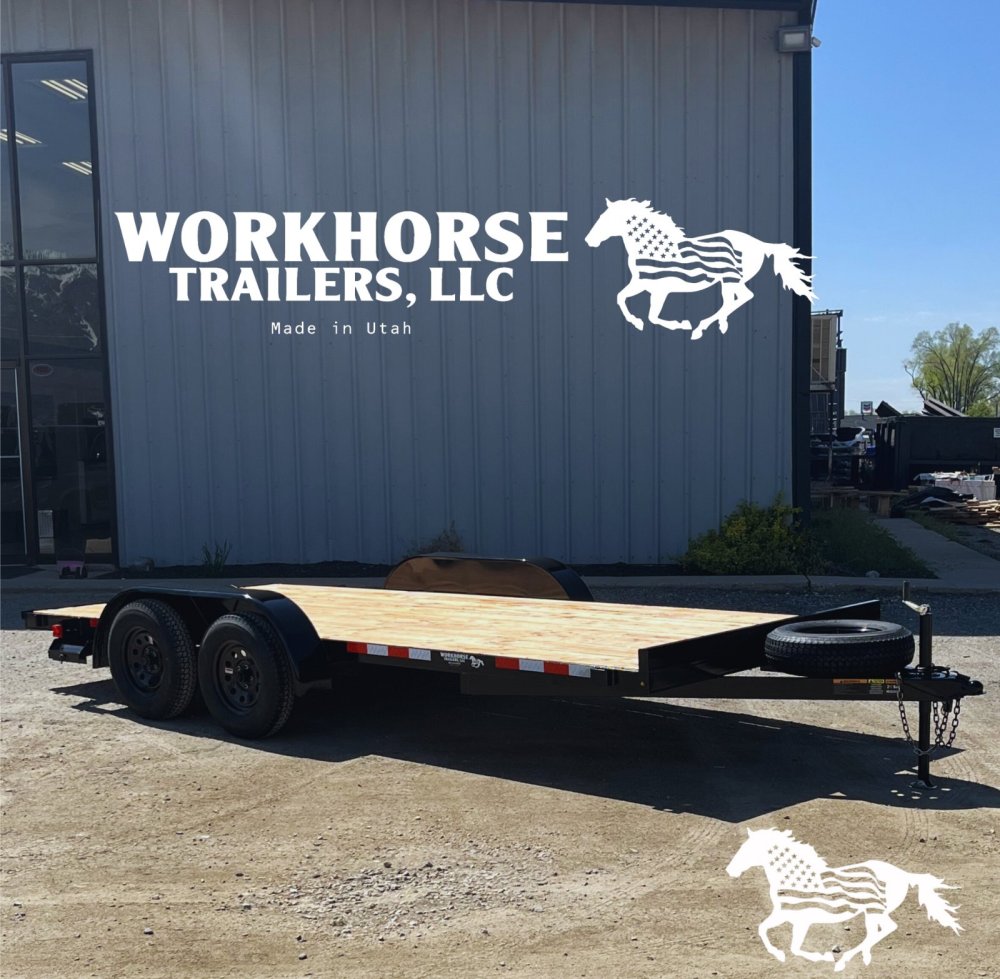
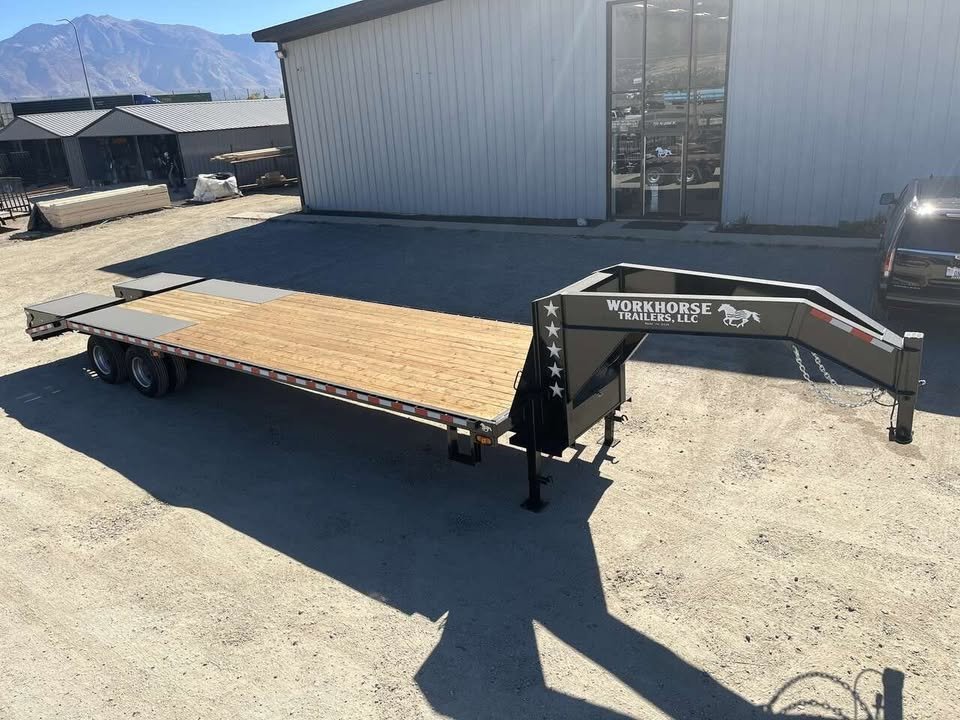
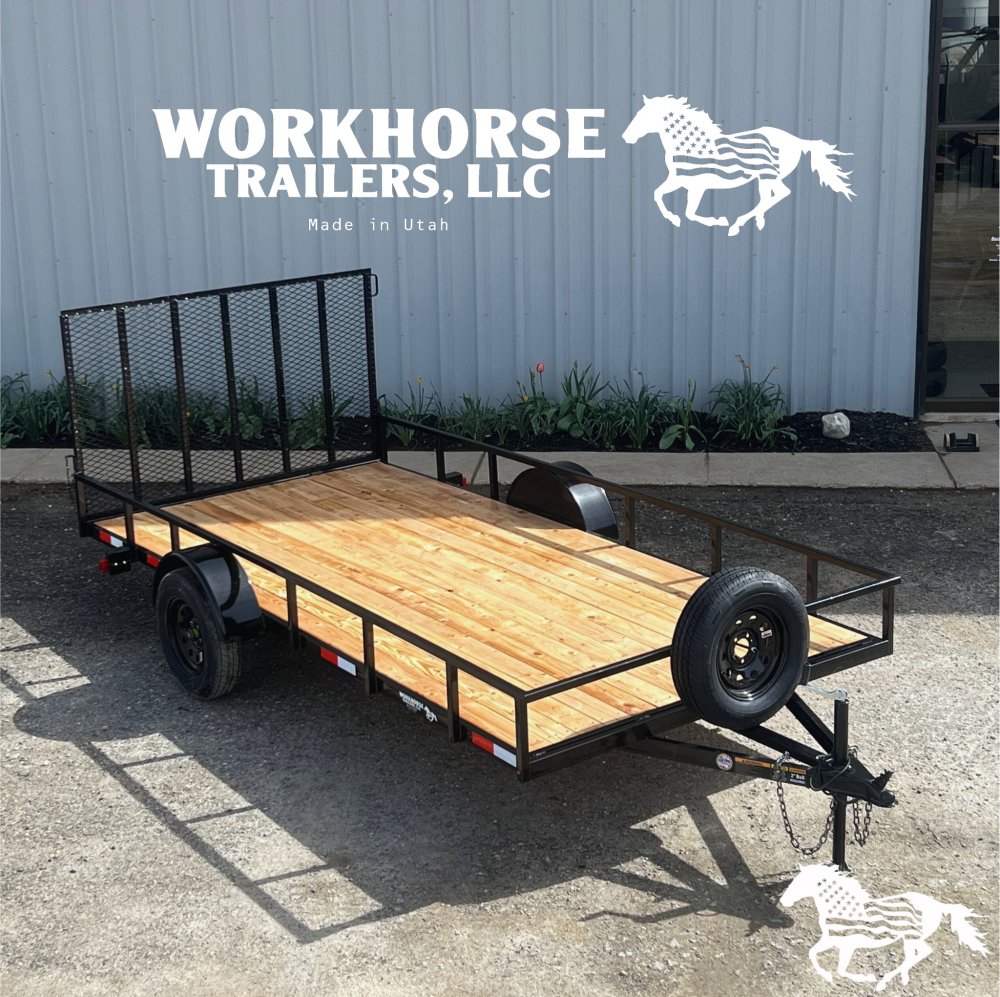
Midvale Equipment Hauler Trailers
All locationsMidvale’s robust industrial infrastructure and diverse commercial sectors create sustained demand for heavy-duty equipment hauler trailers capable of safely transporting machinery essential to modern business operations. The city’s concentration of manufacturing facilities, construction companies, and service-based enterprises generates daily equipment movement requirements that standard utility trailers cannot adequately address. Equipment hauler trailers engineered specifically for machinery transport provide the structural capacity, specialized features, and reliability that Midvale businesses depend on when relocating valuable assets between facilities, job sites, and service centers throughout the Salt Lake Valley.
The strategic advantages of Midvale’s location create ideal conditions for equipment-intensive businesses requiring frequent machinery mobilization. Positioned along the I-15 corridor with direct access to communities stretching from Ogden to Provo, Midvale companies deploy equipment efficiently across the entire Wasatch Front region. This geographic accessibility amplifies the value of owned equipment haulers, transforming what might be occasional rental needs into frequently utilized assets that enhance operational flexibility while eliminating dependencies on third-party logistics providers who may lack availability during critical project phases.
Industrial Manufacturing Equipment Movement
Precision machine tools including CNC mills, lathes, and manufacturing centers require specialized transport protecting delicate components and maintaining calibration integrity during relocation. Midvale’s manufacturing sector encompasses metal fabrication, precision machining, and component production operations that periodically move equipment between facilities or to service providers for maintenance and upgrades. The vibration isolation and secure mounting that quality equipment haulers provide prevents the shock loading that could knock precision machinery out of specification requiring expensive recalibration.
Production line equipment relocation during facility expansions, layout reconfigurations, or company consolidations demands equipment haulers accommodating substantial weights concentrated on small machine footprints. Injection molding machines, stamping presses, and automated assembly equipment represent enormous capital investments requiring careful handling. The reinforced deck construction and robust frame engineering distinguishing equipment haulers from general utility trailers proves essential when transporting industrial machinery where deck failure or frame flexing could cause catastrophic damage.
Material handling machinery including forklifts, pallet jacks, and automated guided vehicles move regularly between warehouses, distribution centers, and rental facilities throughout the region. These workhorses of industrial logistics require transport that accommodates their unique weight distributions and operational characteristics. Equipment haulers designed for forklift transport incorporate deck reinforcement under anticipated wheel positions preventing surface damage while providing appropriate tie-down locations that secure machinery without stressing mechanical systems.
Construction Contractor Applications
Excavation specialists throughout Midvale deploy mini excavators, compact track loaders, and trenching equipment to residential developments, commercial projects, and municipal infrastructure work sites. These versatile machines perform essential earthmoving tasks while requiring specialized transport due to track configurations and substantial weights despite compact dimensions. When researchingMidvale Equipment Hauler Trailers, excavation contractors prioritize models with appropriate capacity ratings, reliable ramp systems, and features facilitating safe machinery loading and securing.
Concrete placement operations utilize power buggies, laser screeds, ride-on trowels, and specialized finishing equipment that construction professionals transport between concrete pours. Modern finishing machinery incorporates sophisticated electronic controls, hydraulic systems, and precision components demanding protection from transport shock and vibration. Equipment haulers with smooth-riding suspension systems and proper tie-down provisions minimize the jarring impacts that could damage sensitive controls or hydraulic assemblies.
Demolition contractors haul breakers, crushers, material handlers, and debris processing equipment to sites throughout the valley. The harsh operating environments characteristic of demolition work mean equipment arrives at trailers dirty, potentially damaged, and requiring robust deck surfaces withstanding abuse. Heavy-duty steel deck plating proves more appropriate than wood for these demanding applications where longevity under punishing conditions justifies the weight penalty and higher initial investment.
Specialty Trade Equipment Transport
HVAC system installers move air handling units, condensing units, ductwork fabrication equipment, and specialized tools supporting heating and cooling installations. Large commercial HVAC components often exceed dimensions and weights that standard trailers can safely handle. Equipment haulers providing adequate width, length, and capacity accommodate oversized air handlers and packaged rooftop units that commercial installations require.
Electrical contractors transport wire pulling equipment, conduit benders, cable reels, and specialized testing instruments to commercial and industrial project sites. The combination of heavy spools, bulky equipment, and delicate electronics demands versatile hauling platforms. Enclosed equipment haulers protect sensitive testing equipment from weather while open platforms accommodate oversized wire reels and conduit bending apparatus.
Plumbing and mechanical contractors haul pipe threading machines, hydro-jetting equipment, inspection cameras, and specialized tools serving commercial and industrial clients. These professional-grade tools represent substantial investments that contractors protect through proper transport. Equipment haulers configured with integrated toolbox storage keep smaller items organized while deck space accommodates larger machinery and material handling equipment.
Landscape and Grounds Maintenance Equipment
Commercial landscape operations serving Midvale’s business parks, apartment complexes, and municipal properties transport diverse equipment including commercial mowers, aerators, overseeders, and utility vehicles. The daily loading cycles characteristic of professional landscaping demand durable ramp systems withstanding repeated use without bending or developing unsafe wear. Integrated ramp gates provide convenient access while containing equipment during highway transport between maintenance locations.
Irrigation installation specialists move trenchers, boring machines, pipe fusion equipment, and testing instruments between installation sites. These specialized machines feature unusual dimensions and concentrated weights challenging conventional trailer designs. Equipment haulers with reinforced deck sections under anticipated equipment positions prevent surface damage while accommodating the irregular configurations that irrigation equipment presents.
Tree care professionals haul wood chippers, stump grinders, log splitters, and aerial equipment supporting arboriculture operations. The extreme weights of stump grinders concentrated on compact footprints demand deck reinforcement beyond standard specifications. Chipper transport requires adequate deck length accommodating extended feed chutes that project well beyond machine wheelbases, necessitating careful trailer selection matching equipment dimensions.
Agricultural Machinery Transportation
Compact tractor hauling serves hobby farms, acreage properties, and small agricultural operations throughout areas surrounding Midvale. These versatile machines fit comfortably on equipment haulers while requiring appropriate capacity for substantial implement-equipped weights. Deck dimensions must accommodate tractor wheelbases and overall widths including any attached implements or accessories being transported simultaneously.
Hay and forage equipment including compact balers, tedders, and small-scale harvesting machinery requires periodic transport between properties and service facilities. These agricultural implements feature irregular shapes and extended dimensions that challenge loading and securing. Equipment haulers with removable side rails contain awkward implements during transport while allowing unobstructed deck access when loading oversized components.
Livestock handling equipment including portable panels, chutes, hydraulic squeeze systems, and loading ramps transport efficiently on equipment haulers configured for agricultural applications. These systems disassemble into manageable sections but require secure containment preventing shifting during transit. Strategic load positioning and comprehensive tie-down strategies prevent damage to galvanized coatings and structural welds that restoration expenses would significantly exceed.
Specialized Deck Construction Requirements
Reinforced pressure-treated lumber decking provides enhanced load-bearing capacity compared to standard dimension lumber through thicker boards and closer spacing. The upgraded construction handles concentrated loads from equipment outriggers, stabilizer feet, or compact machinery where weights concentrate on small contact areas. Premium lumber selection and proper fastening techniques prevent premature deck failure from point loading that standard construction cannot withstand.
Steel diamond plate decking delivers maximum durability for commercial operations involving abrasive materials, heavy impacts, or equipment with metal tracks potentially damaging softer deck materials. The robust surface maintains integrity through years of demanding service where wood decks would require frequent board replacement. The substantial weight of steel decking reduces available payload but proves worthwhile for operations where deck longevity outweighs capacity reductions.
Composite deck materials engineered specifically for trailer applications combine wood fibers and synthetic polymers creating surfaces resistant to moisture, chemicals, and physical damage. These advanced materials never rot, resist insect damage, and maintain structural properties through extreme temperature variations. The premium pricing reflects superior longevity and minimal maintenance compared to traditional wood that requires periodic replacement.
Ramp and Loading System Diversity
Slide-in ramp designs store within trailer frame channels when not deployed, creating clean profiles during highway transport without protruding components. The integrated storage prevents ramp loss while maintaining aerodynamic efficiency. Deployment involves sliding ramps outward from storage positions then rotating into loading angles, with spring assists or gas cylinders easing operation for single-person handling.
Hydraulic dovetail systems eliminate separate ramps through powered deck sections that lower creating ground-level loading surfaces. This sophisticated approach accommodates extremely low-clearance equipment while allowing single-person operation through button-activated controls. The substantial cost premium over manual ramps proves justified for operations frequently loading challenging equipment or prioritizing loading efficiency.
Bi-fold ramp configurations extend total length while maintaining reasonable stowed dimensions through center hinges allowing ramps folding back on themselves. The extended reach creates gentler approach angles particularly valuable when loading heavy equipment where steep ramps create traction challenges. Reinforced hinge mechanisms and safety restraints prevent ramp collapse ensuring safe operation throughout service life.
Axle Configuration Strategy
Tandem-axle equipment haulers provide optimal balance between capacity, stability, and operational costs for most commercial applications. Weight ratings typically span 10,000 to 14,000 pounds handling substantial equipment loads while maintaining reasonable tire replacement expenses and acceptable turning characteristics. The dual-axle redundancy allows limited continued operation following single tire failures preventing complete roadside immobilization.
Triple-axle configurations extend capacity into 16,000 to 25,000 pound territory accommodating larger construction equipment, industrial machinery, and multiple smaller machines transported simultaneously. The additional axle distributes weight across more tires reducing individual tire loading while improving legal compliance with bridge formula weight distribution requirements. However, tighter turning characteristics and increased tire costs require justification through genuine capacity requirements.
Adjustable axle positioning on some premium equipment haulers allows optimizing weight distribution for specific loads through mechanical or air suspension systems. This sophisticated capability enables maintaining legal axle weights across varying load distributions that fixed axle positions might not accommodate optimally. The complexity adds cost and potential maintenance requirements but provides compliance flexibility for operations hauling diverse equipment types.
Winch Systems and Load Assistance
Heavy-duty electric winches mounted to equipment hauler fronts provide powered pulling capability loading disabled machinery, non-running equipment, or items with mechanical issues preventing self-loading. The combination of adequate pulling capacity and proper cable routing allows single operators loading challenging equipment without assistance. Quality installations incorporate fairleads, cable guides, and mounting reinforcement ensuring winch systems operate reliably through extended service.
Hydraulic winch alternatives deliver superior pulling power compared to electric models through hydraulic motors powered by dedicated pump systems. The substantial force generation suits extremely heavy equipment or challenging loading scenarios where electric winches might struggle. The added complexity of hydraulic systems including pumps, reservoirs, and plumbing requires justification through genuine operational requirements exceeding electric winch capabilities.
Remote winch controls enable operators monitoring cable tension, equipment alignment, and deck clearances during pulling operations from positions providing comprehensive visibility. Wireless remotes allow walking alongside equipment during loading making real-time adjustments preventing contact with deck edges or other obstacles. This operational freedom improves loading safety while preventing damage from operators unable to observe complete loading processes.
Tie-Down Point Engineering
D-ring tie-down anchors welded or bolted to frames and decks provide robust attachment points for chains and straps. Strategic positioning around trailer perimeters offers anchor locations suitable for most equipment types though specific machinery may not align perfectly with fixed positions. Heavy-duty D-rings rated for appropriate working loads ensure secure attachment withstanding dynamic forces during highway travel.
Recessed E-track systems integrated into deck surfaces provide infinitely adjustable tie-down positioning accommodating equipment with varying dimensions and configurations. The flush-mount tracks maintain level deck surfaces while accepting specialized fittings that lock anywhere along track lengths. This flexibility proves particularly valuable for haulers transporting diverse equipment types where fixed anchor points create securing compromises.
Stake pocket mounting along deck perimeters accepts removable D-rings, cargo bars, or side stakes providing versatile attachment options. The standardized pocket spacing allows installing securing points at optimal locations for specific loads then removing them when alternative configurations better serve different equipment. This adaptability maximizes trailer utility across the diverse applications encountered throughout typical commercial service.
Brake System Specifications
Electric-over-hydraulic brake systems combine electric brake controller convenience with hydraulic force multiplication delivering stopping power appropriate for heavily loaded equipment haulers. The electrically activated hydraulic actuators provide progressive, powerful braking suitable for weights approaching maximum gross vehicle ratings. Professional-grade brake controllers feature enhanced capacity and sophisticated control algorithms ensuring optimal performance.
Surge brake actuation through mechanical couplers provides self-contained braking without electrical connections to tow vehicles. The trailer momentum during deceleration compresses hydraulic cylinders applying brakes proportional to stopping forces. While lacking the adjustability of electric systems, surge brakes deliver reliable performance through straightforward mechanical operation resistant to electrical failures.
Brake maintenance programs based on use intensity ensure stopping power remains adequate as components wear. Commercial equipment haulers experiencing daily operation require more aggressive service schedules compared to recreational trailers. Monthly visual inspections supplemented by detailed annual service catch developing problems before they compromise safety or create expensive emergency repairs.
Suspension Technology Selection
Leaf spring suspension provides time-tested reliability through layered steel springs supporting axle loads. The progressive spring rates offer comfortable empty rides while supporting heavy loads without excessive compression. Periodic maintenance including eye bushing replacement, center bolt torque verification, and U-bolt inspection maintains reliable operation through decades of demanding service.
Torsion axle alternatives eliminate leaf springs through independent rubber torsion elements providing superior ride quality and reduced maintenance. The independent wheel movement improves handling while decreasing frame stress compared to solid axle designs. Lack of grease fittings and pivot bushings simplifies maintenance though complete axle replacement becomes necessary when torsion elements eventually fatigue.
Air suspension systems provide adjustable ride height and exceptional load cushioning through pneumatic springs. The ability to raise and lower trailer decks facilitates loading at varying dock heights while air cushioning protects sensitive equipment from road shock. Complexity and expense limit air suspension to premium applications where ride quality and adjustability justify substantial cost premiums.
Legal Compliance and Operational Requirements
Gross vehicle weight rating compliance ensures equipment haulers operate within legal limits protecting roadway infrastructure while maintaining safe handling characteristics. Every trailer displays GVWR specifications on compliance plates attached to frames. Operators must calculate actual weights including empty trailer plus loaded equipment ensuring totals remain below rated capacities under all circumstances.
Bridge formula adherence governs axle spacing and loading preventing concentrated weights stressing bridges beyond design parameters. Federal regulations establish maximum weights based on axle configurations with closer spacing requiring lighter loads than wider-spaced arrangements. Equipment haulers with appropriate axle positioning maintain legal compliance while maximizing practical payload within regulatory frameworks.
State registration and licensing requirements mandate current plates and documentation for legal operation throughout Utah. Annual renewal fees based on empty weight or gross ratings with commercial operations potentially facing higher costs and additional requirements. Maintaining proper registration prevents citations while providing ownership documentation facilitating insurance claims and eventual resale transactions.
Corrosion Protection Strategies
Hot-dip galvanizing provides maximum corrosion resistance through complete zinc coating immersion protecting all metal surfaces including hidden internal areas. The sacrificial zinc layer corrodes preferentially to underlying steel preventing rust formation even when coatings sustain minor damage. Galvanized equipment haulers withstand decades of harsh service including winter road salt exposure and industrial environments.
Powder coating delivers superior paint durability compared to conventional liquid finishes through electrostatically applied powder curing into hard protective surfaces. The resulting coating resists impact chipping, abrasion damage, and environmental deterioration better than standard paint. Quality manufacturers apply powder coating as multi-stage processes including surface preparation ensuring optimal adhesion and longevity.
Undercoating applications protect frame rails and running gear from road debris, moisture exposure, and corrosive materials. Specialized rubberized or wax-based coatings create barriers preventing rust formation on underside surfaces experiencing harsh conditions. The investment in comprehensive undercoating proves economical through extended frame life delaying or eliminating expensive structural repairs.
Commercial Fleet Management
Preventive maintenance scheduling based on operating hours and mileage intervals prevents unexpected failures disrupting business operations. Commercial equipment haulers require more aggressive service compared to recreational trailers given intensive daily use. Establishing inspection routines at appropriate intervals identifies developing problems when repairs cost less than emergency breakdowns causing customer delivery delays.
Inventory management for fleets operating multiple equipment haulers includes tracking maintenance histories, scheduling service rotations, and managing parts inventories ensuring repairs proceed without delays waiting for component availability. Professional fleet operations maintain detailed records supporting warranty claims while demonstrating responsible ownership that preserves resale values.
Driver training programs ensure operators understand proper loading techniques, weight distribution principles, and safe towing practices. Comprehensive training prevents equipment damage, improves safety, and reduces insurance claims from operator errors. Investment in professional driver education pays dividends through reduced incidents and enhanced operational efficiency.
Insurance and Risk Management
Physical damage coverage protects equipment hauler investments against collision damage, theft, and comprehensive perils through dedicated policies or commercial vehicle endorsements. Standard auto insurance may provide minimal trailer coverage with limits potentially inadequate for expensive heavy-duty equipment haulers. Reviewing coverage details ensures protection matches actual replacement costs.
Cargo insurance covering transported equipment proves essential for operations hauling customer machinery or rental fleet assets. Coverage limits should exceed values of most expensive individual equipment pieces regularly hauled. Policy terms must clearly address whether coverage applies to owned equipment or extends to customer property being transported commercially.
Liability insurance addresses third-party claims arising from equipment hauler operation including accidents, cargo spillage, or equipment failures affecting others. Adequate limits protect business and personal assets from lawsuits following incidents where hauler issues contribute to damages or injuries. Commercial operations should maintain substantially higher liability limits than individual owners.
Investment Analysis for Midvale Businesses
Rental cost comparisons reveal ownership advantages for businesses requiring equipment haulers more than several times monthly. Annual rental expenses often equal new trailer purchase prices making ownership economically justified within single years of regular use. Owned equipment remains available for spontaneous needs without reservation requirements or availability constraints.
Operational efficiency improvements through owned equipment haulers allow accepting projects impossible when dependent on rental availability or third-party transport. Contractors can commit to aggressive schedules knowing equipment mobilization depends solely on internal decisions rather than external logistics coordination. This responsiveness creates competitive advantages generating revenue exceeding equipment costs.
Depreciation and tax considerations affect net ownership costs through potential tax advantages for business equipment purchases. Depreciation schedules allow recovering costs through tax deductions over equipment service lives. Consulting tax professionals ensures businesses maximize available benefits while maintaining proper documentation supporting deduction claims.
Selecting Appropriate Specifications
Capacity planning based on heaviest anticipated equipment including fluids, fuel, and attached implements ensures adequate ratings under all circumstances. Weight calculations should include comfortable margins preventing situations where minor load variations create overweight conditions. Planning for maximum realistic weights guarantees legal compliant operation throughout diverse use scenarios.
Deck dimensions must accommodate largest equipment footprints including wheelbases, track widths, and overall lengths with adequate clearance margins. Measuring actual equipment rather than relying on specification sheets prevents discovering inadequate fit after purchase. Allowing extra space simplifies loading while accommodating potential future equipment acquisitions.
Feature prioritization focuses investment on capabilities delivering genuine operational value rather than impressive specifications providing minimal practical benefit. Hydraulic ramps justify costs for frequent heavy equipment loading while simple manual ramps adequately serve occasional lighter use. Working with experienced dealers helps identify must-have features versus nice-to-have options that inflate costs disproportionately to utility provided.