Midvale Deck Over Trailers
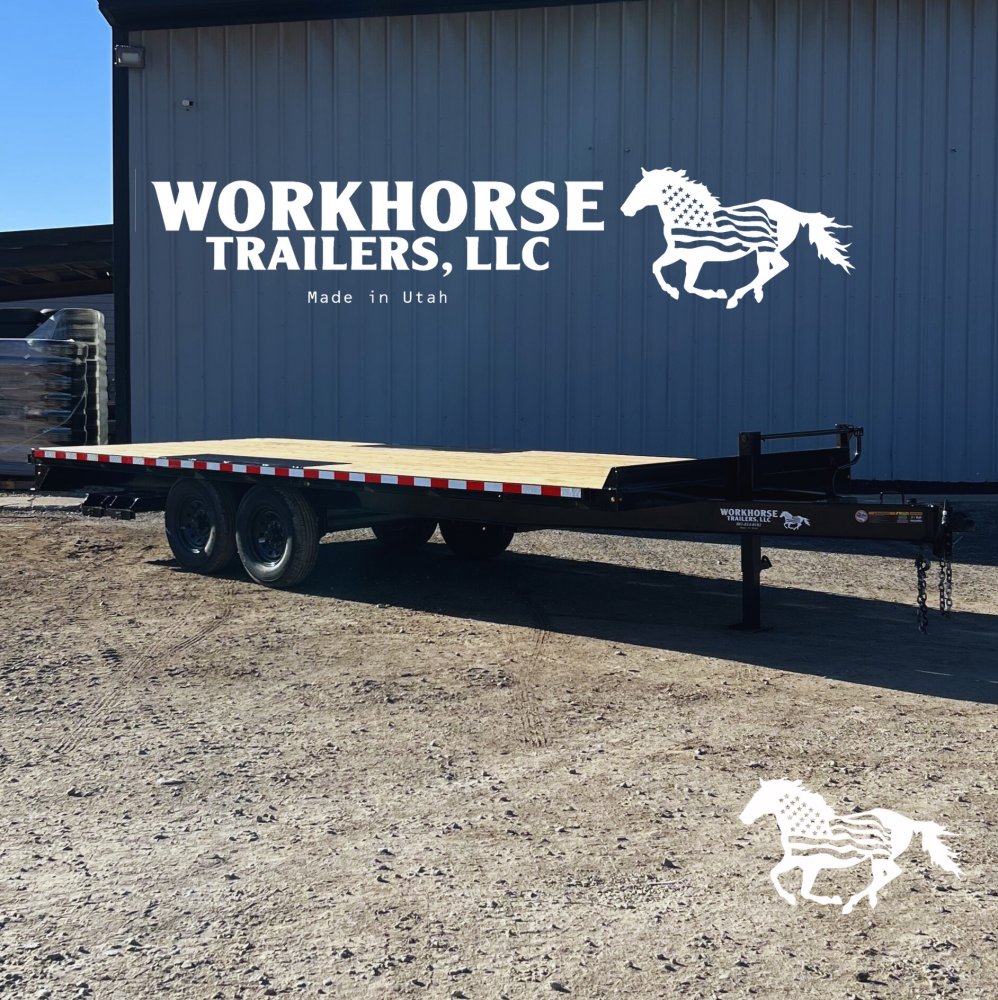
All locationsDeck over trailers have transformed hauling capabilities throughout Midvale by positioning cargo decks above wheel assemblies rather than between them, creating dramatically expanded usable width that revolutionizes how businesses and individuals approach oversized load transport. This architectural innovation delivers full-width loading surfaces typically measuring 102 inches compared to the approximate 80-inch limitation of conventional between-the-wheels designs. The additional width proves transformational for Midvale’s construction contractors, material suppliers, equipment rental operations, and countless other enterprises where cargo dimensions previously imposed frustrating constraints requiring creative loading approaches or multiple trips to accomplish what single journeys should handle.
Midvale’s position within Utah’s commercial corridor connecting major population centers creates ideal conditions for businesses leveraging maximum hauling efficiency. The city’s industrial districts, commercial zones, and convenient highway access mean companies frequently transport materials and equipment throughout the valley region. Deck over trailers eliminate width bottlenecks that force choosing between making multiple trips with conventional trailers or incurring expensive specialized freight charges for oversized items. This efficiency directly impacts operational costs and competitive positioning, making deck over designs strategic equipment investments rather than simple hauling tools.
The Width Advantage Explained
Standard trailer construction positions decks between wheel wells, limiting usable width to dimensions accommodating the wheels and suspension components underneath. This conventional approach creates practical constraints around 78 to 80 inches of clear deck space even on trailers with overall widths approaching 90 inches. The lost space to wheel well intrusion frustrates users attempting to haul standard building materials, wide machinery, or items whose dimensions approach or exceed the available width.
Deck over architecture solves this limitation by elevating the entire cargo surface above the wheel assemblies. The perimeter frame extends outward beyond the wheels supporting a deck that spans the full trailer width. Road-legal models typically max out at 102 inches, the maximum width allowed without special permits in most jurisdictions. This represents approximately 22 additional inches of usable cargo space compared to conventional designs, translating to roughly 27 percent more width capacity.
The practical implications extend beyond raw numbers into real-world hauling scenarios. A 4×8 foot plywood sheet that must angle diagonally on a conventional 80-inch deck sits perfectly flat on a 102-inch deck over surface. Two standard pallets positioned side by side require deck over width where conventional trailers force single-file arrangements. Multiple pieces of lawn equipment, machinery, or materials arrange efficiently across wider decks that conventional trailers cannot accommodate without creative positioning or multiple loading attempts.
Midvale Construction Industry Applications
Building material suppliers throughout Midvale rely on deck over trailers delivering full loads of dimensional lumber, sheet goods, and construction materials to job sites across the valley. The ability to stack plywood, OSB, and drywall sheets flat across full deck widths maximizes load efficiency while preventing edge damage that occurs when materials overhang narrow deck edges. Suppliers completing deliveries in single trips rather than multiple runs reduce fuel costs and driver time while improving customer service through faster material availability.
Framing contractors appreciate deck over capacity when transporting complete material packages for residential and commercial projects. Wall panels, roof trusses, and pre-cut lumber bundles fit efficiently on wide decks that conventional trailers struggle accommodating. The time savings during material loading and job site unloading compound throughout busy construction seasons when crews complete multiple projects simultaneously requiring frequent material mobilization.
Commercial roofing operations utilize deck over trailers hauling membrane rolls, insulation panels, mechanical equipment, and installation materials. Modern commercial roofing materials often come in wide rolls or panels that deck over trailers accommodate without the awkward angling required on narrower conventional decks. The professional presentation of efficiently loaded materials arriving at commercial job sites reinforces contractor competence in the eyes of building owners and general contractors.
Manufacturing and Industrial Cargo Transport
Machine shops and fabrication facilities move wide components, structural assemblies, and oversized parts between production facilities and customer delivery locations. Custom fabricated items including wide ductwork sections, structural steel assemblies, and specialized equipment often exceed conventional trailer widths. When investigatingMidvale Deck Over Trailers, manufacturers prioritize models providing adequate width margins preventing cargo from approaching deck edges where securing becomes challenging and damage risks increase.
Sheet metal fabricators transport finished products including HVAC ductwork, custom enclosures, and architectural panels to installation sites throughout the region. These items frequently feature widths optimized for building dimensions rather than trailer compatibility. Deck over designs eliminate forcing dimensional compromises during fabrication or accepting risky transport with materials overhanging narrow deck edges.
Industrial equipment distributors deliver machinery, production line components, and factory automation systems to manufacturing facilities across Midvale’s industrial sectors. Wide conveyor sections, robot work cells, and automated systems ship on deck over trailers accommodating the generous dimensions that modern industrial equipment exhibits. The secure positioning possible on appropriately wide decks prevents shifting during transport that could damage precision equipment requiring expensive recalibration.
Landscape and Outdoor Industry Uses
Professional landscaping companies operating throughout Midvale’s residential neighborhoods and commercial properties transport riding mowers, stand-on equipment, and utility vehicles more efficiently on deck over trailers. The expanded width allows positioning multiple machines side by side rather than tandem, creating compact load configurations that improve maneuverability in confined residential streets and commercial parking areas. Crews appreciate faster loading and unloading compared to conventional trailers where equipment must load single-file then rearrange at job sites.
Irrigation system installers haul trenchers, boring equipment, pipe supplies, and installation materials between projects. Modern irrigation machinery and material bundles often feature dimensions exceeding conventional trailer widths. Deck over platforms accommodate these oversized items while maintaining organized load arrangements that keep materials accessible throughout installation processes requiring multiple material types in sequence.
Tree service operations transport chippers, stump grinders, log sections, and equipment to removal sites across residential and commercial properties. The substantial width of industrial wood chippers and the irregular dimensions of large log sections challenge conventional trailer capacity. Deck over designs provide adequate space for equipment positioning while accommodating the unpredictable dimensions that tree work generates.
Pallet and Freight Hauling Efficiency
Wholesale distributors moving palletized products between warehouses and retail locations maximize efficiency through deck over capacity accommodating two standard 48-inch pallets side by side. Conventional trailer widths force diagonal pallet positioning or single-file arrangements that waste deck space while complicating loading patterns. The ability to position pallets in organized rows simplifies forklift operation while doubling capacity compared to single-file conventional trailer loading.
Retail delivery operations supplying furniture stores, appliance retailers, and specialty shops benefit from deck over width accommodating oversized merchandise. Large appliances, sectional furniture, and bulky products transport securely without overhanging deck edges. Professional delivery services recognize that arriving with damaged merchandise creates expensive returns and customer dissatisfaction making proper deck width essential rather than optional.
Event rental companies transport tables, chairs, staging, tents, and equipment to venues throughout the region. The combination of bulky folded tables, stacked chairs, and equipment creates loading challenges that deck over width alleviates. Setup crews arriving at venues with efficiently packed loads complete installations faster compared to crews unpacking poorly arranged conventional trailer loads.
Recreational Vehicle and Equipment Transport
ATV and UTV enthusiasts transport multiple machines to recreation areas across Utah’s spectacular landscapes using deck over trailers. The side-by-side positioning that deck over width enables creates compact configurations compared to tandem arrangements on conventional trailers. Outdoor recreation groups traveling together appreciate the consolidated transport eliminating the need for multiple trailers while maintaining adequate capacity for group adventures.
Boat and watercraft transport utilizes deck over trailers for wide-beam boats, pontoons, and personal watercraft. While dedicated boat trailers serve most watercraft, deck over platforms offer versatility for households owning multiple recreation types. The same trailer hauling ATVs to mountain trails can transport watercraft to area reservoirs without maintaining separate specialized trailers for each recreation category.
Camping and overlanding equipment including rooftop tents, storage systems, and expedition gear organize efficiently on deck over platforms. Adventure enthusiasts outfitting vehicles for extended trips appreciate the cargo capacity that wider decks provide. The ability to haul complete camp setups, recovery equipment, and supplies in single loads supports ambitious expedition planning.
Agricultural Equipment and Livestock Facility Support
Farm implement transport serves agricultural operations surrounding Midvale moving cultivators, planters, mowers, and attachments between fields and storage facilities. Modern agricultural implements have grown substantially wider as efficiency demands increase equipment capacity. Deck over trailers accommodate these dimensional increases that conventional trailers struggle handling without permit requirements for oversize loads.
Livestock handling equipment including portable panels, chutes, alleyways, and working systems transport efficiently on deck over platforms. These modular systems disassemble into components that stack and organize well on wide decks. Ranchers and livestock operators appreciate the capacity to haul complete portable corral systems in single trips rather than making multiple runs with conventional trailers.
Hay and feed operations move square bales, equipment, and supplies between production areas and distribution points. The stacking efficiency possible on wider decks increases payload compared to narrower platforms where bale arrangements waste space. Agricultural operations working on tight margins appreciate the efficiency improvements that deck over capacity delivers.
Deck Height Considerations and Implications
Elevated deck positioning results from placing cargo surfaces above rather than between wheel assemblies, typically creating deck heights between 24 and 32 inches compared to 18 to 24 inches on conventional designs. The increased height demands longer loading ramps achieving acceptable approach angles, with deck over ramps commonly extending 72 to 96 inches compared to 48 to 60 inches on standard trailers.
The longer ramps prove heavier and more cumbersome during handling, requiring adequate storage space when not deployed. Spring-assisted mechanisms or hydraulic assists reduce manual effort but add complexity and cost. Users must evaluate whether width advantages justify the ramp handling inconveniences, with most commercial operations determining that capacity benefits far outweigh loading considerations.
Ground clearance improvements from elevated decks benefit operators frequently accessing rough terrain, construction sites, or unpaved areas. The additional height provides margin when traversing uneven surfaces where conventional trailers might contact obstacles. However, the raised deck also increases cargo center of gravity affecting stability, requiring attentive driving particularly when hauling top-heavy loads.
Load Distribution and Weight Management
Strategic weight positioning on wide decks requires attention to both longitudinal and lateral balance. Heavier items should locate forward of axle centerlines creating proper tongue weight while also distributing evenly side to side. Uneven lateral loading creates imbalanced conditions potentially overloading one side’s tires while leaving opposite side capacity unused. Achieving both directional balance demands planning particularly when loading diverse items with varying weights.
Center of gravity awareness becomes critical given the elevated deck positioning characteristic of deck over designs. Top-heavy loads increase rollover susceptibility during emergency maneuvers or strong crosswind exposure. Operators should minimize vertical stacking height, spreading loads horizontally across the generous deck width rather than building tall stacks that raise centers of gravity unnecessarily.
Dynamic load securing prevents cargo movement responding to acceleration, braking, and cornering forces during highway travel. The wider deck surface provides more potential for lateral shifting compared to narrower conventional trailers where width constraints naturally limit sideways movement. Comprehensive tie-down strategies using multiple anchor points and crossed strap patterns prevent dangerous shifts potentially destabilizing trailers.
Frame Engineering and Structural Integrity
Perimeter frame construction on deck over trailers extends outward beyond wheel assemblies creating cantilevered structures supporting the expanded deck surface. This engineering requires substantial frame members and strategic reinforcement handling the leverage forces that cantilevers create. Quality manufacturers employ heavy-gauge steel tubing or formed channels with welded construction that distributes stresses preventing flexing indicating inadequate structural capacity.
Cross member spacing and sizing determines deck stiffness and load-bearing capability under concentrated loads. Closer cross member spacing provides superior support important when carrying heavy equipment or dense materials. Premium deck over trailers incorporate additional cross members compared to budget alternatives accepting more deck flex under load. The structural differences become apparent when loading heavy concentrated weights revealing design adequacy or deficiency.
Axle mounting reinforcement addresses stresses concentrated where axles attach to extended frame structures. The geometry differs from conventional trailers where axles mount to frame areas protected by decks above. Deck over designs require robust mounting provisions withstanding the forces that axle positions below extended frames create during loaded highway travel.
Ramp System Variations
Fold-down ramp gates integrated into deck over designs provide loading access through rear-mounted ramps that deploy downward. The gates serve dual purposes providing ramps when lowered and cargo containment when raised and secured. Spring-assisted or hydraulic mechanisms ease operation though the extended lengths required for elevated deck heights create substantial weight demanding robust assist systems.
Removable ramp alternatives offer flexibility including potential for extra-long configurations achieving gentler approach angles. These separate ramps slide into mounting brackets or store in dedicated locations when not needed. The detachable nature allows upgrading to longer ramps if equipment acquisitions introduce ground clearance challenges that original equipment cannot accommodate safely.
Side-loading ramps enable lateral vehicle or equipment loading when rear access proves impractical. These auxiliary ramps typically mount along trailer sides deploying when space constraints prevent traditional rear loading. Urban construction sites and congested commercial areas where backing into position becomes impossible benefit from side-loading capabilities that deck over versatility enables.
Tire and Brake System Requirements
Higher gross vehicle weight ratings typical of deck over trailers demand appropriately rated tires supporting substantial loads. Load Range D or E tires provide capacity matching the heavy weights that deck over designs accommodate. Proper inflation according to sidewall specifications proves critical since the elevated loads generate significant heat during highway travel. Under-inflation accelerates tire wear while increasing catastrophic failure risks.
Brake system capacity must match the substantial weights that deck over trailers regularly carry. Electric brake systems activated through vehicle-mounted controllers provide progressive stopping power adjustable for varying loads. The synchronized braking creates unified deceleration where trailer and vehicle work together rather than the vehicle struggling to control heavy unbraked or under-braked trailers.
Breakaway systems provide emergency brake activation if trailers separate from tow vehicles. Battery-powered controllers detect separation through safety cable pulls, automatically engaging maximum braking bringing detached trailers to controlled stops. This critical safety feature prevents runaway trailers from causing catastrophic accidents, making it required equipment in most jurisdictions for trailers above specific weight thresholds.
Corrosion Prevention on Extended Frames
Extended frame structures on deck over trailers create additional surface area exposed to corrosive elements including road salt, moisture, and industrial atmospheres. The cantilevered frame sections extending beyond wheel protection face direct exposure to road spray and debris impact. Comprehensive corrosion protection through galvanizing or premium powder coating proves particularly important given the increased exposure that deck over architecture creates.
Undercoating applications protect frame undersides from accumulated mud, salt, and moisture that promotes rust formation. The extended frame geometry creates additional crevices and surfaces where corrosive materials accumulate. Periodic pressure washing removes trapped debris before it damages protective finishes, while proactive touch-up of paint chips prevents rust initiation.
Sacrificial zinc coatings through galvanizing provide maximum protection for deck over trailers expecting harsh service conditions. The complete zinc immersion protects all surfaces including hidden internal areas that paint cannot reach. While more expensive initially, galvanized frames virtually eliminate corrosion concerns throughout decades of service.
Market Value and Investment Analysis
Premium pricing for deck over trailers compared to conventional designs reflects additional materials, engineering complexity, and manufacturing sophistication. Buyers should anticipate costs exceeding comparable conventional trailers by 15 to 25 percent depending on specific features and quality levels. However, the width advantages enable operational efficiencies and capability improvements that often justify premiums through reduced trips, expanded service offerings, or eliminated rental expenses.
Operational cost recovery through consolidated trips reduces fuel consumption, vehicle wear, and driver time compared to making multiple journeys with narrower trailers. A contractor completing material delivery in one deck over a trip instead of two conventional loads reduces costs by roughly half while freeing time for productive work. These efficiency gains compound across hundreds of trips annually, generating returns recovering purchase premiums within relatively short ownership periods.
Resale value retention on quality deck over trailers remains strong due to consistent market demand from commercial operators recognizing capability advantages. Well-maintained examples from reputable manufacturers retain 55 to 75 percent of original value after five years of commercial service. Maintenance documentation and evidence of proper care maximize resale prices when upgrading or exiting businesses requiring deck over capacity.
Selecting Appropriate Deck Over Specifications
Capacity requirements should account for maximum anticipated loads including potential future equipment or business growth. Modest oversizing prevents rapid obsolescence when operations expand or service offerings evolve. However, excessive capacity wastes money on unused capability while potentially demanding more powerful tow vehicles than operations actually require most of the time.
Deck length decisions complement width advantages determining total cargo volume. Common deck over lengths range from 18 to 24 feet for general commercial applications. The combination of length and width creates substantial cargo capacity that must remain within legal gross vehicle weight limits regardless of available deck space.
Feature priorities should emphasize capabilities delivering measurable operational value rather than impressive specifications providing minimal practical benefit. Hydraulic ramp gates justify costs for frequent heavy equipment loading while simple manual ramps adequately serve occasional lighter use. Working with knowledgeable dealers helps identify essential features versus nice-to-have options that inflate costs without proportional utility.
Future-Proofing Equipment Investments
Changing business needs over equipment lifespans mean trailers purchased today must serve tomorrow’s requirements. Deck over trailers’ inherent versatility provides natural future-proofing through width capacity serving diverse applications as businesses evolve. A trailer purchased for construction material delivery might later haul equipment, support landscape operations, or serve completely different purposes as company focus shifts.
Resale market strength for quality deck over trailers provides exit strategies when equipment no longer serves current needs. The robust used market means well-maintained trailers find buyers readily, allowing recovery of substantial investment portions. This liquidity makes deck over trailers sound business assets rather than pure expense items.
Upgrade potential through aftermarket accessories and modifications extends trailer utility as requirements change. Additional tie-down points, removable side rails, toolbox installations, and countless other enhancements adapt deck over platforms to evolving needs. The basic width advantage remains constant while specific configurations optimize for particular applications throughout ownership periods.