
Draper Utility Trailers
All locationsDraper, Utah sits at the southern edge of the Salt Lake Valley where suburban neighborhoods transition into open foothills and mountain terrain. It is a city defined by growth, outdoor ambition, and a population that takes pride in handling projects on their own terms. From weekend warriors tackling home renovation debris to established businesses delivering materials across the valley, utility trailers have become one of the most commonly owned pieces of equipment in the area. Workhorse Trailers LLC provides Draper residents and business owners with a carefully selected inventory of utility trailers built to handle real work without overcomplicating the ownership experience.
What Defines a Utility Trailer
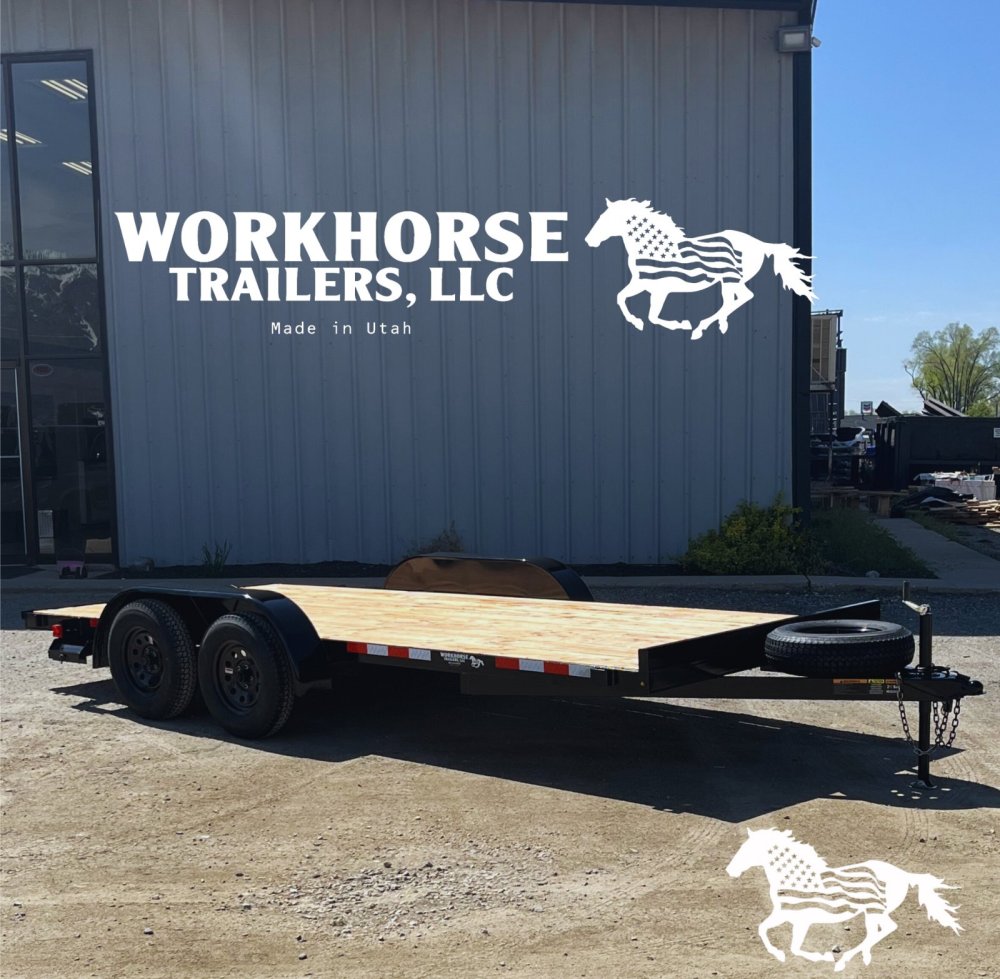
A utility trailer is an open, non-motorized hauling platform designed to be towed behind a truck, SUV, or other capable vehicle. It typically features a flat or slightly recessed bed framed by low side rails, a rear gate that folds down for loading, and a tongue assembly that connects to a standard ball hitch on the tow vehicle. Utility trailers occupy the middle ground between small cargo carriers and heavy-duty industrial haulers, offering a practical blend of capacity, affordability, and everyday usability that appeals to a remarkably broad audience.
What separates a quality utility trailer from a disposable one is the attention paid to materials, welding, and component selection during manufacturing. Cheap trailers flood the market with thin-gauge steel, sloppy welds, and bargain-bin axle assemblies that begin to deteriorate after a single season of regular use. Workhorse Trailers LLC stocks utility trailers from builders who refuse to cut those corners, ensuring Draper customers receive a product that holds up under sustained demand and retains its value over the long haul.
Draper's Unique Demand for Utility Trailers
Several characteristics of life in Draper create consistent, year-round demand for dependable utility trailers. Understanding these local factors explains why so many residents and business operators consider a utility trailer an essential rather than optional investment.
Residential Growth and Home Improvement
Draper has experienced substantial residential development over the past two decades, with new subdivisions spreading across the eastern benches and along the Bangerter Highway corridor. Homeowners in these communities regularly undertake landscaping installations, fence replacements, deck construction, garage cleanouts, and remodeling projects that generate loads of material too large for a pickup bed alone. A utility trailer turns a weekend project from a multi-trip ordeal into a single efficient haul to the hardware store, nursery, or county landfill.
The hillside lots that characterize much of Draper's eastern neighborhoods add another layer of demand. Properties built on slopes frequently require retaining walls, drainage improvements, and grading work that involve moving rock, gravel, soil, and concrete block in quantities that only a trailer can handle practically.
Small Business and Contractor Activity
Draper's commercial districts along 12300 South, Pioneer Road, and the Draper Peaks area support a dense concentration of small businesses, many of which depend on utility trailers for their daily operations. Cleaning services haul pressure washers and supply inventory. Plumbers and electricians carry pipe, conduit, and fixtures that overflow their service vans. Event rental companies deliver tables, chairs, tents, and staging equipment to venues across the south valley. For each of these operations, a utility trailer provides affordable cargo expansion without the cost of purchasing and insuring a dedicated box truck.
Outdoor Recreation and Trail Access
Draper's proximity to Corner Canyon, Dimple Dell Regional Park, and the network of trails extending into the Wasatch Mountains makes it a hub for outdoor recreation. Mountain bikers, off-road vehicle owners, and equestrian riders all use utility trailers to transport gear, ATVs, side-by-sides, and sometimes even small horse trailers to trailheads and staging areas. The ability to load up on a Friday afternoon and reach a remote riding area within an hour is part of what draws active families to Draper in the first place, and a reliable utility trailer makes that lifestyle possible.
Seasonal Cleanup and Yard Maintenance
Utah's distinct four seasons bring predictable waves of yard work that generate more debris than a standard trash service can accommodate. Spring cleanups produce piles of dead branches, leaves, and winter storm damage. Summer and fall bring lawn clippings, garden waste, and tree trimming material. Autumn leaf drop in Draper's mature neighborhoods fills trailers repeatedly before the first snow arrives. Rather than renting a trailer every few months or making countless trips to the green waste facility in a pickup, owning a utility trailer lets Draper homeowners stay ahead of seasonal maintenance on their own schedule.
Types of Utility Trailers Available at Workhorse Trailers LLC
Utility trailers come in a range of sizes and configurations, and Workhorse Trailers LLC maintains inventory across the spectrum so that Draper buyers can find the right match for their primary hauling needs.
Single Axle Utility Trailers
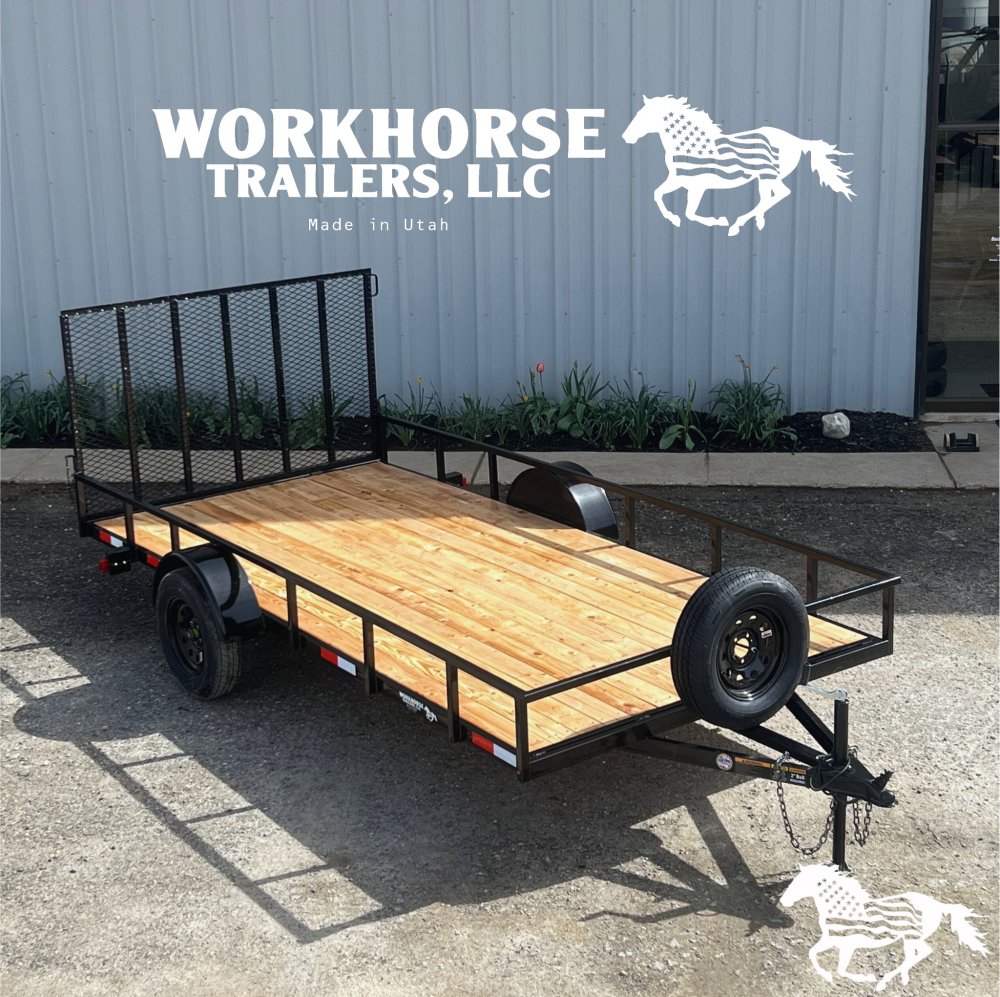
Single axle models represent the entry point into trailer ownership and remain the most popular choice among Draper homeowners and light-duty commercial users. These trailers typically measure between 4 by 6 feet and 5 by 10 feet, with gross vehicle weight ratings ranging from 1,200 to 3,500 pounds. Their compact footprint makes them easy to maneuver in residential driveways, store against a garage wall or fence line, and tow with mid-size trucks and SUVs. Despite their smaller stature, a well-built single axle utility trailer handles landscaping materials, furniture, appliances, and recreational gear with surprising capability.
Tandem Axle Utility Trailers
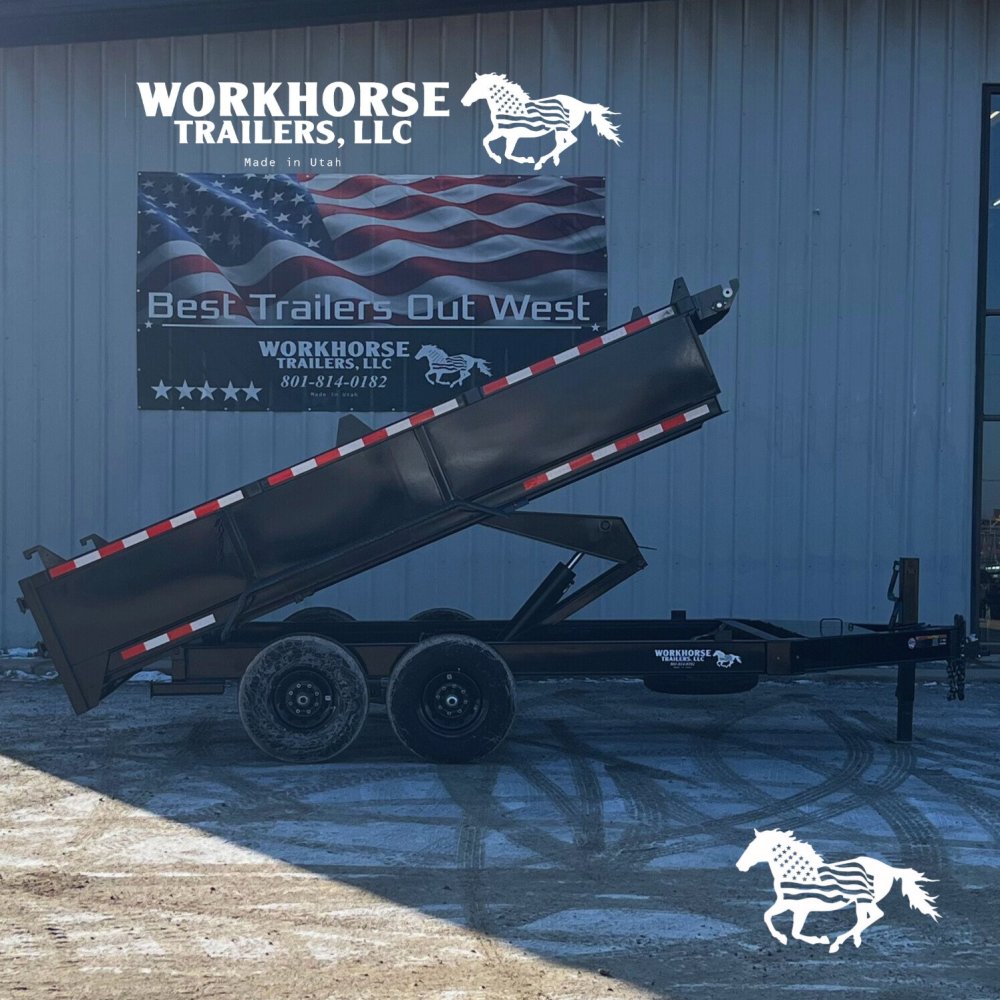
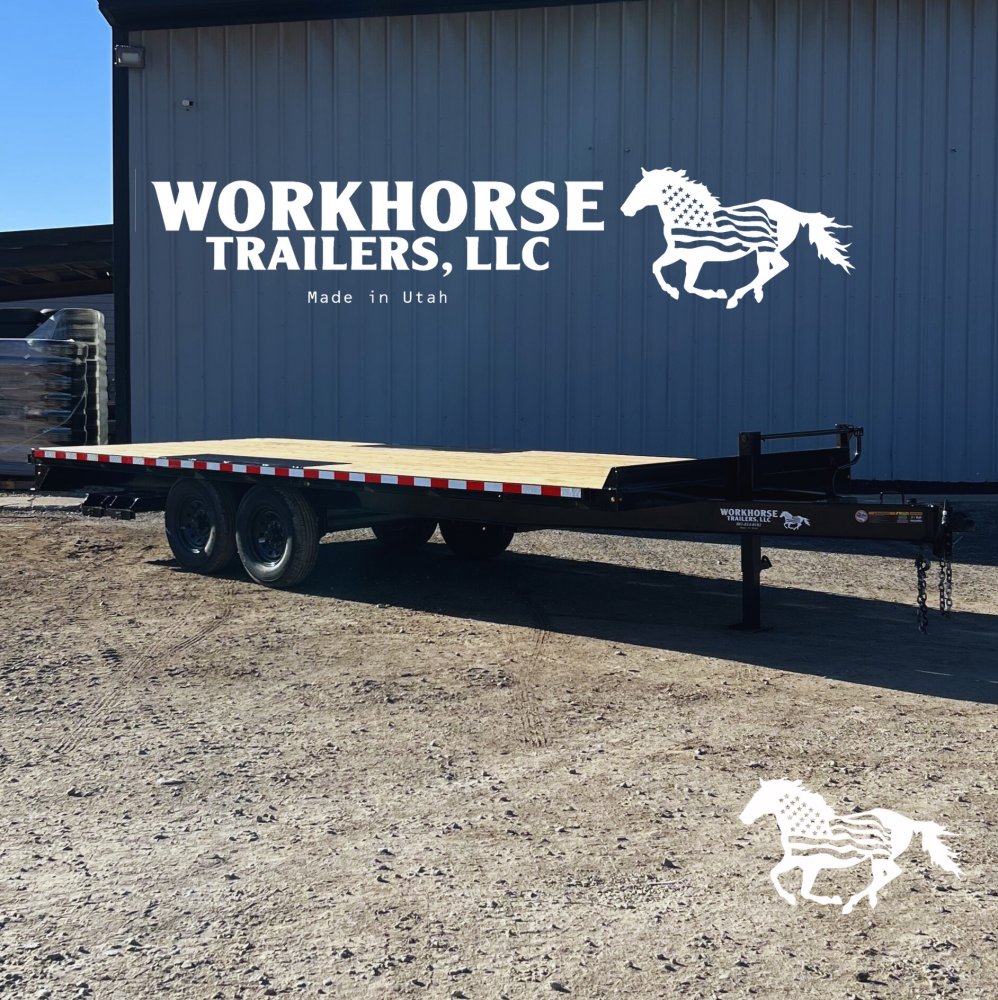
When payload demands exceed what a single axle can manage, tandem axle utility trailers step up with increased capacity and improved road stability. These models commonly range from 6 by 12 feet to 7 by 16 feet, carrying gross weights between 5,000 and 10,000 pounds depending on axle ratings and frame construction. The second axle distributes weight more evenly across four tires instead of two, reducing individual tire stress and providing a smoother ride for both the cargo and the tow vehicle. Tandem axle trailers are the workhorse choice for Draper contractors, property managers, and anyone who routinely hauls loads that push beyond light-duty thresholds.
Landscape Utility Trailers
Landscape trailers are purpose-refined utility trailers with taller side rails, expanded deck space, and optional features like integrated ramps for rolling mowers on and off, trimmer racks mounted along the rails, and enclosed front storage areas for hand tools and fuel cans. Draper lawn care operators and landscaping crews favor these trailers because every inch of the design caters to their specific daily workflow. The ability to park a zero-turn mower, a walk-behind edger, a blower, and a full set of hand tools on a single trailer eliminates the need for multiple vehicles and streamlines the route between properties.
High Side Utility Trailers
High side utility trailers feature extended walls, often 24 to 48 inches tall, that contain loose or bulky loads without the need for nets, tarps, or side extensions. These trailers excel at hauling brush, mulch, gravel, scrap material, and demolition debris that would spill over the low rails of a standard utility trailer. For Draper homeowners tackling major cleanout projects or contractors managing job site waste, a high side model reduces the risk of losing material on the road and cuts down on the time spent strapping and covering irregular loads.
Selecting the Right Utility Trailer for Your Needs
Buying a utility trailer is a decision that benefits from honest reflection about how you plan to use it most often. Workhorse Trailers LLC helps Draper customers think through several key considerations before settling on a specific model.
Matching Capacity to Your Tow Vehicle
Every tow vehicle has a manufacturer-rated towing capacity and tongue weight limit that dictate the maximum size trailer it can safely pull. Exceeding those limits strains the engine, transmission, brakes, and suspension of the tow vehicle while creating hazardous handling characteristics on the road. Before selecting a trailer, confirm your vehicle's towing specifications in the owner's manual or on the manufacturer's website. Workhorse Trailers LLC routinely helps Draper buyers cross-reference their vehicle ratings with trailer weights to ensure a safe, legal pairing.
Evaluating Deck Size and Gate Configuration
Think about the largest item you will haul on a regular basis and choose a deck size that accommodates it with room to spare for securing the load. A trailer that fits one item perfectly but leaves no space for straps, chains, or additional cargo alongside it will frustrate you over time. Gate configuration matters as well. A standard drop-down tailgate works for most purposes, but a split gate or removable gate panel offers more flexibility for loading irregularly shaped items or backing up to a dock.
Considering Storage and Parking Space
Utility trailers live at your property when they are not on the road, and Draper's neighborhood covenants and HOA regulations sometimes restrict where and how trailers can be stored. Measure your available parking area, check any applicable community rules, and factor those constraints into your size decision. A compact single axle trailer that fits neatly beside the garage will see far more use than an oversized tandem axle model that requires offsite storage and a special trip to retrieve every time you need it.
Budgeting Beyond the Purchase Price
The sticker price of a utility trailer tells only part of the cost story. Registration fees, insurance if applicable, tire replacement intervals, bearing maintenance, and occasional repairs all contribute to the total cost of ownership. Higher-quality trailers typically require less maintenance and last significantly longer than budget alternatives, making them more economical per year of service even though the initial purchase price is higher. Workhorse Trailers LLC is transparent about these long-term costs and helps Draper buyers choose trailers that deliver genuine value rather than just a low entry price.
Customers exploring options forDraper Utility Trailers at Workhorse Trailers LLC quickly discover that the team prioritizes honest guidance over aggressive sales tactics, which is why so many buyers return for future purchases and refer friends and colleagues.
Maintaining a Utility Trailer in Draper Conditions
Draper shares the broader Wasatch Front climate, but its slightly higher elevation along the eastern bench means it often receives heavier snowfall and colder overnight temperatures than communities closer to the valley floor. These conditions, combined with the gravel roads and unpaved trailheads that many Draper trailer owners frequent, place specific demands on trailer maintenance.
Wheel bearings deserve regular inspection and repacking with fresh grease based on mileage and exposure to water or dust. A bearing failure at highway speed can cause a wheel to separate from the axle, creating an extremely dangerous situation for the driver and surrounding traffic. Repacking bearings is an inexpensive preventive measure that takes less than an hour per axle and can prevent catastrophic damage.
Tire pressure should be checked before every outing and adjusted for the load being carried. Underinflated tires wear unevenly, overheat on long drives, and reduce fuel efficiency. Overinflated tires provide a harsh ride that can bounce cargo loose from its tie-downs and increase the risk of a blowout when hitting potholes or rough patches.
The trailer frame, welds, and fasteners should be visually inspected at least twice per year for signs of cracking, rust, or loosening. Applying touch-up paint to scratches and chips in the finish prevents bare steel from corroding, and a coat of protective spray before the first winter storm provides a barrier against the salt and magnesium chloride that blanket Utah roads from November through March.
Lights and wiring connections deserve attention every time you hook up. A single burned-out brake light or a corroded ground connection can make your trailer invisible to drivers behind you during dusk, rain, or snowfall. Carrying spare bulbs and a basic wiring repair kit in your tow vehicle ensures you can fix lighting issues on the spot rather than driving with compromised visibility.
Workhorse Trailers LLC and the Draper Community
Workhorse Trailers LLC has cultivated strong relationships throughout Draper and the neighboring cities of Bluffdale, Riverton, Herriman, and Lehi that together form one of the fastest-growing corridors in all of Utah. The company's approach to customer service reflects the values of this community: straightforward communication, fair dealing, and follow-through that extends long after the trailer is paid for.
Repeat buyers make up a significant share of the customer base, which speaks directly to the satisfaction level of previous purchasers. When a Draper homeowner buys a single axle utility trailer for weekend projects and later returns for a larger tandem axle model as their needs expand, that loyalty is earned through product quality and trustworthy service, not marketing gimmicks.
Workhorse Trailers LLC encourages anyone in the Draper area who is weighing the decision to buy a utility trailer to visit the lot and spend time looking at different models side by side. Comparing frame thickness, weld quality, gate hardware, and tire construction in person reveals differences that photographs and spec sheets cannot convey. The team is available to answer questions, provide towing compatibility guidance, and share maintenance tips that help new trailer owners get the most from their purchase for years to come.