
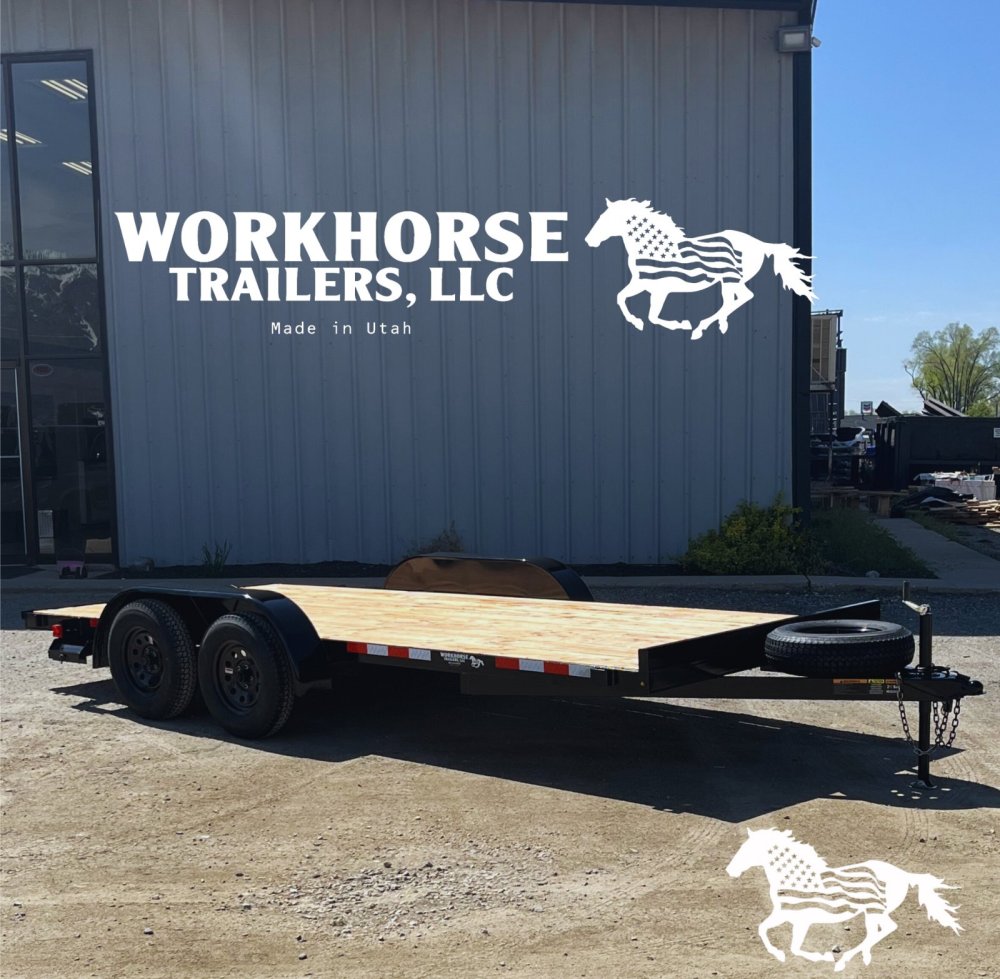
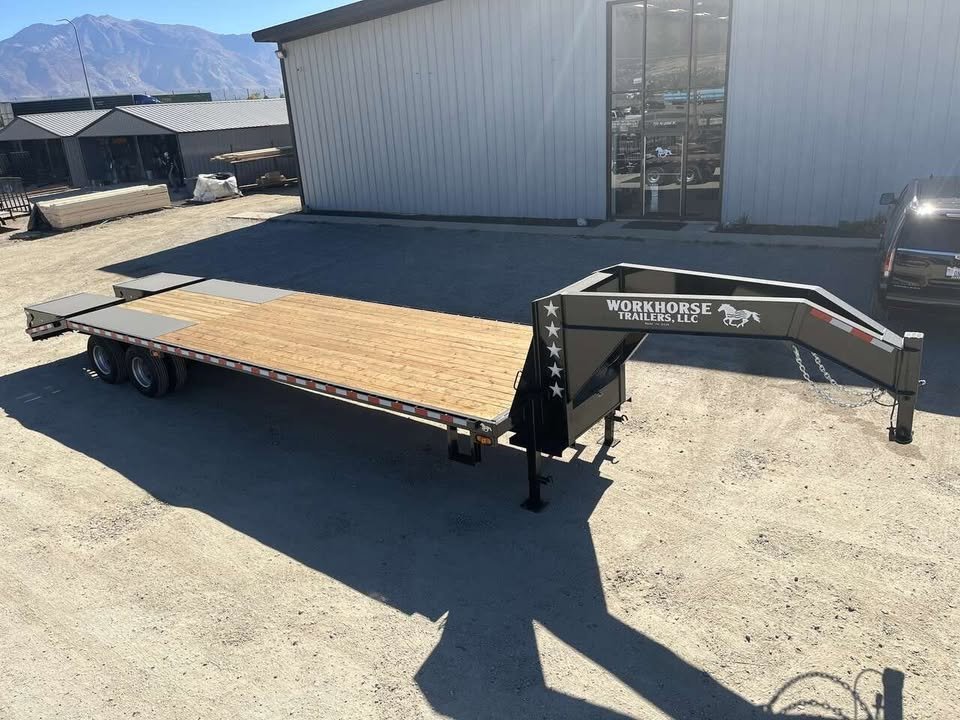
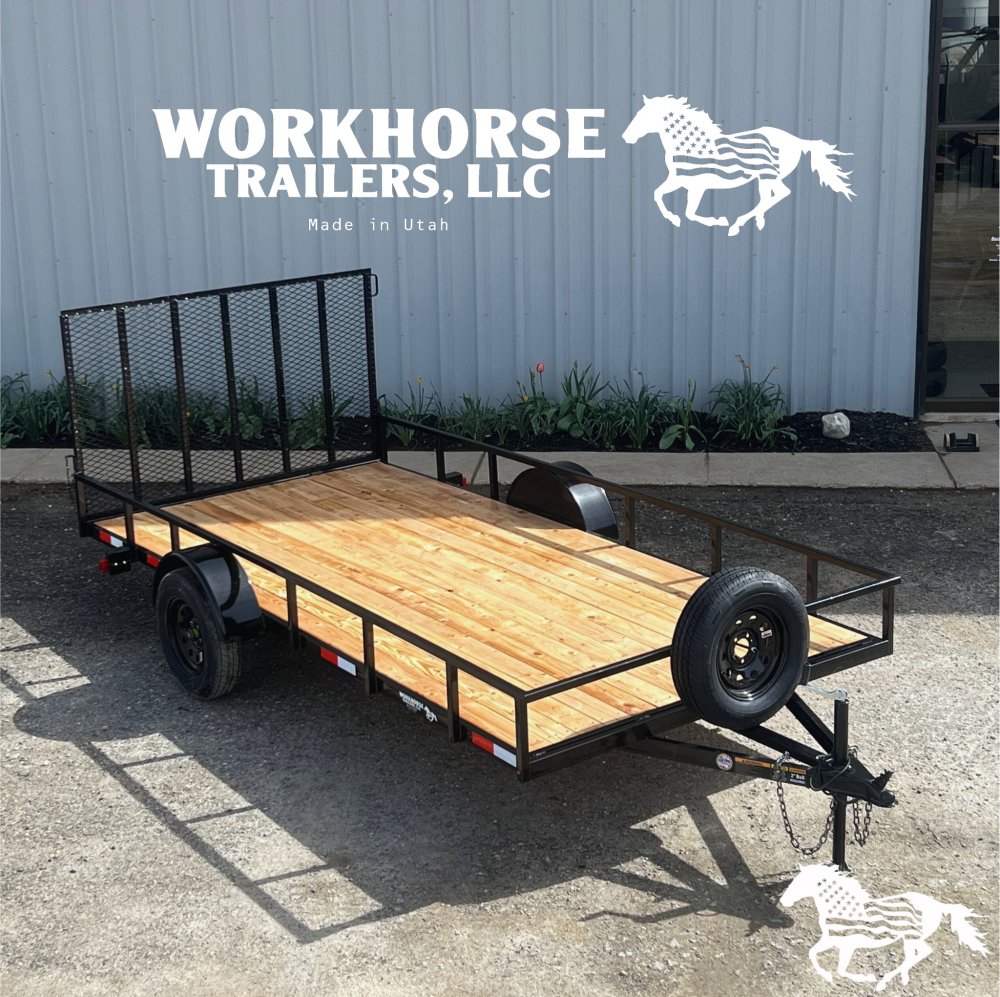
Cheyenne Car Hauler Trailers
All locationsCheyenne occupies a position on the map that makes vehicle acquisition, relocation, and transport a routine part of life for thousands of local residents. Denver’s sprawling auto market sits 90 minutes south on I-25, offering Cheyenne buyers access to a selection of dealerships, private sellers, and auction houses that dwarf anything available within Wyoming’s borders. Fort Collins and Loveland add more options just across the state line. Meanwhile, Cheyenne’s own car lots along Lincolnway and Dell Range Boulevard serve a customer base that stretches hundreds of miles into rural Wyoming, requiring dealer-to-buyer transport across distances that make drive-away delivery impractical for many transactions. Whether the trip involves picking up a project truck from a Denver suburb, delivering a sold vehicle to a ranch buyer in Torrington, or retrieving a breakdown from an empty stretch of I-80 east of town, a car hauler trailer makes the operation self-contained and repeatable without dependence on hired carriers. Workhorse Trailers LLC equips Cheyenne buyers with car hauler trailers built for the specific towing environment this high-plains capital city presents.
The intersection of I-25 and I-80 in Cheyenne creates a transportation nexus that channels vehicle traffic through the city from four directions. Cars purchased at Colorado dealer auctions travel north. Trucks sold to Nebraska buyers head east. Specialty vehicles bound for collectors in Jackson or Idaho pass through heading west. Military families arriving at F.E. Warren Air Force Base ship personal vehicles from previous duty stations that need retrieval from rail yards and transport terminals. Workhorse Trailers LLC providesCheyenne Car Hauler Trailers designed to handle this constant flow of vehicle transport activity with the road stability and structural resilience that Cheyenne’s wind, weather, and highway conditions demand.
Cheyenne’s Distinct Vehicle Transport Market
The car hauler trailer market in Cheyenne differs from larger metropolitan areas in ways that reflect the city’s unique combination of geographic position, military presence, and cultural identity. The buyers here are not exclusively professional towing operators. They represent a broad cross-section of the community whose vehicle transport needs arise from circumstances specific to life in Wyoming’s capital.
Cross-Border Vehicle Shopping
Wyoming’s lack of a state income tax and its relatively low vehicle registration fees make the state an attractive place to title and register vehicles. Cheyenne residents who shop the Denver metro area’s vast dealer inventory regularly purchase vehicles in Colorado and transport them home for Wyoming registration. This cross-border shopping pattern generates a steady stream of one-way vehicle hauls northbound on I-25 that individual buyers can either pay a transport company to handle or manage themselves with a personal car hauler trailer.
The economics favor ownership for anyone who makes this trip more than a few times per year. A single professional transport booking from Denver to Cheyenne can cost several hundred dollars. A buyer who picks up three or four vehicles annually from Colorado sellers recovers the cost of a quality car hauler trailer within the first year or two of ownership. Families with driving-age teenagers cycling through starter cars, hobbyists building collections, and small-time flippers who buy low in Denver and sell at Wyoming market prices all find that trailer ownership converts a recurring expense into a one-time investment.
Military Vehicle Logistics
F.E. Warren Air Force Base brings a rotating population of service members and their families into Cheyenne on assignment cycles that typically last three to four years. Each arrival and departure potentially involves vehicle transport. A family shipping a second car from a previous station in Texas may need to collect it from a rail terminal in Denver or a military vehicle processing center. A departing member selling a vehicle to a buyer in another Wyoming city needs to deliver it without adding road miles to a machine that has already been listed at a specific odometer reading.
Car hauler trailers also serve the active recreational life that military communities maintain. Service members who build weekend project cars, restore vintage trucks, or modify off-road vehicles in their garage time need transport to move those machines between the base area and trails, shows, or tracks without driving unfinished or unregistered vehicles on public roads. The car hauler trailer parked beside a Warren housing unit is as common a sight as the basketball hoop in the driveway.
Cheyenne Frontier Days and Regional Show Circuit
Cheyenne Frontier Days draws hundreds of thousands of visitors each July and anchors a broader calendar of community events, parades, and shows that celebrate the city’s western heritage. The car show component of these events attracts vehicle owners from across the region who display classic trucks, restored muscle cars, custom builds, and vintage farm equipment on show fields throughout the city.
Participants who trailer their show vehicles to these events protect paint, chrome, and mechanical components from the road grime, rock chips, and insect strikes that highway driving inflicts. A pristine 1969 Camaro or a freshly detailed lifted truck deserves to arrive at the show field in the same condition it left the garage, and a car hauler trailer makes that standard achievable regardless of the distance traveled. The show circuit extends beyond Frontier Days to events in Laramie, Casper, and across the Colorado border, giving Cheyenne-based participants a regular schedule of trailering opportunities throughout the warm months.
Independent Body Shop and Mechanical Operations
Cheyenne supports a network of independent body shops, mechanical repair facilities, and specialty automotive businesses that move customer vehicles between locations as part of their daily workflow. A body shop on East Lincolnway that farms out frame straightening to a specialist in Fort Collins needs to deliver and retrieve vehicles on a schedule dictated by the repair timeline. A performance shop installing a roll cage for a customer might need to transport the finished vehicle to a cage certification inspector in another city.
Owning a car hauler trailer gives these small businesses control over their delivery schedule and eliminates the per-trip expense of hiring outside transport. The trailer sits ready at the shop and deploys whenever a vehicle needs to move, turning what would be an unpredictable cost center into a fixed asset that serves the business on demand.
Trailer Selection for Cheyenne’s Towing Environment
Cheyenne’s specific combination of wind exposure, highway access, and seasonal extremes creates a towing environment that places measurable demands on car hauler trailer design and construction. Selecting a trailer that accounts for these local conditions prevents the handling problems and premature wear that trailers designed for gentler markets develop when pressed into service on the high plains.
Aerodynamic Considerations for Loaded Trailers
A vehicle sitting on a car hauler trailer raises the total profile height of the towing combination significantly. A standard sedan adds roughly five feet of height above the trailer deck, while a truck or SUV may add six feet or more. That additional vertical surface catches crosswinds that flow unobstructed across the plains surrounding Cheyenne, generating lateral forces proportional to the area presented.
Lower-deck car hauler designs that position the transported vehicle as close to the ground as possible reduce the wind profile and lower the center of gravity of the loaded combination. Every inch of reduced deck height translates into measurable improvement in crosswind stability along the I-80 corridor west of Cheyenne toward Laramie and the I-25 corridor south through the exposed stretch between Cheyenne and Fort Collins where wind advisories are issued routinely during spring and winter.
Frame and Deck Materials for Long Service
The temperature cycling, road chemical exposure, and sustained vibration that Cheyenne car hauler trailers experience over their service life demand materials and construction methods that resist fatigue and corrosion simultaneously. Steel frames fabricated from structural-grade tubing with full-length weld seams at every joint distribute road stresses across the entire frame assembly rather than concentrating them at isolated connection points.
Deck surfaces on open car haulers should resist the abrasion created by tire straps tightened and released repeatedly at the same locations. Diamond plate steel decks handle this wear better than painted smooth surfaces, and their raised pattern provides the traction bonus of keeping rubber-soled boots from slipping during loading operations conducted on frosty Cheyenne mornings.
Lighting Visibility in Blowing Snow
Cheyenne’s winter storms frequently produce ground blizzard conditions where visibility drops to near zero even when snowfall itself is light. Blowing and drifting snow reduces the ability of following drivers to see the trailer’s rear lighting, and the accumulation of packed snow over lens surfaces can block light output entirely during a long highway run.
LED lighting systems mounted in recessed housings with protective lenses resist snow packing better than surface-mounted fixtures that create ledges where drifting material accumulates. Heated lens options available on some premium light assemblies melt accumulation as it forms, maintaining visibility throughout extended exposure to blowing snow conditions. Cheyenne operators who tow during winter months should prioritize lighting system design as a safety feature equal in importance to braking and structural integrity.
Securing Vehicles Against Cheyenne Road Conditions
The combination of wind, rough pavement, and long distances between stops that characterizes Cheyenne-area towing creates securing requirements that exceed what casual trailer operators in calmer markets might consider adequate. A vehicle that shifts even slightly during a two-hour highway run in crosswind conditions can damage both itself and the trailer deck beneath it.
Four-Point Wheel Strap Protocol
Securing each wheel independently with a dedicated ratchet strap anchored to the trailer deck provides four separate points of resistance against movement in any direction. Front straps resist rearward shift during acceleration and grade climbing. Rear straps resist forward shift during braking. The combined tension of all four straps resists the lateral forces applied by Cheyenne crosswinds attempting to slide the vehicle sideways on the deck.
Strap tension should be verified at the first stop after departure and rechecked at reasonable intervals during longer hauls. New straps stretch slightly during their initial tensioning cycles, and road vibration can work ratchet mechanisms backward by small increments over extended periods. A 30-second tension check at a fuel stop in Wheatland or Chugwater during a northbound run from Denver catches any loosening before it progresses to a securing failure.
Supplemental Chain Backup for High-Value Cargo
Cheyenne operators transporting vehicles with significant financial or sentimental value benefit from adding safety chains as a secondary retention system beneath the primary wheel straps. A chain connected from the transported vehicle’s frame or axle to a D-ring welded into the trailer deck catches the vehicle if a strap fails, preventing free movement that could result in the vehicle sliding off the deck or colliding with the trailer’s side rails.
This belt-and-suspenders approach acknowledges that every securing component can fail individually. Straps degrade from UV exposure. Ratchets jam from grit contamination. D-ring welds can fracture from fatigue. Providing a redundant system that catches any single-point failure keeps the transported vehicle on the deck regardless of which primary component gives way first.
Wyoming Registration and Operational Requirements
Car hauler trailers operated in Wyoming must be titled and registered through the Laramie County Clerk’s office for Cheyenne residents. The registration process requires a manufacturer’s certificate of origin for new trailers or a properly assigned title for used purchases. Annual renewal fees apply based on the trailer’s weight classification.
Trailer brakes are required by Wyoming law on units with a gross vehicle weight rating exceeding 3,000 pounds. Virtually every car hauler trailer carrying a loaded vehicle exceeds this threshold, making functional brakes both legally mandated and operationally essential. The braking requirement takes on particular importance for Cheyenne operators who tow through the sustained grades along I-80 between Cheyenne and Laramie, where the combination of elevation change, curve geometry, and chronic wind exposure demands full braking capability from both the tow vehicle and the trailer.
Breakaway brake systems that activate automatically upon trailer separation from the tow vehicle must be installed and functional on all brake-equipped trailers. Testing the breakaway system before each trip requires pulling the breakaway cable while listening for brake engagement. This five-second test confirms that the backup battery holds charge and that the system will function in the unlikely but catastrophic event of a coupler failure on a Cheyenne highway.
Workhorse Trailers LLC Supports Cheyenne’s Vehicle Transport Needs
The people of Cheyenne move vehicles with a frequency and across distances that most cities their size never encounter. The proximity to Colorado’s massive auto market, the military community’s constant rotation, the show circuit that fills the summer calendar, and the daily needs of local automotive businesses all combine to make car hauler trailer ownership a practical necessity for a significant portion of the population. Workhorse Trailers LLC meets that demand with car hauler trailers selected for their ability to perform in Cheyenne’s wind, handle its highway grades, and endure its winters without the structural fatigue and component failures that plague trailers built for easier duty cycles. Buyers from Pine Bluffs, Burns, Carpenter, Hillsdale, Horse Creek, and across Laramie County work with the Workhorse team knowing that every recommendation accounts for the real conditions these trailers will face on the roads radiating outward from Wyoming’s capital city.