St George Custom Builds Trailers
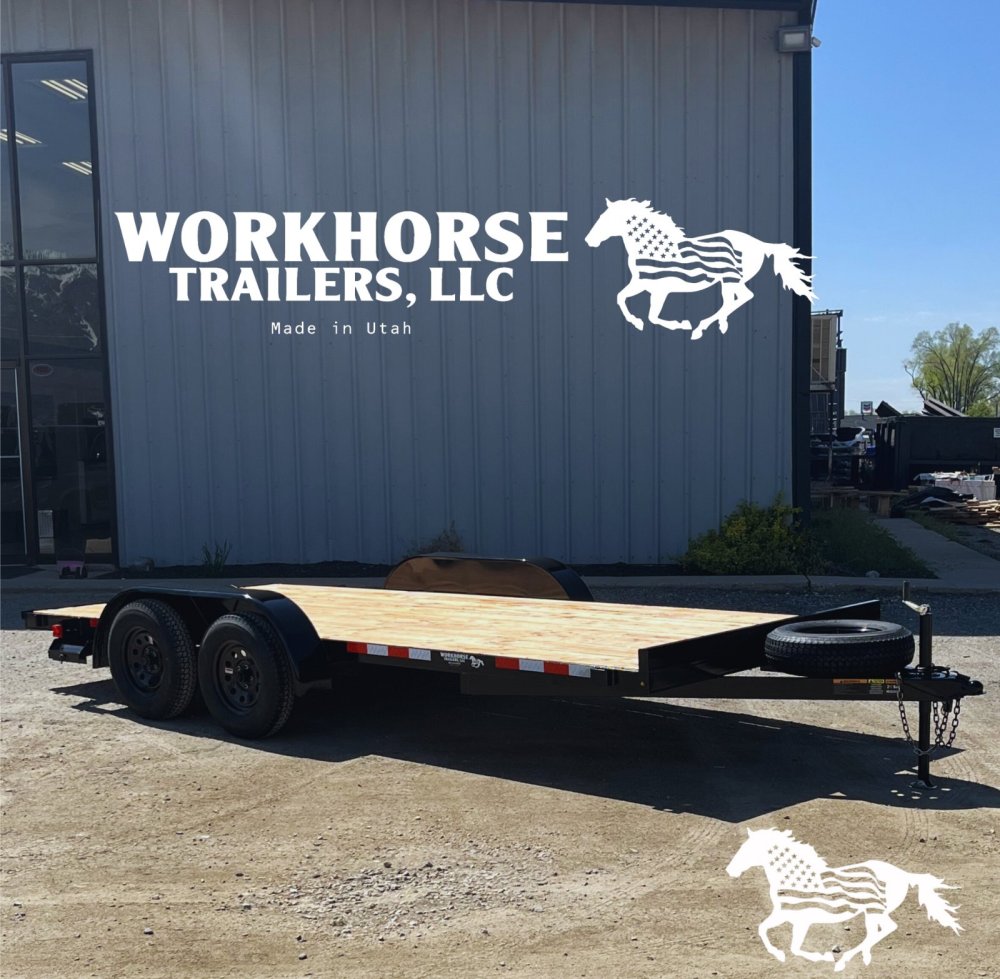
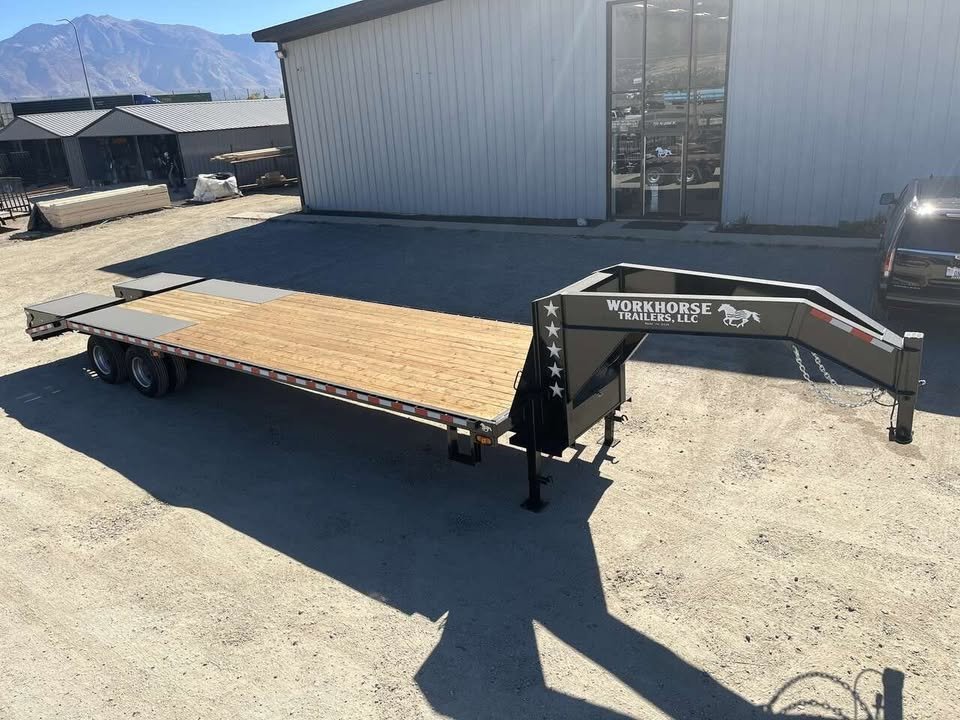
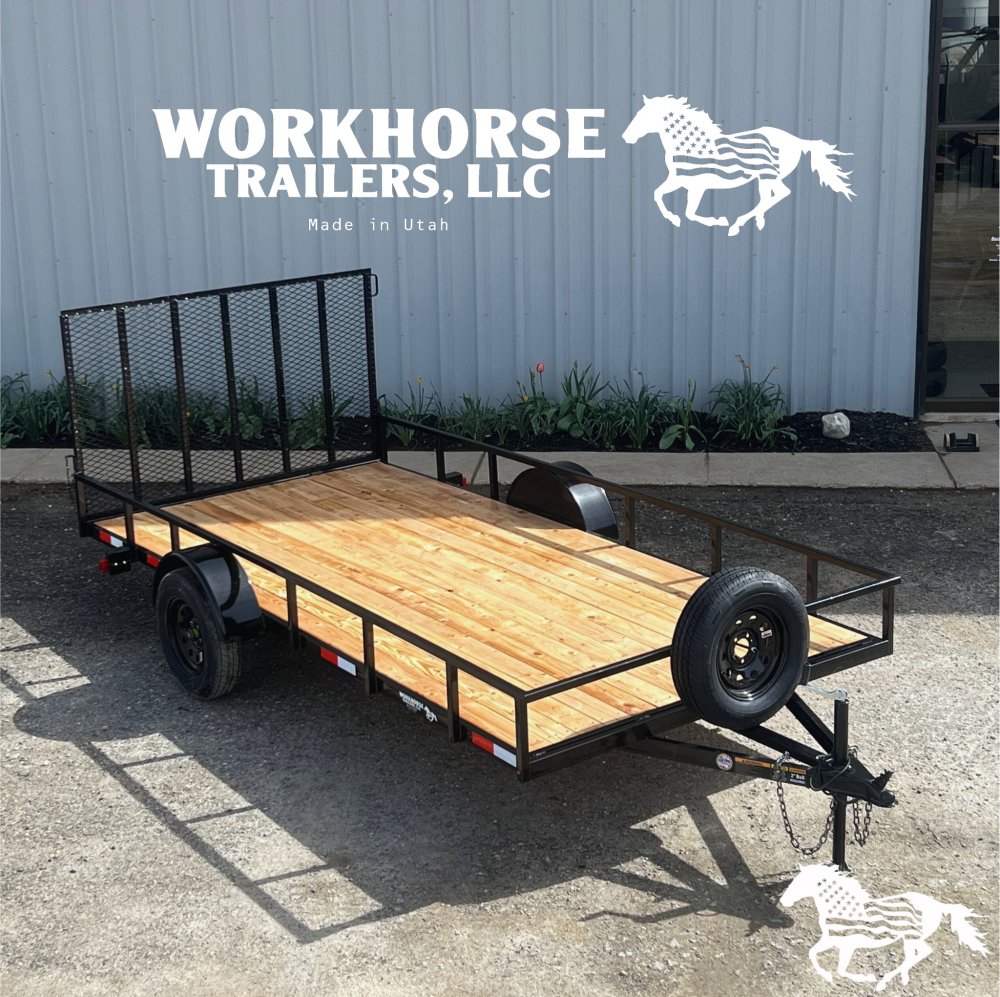
All locationsNot every hauling problem has a catalog solution. Standard trailer models cover the majority of common use cases, but the jobs that fall outside those parameters require something built from the ground up to match a specific set of demands. A contractor whose equipment dimensions do not fit any standard deck size, a business operator whose workflow requires mounting points and accessories that no production trailer includes, or a hobbyist whose vehicle or cargo presents unique loading challenges all share the same predicament. They need a trailer that does not exist yet. Workhorse Trailers LLC designs and fabricates St. George custom builds trailers at its Utah production facility, giving buyers in Washington County a direct line to a manufacturer that can turn a conversation about what they need into a finished trailer built to those exact requirements.
When a Standard Trailer Does Not Fit
The decision to pursue a custom build usually starts with a frustrating search through existing inventory. The buyer knows what they need to haul, how they need to load it, and where they need to take it. But nothing on any dealer lot quite matches. The deck is six inches too narrow, the axle placement conflicts with the cargo's center of gravity, the tie-down positions assume a load shape that does not reflect reality, or the overall length puts the rig over legal limits for the route it needs to travel.
Some buyers try to force-fit a standard trailer and compensate for its shortcomings with aftermarket modifications. Welding on extra D-rings, cutting and re-welding fenders, adding crossmembers to reinforce a frame that was not designed for the load, or bolting on accessories that alter the trailer's balance and handling characteristics. These modifications sometimes solve the immediate problem, but they introduce new ones. Aftermarket welding on a production trailer can compromise the original frame's structural integrity if the heat-affected zones weaken surrounding metal. Added weight from bolt-on accessories shifts the trailer's balance in ways the original engineering did not account for. And the warranty coverage that came with the trailer may no longer apply once the structure has been modified by a third party.
A purpose-built custom trailer avoids all of that. Every dimension, component, and feature is part of the original design, engineered together so that nothing works against anything else.
The Custom Build Process at Workhorse
Workhorse Trailers LLC operates its own fabrication shop in northern Utah, where the same team that produces the company's standard lineup also handles custom projects. That overlap matters because the welders and fabricators working on a custom build are not learning on the job. They bring years of production experience with steel, axle systems, electrical wiring, and suspension components into every custom project, which means the foundational quality of the trailer is consistent whether it follows a standard blueprint or a one-off design.
The Initial Conversation
Every custom build begins with a detailed discussion between the buyer and the Workhorse team. This is not a quick transaction. It is a working session where the team asks questions most trailer buyers have never been asked before. What exactly are you hauling? What does it weigh, and where does that weight concentrate? How do you load it, from the rear, the side, or overhead? What vehicle are you towing with, and what is its rated capacity? How often will the trailer be in use, daily or seasonally? What road conditions will it encounter most frequently?
These questions are not formalities. Each answer shapes a design decision. The cargo's weight distribution determines axle placement. The loading method dictates whether the trailer needs ramps, a tilt mechanism, a dovetail, or an entirely open deck. The tow vehicle's capacity sets the ceiling for the trailer's total weight, including the frame, components, and payload combined. The frequency of use influences material selection and the grade of hardware throughout the build.
Design and Specification
Once the conversation establishes the functional requirements, the Workhorse team translates those needs into a set of specifications. Deck length and width are determined by the cargo's footprint plus the clearance needed for safe loading and securement. Frame material and crossmember spacing are calculated based on the load's weight and contact pattern. Axle count, rating, and placement are selected to balance the loaded trailer properly for highway towing. Electrical systems, lighting, brake configurations, and hitch type are all specified to match both the trailer's intended use and the tow vehicle's capabilities.
For buyers who have a clear picture of what they want, this phase moves quickly. For those who know the problem but are unsure of the solution, the Workhorse team draws on their experience building hundreds of trailers across multiple categories to suggest approaches the buyer may not have considered. That collaborative input is one of the primary advantages of working with a manufacturer rather than a fabrication shop that builds trailers as a side project.
Fabrication and Assembly
With specifications locked, the build moves to the shop floor. Steel is cut, fitted, and welded according to the design. Every weld on a Workhorse custom build follows the same standards applied to their production models, with full-penetration joints at structural connections and consistent bead quality throughout. Components are installed in sequence, with the frame, suspension, and axles completed first, followed by the deck, fenders, ramps or gates, and finally the electrical and lighting systems.
The build timeline varies depending on complexity. A custom flatbed with non-standard dimensions and a few additional tie-down provisions may require only modest additional time compared to a standard build. A trailer with specialized mounting hardware, unusual suspension requirements, or integrated toolboxes and storage takes longer. The Workhorse team provides a realistic timeline before work begins so that buyers can plan accordingly.
Custom Applications That St. George Buyers Request
Washington County's mix of industries, terrain, and outdoor culture produces custom trailer requests that reflect the region's particular demands.
Mobile Service Platforms
Several trades operating in the St. George area need their trailer to function as more than a cargo carrier. Welding service operators, mobile diesel mechanics, and on-site equipment repair technicians need trailers that carry tools, parts, generators, and sometimes welding gas cylinders in organized, accessible configurations while also providing a work surface or staging area at the job site. Off-the-shelf trailers rarely account for the combined weight and spatial requirements of a complete mobile workshop, and the placement of heavy items like welding machines or compressors near the trailer's centerline for proper balance is a design consideration that generic trailers leave to the owner to figure out.
A custom build integrates these requirements from the start. Tool storage mounts where the fabricator places it based on weight and workflow, not where an aftermarket rack happens to bolt on. Generator platforms sit at the correct height and position for both balance and exhaust clearance. Gas cylinder brackets meet safety requirements for transport without requiring improvised solutions.
Oversized or Irregular Cargo Transport
The construction and materials supply industries in a fast-growing region sometimes produce loads that do not conform to standard trailer dimensions. Structural steel, pre-fabricated trusses, long-span beams, and bundled pipe are common cargo types in a metro area adding hundreds of new residential and commercial structures annually. When the material is longer, wider, or heavier than what a production trailer accommodates, the options are either multiple trips with a standard trailer or one trip with a custom-built unit designed for the specific load profile.
Similarly, businesses transporting non-standard equipment like oversized generators, water treatment modules, or prefabricated building components sometimes need a trailer whose deck dimensions, tie-down geometry, and weight rating exist outside any manufacturer's standard catalog.
Recreational and Specialty Vehicle Transport
St. George sits at the center of some of the most popular off-road and outdoor recreation terrain in the country, and the vehicles people build for that terrain do not always fit neatly onto a standard car hauler or utility trailer. Rock crawlers with extreme suspension lifts and wide aftermarket axles, custom sand cars built for the dunes near Hurricane, and modified side-by-sides equipped with accessories that extend beyond the vehicle's stock footprint all present loading and securement challenges that a standard trailer was not designed to address.
A custom car hauler or equipment trailer with widened deck dimensions, repositioned fender clearance, and tie-down points placed to match the specific vehicle's frame geometry solves these problems at the source rather than requiring the owner to adapt their loading process around a trailer that almost fits.
Why an In-House Manufacturer Matters for Custom Work
The distinction between a trailer manufacturer that offers custom builds and a general metal fabrication shop that occasionally builds trailers is significant, and it becomes most apparent in the details that affect how the trailer performs over years of use.
Integrated Engineering Knowledge
A manufacturer like Workhorse that produces trailers as its core business understands how every component interacts with every other component under load, in motion, and over time. Axle placement affects braking behavior. Frame flex under load influences how the hitch transmits forces to the tow vehicle. Electrical routing through the frame needs to account for vibration, moisture, and heat cycling without developing shorts or failures. A fabrication shop that builds gates, fences, and structural steel as its primary work may produce clean welds and solid metalwork, but the trailer-specific knowledge that prevents long-term problems comes from building trailers repeatedly and learning what works and what does not across hundreds of units.
Component Sourcing and Compatibility
Custom trailers still rely on manufactured components, including axles, brakes, hubs, bearings, lights, wiring harnesses, couplers, and hitches. A dedicated trailer manufacturer maintains supplier relationships and stocking levels that ensure these components are the correct specification for the application and are compatible with each other. A generic fabrication shop may source components individually for each project, which introduces the risk of mismatched ratings, incompatible brake systems, or lighting components that do not meet DOT requirements for highway use.
Accountability After the Sale
The Martinez family, who own and operate Workhorse Trailers LLC, stand behind every trailer the company produces, including custom builds. As a BBB-accredited business operating under Dealer #937A, Workhorse provides the same post-sale support for a custom trailer that it offers for any standard model. If a component needs attention, if a question arises about the trailer's operation, or if the buyer's needs evolve and they want to discuss a modification down the road, the relationship with the manufacturer continues. To start a conversation about your specific requirements and explore what a purpose-built trailer could look like for your operation, visitSt. George Custom Builds Trailers and connect with the Workhorse team directly.
What to Bring to a Custom Build Consultation
Buyers who arrive at the initial conversation with clear information about their needs help the process move faster and produce better results.
Know the cargo. Specific dimensions, weight, and how the weight distributes across the load's footprint give the design team the numbers they need to size the frame, deck, and axles accurately. If the cargo varies from trip to trip, describe the heaviest and largest configuration the trailer will need to handle.
Know the tow vehicle. The truck or SUV's GVWR, GCWR, and hitch type determine what the trailer can weigh when fully loaded. Designing a trailer that exceeds the tow vehicle's rated capacity creates a safety problem that no amount of quality fabrication can fix.
Know the workflow. How you load, secure, transport, and unload your cargo matters as much as the cargo's physical characteristics. A trailer designed around the way you actually work eliminates the compromises and workarounds that standard trailers impose on non-standard operations.
Know the conditions. Southern Utah's extreme heat, abrasive dust, rocky terrain, and elevation changes between valley floors and mountain passes all influence material selection, coating systems, and component choices. Sharing where and how the trailer will operate most frequently allows the Workhorse team to build for those conditions rather than for a generic national market.
Building What the Market Cannot Provide
The trailer industry produces excellent standard products that serve the majority of hauling needs. But the majority is not everyone, and in a region as diverse and fast-growing as St. George, the gap between what is available and what specific buyers actually need creates a steady demand for trailers that do not come off any assembly line. Workhorse Trailers LLC fills that gap with custom fabrication grounded in production-level quality, trailer-specific engineering knowledge, and a direct relationship between the buyer and the people who cut, weld, and assemble every component. If your hauling requirements have outgrown what the standard market offers, a conversation with the Workhorse team is the first step toward a trailer that finally fits.