
Salt Lake City Enclosed Cargo Trailers
All locationsSecure, Weather-Protected Storage and Transportation Solutions
Protecting valuable cargo from theft, weather damage, and prying eyes drives thousands of Salt Lake City businesses and residents toward enclosed cargo trailers each year. These fully contained transportation solutions transform how companies manage tools, inventory, and equipment while giving individuals secure options for moving belongings, storing seasonal items, and protecting recreational gear. The complete enclosure provides benefits impossible to achieve with open trailer designs, creating mobile storage units that serve diverse purposes across Utah's dynamic economy and active lifestyle culture.
Why Enclosed Cargo Trailers Dominate Certain Applications
The sealed environment created by walls, roof, and locking doors fundamentally changes trailer capabilities. Instead of merely transporting items from point A to point B, enclosed cargo trailers become secure vaults on wheels. Contractors leaving job sites in Salt Lake City neighborhoods can lock away thousands of dollars in power tools without worrying about overnight theft. Mobile detailers protect expensive equipment and supplies from curious onlookers. Musicians safeguard instruments worth more than many automobiles.
Weather protection extends beyond simple rain coverage. Utah's intense summer sun degrades materials exposed during transport. Winter snowstorms coat open loads with moisture that damages sensitive items. Spring wind storms across the Salt Lake Valley blow dust into everything. Enclosed trailers eliminate these concerns entirely, maintaining clean, dry, stable environments regardless of external conditions.
The privacy factor cannot be overstated. Businesses transporting high-value merchandise avoid advertising their cargo to potential thieves. Service companies maintain professional appearances arriving at upscale properties without displaying cluttered, weathered equipment. Families moving between homes keep their belongings private during what can be stressful transitions. This discretion provides peace of mind that open hauling simply cannot match.
Enclosed Cargo Trailer Construction Variations
Single Axle Enclosed Designs
Smaller enclosed cargo trailers built on single axle frames typically measure 5×8, 5×10, or 6×10 feet in dimension. These compact units suit individual users and small businesses with modest hauling requirements. The lighter weight makes them easier to tow with SUVs, crossovers, or smaller trucks that lack the towing capacity for larger enclosed models.
Single axle construction keeps costs reasonable while delivering the core benefits of enclosed transportation. Small landscaping crews use them for mowers and hand tools. Craft vendors transport booth displays and inventory to shows throughout the region. Homeowners handle moving projects without renting trucks or hiring professional movers. The manageable size fits in residential driveways and storage spaces where larger trailers would create problems with homeowners associations or municipal regulations.
Tandem Axle Cargo Trailers
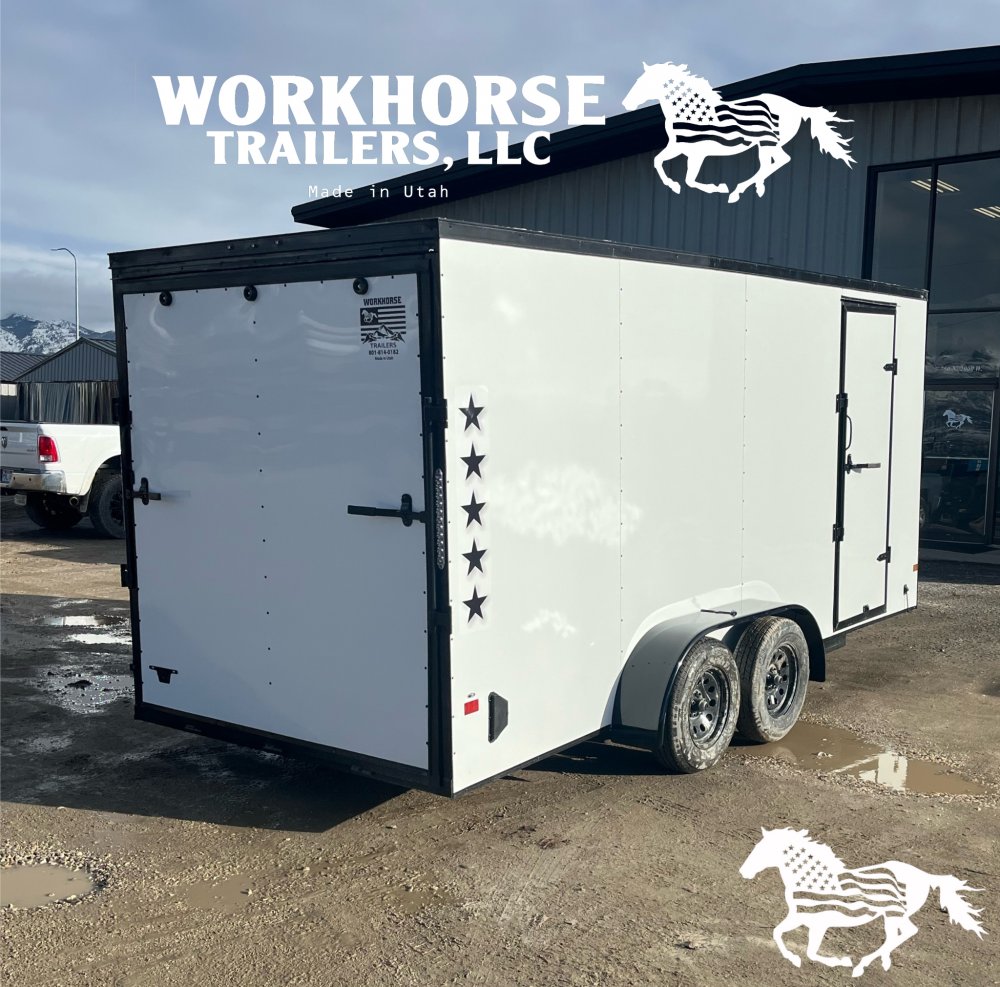
Stepping up to tandem axle configurations brings enclosed trailers measuring 6×12, 7×14, 7×16, and larger. The dual axle setup distributes weight more effectively, allowing substantially higher cargo capacities. These trailers serve commercial operations needing to transport significant equipment loads or inventory volumes daily.
The stability advantage of tandem axles becomes apparent when towing on highways or through mountain passes surrounding Salt Lake City. Four tires instead of two provide redundancy where single tire failures don't completely disable trailers. The enhanced stability inspires confidence when hauling valuable or delicate cargo that could shift or sustain damage in less stable trailers swaying behind towing vehicles.
Vnose and Flat Front Profiles
Aerodynamic considerations influence enclosed cargo trailer front designs. Vnose profiles angle the front into a pointed shape that cuts through air more efficiently than flat fronts. This design reduces wind resistance, improving fuel economy for towing vehicles and enhancing stability during highway travel. The angled nose also creates additional interior space useful for storing smaller items or mounting shelving systems.
Flat front designs maximize interior volume for given exterior lengths. The vertical front wall allows easier interior buildouts with shelving, cabinets, or workbenches extending the full trailer length. Some operators prefer the simpler, more traditional appearance. The choice between vnose and flat front often comes down to whether aerodynamic benefits or maximum interior volume takes priority for specific applications.
Standard Height Versus High Roof Models
Interior height determines what can be transported and how interiors can be configured. Standard enclosed cargo trailers typically provide 6 to 6.5 feet of interior height, adequate for most cargo and allowing average-height individuals to stand inside. High roof models stretch interior heights to 7 or even 8 feet, creating standing room for taller users and permitting vertical storage of longer items.
Contractors installing shelving and storage systems appreciate extra height for maximizing vertical organization. Businesses using trailers as mobile workshops benefit from comfortable standing room during extended work sessions. The increased height does create higher centers of gravity affecting handling characteristics, a consideration when evaluating whether the additional headroom justifies potential stability trade-offs.
Interior Customization Opportunities
Shelving and Storage Systems
Empty enclosed cargo trailers provide blank canvases for interior organization. Installing shelving transforms random cargo spaces into organized storage systems. Contractors mount modular shelving holding fasteners, fittings, and small parts. Service technicians create organized inventories of replacement components and consumables. The ability to find needed items quickly improves efficiency and reduces frustration during demanding workdays.
Adjustable shelving systems accommodate changing needs as businesses evolve or seasonal requirements shift. Spring landscaping demands differ from fall cleanup needs. Summer event vendors carry different inventory than holiday season operations. Flexible storage configurations adapt without requiring complete trailer interior rebuilds.
Workbench and Tool Storage Integration
Many trades benefit from mobile workshops enabling on-site fabrication or repairs. Installing sturdy workbenches along trailer sides creates functional workspaces. Electricians can prepare custom wire assemblies. Welders set up equipment for field repairs. HVAC technicians modify ductwork to fit specific installation requirements.
Tool storage integrated with workbenches keeps frequently used items immediately accessible. Pegboard systems mount hand tools visibly where users can grab what they need without digging through toolboxes. Drawer units organize specialized equipment. Overhead racks hold long materials like conduit or trim pieces. Thoughtful interior design maximizes productivity by organizing tools and materials logically.
Climate Control Additions
While standard enclosed cargo trailers protect contents from weather, they don't regulate interior temperatures. Cargo subjected to extreme heat or cold may require active climate control. Insulation packages reduce temperature extremes by limiting heat transfer through walls, roof, and floor. Some operations add ventilation systems circulating air and reducing summer heat buildup.
Serious climate control needs might justify installing portable air conditioning or heating units. Businesses storing temperature-sensitive inventory or using trailers as mobile offices during extreme weather find these additions worthwhile. The investment transforms basic enclosed trailers into comfortable, controlled environments protecting both cargo and workers.
Electrical Systems and Lighting
Basic enclosed cargo trailers include minimal lighting powered by towing vehicle connections. Enhanced electrical systems add interior lighting for working inside trailers or finding items in dim conditions. Some operations install complete electrical packages with multiple circuits, outlets, and dedicated lighting zones.
Battery systems or generators provide electrical power when trailers are disconnected from towing vehicles. Contractors working at remote sites without utility access rely on these independent power sources. The capability to operate power tools, charge batteries, or run equipment without external connections expands where and how trailers can be deployed across varied job sites throughout the Salt Lake region.
Commercial Applications Across Salt Lake City
Trade Contractors and Service Professionals
Plumbers, electricians, HVAC technicians, and other skilled trades find enclosed cargo trailers ideal for protecting expensive tools and materials. A fully equipped service trailer might contain tens of thousands of dollars in specialized equipment. Secure storage prevents theft losses that could cripple small businesses. Organized interiors let technicians work efficiently without wasting time searching for tools or parts.
Mobile tool cribs follow crews between job sites. Rather than unloading and reloading tools daily, technicians simply lock trailers overnight at secure locations. Morning starts become faster since tools are already loaded and organized. This efficiency translates directly to increased billable hours and improved profitability for service businesses operating throughout northern Utah's growing communities.
Retail and Event Vendors
Craft show vendors, farmers market sellers, and event merchants rely on enclosed cargo trailers for transporting inventory, displays, and equipment. The weather protection proves essential for goods that could be ruined by rain or dust during transport. Security features protect inventory between events when trailers might sit overnight at venues or in parking areas.
Setup and teardown efficiency improves when vendors organize trailer interiors thoughtfully. Displays mount to walls ready for quick deployment. Inventory stays organized in bins and shelving. Processing equipment, signage, and supplies have designated storage locations. Well-organized vendors complete setup faster, allowing more selling time at events throughout the Salt Lake Valley and beyond.
Mobile Business Operations
Food trucks often use enclosed cargo trailers as support vehicles carrying extra inventory, supplies, and backup equipment. Mobile detailing services outfit trailers with water tanks, pressure washers, and cleaning supplies. Dog groomers create mobile salons serving clients at their homes. The enclosed trailer format enables these mobile businesses by providing secure, weatherproof bases for equipment and operations.
Businesses operating in residential areas benefit from enclosed trailers' professional appearance. Arriving with clean, well-maintained enclosed trailers projects quality and competence. Homeowners in upscale Salt Lake City neighborhoods appreciate service providers who respect their properties' aesthetics. The investment in quality equipment communicates business professionalism before any actual work begins.
Document and Sensitive Material Transport
Businesses handling confidential documents, medical records, or sensitive materials require secure transportation meeting privacy regulations. Enclosed cargo trailers with upgraded locking systems provide this security. Shredding companies transport documents for destruction. Medical offices move archived records between facilities. Law firms transfer case files during office relocations.
The enclosed, lockable environment ensures materials stay confidential during transport. Unlike open trailers where contents remain visible or could blow away, enclosed cargo trailers maintain security and compliance. This capability supports professional services operating throughout Salt Lake City's business community where confidentiality and discretion matter tremendously.
Personal Use Scenarios for Enclosed Cargo Trailers
Residential Moving and Storage
Families relocating within or beyond Salt Lake City benefit from owning or renting enclosed cargo trailers. Unlike open trailers exposing belongings to weather and view, enclosed units keep household goods protected and private. Loading proceeds at comfortable paces without weather concerns disrupting schedules. Belongings stay secure during multi-day moves requiring overnight stops.
Temporary storage needs arise during home renovations, downsizing transitions, or seasonal changes. Enclosed cargo trailers parked in driveways or storage facilities provide convenient, accessible storage. Furniture stays clean and dry. Seasonal decorations remain organized. The flexibility to access stored items easily without driving to remote storage units adds convenience during transitional periods.
Recreational Equipment Protection
Utah's outdoor recreation culture means many families own substantial investments in camping gear, skiing equipment, mountain bikes, kayaks, and other activity-specific items. Storing this gear in enclosed cargo trailers protects it from garage clutter, weather exposure, and potential theft. Seasonal equipment swaps become simple when camping gear, ski equipment, and water sports items each have designated storage in organized trailer interiors.
Road trips to national parks, ski resorts, or lake destinations benefit from organized gear storage. Everything needed loads once into the trailer, travels securely to destinations, and provides base camp organization during trips. Families appreciate not repacking vehicles multiple times or leaving valuable gear exposed to theft at trailheads or campgrounds.
Hobby and Collection Storage
Car enthusiasts collecting parts for restoration projects use enclosed cargo trailers for organized storage. Motorcycle collectors transport bikes to shows and rallies in protected environments. Artists moving sculptures or paintings between galleries rely on enclosed protection. The climate-controlled environment and security protect valuable collections and specialized equipment that standard storage solutions cannot adequately safeguard.
Workshop overflow storage helps hobbyists manage tool and material collections exceeding garage capacity. Woodworkers store lumber and project materials. Mechanics keep spare parts organized. The dedicated storage space prevents hobby items from overtaking living spaces while keeping everything accessible and protected.
Selecting Appropriate Enclosed Cargo Trailers
Size Determination Through Load Analysis
Choosing correct trailer dimensions requires realistic assessment of typical cargo. Measuring actual loads prevents buying too small and needing premature upgrades or purchasing unnecessarily large trailers that waste money and storage space. Business owners should consider not just current needs but reasonable growth projections for the next several years.
Interior height becomes critical when transporting tall items or building storage systems. Width affects how efficiently cargo fits without wasted space. Length determines total volume and whether items like lumber, ladders, or pipe can load internally without protruding from doors. Taking time to analyze actual requirements leads to better decisions than simply guessing or choosing based solely on price.
Weight Rating Adequacy
Gross Vehicle Weight Rating indicates maximum safe loaded weight including the trailer itself. Payload capacity represents actual cargo weight the trailer can carry. Understanding this distinction prevents common mistakes. A trailer rated for 7,000 pounds GVWR might only carry 5,000 pounds of cargo once the trailer's empty weight is subtracted.
Buyers should calculate typical loaded weights honestly, including all tools, equipment, materials, and interior customizations. The tendency to underestimate real-world weights leads to overloaded trailers creating safety hazards and legal violations. Purchasing trailers with capacity exceeding anticipated needs by 20 percent provides safety margins accommodating occasional heavy loads without exceeding ratings.
Towing Vehicle Compatibility Assessment
Even perfectly sized trailers become problematic if towing vehicles lack adequate capacity. Checking tow ratings, payload capacities, and hitch classes ensures compatible pairings. Half-ton pickup trucks handle smaller enclosed cargo trailers adequately. Larger trailers require three-quarter or one-ton trucks with appropriate towing packages.
InvestigatingSalt Lake City enclosed cargo trailers involves matching trailer specifications to existing towing vehicles or planning vehicle upgrades simultaneously. The mountainous terrain surrounding Salt Lake City places extra demands on towing systems compared to flat regions. Adequate power and braking capability becomes essential rather than optional when regularly traversing elevation changes common throughout northern Utah.
Construction Quality Evaluation
Frame materials and construction methods determine trailer longevity and reliability. Quality frames use appropriate gauge steel with proper cross-member spacing. Examining welds reveals manufacturing quality, with clean, consistent beads indicating skilled fabrication. Poorly welded trailers develop stress cracks and structural failures as use accumulates.
Wall construction affects durability and insulation properties. Exterior surfaces might be aluminum, steel, or fiberglass. Each material offers different characteristics regarding weight, dent resistance, and appearance. Interior wall treatments range from basic plywood to finished panels that look professional and clean easily. Evaluating these details helps identify trailers built to last versus budget options cutting corners on critical components.
Utah-Specific Operational Factors
Altitude Effects on Towing Performance
Salt Lake City's elevation and surrounding mountain passes challenge towing vehicles differently than sea-level operations. Engines produce less power at altitude due to reduced air density. Towing enclosed cargo trailers up Parley's Canyon or through Sardine Canyon requires adequate vehicle power to maintain safe speeds and not impede traffic flow.
Operators should test-drive loaded trailers on representative routes before committing to regular use. Vehicles that tow adequately on valley floors might struggle on sustained grades. Understanding these limitations prevents dangerous situations and allows planning routes avoiding grades that exceed vehicle capabilities.
Wind and Weather Handling
The Wasatch Front experiences strong winds, particularly during spring months and ahead of weather fronts. Enclosed cargo trailers present substantial surface area to crosswinds, creating challenging handling conditions. The large side profile acts like a sail catching wind gusts that push trailers laterally, requiring constant steering corrections.
Experienced operators reduce speeds during windy conditions, allowing greater reaction time for handling wind gusts. Loading cargo toward trailer fronts improves weight distribution and reduces sway tendencies. Electronic sway control systems available on newer towing vehicles help manage these situations, but driver awareness and appropriate speed remain the primary safety factors during challenging conditions.
Temperature Extremes and Material Stress
Summer temperatures in Salt Lake City frequently exceed 95 degrees, creating extreme heat inside enclosed trailers. Interior temperatures can reach 140 degrees or higher, affecting stored materials and potentially damaging temperature-sensitive items. Ventilation systems or parking in shade mitigates these effects when possible.
Winter cold creates different challenges. Materials become brittle, door seals stiffen, and moisture can freeze inside trailers. Battery-powered equipment stored inside may discharge faster in cold temperatures. Understanding these seasonal effects helps operators protect their cargo and maintain trailer components properly throughout the year.
Maintenance Requirements for Long-Term Performance
Exterior Care and Corrosion Prevention
Keeping enclosed cargo trailer exteriors clean protects finishes and prevents premature deterioration. Utah winters mean exposure to road treatment chemicals that accelerate corrosion on metal components. Washing trailers thoroughly after winter use removes these damaging substances before they attack frames, axles, and exterior panels.
Inspecting for paint chips, scratches, or damage allows early repair before rust develops underneath compromised finishes. Touching up damaged areas with matching paint prevents moisture from reaching base metal. Applying wax or protective coatings to aluminum siding maintains appearance and provides additional weathering protection.
Door and Hardware Service
Entry doors experience constant use creating wear on hinges, latches, and locking mechanisms. Lubricating moving parts prevents binding and extends component life. Adjusting doors properly maintains good seals preventing water intrusion and maintaining security. Worn weather stripping around door frames should be replaced promptly to preserve weather protection.
Locking mechanisms require periodic inspection ensuring they function reliably. Cylinder locks need lubrication preventing moisture from causing internal corrosion. Checking that latches engage fully prevents doors from opening unexpectedly during transport. These simple maintenance steps preserve the security and weather protection that make enclosed cargo trailers valuable.
Roof Inspection and Leak Prevention
Trailer roofs endure constant sun exposure, temperature cycling, and occasional impacts from tree branches or other obstacles. Periodic inspection identifies developing issues before water intrusion damages interior finishes or cargo. Checking roof seams, vent installations, and any roof-mounted equipment for proper sealing prevents expensive water damage repairs.
Small leaks often go unnoticed until substantial damage occurs. Looking for water stains on interior walls or ceilings alerts owners to problems requiring attention. Addressing leaks promptly prevents rot in wood components and corrosion in metal structures. Annual roof inspections catch developing issues while repairs remain straightforward and inexpensive.
Axle, Suspension, and Tire Maintenance
Supporting systems keeping enclosed cargo trailers rolling reliably require regular attention. Bearing inspection and lubrication prevents premature wear. Checking suspension components including springs, hangers, and equalizers identifies damage or wear before failures occur. Tire pressure monitoring and tread inspection catch issues before blowouts create dangerous situations.
The extra weight of enclosed construction compared to open trailers places additional stress on running gear. Following manufacturer maintenance schedules becomes even more important for these heavier units. Businesses depending on trailers for daily operations should establish relationships with qualified service providers familiar with trailer-specific maintenance requirements.
Regulatory Compliance in Utah
Licensing and Registration Protocols
Operating enclosed cargo trailers on Utah roads requires proper registration with the Division of Motor Vehicles. Registration fees depend on declared empty weight, with heavier trailers incurring higher annual costs. Trailers must display current registration decals where law enforcement can easily verify compliance during traffic stops.
Commercial operations using enclosed cargo trailers for business purposes face additional requirements. Understanding when operations cross into commercial territory helps ensure proper licensing and insurance coverage. Businesses should verify their specific situations with appropriate authorities to maintain full compliance.
Equipment Standards for Legal Operation
Enclosed cargo trailers must meet lighting requirements including tail lights, brake lights, turn signals, and side marker illumination. Reflectors enhance nighttime visibility. All lighting must function properly to comply with regulations and ensure safety during evening or nighttime operation throughout Salt Lake City.
Safety chains provide backup connections if primary hitches fail. Properly rated chains prevent trailers from completely separating from towing vehicles during equipment failures. Crossing chains under hitches creates support catching tongue assemblies if disconnections occur. This simple safety measure can prevent catastrophic accidents.
Investment Planning and Provider Selection
Purchasing enclosed cargo trailers represents significant expenditures requiring thoughtful planning. Understanding total ownership costs including registration, insurance, maintenance, and storage helps create realistic budgets. Comparing financing options identifies favorable terms minimizing total interest paid over loan periods.
Quality varies tremendously across manufacturers and price points. Premium trailers cost more initially but typically deliver superior reliability and longer service lives. Budget options may suffice for occasional users, while commercial operations requiring daily reliability should invest in higher-quality equipment reducing downtime and repair expenses.
Workhorse Trailers LLC provides expertise helping Salt Lake City customers identify trailers matching their specific requirements. The company's knowledge of regional operating conditions, typical applications, and quality construction ensures customers receive equipment delivering long-term value. Post-purchase support including parts access and service guidance helps owners maintain their investments properly.
Enclosed cargo trailers continue growing in popularity across Salt Lake City as businesses and individuals recognize the security, weather protection, and versatility these units provide. From contractors protecting valuable tools to families managing moving projects, enclosed trailers solve transportation and storage challenges that open alternatives cannot address effectively. Selecting appropriate equipment from knowledgeable local providers ensures these investments perform reliably throughout Utah's demanding operating environment.