
Salt Lake City Car Hauler Trailers
All locationsProfessional Vehicle Transportation Solutions for the Wasatch Front
The automotive industry throughout Salt Lake City depends on specialized transportation equipment to move vehicles safely and efficiently. Car hauler trailers serve dealers, collectors, racing enthusiasts, restoration shops, and auction houses across the valley. From transporting classic cars to moving inventory between dealerships, having the right car hauler trailer determines whether vehicles arrive in pristine condition or suffer damage during transit. The unique demands of vehicle transportation require equipment designed specifically for this purpose, with features that protect valuable automotive assets throughout every journey.
The Role of Car Hauler Trailers in Salt Lake City's Automotive Market
Salt Lake City's automotive landscape encompasses diverse sectors that regularly require vehicle transportation. New and used car dealerships operate throughout the valley, frequently moving inventory between locations or bringing vehicles from auctions and trade-ins. The classic car community thrives in Utah, with collectors and restoration enthusiasts attending shows and events that require safe vehicle transport. Racing teams travel to tracks across the region, hauling competition vehicles and equipment. Auto repair and body shops occasionally need to transport non-running vehicles to and from their facilities.
The geography surrounding Salt Lake City adds complexity to vehicle transportation. Mountain passes, highway travel between Utah communities, and navigation through urban traffic all demand trailers that handle well under various conditions. Winter weather creates additional challenges, requiring equipment that maintains stability on snow-covered or icy roads. Workhorse Trailers LLC recognizes these regional factors and provides car hauler solutions engineered for Utah's specific conditions.
Types of Car Hauler Trailers Available
Open Car Hauler Trailers
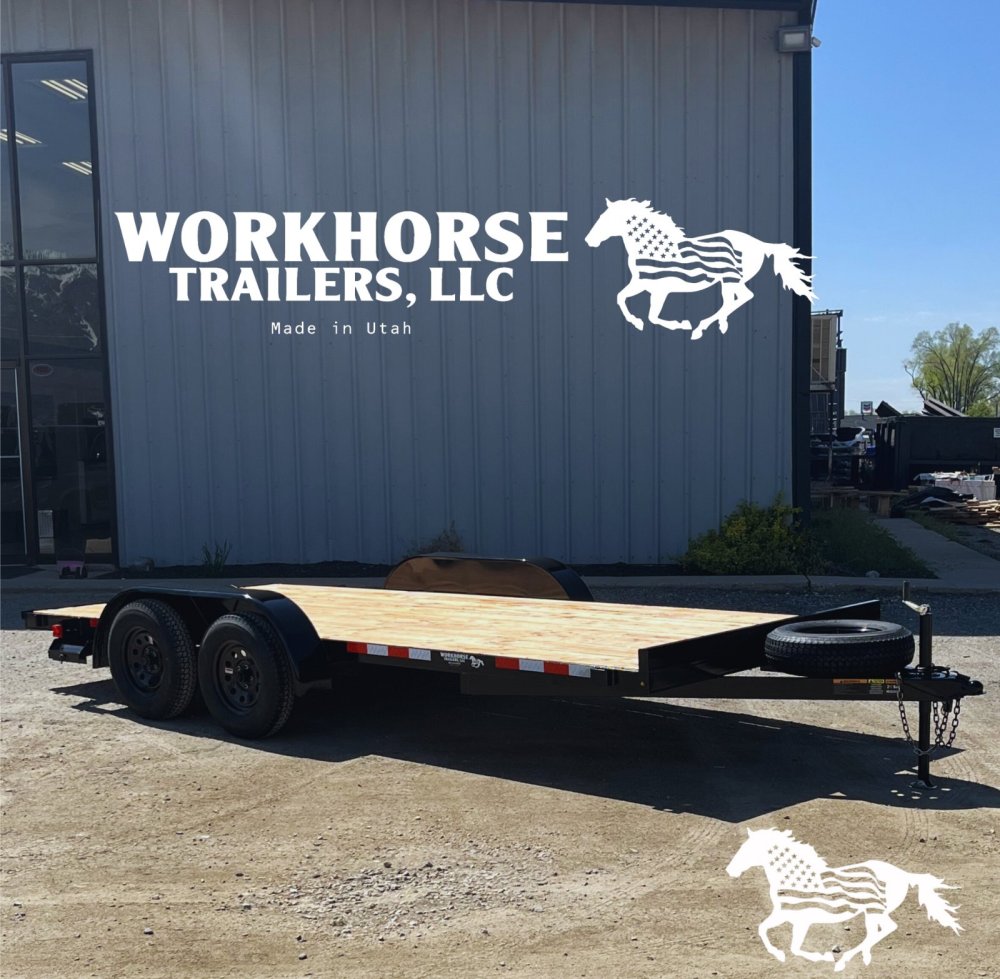
Open car haulers represent the most common vehicle transportation solution in Salt Lake City. These trailers feature either flatbed or tilt deck designs, allowing vehicles to be driven or winched onto the hauling surface. The open configuration provides excellent visibility during loading and unloading, making it easier to position vehicles precisely. Many automotive professionals prefer open haulers for their practicality and cost-effectiveness.
The exposed design suits vehicles that can withstand weather exposure during transport. Dealerships moving trade-ins, mechanics retrieving broken-down vehicles, and racing teams transporting purpose-built competition cars typically choose open haulers. The lack of enclosure reduces weight, improving fuel efficiency for the tow vehicle and allowing for higher payload capacities within legal limits.
Enclosed Car Hauler Trailers
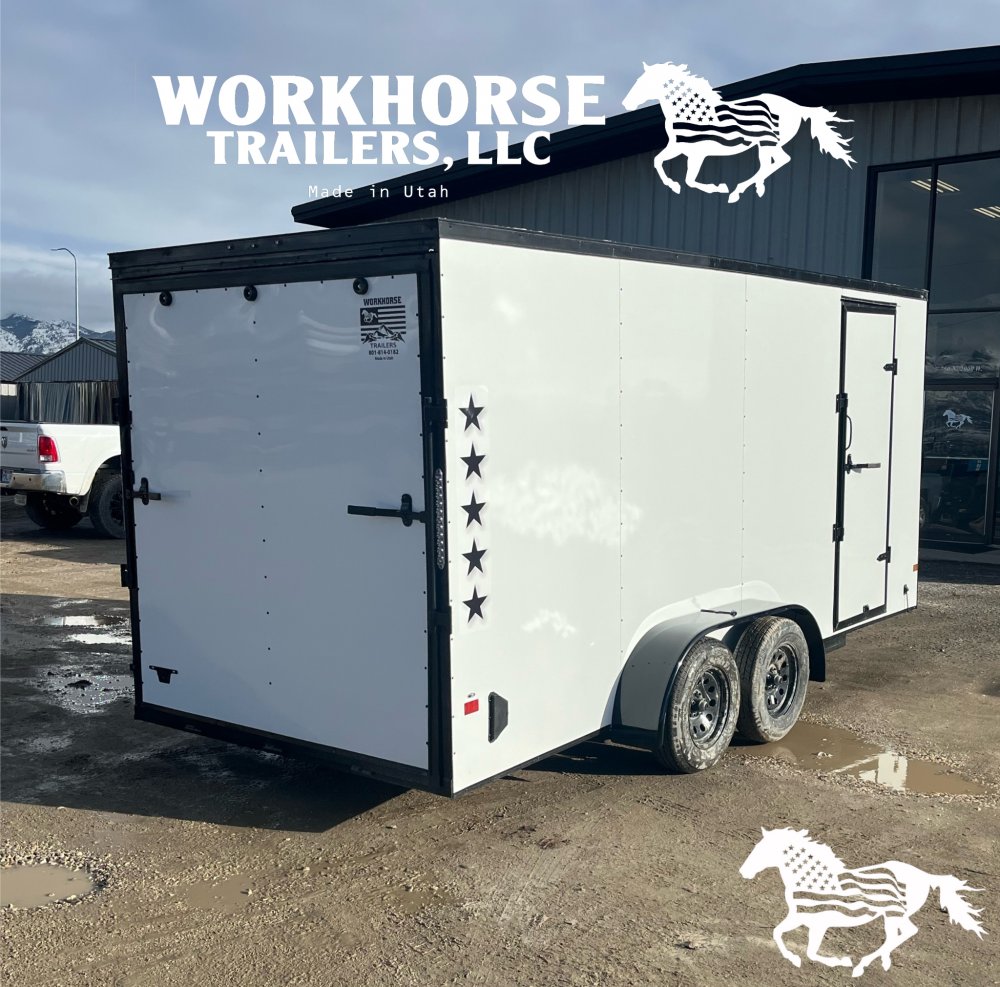
Enclosed car haulers provide complete protection for valuable or sensitive vehicles during transportation. These trailers feature full walls, roofs, and secure rear doors, creating a climate-controlled environment that shields vehicles from weather, road debris, and prying eyes. The enclosed design proves essential when transporting restored classics, exotic vehicles, or any automobile requiring maximum protection during transit.
Salt Lake City's classic car collectors particularly value enclosed haulers. When moving a fully restored vintage automobile to a show or delivering a recently purchased classic from an out-of-state seller, the enclosed environment prevents stone chips, weather damage, and other hazards. The security aspect also provides peace of mind, keeping valuable vehicles hidden from view when parked overnight during long-distance hauls.
Tilt Deck Car Haulers
Tilt deck car haulers incorporate hydraulic systems that lower the rear of the deck to ground level, creating a shallow ramp angle for loading and unloading. This design proves particularly valuable when transporting low-clearance vehicles like sports cars, modified imports, or classic automobiles with minimal ground clearance. Traditional ramps often scrape undercarriages on low vehicles, but tilt decks eliminate this risk.
The convenience of tilt decks extends beyond protecting low vehicles. Non-running vehicles load more easily when the deck tilts to ground level, reducing the effort required for winching. The hydraulic system operates smoothly, providing controlled tilting that maintains stability throughout the loading process. Many automotive professionals consider tilt decks worth the additional investment for the versatility and protection they provide.
Gooseneck Car Haulers
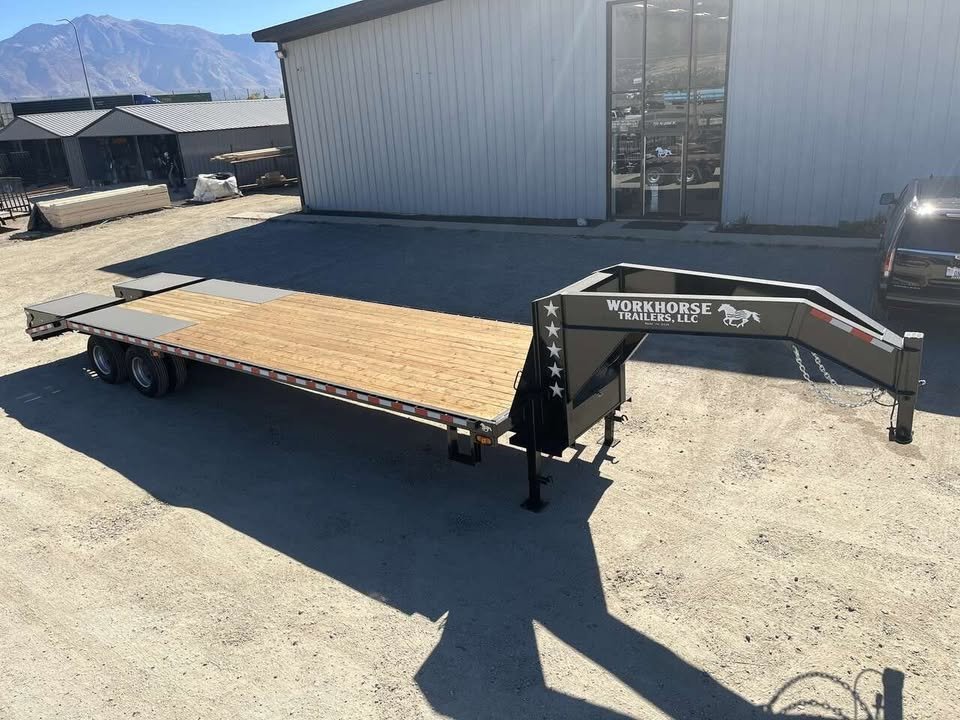
Gooseneck car haulers attach to hitches mounted in truck beds rather than traditional receiver hitches. This configuration distributes trailer weight over the rear axle of the tow vehicle, improving stability and allowing higher towing capacities. Gooseneck designs typically accommodate multiple vehicles or heavier individual vehicles that exceed the capabilities of bumper-pull trailers.
Racing teams and dealers moving multiple vehicles simultaneously often choose gooseneck haulers. The enhanced weight distribution improves handling, particularly important when navigating mountain highways or encountering strong crosswinds common along Interstate 15. The higher initial investment in gooseneck haulers pays dividends through superior towing characteristics and increased capability.
Essential Features for Car Hauler Trailers
Deck Surface and Tire Positioning
The deck surface directly impacts vehicle security during transport. Many car haulers feature wood decking treated for weather resistance, providing good traction and allowing easy installation of tie-down points. Steel decking offers superior durability and eliminates wood replacement needs but adds weight. Some premium haulers incorporate removable aluminum decking that combines light weight with excellent longevity.
Tire positioning systems help center vehicles precisely on the deck, distributing weight evenly and ensuring proper balance. Adjustable wheel guides or recessed tire channels prevent lateral movement during transit. Proper positioning becomes critical when hauling multiple vehicles, where incorrect placement could create dangerous weight distribution that affects handling.
Tie-Down Systems and Attachment Points
Secure vehicle attachment prevents movement during transportation. Quality car haulers provide multiple tie-down points strategically positioned to accommodate various vehicle sizes and wheelbase lengths. D-rings recessed into the deck or frame offer strong attachment points that won't interfere with deck surface when not in use. E-track systems provide adjustable tie-down locations along the entire deck length.
When evaluatingSalt Lake City car hauler trailers, experienced buyers examine tie-down point quality and positioning. Adequate attachment locations allow proper strap angles that prevent vehicle suspension damage while maintaining security. Professional-grade haulers often include multiple tie-down options, accommodating different securing methods preferred by various users.
Ramp Design and Construction
Ramps enable vehicle loading and unloading on non-tilt trailers. The ramp design significantly affects ease of use and vehicle protection. Longer ramps create shallower angles, reducing ground clearance concerns for lowered vehicles. Wider ramps accommodate vehicles with wide track widths and provide better stability during loading.
Ramp construction quality determines longevity and safety. Heavy-duty aluminum ramps offer excellent strength-to-weight ratios, making them easier to position while supporting substantial vehicle weight. Steel ramps provide maximum strength but require more effort to handle. Integrated ramp storage systems keep ramps secure during transit and readily accessible when needed.
Lighting and Electrical Systems
Comprehensive lighting ensures visibility and legal compliance. Car haulers require standard tail lights, brake lights, turn signals, and side marker lights. Additional lighting becomes valuable for nighttime loading operations or when working in covered facilities. LED lighting technology provides brighter illumination while drawing less power and lasting longer than traditional incandescent bulbs.
The electrical system must provide reliable power distribution to all lighting circuits. Quality wiring harnesses use properly sized conductors protected against moisture and abrasion. Sealed connectors prevent corrosion that commonly develops in Utah's climate, where road salt and moisture create challenging conditions for electrical components.
Selecting the Right Car Hauler for Your Needs
Weight Capacity Considerations
Determining appropriate weight capacity requires calculating the weight of vehicles you'll transport plus the trailer's empty weight. Modern vehicles vary dramatically in weight, from compact sports cars under 3,000 pounds to full-size trucks and SUVs exceeding 6,000 pounds. Adding safety margin prevents overloading and ensures the trailer handles comfortably within its design parameters.
Gross Vehicle Weight Rating indicates the maximum safe loaded weight, including the trailer itself. Payload capacity represents the actual cargo weight the trailer can carry. Understanding this distinction prevents common mistakes where buyers focus solely on advertised capacity without accounting for trailer weight. Professional automotive transporters typically select trailers with capacity exceeding their heaviest anticipated loads by at least 20 percent.
Deck Length and Width
Deck dimensions must accommodate your longest and widest vehicles with adequate clearance. Most car haulers range from 16 to 24 feet in length, with widths between 80 and 102 inches. Longer decks accommodate vehicles with extended wheelbases or allow multiple vehicle transport. Wider decks provide better stability and accommodate vehicles with wide track widths.
Measuring your vehicles before purchasing ensures the selected trailer provides sufficient space. Account for mirrors, spoilers, and other protruding components when calculating width requirements. Length calculations should include front and rear overhang beyond the wheelbase. Adequate clearance prevents damage during loading and provides space for proper tie-down positioning.
Towing Vehicle Compatibility
Your towing vehicle determines which car hauler options suit your situation. Payload ratings, towing capacity, and hitch type all affect compatibility. Half-ton pickup trucks generally handle smaller bumper-pull car haulers adequately, while heavier trailers or gooseneck configurations require three-quarter or one-ton trucks with appropriate towing packages.
Understanding your towing vehicle's specifications prevents dangerous mismatches. Exceeding tow ratings compromises safety and potentially voids warranties. Salt Lake City's mountainous terrain places additional stress on towing systems, making proper matching even more critical. Consulting vehicle specifications and trailer manufacturers ensures compatible pairings that perform safely under local conditions.
Applications for Car Haulers Throughout Salt Lake City
Automotive Dealerships
Vehicle dealerships throughout Salt Lake City use car haulers extensively for inventory management. Moving trade-ins between franchised and independent dealerships, retrieving vehicles from auctions, and delivering sold vehicles to customers all require reliable transportation. Having dedicated car haulers allows dealerships to control logistics rather than relying on third-party transport services.
The flexibility of owning car haulers enables dealerships to respond quickly to opportunities. When a desirable trade-in arrives at one location but better suits another store's market, immediate transfer preserves momentum. Auction purchases return directly to the dealership without waiting for transport availability. These operational advantages justify the investment for high-volume dealers across the valley.
Classic Car Collectors and Enthusiasts
Utah's robust classic car community regularly requires vehicle transportation. Show season brings numerous events throughout the state, from local cars and coffee gatherings to major exhibitions attracting participants regionally. Transporting restored classics safely between events protects investments and allows enthusiasts to share their vehicles without accumulating road miles that diminish value.
Purchasing vehicles from distant sellers represents another common scenario for collectors. Rather than driving newly acquired classics home and risking mechanical issues or damage, collectors use car haulers to transport purchases safely. The enclosed car hauler market particularly serves this segment, providing weather protection and security for valuable automobiles during long-distance retrieval.
Racing and Motorsports
Salt Lake City's motorsports community includes drag racers, autocross competitors, road racing enthusiasts, and off-road racing teams. Competition vehicles often require trailering to events because race preparation makes them unsuitable for street driving. Purpose-built race cars lack registration, while heavily modified vehicles exceed legal limits for public road use.
Racing teams transport not just competition vehicles but also spare parts, tools, and support equipment. Larger enclosed car haulers serve as mobile garages, providing workspace at track events. The investment in quality hauling equipment pays dividends through reliability during race seasons, where mechanical failures could prevent participation in events that represent significant entry fee and preparation investments.
Auto Repair and Restoration Shops
Repair facilities and restoration shops occasionally need vehicle transportation capabilities. Non-running vehicles require retrieval from customer locations or delivery after repairs. Restoration shops acquire project vehicles from various sources, often purchasing non-operational classics that need transportation to the facility. Having car hauler access simplifies these situations.
Some shops offer vehicle transportation as an additional service, generating revenue while supporting their core business. Customers appreciate single-source solutions where their repair provider also handles pickup and delivery. This convenience factor differentiates shops in competitive markets, making car hauler ownership a strategic business investment rather than just an operational necessity.
Maintaining Car Haulers in Utah's Climate
Corrosion Prevention
Salt Lake City's winter road treatment programs accelerate corrosion on trailers. Road salt and chemical deicers attack metal components aggressively. Regular washing during winter months removes these corrosive materials before they cause permanent damage. Pressure washing the underside proves particularly important, as road spray accumulates heavily on trailer frames and suspension components.
Protective coatings provide additional corrosion resistance. Quality paint systems seal metal surfaces against moisture and chemicals. Undercoating treatments add extra protection to areas subjected to constant road spray. Annual inspection identifies developing rust spots that require treatment before penetration compromises structural integrity. Proactive corrosion management extends trailer life significantly in Utah's challenging environment.
Brake System Maintenance
Car haulers equipped with braking systems require regular maintenance for safe operation. Electric brakes, common on car haulers, need periodic adjustment as brake shoes wear. Annual inspection by qualified technicians ensures proper function. Brake magnets, controllers, and wiring all require attention to maintain reliable stopping power.
Trailer brakes face particular challenges during Utah winters. Road salt accelerates brake component corrosion, while moisture can cause brake failure if it penetrates sealed assemblies. Checking brake function before each use prevents dangerous situations where inadequate braking capacity becomes apparent only during emergency stops. Professional brake service annually catches issues before they compromise safety.
Tire Care and Replacement
Trailer tires endure significant stress, particularly during mountain driving common throughout northern Utah. Regular pressure checks maintain proper inflation, preventing premature wear and reducing blowout risk. Inspecting for cuts, bulges, and tread wear identifies tires requiring replacement before failure occurs during critical hauls.
Tire age matters as much as tread depth for trailers. Many car hauler trailers see intermittent use, allowing tires to age beyond safe service life despite adequate tread. Manufacturers typically recommend tire replacement every six to eight years regardless of appearance. Dating codes on tire sidewalls indicate manufacturing dates, helping owners track when replacement becomes necessary.
Deck and Surface Maintenance
Trailer decking requires regular inspection and maintenance. Wood decking shows wear through cracking, rotting, and fastener loosening. Treating wood decks with sealants protects against moisture damage and extends usable life. Replacing damaged boards promptly prevents further deterioration and maintains secure footing for vehicles during loading.
Metal decking needs attention to prevent rust perforation. Touch-up paint repairs scratches and dings before rust develops. Checking for stress cracks, particularly around tie-down points and high-stress areas, identifies structural issues early. Regular cleaning removes accumulated dirt and debris that traps moisture against decking surfaces.
Legal Requirements for Operating Car Haulers in Utah
Registration and Titling
Utah requires registration for all trailers operating on public roads. Registration fees depend on empty weight, with heavier trailers incurring higher costs. Trailers must display current registration decals in designated locations. Maintaining proper registration avoids citations and ensures compliance with state regulations.
Title requirements apply to most car hauler trailers. When purchasing used trailers, proper title transfer protects buyers legally. Verifying clear title before purchase prevents issues with stolen equipment or unresolved liens. Utah's Division of Motor Vehicles provides resources for checking title status and completing proper transfer procedures.
Lighting and Safety Equipment
Utah law mandates specific lighting requirements for trailers. Tail lights, brake lights, turn signals, and side marker lights must function properly. Reflectors enhance visibility during nighttime operation. License plate lights illuminate the rear registration plate. Regular inspection ensures all lighting operates correctly, maintaining legal compliance and safety.
Safety chains represent required equipment for trailers operating in Utah. These chains provide backup attachment in case primary hitch connections fail. Properly rated chains sized for trailer weight ensure adequate strength. Crossing chains under the hitch creates a cradle that catches the tongue if separation occurs, preventing complete detachment.
Weight Limits and Classifications
Understanding weight classifications helps ensure legal operation. Utah establishes weight limits for various vehicle and trailer combinations. Gross Combined Weight Rating represents the maximum loaded weight of towing vehicle and trailer together. Exceeding these limits violates state law and creates serious safety hazards.
Commercial operations transporting vehicles for hire face additional regulations. Commercial licensing requirements, insurance mandates, and vehicle inspections apply to for-profit transportation services. Understanding when operations cross into commercial territory prevents regulatory violations. Consulting with authorities clarifies requirements for specific situations.
Investment Considerations for Car Hauler Trailers
New Versus Used Equipment
Deciding between new and used car haulers involves weighing initial costs against long-term value. New trailers provide warranties, current safety features, and known history. Customization options allow buyers to specify exactly the features they need. The higher initial investment buys peace of mind and often lower maintenance costs during early ownership years.
Used car haulers offer lower entry costs but require careful evaluation. Inspecting for frame damage, corrosion, brake condition, and overall maintenance reveals whether used trailers represent good value. Some used haulers show excellent condition due to light use, while others suffer from deferred maintenance or hard use. Professional pre-purchase inspections identify issues before committing to purchases.
Total Cost of Ownership
Purchase price represents just one component of car hauler ownership costs. Registration fees, insurance premiums, maintenance expenses, and storage costs accumulate throughout ownership. Factoring these ongoing expenses provides realistic financial pictures. Higher-quality trailers often deliver lower total ownership costs despite premium purchase prices, thanks to reduced maintenance needs and longer service lives.
Depreciation affects resale values when eventually selling or trading trailers. Well-maintained car haulers from reputable manufacturers retain value better than budget options. Keeping maintenance records, addressing issues promptly, and avoiding accident damage preserves resale potential. This consideration matters particularly for businesses that periodically upgrade equipment or adjust fleet sizes.
Financing Options
Various financing options help buyers acquire car haulers without full cash payment. Traditional installment loans through banks or credit unions provide fixed monthly payments over set terms. Dealer financing through trailer sellers sometimes offers promotional rates or special terms. Lease arrangements suit some business operations, providing equipment access without ownership obligations.
Evaluating financing costs requires understanding interest rates, terms, and total payments over loan duration. Comparing multiple financing sources identifies the most favorable terms. Business buyers may deduct interest payments and depreciation, creating tax advantages that affect net ownership costs. Consulting financial advisors helps structure purchases optimally based on individual circumstances.
Choosing Workhorse Trailers LLC for Your Car Hauler Needs
Selecting a car hauler provider involves evaluating product quality, customer support, and industry expertise. Workhorse Trailers LLC brings comprehensive understanding of Salt Lake City's automotive transportation requirements to every customer interaction. Rather than simply selling equipment, the company partners with customers to identify solutions matching their specific applications, whether commercial operations or personal use.
The commitment to quality equipment ensures car haulers withstand Utah's demanding conditions. From frame construction to component selection, attention to detail produces trailers that deliver reliable service year after year. This focus on durability protects customer investments and reduces the frustration of unexpected failures during critical transportation needs.
Customer support extends beyond the initial sale. Access to parts, service recommendations, and operational guidance helps customers maximize their equipment investment. When questions arise or assistance becomes necessary, responsive support minimizes downtime and keeps trailers operating effectively. This ongoing relationship approach builds customer confidence and loyalty.
The car hauling requirements throughout Salt Lake City continue growing as the automotive industry expands and enthusiast communities thrive. Having the right trailer from a trusted provider delivers capability and confidence for every transportation need, from dealer operations to weekend car show participation across Utah's diverse landscape.