
South Salt Lake Utility Trailers
All locationsSouth Salt Lake has become a thriving hub for businesses and individuals who rely on quality utility trailers to get the job done. Whether you're a contractor hauling equipment to construction sites, a landscaper transporting tools and materials, or a homeowner tackling weekend projects, having the right utility trailer makes all the difference in efficiency and productivity. The demand for reliable utility trailers in this area continues to grow as more people recognize the value of owning versatile equipment that can adapt to countless applications.
Understanding the unique needs of South Salt Lake residents and businesses is essential when selecting a utility trailer. The region's diverse terrain, ranging from urban developments to nearby mountainous areas, requires equipment that can handle various conditions. From navigating busy commercial districts to accessing remote work sites, utility trailers must offer durability, versatility, and dependable performance. This comprehensive guide explores everything you need to know about utility trailers in South Salt Lake, helping you make informed decisions that will serve you for years to come.
The Growing Demand for Utility Trailers in South Salt Lake
The South Salt Lake area has experienced significant commercial and residential growth over recent years, creating increased demand for practical transportation solutions. Businesses in construction, landscaping, equipment rental, and countless other industries depend on utility trailers to maintain their operations. The convenience of having a dedicated trailer eliminates the need for expensive rental agreements and ensures that equipment is always available when needed.
Local contractors have found that investing in quality utility trailers significantly improves their bottom line. Rather than limiting job capacity based on vehicle space, trailers allow businesses to transport more materials, tools, and equipment in a single trip. This efficiency translates directly to reduced fuel costs, fewer trips between job sites, and the ability to take on larger projects that require substantial equipment. For small business owners, this competitive advantage can be the difference between landing a major contract and losing it to better-equipped competitors.
Types of Utility Trailers Available
Utility trailers come in various configurations designed to meet specific hauling needs. Single-axle trailers offer lightweight maneuverability perfect for smaller loads and easier storage, making them ideal for homeowners and light-duty commercial applications. These trailers typically handle loads up to 2,000 pounds and provide excellent fuel efficiency when towing.
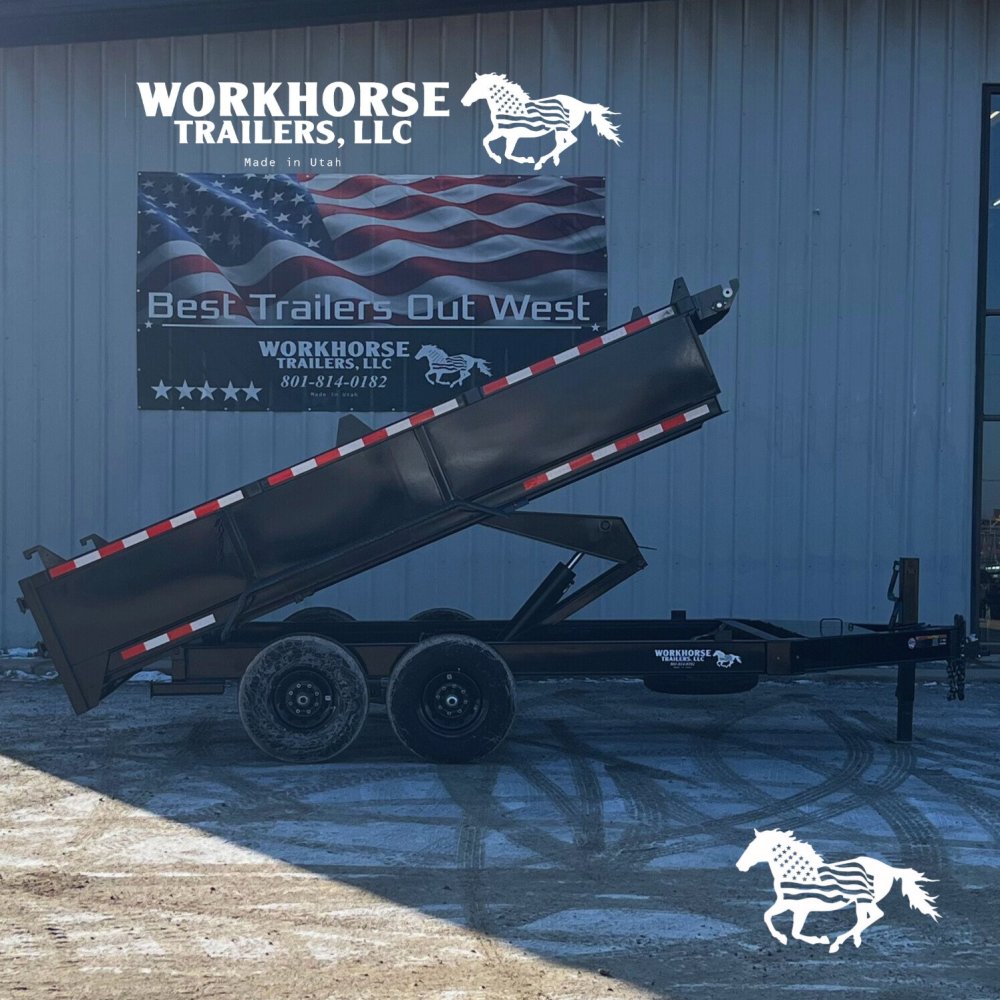
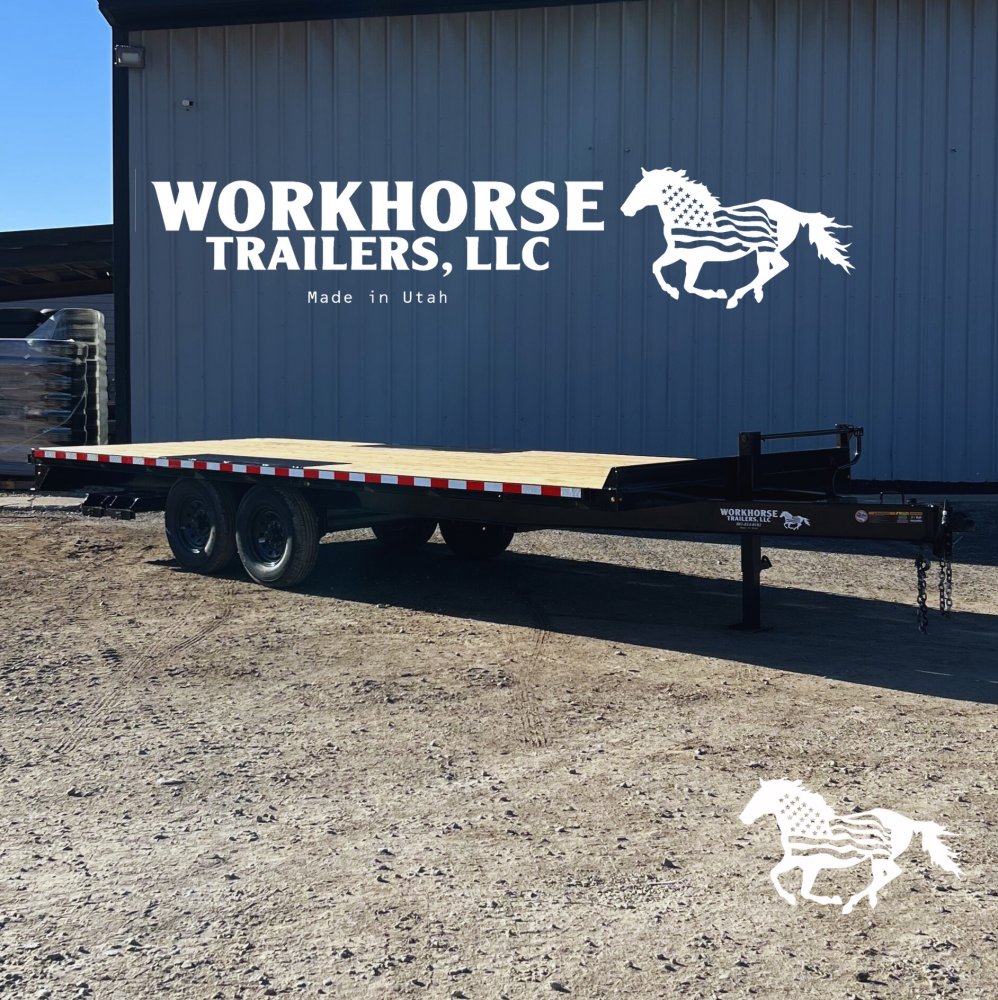
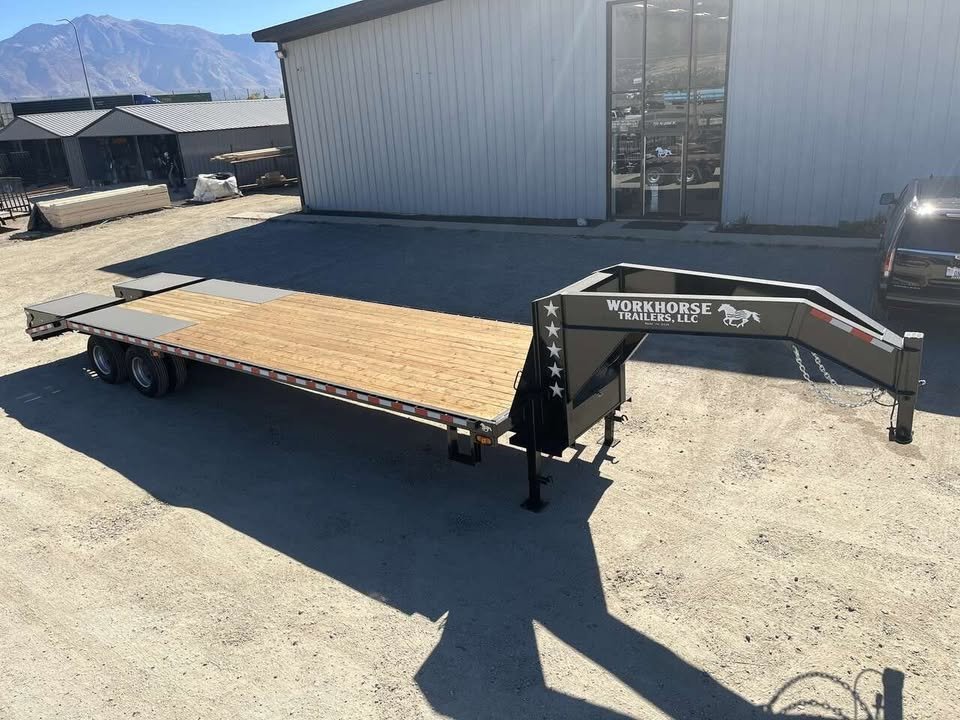
Tandem-axle utility trailers represent the workhorse category, capable of carrying heavier loads with improved stability on highways and rough terrain. These trailers distribute weight across two axles, reducing stress on any single point and providing better balance when navigating turns or uneven surfaces. Most commercial applications benefit from tandem-axle configurations, especially when transporting heavy machinery, building materials, or large quantities of landscaping supplies.
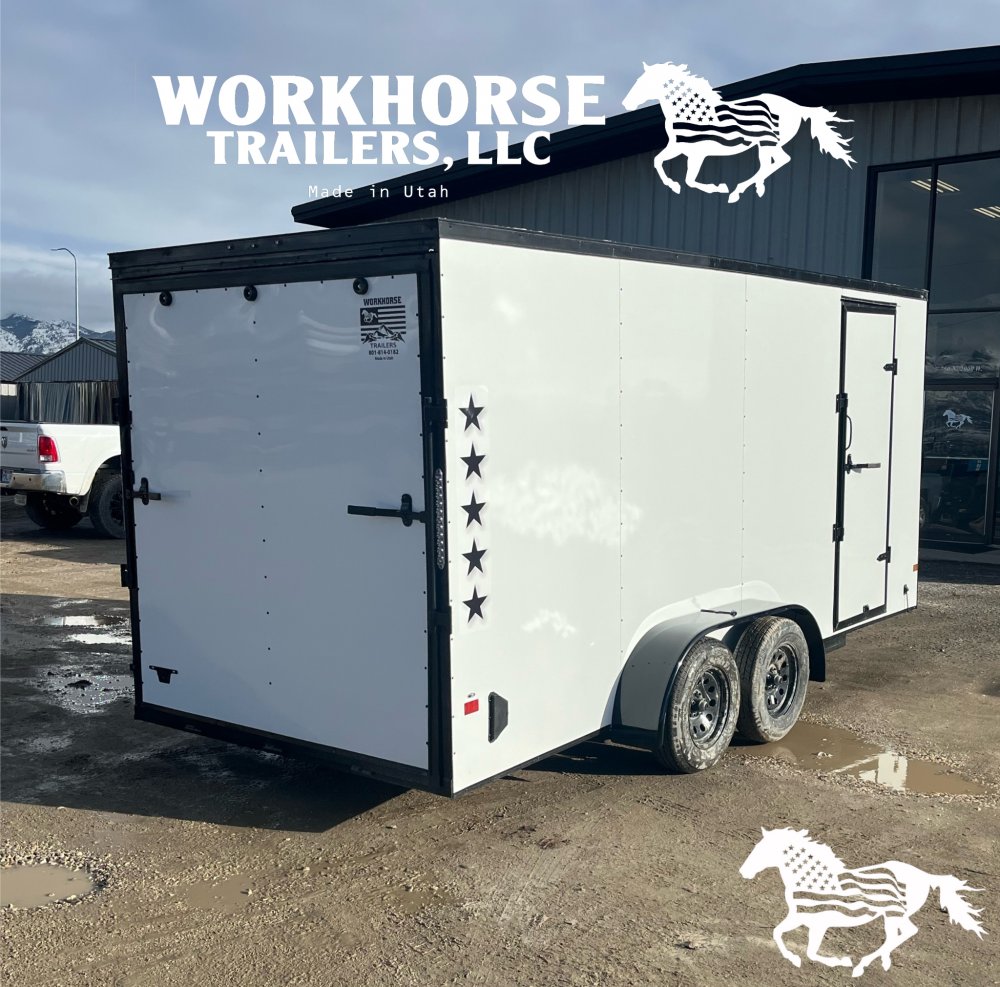
Enclosed utility trailers provide weather protection and security for valuable tools and equipment. These trailers function as mobile storage units, protecting contents from rain, snow, and theft while offering the flexibility to transport items anywhere they're needed. Many businesses use enclosed trailers as rolling workshops, outfitted with shelving, toolboxes, and even workbenches to create fully functional mobile work environments.
Key Features to Consider
Selecting the right utility trailer requires careful consideration of several important features. Deck size determines how much cargo space you'll have available, with common dimensions ranging from 5×8 feet for compact trailers to 6×12 feet or larger for heavy-duty applications. Consider not just current needs but also future requirements, as purchasing a slightly larger trailer now can prevent the need for an upgrade later.
Load capacity stands as perhaps the most critical specification to evaluate. Every trailer has a Gross Vehicle Weight Rating that indicates the maximum safe load, including the trailer's own weight. Exceeding this rating creates dangerous conditions and may void warranties or violate local regulations. Calculate your typical load weights and choose a trailer with comfortable capacity overhead to ensure safe operation.
Construction quality separates reliable trailers from those that require constant maintenance. Steel frame construction provides durability and longevity, while treated wood decking resists rot and weather damage. Welded joints create stronger connections than bolted assemblies, reducing the likelihood of structural failure under heavy loads. Quality powder-coated finishes protect against rust and corrosion, essential in areas where road salt and moisture exposure are common.
Applications for Utility Trailers in Local Industries
The construction industry relies heavily on utility trailers to transport tools, lumber, concrete forms, scaffolding, and countless other materials. Contractors appreciate the ability to customize trailers with specialized racks and storage solutions that keep equipment organized and easily accessible. This organization reduces time spent searching for tools and materials, improving job site efficiency and worker productivity.
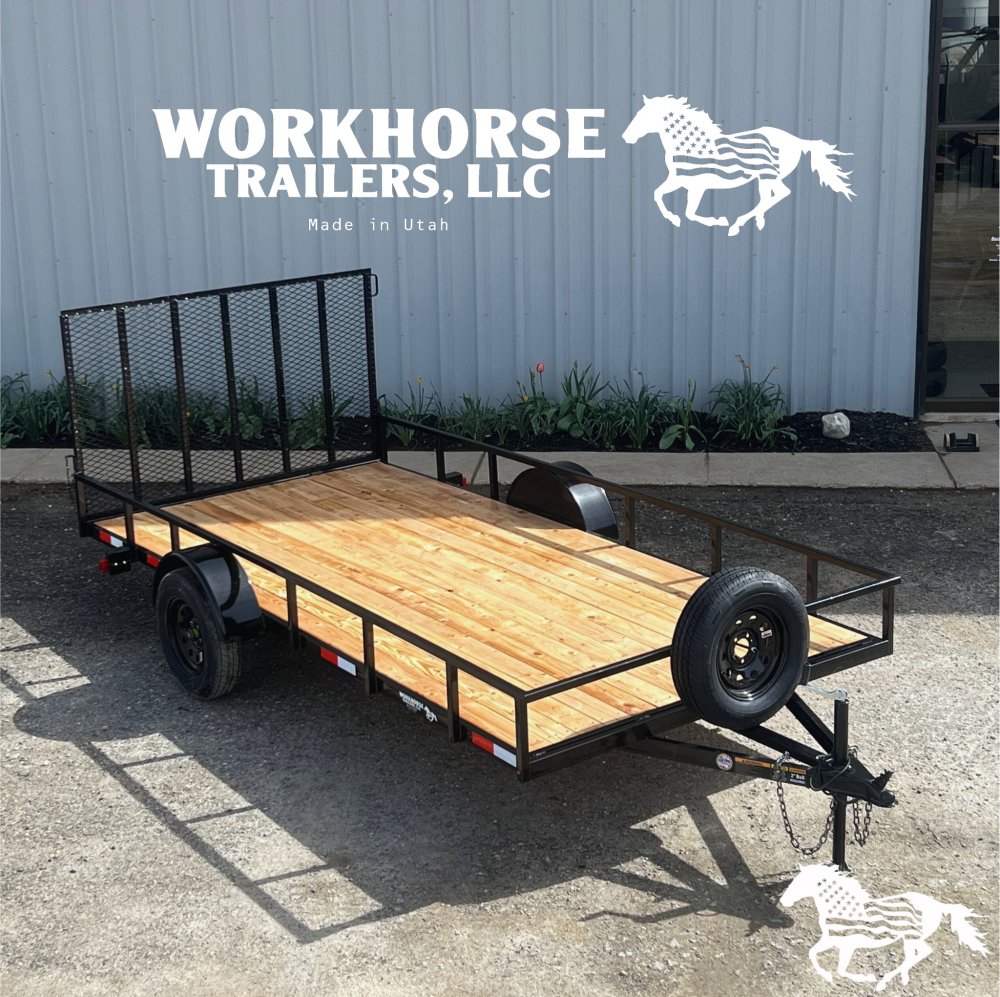
Landscaping companies represent another major user of utility trailers in South Salt Lake. These businesses transport lawn mowers, edgers, blowers, trimmers, and other equipment daily, often visiting multiple properties in a single day. Trailers with ramp gates allow easy loading of riding mowers and other wheeled equipment, while stake pockets enable the installation of sides that contain loose materials like mulch, soil, and gravel during transport.
Equipment rental businesses benefit enormously from having a fleet of utility trailers available for customer use. Many renters need to transport large items like pressure washers, generators, concrete mixers, or party supplies and appreciate the convenience of renting both the equipment and a trailer simultaneously. This service creates additional revenue streams while providing customers with complete solutions for their projects.
Maintenance and Longevity
Proper maintenance ensures that utility trailers provide many years of reliable service. Regular inspections of tires, including pressure checks and tread depth assessments, prevent blowouts and ensure safe towing. Bearings require periodic greasing according to manufacturer specifications, typically every 3,000 to 5,000 miles or annually, whichever comes first. This simple maintenance task prevents costly bearing failures that can damage hubs and spindles.
Lighting systems demand attention since trailer lights endure significant vibration, moisture exposure, and road debris impact. Check all lights before each use, ensuring brake lights, turn signals, and running lights function correctly. LED lighting systems offer superior longevity compared to traditional incandescent bulbs and resist vibration damage more effectively.
The trailer deck and frame benefit from periodic cleaning to remove dirt, debris, and corrosive materials. Pressure washing the underside removes accumulated road salt and grime that can promote rust formation. Touching up paint chips and scratches prevents rust from starting, preserving the structural integrity of the frame and extending the trailer's useful life.
Selecting the Right Dealer
Finding a reputable dealer makes a significant difference in your utility trailer ownership experience. Established dealers offer extensive inventory allowing you to compare different models and configurations side by side. This hands-on evaluation helps you understand the differences in construction quality, features, and value that photographs and descriptions alone cannot convey.
Knowledgeable staff at quality dealerships can match your specific needs with the appropriate trailer configuration. They understand local applications and can recommend features that benefit your particular use case. Whether you need a trailer for occasional home use or daily commercial applications, experienced dealers guide you toward options that provide the best long-term value.
When searching forSouth Salt Lake Utility Trailers, it's important to work with dealers who stand behind their products with solid warranty coverage and responsive customer service. A dealer's commitment to customer satisfaction extends well beyond the initial purchase, providing ongoing support, maintenance advice, and parts availability throughout the trailer's lifetime.
Safety Considerations
Safe towing practices begin with properly matching your tow vehicle to the trailer's loaded weight. Your vehicle's owner's manual specifies maximum towing capacity, and exceeding this limit creates dangerous handling conditions while potentially damaging your vehicle's transmission, brakes, and suspension. Consider not just the trailer's empty weight but the total weight when fully loaded with your typical cargo.
Proper weight distribution prevents dangerous sway and fishtailing while towing. Load heavier items toward the front of the trailer, positioning the center of gravity ahead of the axles. This configuration creates appropriate tongue weight, typically 10 to 15 percent of the total trailer weight, which helps the tow vehicle maintain control. Too little tongue weight causes sway, while excessive tongue weight overloads the vehicle's rear suspension.
Safety chains provide a critical backup connection if the coupler fails or becomes disconnected. Cross the chains beneath the trailer tongue in an X pattern, which creates a cradle that can catch the tongue and prevent it from dragging on the pavement. Ensure chains have adequate strength rating for your trailer's gross weight and keep them short enough to prevent dragging but long enough to allow turning.
Customization Options
Modern utility trailers offer extensive customization options that enhance functionality for specific applications. Removable side racks increase load capacity for bulky items like furniture or appliances while allowing the sides to be removed for easy loading of equipment or materials that exceed the deck width. These versatile additions transform a basic flatbed into a multi-purpose hauling solution.
Toolboxes mounted to trailer tongues or sides provide secure storage for straps, chains, and frequently used tools. This centralized storage ensures that essential items remain with the trailer, eliminating the frustration of discovering you've left critical equipment at home when you arrive at a job site. Weatherproof boxes protect contents from moisture and theft.
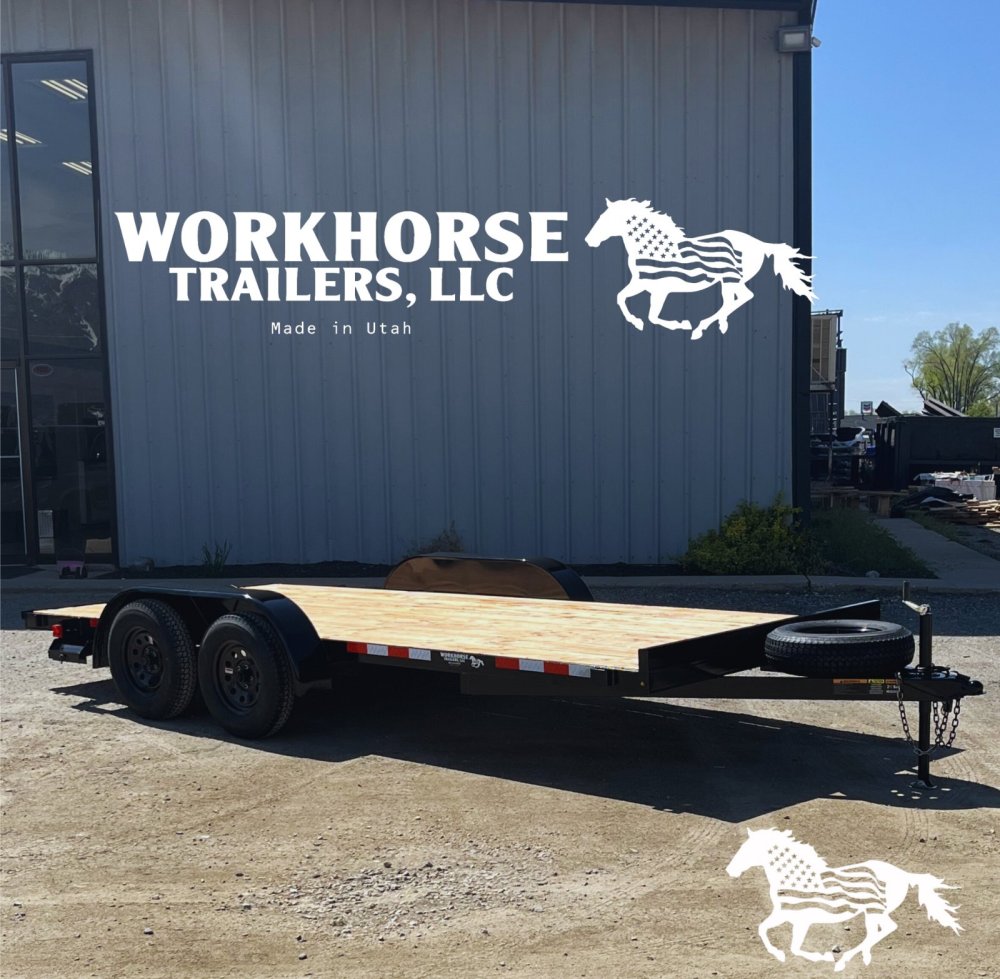
Spare tire mounts and carriers demonstrate preparedness for roadside emergencies. Mounting a spare tire on the trailer ensures you can quickly address a flat without needing to source a replacement tire in an unfamiliar area. This simple addition prevents small problems from becoming major delays that impact project schedules and customer commitments.
Economic Benefits of Ownership
Owning a utility trailer provides significant economic advantages compared to rental options. Rental fees accumulate quickly, especially for businesses that require trailers frequently. A quality utility trailer typically pays for itself within the first year of regular use, after which it continues providing value without recurring rental costs.
The flexibility of ownership allows spontaneous use without reservation requirements or availability concerns. When an unexpected opportunity arises or an urgent project demands immediate attention, trailer owners can respond instantly rather than scrambling to find rental availability. This responsiveness can mean the difference between capitalizing on time-sensitive opportunities and missing them entirely.
Trailers also add resale value to your business assets. Well-maintained utility trailers retain significant value and can be sold when upgrading to larger equipment or changing business focus. The robust used trailer market ensures that quality equipment finds buyers willing to pay fair prices, recovering a substantial portion of the original investment.
Environmental Considerations
Modern utility trailers contribute to environmental sustainability by enabling more efficient transportation. Consolidating materials and equipment into fewer trips reduces fuel consumption and emissions compared to making multiple journeys with a standard vehicle. This efficiency benefit compounds over years of use, representing meaningful reductions in carbon footprint.
Durable construction means quality trailers serve users for decades rather than requiring frequent replacement. This longevity reduces manufacturing demand and the environmental impact associated with producing new equipment. Choosing trailers built with quality materials and construction methods represents an investment in sustainable practices.
Lightweight aluminum trailer options provide excellent durability while reducing towing weight, which improves fuel efficiency in tow vehicles. Although aluminum trailers typically cost more initially, the combination of corrosion resistance, reduced weight, and excellent longevity makes them attractive for environmentally conscious buyers.
Local Regulations and Requirements
South Salt Lake and surrounding Utah areas enforce specific regulations regarding trailer operation. All trailers require registration and proper license plates, with registration fees based on empty weight and intended use. Maintaining current registration prevents citations and ensures compliance with local laws.
Trailers wider than 80 inches or those that obscure the tow vehicle's lights require additional lighting and may need special permits for certain routes. Understanding these regulations before purchasing prevents surprises and ensures your trailer meets all legal requirements for operation on public roads.
Safety inspections verify that trailers meet minimum standards for lights, brakes, tires, and structural integrity. While not required annually in all jurisdictions, regular safety checks demonstrate responsible ownership and help identify potential problems before they cause breakdowns or accidents.
Making Your Investment Count
Purchasing a utility trailer represents a significant investment that should be approached with careful research and planning. Define your primary use cases and future needs to avoid buying equipment that proves inadequate as your requirements evolve. Consulting with experienced users in your industry provides valuable insights into features that prove most useful in real-world applications.
Compare specifications across multiple manufacturers and models to understand value differences. The lowest price doesn't always represent the best value when considering long-term durability, maintenance requirements, and resale value. Quality construction with superior materials justifies higher initial costs through reduced maintenance needs and extended service life.
Establishing a relationship with a local dealer provides ongoing benefits through parts availability, service support, and expert advice when questions arise. Local dealers understand regional needs and can recommend solutions based on experience with similar customers in your area.
The right utility trailer transforms how you approach projects, improving efficiency while reducing stress and logistical challenges. Whether supporting a growing business or enabling ambitious home projects, quality utility trailers deliver value that extends far beyond their purchase price, becoming indispensable tools that owners wonder how they ever managed without.