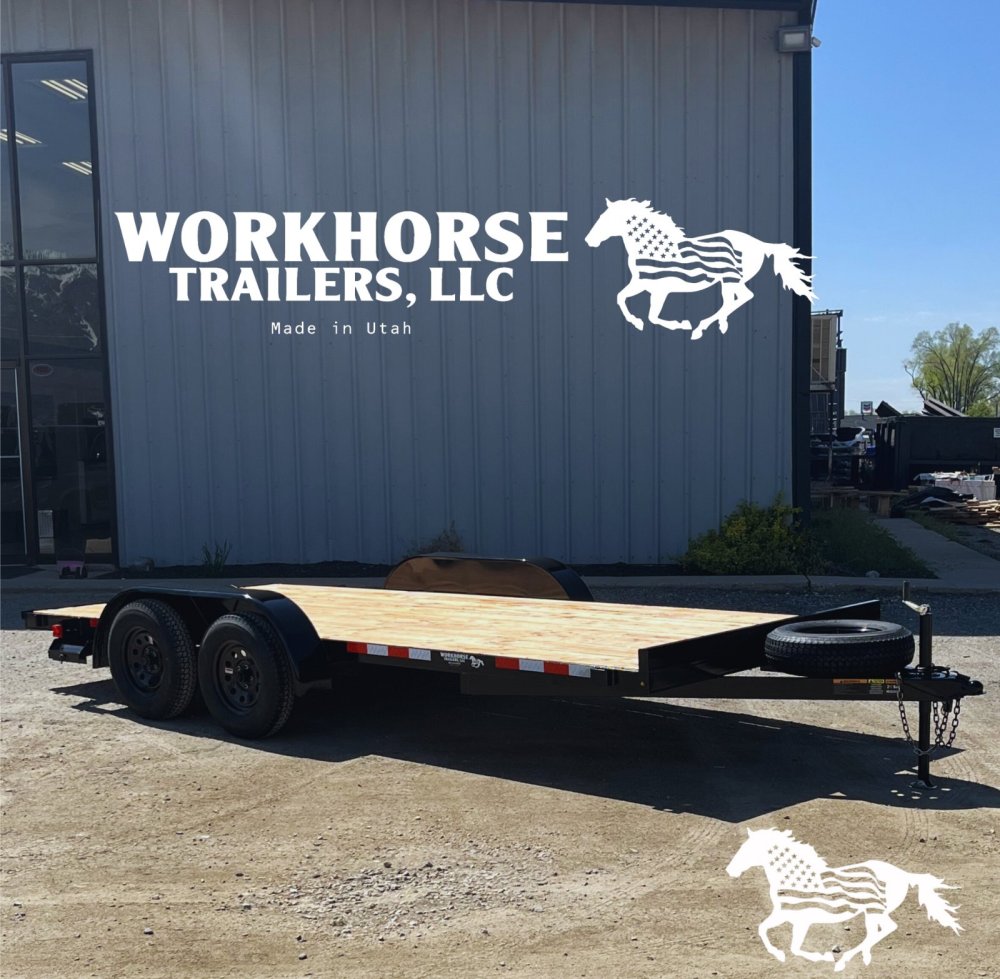
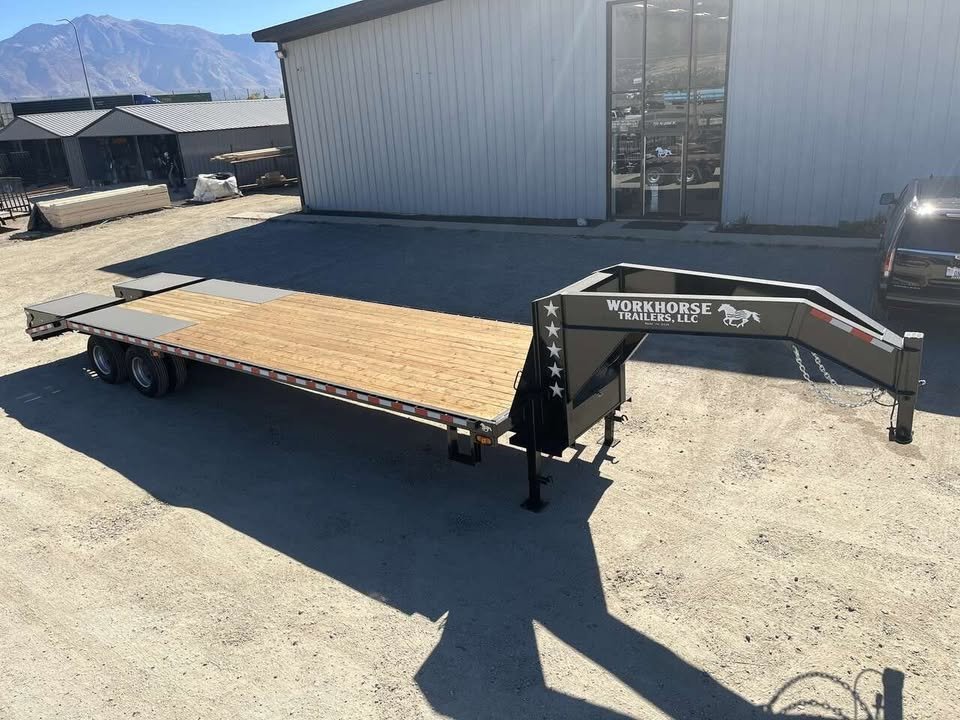
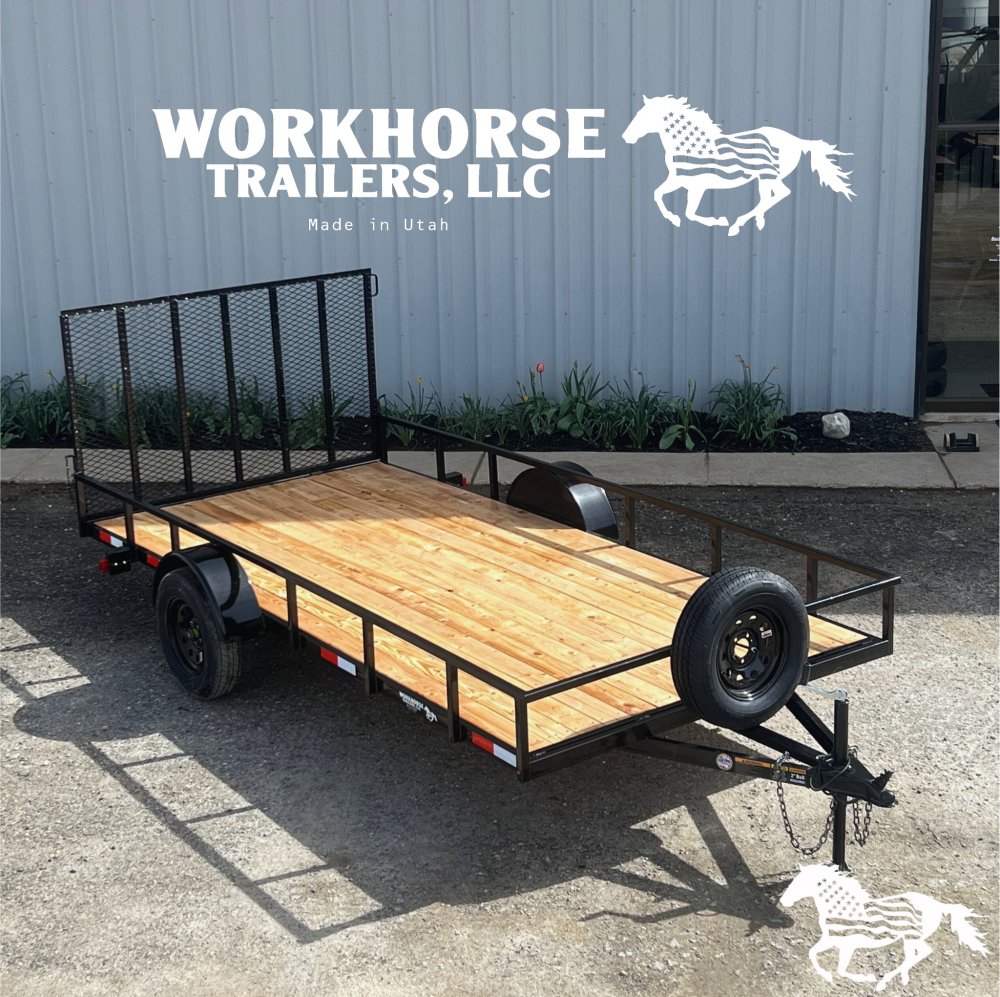
South Salt Lake Deck Over Trailers
All locationsDeck over trailers have transformed how businesses and individuals approach hauling challenges in South Salt Lake, offering dramatically increased cargo capacity through innovative design that positions the deck surface above rather than between the wheel wells. This fundamental architectural difference creates substantially wider usable space, accommodating oversized loads that simply cannot fit on conventional trailer designs. The extra width proves invaluable across numerous applications, from transporting wide agricultural equipment to hauling building materials that would otherwise require expensive specialized freight services.
The South Salt Lake region's diverse commercial landscape creates perfect conditions for deck over trailer utilization. Construction projects throughout the area demand efficient material transport, while agricultural operations in surrounding communities need equipment mobility that standard trailers cannot provide. Manufacturing facilities and industrial operations benefit from the ability to move wide machinery and components internally without coordinating external logistics. Understanding the unique advantages and considerations of deck over trailers helps businesses and individuals make informed decisions that enhance operational efficiency while maximizing their equipment investment returns.
Architectural Design Principles
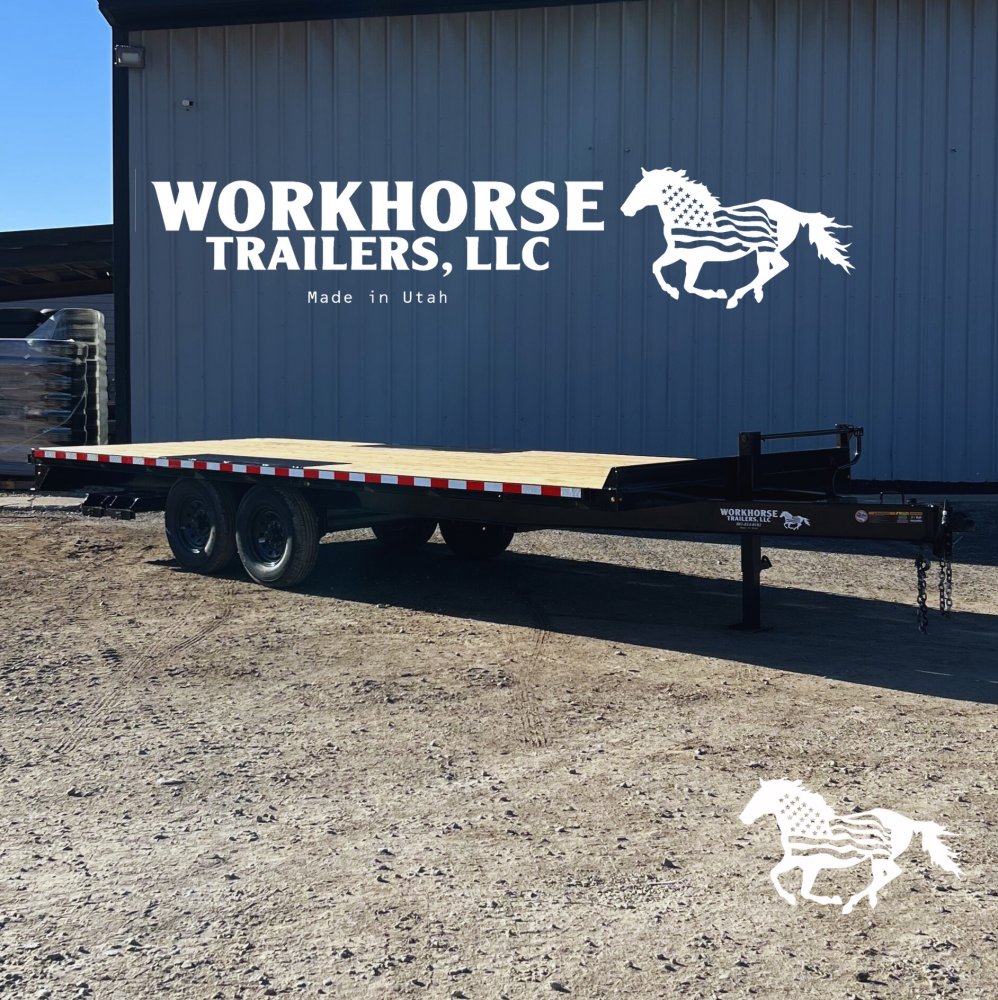
Deck over trailers derive their name from the positioning of the cargo deck relative to the axle and wheel assemblies. Traditional trailers place the deck between wheel wells, limiting usable width to approximately 80 inches even on models with wider overall dimensions. Deck over designs elevate the entire cargo surface above the wheels, extending usable width to the full trailer width, commonly 102 inches on road-legal models. This additional width translates to substantially increased cargo capacity, often allowing loads that would require two trips on standard trailers to move in a single journey.
The elevated deck height that enables this width advantage creates both opportunities and challenges. Higher cargo positioning raises the center of gravity compared to standard trailers, affecting handling dynamics during towing. However, manufacturers address this through wider axle spacing and strategic weight distribution engineering that maintains stability even with top-heavy loads. The resulting trailers provide exceptional capacity while delivering controllable highway manners when properly loaded and towed within rated specifications.
Frame construction on deck over trailers must support the elevated deck while maintaining structural integrity under heavy, wide loads. Engineers typically employ reinforced perimeter frames that extend outward beyond the wheel assemblies, creating the platform for the expanded deck surface. Cross members spaced at intervals provide vertical support preventing deck sagging, while maintaining adequate strength to resist torsional twisting when carrying unevenly distributed loads across the wider surface area.
Width Advantages for Specific Applications
Construction material transport benefits enormously from deck over trailer width. Standard lumber dimensions including 4×8 plywood sheets and oriented strand board panels fit perfectly on the wider deck surface without overhanging edges. Drywall sheets, insulation panels, and roofing materials stack efficiently, maximizing load volume while maintaining secure positioning throughout transport. Contractors appreciate this efficiency, completing material deliveries in fewer trips while reducing fuel costs and driver time.
Landscaping operations utilize deck over trailers to transport riding mowers, zero-turn equipment, and utility vehicles side by side rather than in tandem. This arrangement shortens overall load length, improving maneuverability in tight spaces while distributing weight more evenly across the deck surface. The ability to load multiple pieces of equipment simultaneously reduces loading time at the beginning and end of each workday, improving crew productivity and allowing faster transitions between job sites.
Manufacturing facilities moving wide machinery components and assemblies find deck over trailers essential for internal logistics. Industrial equipment including wide conveyor sections, production line components, and oversized fabricated assemblies often exceed standard trailer width capacity. Deck over designs accommodate these items without requiring special permits or route planning associated with true overwidth loads, streamlining operations while maintaining legal compliance on public roadways.
Load Capacity Considerations
Deck over trailers typically feature higher gross vehicle weight ratings compared to standard trailers of similar length. The robust frame construction required to support the elevated, extended deck provides inherent strength that manufacturers leverage by specifying higher capacity axle systems. Common deck over configurations range from 10,000 to 14,000 pound ratings on tandem-axle models, with triple-axle versions extending capacity beyond 20,000 pounds for serious commercial applications.
Weight distribution across the wider deck surface affects both safety and legal compliance. Operators must ensure loads remain within legal width limits, typically 102 inches in most jurisdictions, while maintaining proper weight distribution that prevents overloading individual axles. The wider deck surface makes achieving proper balance easier in many scenarios, as loads can spread laterally rather than stacking vertically, lowering the center of gravity and improving stability.
Axle spacing on deck over trailers follows engineering principles that optimize load distribution while maintaining acceptable bridge formula compliance. Longer wheelbases distribute weight across more road surface, reducing point loading on bridges and roadways. This consideration becomes particularly important when hauling maximum capacity loads where improper axle spacing could violate weight distribution regulations even when gross weight remains within legal limits.
Deck Surface Options and Materials
Treated wood decking remains the most common deck surface material on deck over trailers, offering excellent value, reasonable durability, and easy repair or replacement when damaged. Pressure-treated lumber resists moisture and decay, providing years of reliable service even in harsh weather conditions. Wood surfaces also provide natural grip for equipment tires and operator footing, reducing slip hazards during loading and unloading operations.
Steel deck surfaces deliver maximum durability and longevity, particularly in commercial applications involving heavy equipment or abrasive materials. Diamond plate steel or expanded metal provides traction while allowing water and debris to drain rather than pooling on the deck surface. Steel decks add significant weight compared to wood alternatives, reducing available payload capacity, but the tradeoff makes sense for operations where deck damage from heavy or sharp-edged loads would quickly destroy wooden surfaces.
Composite decking materials combine benefits of wood and synthetic materials, offering improved weather resistance and extended service life compared to traditional lumber. These advanced materials resist moisture absorption, preventing rot and decay that eventually affects even treated wood. The higher initial cost of composite decking pays dividends through reduced maintenance requirements and longer replacement intervals, particularly valuable for trailers experiencing constant exposure to outdoor storage conditions.
Ramp Systems for Elevated Decks
The higher deck position on deck over trailers necessitates longer ramps to maintain safe loading angles. Standard rear ramps on deck over models typically extend 72 to 84 inches compared to 48 to 60 inches on conventional trailers. This additional length creates gentler approach angles that accommodate low-clearance equipment while reducing the physical effort required to push or drive heavy items onto the deck surface.
Fold-down ramp gates combine loading functionality with containment capability, serving dual purposes that enhance trailer versatility. When lowered for loading, these gates provide full-width access to the deck surface, accommodating wide equipment without maneuvering around narrow ramp edges. When raised and secured, the same gates contain cargo, preventing materials from sliding off the rear during transport. This design proves especially popular for landscape trailers hauling mulch, soil, or gravel where contained sides prevent loss during highway travel.
Side-loading ramps offer alternative access useful when rear loading proves impractical due to space constraints or cargo configuration. These auxiliary ramps store along trailer sides when not needed, deploying quickly when required. Operations that frequently load equipment in confined areas appreciate this flexibility, avoiding the need to position trailers with adequate clearance behind for traditional rear loading approaches.
Applications in Agricultural Operations
Farm equipment transport represents a primary application for deck over trailers throughout the agricultural regions surrounding South Salt Lake. Compact tractors, all-terrain vehicles, utility task vehicles, and implements designed for these machines often exceed standard trailer width limitations. When searching forSouth Salt Lake Deck Over Trailers, agricultural operators prioritize models that accommodate their widest equipment while maintaining maneuverability on rural roads and farm lanes.
Livestock handling equipment including corral panels, gates, chutes, and sorting systems transport efficiently on deck over trailers. The extra width allows multiple panels to stack side by side, reducing overall load height while maintaining stability during transport. Ranchers moving equipment between pastures or facilities appreciate the time savings compared to making multiple trips with narrower trailers, especially during busy seasons when every hour counts.
Hay and feed operations utilize deck over trailers for moving supplies, equipment, and products. The wider deck accommodates standard pallet dimensions with room to spare, allowing efficient loading with forklifts or pallet jacks. Multiple pallets fit side by side, maximizing cargo efficiency while maintaining proper weight distribution across the trailer's axle systems.
Construction and Contractor Uses
Roofing contractors particularly benefit from deck over trailer width when transporting shingle bundles, underlayment rolls, and roofing equipment. The ability to stack materials across the full 102-inch width significantly increases per-trip capacity compared to standard 80-inch wide decks. This efficiency reduces trips between supplier yards and job sites, lowering fuel costs while keeping crews productive with readily available materials.
Drywall installation specialists transport sheets, joint compound, and finishing equipment on deck over trailers configured with protective surfaces that prevent damage to delicate gypsum board edges. Custom racks installed on the wider deck keep materials organized and accessible while maximizing load capacity. The investment in proper material handling systems pays for itself through reduced material damage and faster job site unloading.
Mechanical contractors moving air handling units, ductwork sections, and large plumbing assemblies rely on deck over width to accommodate components that would require disassembly for transport on standard trailers. Keeping assemblies intact during transport saves substantial labor time at installation sites while reducing the risk of damage or misalignment that can occur during repeated assembly and disassembly cycles.
Commercial Landscaping Fleet Applications
Professional landscaping companies operating multiple crews throughout South Salt Lake maintain fleets of deck over trailers customized for specific crew requirements. Mowing crews outfit trailers with equipment racks, trimmer holders, and secure storage for hand tools, creating mobile workstations that keep everything organized and readily accessible. The extra width allows generous spacing between equipment, preventing damage that occurs when items crowd together on narrower decks.
Installation crews working with hardscaping materials, irrigation systems, and outdoor structures use deck over trailers to transport diverse loads including palletized materials, loose supplies, and equipment simultaneously. Custom dividers and containment systems separate different load types, preventing mixing while maintaining efficiency through consolidated transport. This approach eliminates the need for separate material delivery and equipment hauling vehicles.
Tree service operations transport chippers, stump grinders, chainsaws, and climbing equipment on deck over trailers that provide both width for equipment positioning and length for securing long items like poles and ladders. The robust construction withstands the harsh treatment inherent to tree work, where equipment regularly accumulates dirt, wood chips, and hydraulic fluids that would quickly degrade lighter-duty trailers.
Safety Features and Enhancements
Side rails on deck over trailers provide critical cargo containment that prevents items from sliding off the expanded deck surface. Removable rail systems offer flexibility, allowing installation when hauling loose materials or multiple small items while removing them for oversized loads requiring full deck access. Stake pocket mounting systems enable tool-free installation and removal, making configuration changes quick and simple between different hauling assignments.
Reflective striping applied to trailer sides enhances visibility during nighttime operation or low-light conditions. The wider profile of deck over trailers increases their visual footprint compared to standard models, but strategic placement of reflective materials ensures surrounding drivers clearly perceive trailer dimensions. This safety enhancement proves particularly valuable when transporting wide loads that approach legal maximum widths where precise spacing awareness prevents sideswipe accidents.
Auxiliary lighting beyond minimum legal requirements improves safety through enhanced visibility. Additional clearance lights along trailer sides help surrounding traffic judge distance and position, particularly important when operating in heavy traffic or congested areas. LED technology provides bright, consistent lighting while drawing minimal power from the tow vehicle's electrical system, preventing voltage drops that could affect brake controller operation.
Towing Dynamics and Vehicle Requirements
The higher deck position and increased width of deck over trailers affect towing dynamics compared to standard designs. The elevated center of gravity requires attentive driving, particularly during lane changes and curves where top-heavy loads can create lateral weight transfer. Experienced operators adjust their driving style accordingly, reducing speeds through curves and avoiding sudden steering inputs that could induce sway or instability.
Tow vehicle selection becomes critical when regularly operating loaded deck over trailers. The higher gross weight ratings typical of these trailers demand vehicles with adequate towing capacity including both maximum trailer weight and tongue weight ratings. Half-ton pickup trucks may struggle with heavier decks over models at full capacity, while three-quarter ton and one-ton trucks provide comfortable margins ensuring safe, controlled operation.
Sway control systems substantially improve towing confidence when operating deck over trailers, particularly models approaching maximum legal widths. These systems detect trailer sway developing and automatically apply selective braking to the tow vehicle or trailer to counteract the motion before it becomes dangerous. Both integrated vehicle systems and aftermarket friction or electronic units provide this valuable safety enhancement.
Customization and Accessory Options
Toolbox installations transform deck over trailers into mobile workshops by providing secure weatherproof storage for hand tools, power equipment, and supplies. Side-mount boxes preserve maximum deck space while keeping frequently used items readily accessible. Crossover boxes spanning the deck width near the front maximize storage volume while maintaining low profiles that don't interfere with typical cargo loading.
Winch systems facilitate loading heavy or inoperable equipment onto the elevated deck surface. Electric winches powered by the tow vehicle's electrical system or standalone batteries pull loads using steel cables rated well above anticipated weights. Remote controls allow operators to position themselves safely during loading while maintaining clear views of the equipment and deck edges to prevent accidents.
Custom lighting packages including work lights mounted to trailer corners or posts enable safe loading and unloading during early morning or evening hours. These auxiliary lights illuminate the deck surface and surrounding areas, improving safety while extending productive working hours. LED technology provides bright illumination while minimizing power consumption and generating minimal heat.
Maintenance Best Practices
Deck surface inspection should occur regularly, particularly on trailers hauling heavy or abrasive materials. Wood decks require checking for cracked, split, or rotted boards that compromise structural integrity and create safety hazards. Replacing damaged boards promptly prevents loads from breaking through weak areas while maintaining even weight distribution across the deck structure. Steel decks need inspection for rust formation, paint damage, and structural cracks that could propagate under repeated heavy loading.
The expanded frame structure on deck over trailers creates additional welded joints and connection points that require periodic inspection. Cracks developing at high-stress locations, particularly where cross members join perimeter rails, signal potential structural failures requiring immediate attention. Catching these issues early allows repairs before catastrophic failures occur, preventing injuries and expensive damage to both the trailer and transported cargo.
Tire maintenance becomes especially critical on deck over trailers due to their higher typical load weights. Proper inflation pressure maintains optimal tire performance, preventing excessive heat buildup that accelerates wear and increases failure risk. Regular rotation distributes wear evenly across all tires, extending overall tire life while maintaining consistent handling characteristics. Monitoring tread depth ensures adequate traction remains available, particularly important for trailers operating in varied weather conditions.
Economic Value Proposition
Initial purchase costs for deck over trailers exceed comparable standard trailers due to additional materials and more complex construction required for the elevated, expanded deck. However, the increased cargo capacity often allows businesses to consolidate loads that would require multiple trips with standard trailers, generating operational savings that quickly offset the higher acquisition cost. Calculating cost per cubic foot of cargo capacity often reveals deck over trailers provide superior value despite their premium pricing.
Fuel efficiency considerations balance increased cargo capacity against higher trailer weight and wind resistance. The elevated deck creates a larger frontal area encountering wind resistance during highway travel, potentially reducing fuel economy compared to standard trailers. However, the ability to consolidate multiple trips into single journeys typically results in net fuel savings that favor deck over designs for operations regularly transporting bulky or wide loads.
Resale values for well-maintained deck over trailers remain strong due to consistent demand from commercial operators and serious hobbyists. The specialized capabilities these trailers provide create ready markets when owners upgrade equipment or exit businesses. Maintaining accurate service records and addressing maintenance issues promptly preserves maximum resale value, allowing recovery of substantial portions of the original investment.
Comparing Deck Over and Standard Trailer Designs
Width represents the most obvious difference between deck over and standard trailers, but this single specification cascades into numerous operational distinctions. Standard trailers with deck surfaces between wheel wells offer lower centers of gravity and reduced frontal area, potentially improving fuel economy and stability when hauling loads that fit comfortably within their width constraints. These designs excel for general-purpose hauling where cargo dimensions don't approach width limitations.
Deck over models sacrifice some fuel efficiency and require more powerful tow vehicles in exchange for dramatically increased versatility. The ability to haul wide equipment, materials, and cargo without special permits or route restrictions provides enormous value for operations regularly encountering width-challenged loads. This capability often determines whether specific jobs are practical or impossible, making deck over designs essential rather than simply preferred.
Loading convenience differs between designs based on deck height and ramp requirements. Standard trailers sit lower, requiring shorter ramps that take less space during storage and prove easier to handle during setup. Deck over trailers need longer ramps to achieve safe loading angles, but the wider deck surface often simplifies positioning equipment and cargo once on the trailer. Each design offers distinct advantages that match specific use patterns.
Regulatory Compliance and Width Restrictions
Legal width limitations govern deck over trailer operations on public roadways. Most jurisdictions permit vehicles and loads up to 102 inches wide without special permits or restrictions, aligning perfectly with standard deck over trailer dimensions. Loads exceeding this width enter oversize territory requiring permits, route planning, and potentially escort vehicles depending on specific dimensions and jurisdictions traveled.
Operators must understand width regulations apply to the complete load including any cargo overhang beyond trailer edges. Equipment or materials extending past the deck surface contribute to overall width measurements that determine legal status. Proper load planning ensures compliance while maximizing the deck over the trailer's width advantage without triggering oversize requirements.
State variations in trailer regulations require attention when operating across jurisdictional boundaries. While federal standards provide baseline requirements, individual states may impose additional restrictions or requirements affecting trailer operation. Researching applicable regulations before interstate travel prevents violations and ensures smooth operations throughout planned routes.
Seasonal Considerations in South Salt Lake
Winter conditions affect deck over trailer operation through snow accumulation on the larger deck surface and ice formation that creates slippery loading conditions. The elevated deck position places its surface at heights where wind-driven snow readily accumulates, requiring clearing before loading to prevent frozen materials from interfering with cargo placement or weight distribution. Side rails, when installed, can trap snow that adds dead weight reducing available payload capacity.
Summer heat exposure affects deck surfaces, particularly wood materials that can dry and crack under intense sunlight. Steel decks absorb solar radiation, becoming hot enough to damage temperature-sensitive cargo or create burn hazards for workers loading materials. Parking loaded trailers in shaded areas when possible and using protective coverings for sensitive items mitigates these concerns.
Spring runoff and periodic heavy rains create muddy conditions at many loading locations including construction sites and agricultural facilities. Deck over trailers with open deck designs allow mud and debris to fall through rather than accumulating on solid surfaces, simplifying cleanup and preventing corrosive materials from prolonged contact with trailer components. This self-cleaning aspect provides operational advantages during wet seasons.
Investment Decision Framework
Assessing whether deck over design advantages justify premium costs requires honest evaluation of actual hauling needs versus occasional requirements. Operations regularly transporting wide equipment, materials, or cargo benefit immediately from deck over capabilities, experiencing productivity improvements and cost reductions that validate higher purchase prices. Occasional wide load situations may not justify the investment when rental options or alternative transport methods remain viable.
Future business growth considerations influence deck over versus standard trailer decisions. Companies anticipating expansion into services or markets requiring wide load capacity benefit from purchasing deck over trailers initially rather than replacing standard trailers later. This forward-looking approach avoids the expense and hassle of selling adequate equipment to upgrade when business needs evolve.
Working with knowledgeable trailer specialists helps buyers understand nuanced differences between available models and configurations. Experienced dealers match specific operational requirements with appropriate deck over trailer specifications, ensuring selected equipment provides necessary capabilities without paying for excessive capacity or features that provide no practical value. This guidance proves invaluable for first-time buyers unfamiliar with trailer specifications and their real-world implications.