
South Salt Lake Car Hauler Trailers
All locationsThe automotive enthusiast community in South Salt Lake thrives on passion for vehicles, whether classic restorations, high-performance race cars, or valuable collector automobiles. Transporting these prized possessions safely requires specialized equipment designed specifically for the task. Car hauler trailers have become essential tools for collectors, dealers, racing teams, and automotive businesses throughout the region, providing secure transportation that protects valuable investments from road hazards and weather exposure.
South Salt Lake's strategic location along major transportation corridors makes it an ideal hub for automotive commerce and enthusiast activities. The area serves as a gateway between northern and southern Utah communities, with easy access to racetracks, car shows, auctions, and restoration facilities throughout the state. This central positioning has fostered a vibrant automotive culture where car hauler trailers play a crucial role in connecting enthusiasts with their passion, enabling participation in events and facilitating the buying and selling of vehicles across wide geographic areas.
Understanding Car Hauler Trailer Designs
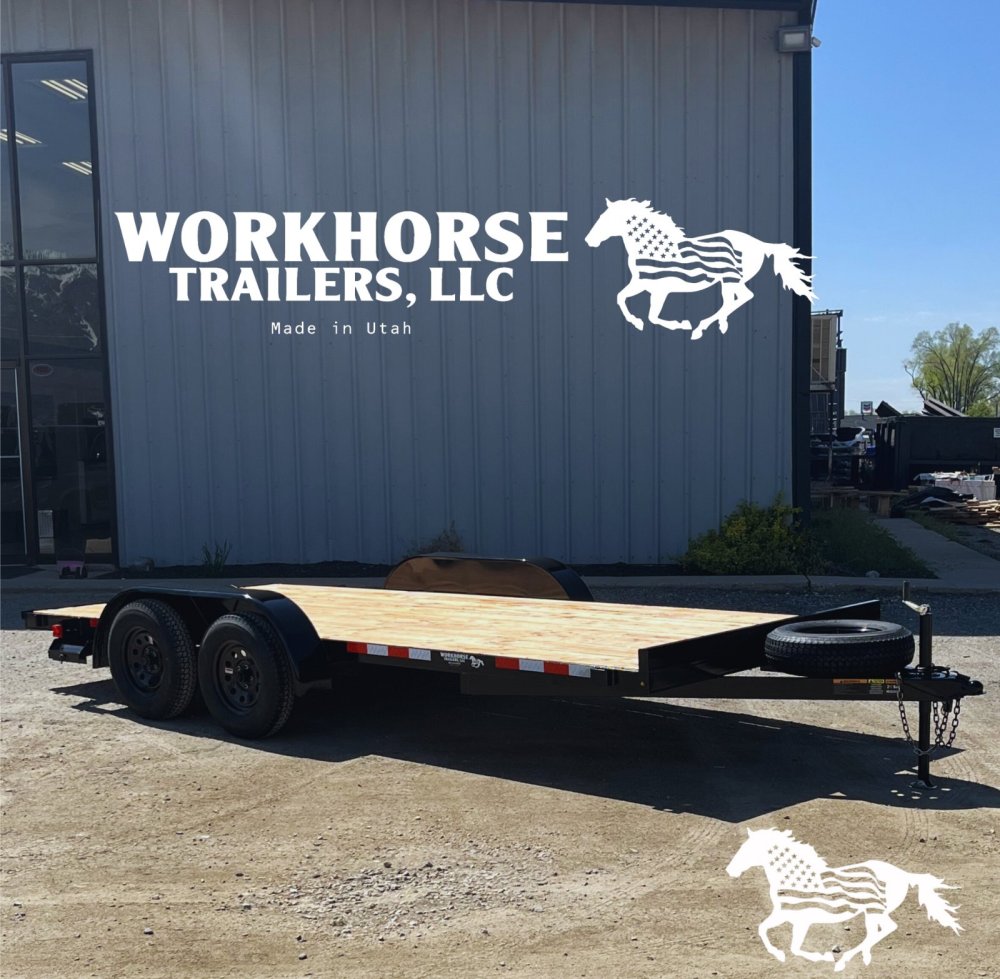
Car hauler trailers differ fundamentally from standard utility trailers through purpose-built features that accommodate vehicle transport. The most basic distinction separates open car haulers from enclosed models, each offering unique advantages depending on transportation needs and budget considerations. Open car haulers provide economical solutions for frequent short-distance transport, offering easy loading access and lighter overall weight that improves fuel efficiency during towing.
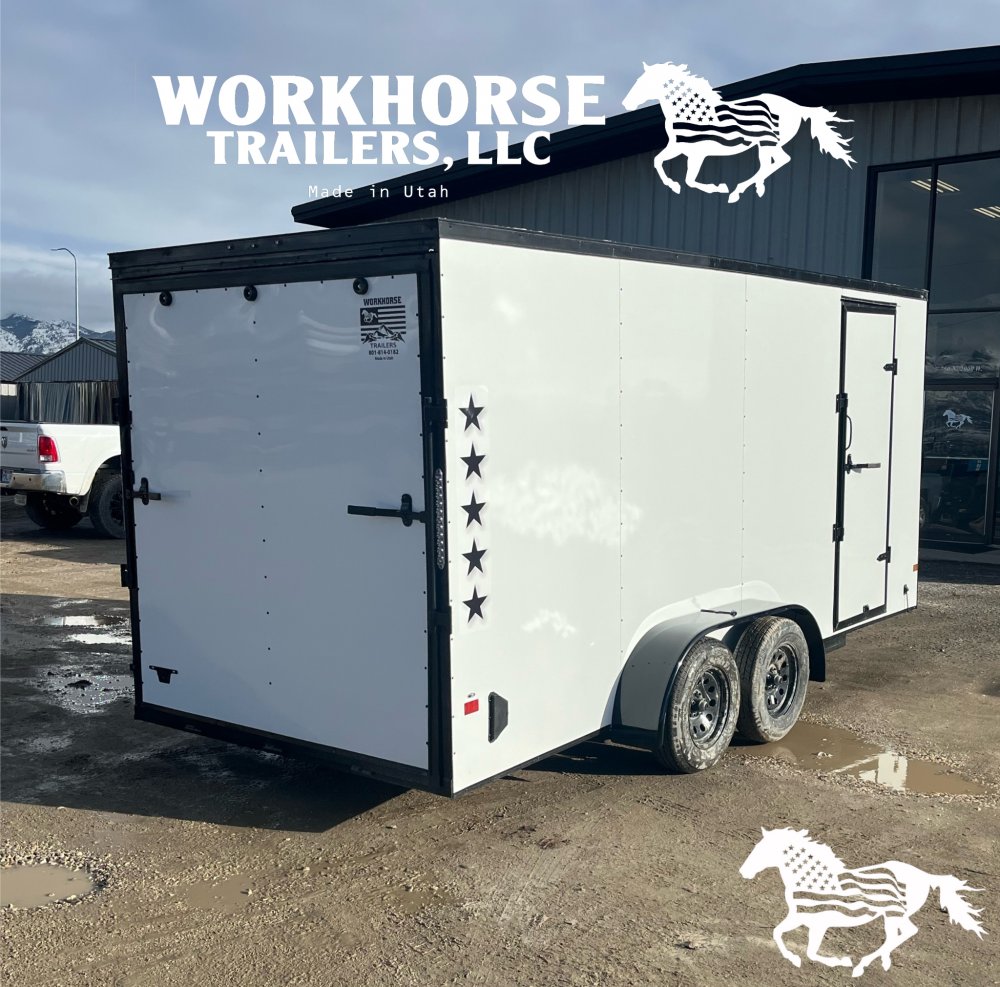
Enclosed car hauler trailers represent premium transportation options that shield vehicles from weather, road debris, and prying eyes during transit. These fully enclosed units function as rolling garages, protecting paint finishes, interiors, and mechanical components from environmental exposure. Serious collectors transporting high-value vehicles overwhelmingly prefer enclosed haulers, recognizing that the additional investment provides invaluable protection for automobiles worth tens or hundreds of thousands of dollars.
Tilt deck car haulers revolutionize the loading process by eliminating ramps entirely. The entire deck tilts backward, creating a gentle slope that allows vehicles with low ground clearance to load without scraping front spoilers or undercarriage components. This feature proves particularly valuable for sports cars, lowered vehicles, and custom builds where traditional ramp loading would cause damage. The hydraulic or mechanical tilt mechanism operates smoothly, requiring minimal effort while providing maximum protection for valuable vehicles.
Specialized Features for Vehicle Transport
Wheel chocks and tire stops secure vehicles during transport, preventing movement that could damage the transported vehicle or trailer structure. Professional-grade car haulers incorporate recessed E-track systems or D-ring tie-down points positioned strategically to accommodate vehicles of various sizes. These mounting locations allow proper attachment angles for securing straps and chains, distributing restraint forces appropriately across the vehicle's suspension and frame.
Electric winches transform the loading process from a labor-intensive challenge into a simple button-push operation. Mounted at the front of the trailer, quality winches pull vehicles onto the deck using steel cables rated for loads exceeding the heaviest vehicles they might encounter. This capability proves essential when loading non-running vehicles, project cars without functional drivetrains, or automobiles with mechanical issues that prevent self-loading. Remote-controlled winch operation allows one person to safely load vehicles while monitoring alignment and clearance.
Stake pockets and removable side rails offer versatility for car haulers that occasionally transport other cargo. When hauling vehicles, these rails remain stored, providing clear deck space and easy access. For alternative uses transporting equipment, materials, or other items, the rails install quickly to contain cargo and prevent items from sliding off the deck. This multi-purpose capability maximizes trailer utility and return on investment.
The Classic Car Transportation Market
Classic automobile collectors represent a significant segment of the car hauler market in South Salt Lake. These enthusiasts invest substantial time and money restoring vintage vehicles to pristine condition, making safe transportation to shows, auctions, and events absolutely critical. A single scratch or paint chip can diminish a classic car's value by thousands of dollars, making enclosed car haulers the only acceptable transportation method for serious collectors.
Restoration projects often involve transporting vehicles in various states of completion. Barn finds and project cars may arrive on trailers as little more than rolling shells, requiring secure tie-down methods that work with incomplete suspension systems or missing components. Conversely, completed restorations demand white-glove treatment with padded wheel chocks, protective coverings, and meticulous securing techniques that prevent any contact with painted surfaces.
The regional classic car community organizes numerous events throughout the year, from local cruise nights to major multi-day shows attracting participants from across the western United States. Enthusiasts with reliable car haulers enjoy the freedom to participate in distant events without subjecting their cherished vehicles to highway miles, stone chips, and weather exposure. This capability expands the classic car hobby beyond garage admiration to active participation in the vibrant community of fellow enthusiasts.
Racing Industry Applications
Motorsports teams from grassroots weekend racers to semi-professional operations depend on car haulers to transport competition vehicles between their shops and racetracks. Race cars built for track performance often lack legal requirements for street operation, including headlights, turn signals, license plates, and emissions equipment. Trailers provide the only practical method for moving these purpose-built machines to competition venues.
The racing season creates intense demand for car haulers as competitors travel to tracks throughout the region. Utah's diverse racing venues, from drag strips to road courses to dirt tracks, attract participants who need reliable transportation for their race cars and associated equipment. Many racing teams outfit enclosed car haulers with workbenches, tool storage, spare parts, and even sleeping quarters, creating mobile race shops that support multi-day events.
Race car transport demands exceed typical passenger vehicle requirements due to modifications that alter dimensions and weight distribution. Roll cages, racing seats, and safety equipment add weight, while aerodynamic components increase width and height. Lowered suspension reduces ground clearance, requiring tilt decks or extra-long ramps for safe loading. Understanding these unique requirements separates adequate car haulers from exceptional ones that truly serve the racing community.
Automotive Dealer Operations
New and used car dealerships throughout South Salt Lake utilize car haulers for inventory acquisition, delivery services, and auction transport. Dealers attending wholesale auctions need efficient methods to retrieve purchased vehicles and return them to their lots for preparation and sale. Multi-car haulers that accommodate two or more vehicles simultaneously maximize efficiency, reducing the number of trips required and lowering transportation costs per vehicle.
Customer delivery services have become competitive differentiators for progressive dealerships. When searching forSouth Salt Lake Car Hauler Trailers, dealers recognize that offering to deliver purchased vehicles directly to customers' homes creates exceptional service experiences that generate positive reviews and referrals. Enclosed car haulers protect newly purchased vehicles during delivery, ensuring customers receive their cars in pristine condition.
Service departments use car haulers to retrieve vehicles requiring major repairs or collision work that prevents safe driving. This customer service extends goodwill while generating service revenue from repairs that might otherwise go to competitors. Having dedicated car hauler capacity eliminates dependence on third-party towing services, reducing costs while maintaining complete control over customer vehicle handling.
Construction and Capacity Specifications
Frame construction determines car hauler longevity and reliability under the stresses of repeated loading and highway travel. Tubular steel frames offer excellent strength-to-weight ratios, providing robust support while minimizing trailer weight. Premium manufacturers use formed channel or I-beam construction that resists twisting and flexing, maintaining deck levelness even when carrying heavy vehicles or encountering rough road surfaces.
Deck height significantly impacts loading ease and towing stability. Lower deck heights reduce ramp angles, making loading easier while lowering the center of gravity for improved highway handling. However, excessively low decks may limit ground clearance on uneven terrain or steep driveways. Most quality car haulers balance these factors, positioning decks 18 to 24 inches above ground level for optimal versatility.
Gross vehicle weight rating establishes the maximum safe load capacity, including the trailer's weight and the transported vehicle. Car haulers designed for single passenger vehicles typically feature ratings between 7,000 and 10,000 pounds, accommodating most cars and light trucks with comfortable safety margins. Haulers intended for multiple vehicles or heavy trucks require higher ratings, with tandem and triple-axle configurations supporting loads exceeding 14,000 pounds.
Braking Systems and Towing Safety
Electric brakes on car hauler trailers provide essential stopping power that complements the tow vehicle's braking system. Quality brake systems distribute braking force across all wheels, preventing uneven wear while maximizing stopping effectiveness. Brake controllers installed in the tow vehicle allow drivers to adjust trailer brake sensitivity, accommodating varying load weights and road conditions for optimal safety.
Surge brakes offer alternative braking technology that activates automatically when the trailer pushes against the tow vehicle during deceleration. This mechanical system requires no electrical connection to the tow vehicle, simplifying hookup while providing reliable stopping power. However, surge brakes prevent backing with activated brakes and may feel less refined than properly adjusted electric brake systems.
Breakaway systems provide critical safety backup if the trailer separates from the tow vehicle. A cable connected to the tow vehicle pulls a pin that activates a battery-powered brake system, bringing the trailer to a controlled stop rather than allowing it to careen uncontrolled. This safety feature represents minimal added cost while providing invaluable protection against catastrophic accidents.
Loading and Unloading Best Practices
Proper loading techniques prevent vehicle damage while ensuring safe transport. Before loading, inspect the trailer deck for debris, protruding fasteners, or damage that could scratch paint or puncture tires. Sweep the deck clean and verify that all tie-down points are secure and functional. Position the trailer on level ground with adequate clearance behind for vehicle approach.
Drive vehicles onto trailers slowly and deliberately, maintaining straight alignment to prevent tires from rolling off deck edges. Use a spotter whenever possible to monitor clearance and provide guidance during loading. For vehicles with limited ground clearance, proceed cautiously over ramp transitions where angle changes might cause contact with front or rear bumpers.
Secure vehicles immediately after loading using appropriate tie-down methods for the specific vehicle type. Attach straps or chains to designated suspension mounting points rather than to body panels or steering components that could sustain damage. Cross straps in an X pattern when possible to prevent lateral movement, and verify all connections before beginning transport. Periodically check tie-downs during extended trips to ensure they remain tight as suspension settles.
Enclosed Hauler Advantages
Weather protection stands as the primary advantage of enclosed car haulers, shielding vehicles from rain, snow, hail, and intense sunlight during transport. Paint finishes, especially on show cars and restorations, benefit enormously from this protection. Clear coats remain unmarred by acid rain, and chrome components avoid water spots and corrosion that can develop during wet highway travel.
Security features inherent to enclosed trailers deter theft and vandalism. Locked doors prevent unauthorized access to transported vehicles and stored equipment. When traveling to events or staying overnight during long-distance transport, enclosed trailers provide peace of mind that valuable vehicles remain protected. Some enclosed haulers incorporate alarm systems and GPS tracking for additional security layers.
Interior customization options transform enclosed car haulers into comprehensive mobile workshops. Wall-mounted cabinets, pegboard tool storage, workbenches, and air compressor installations create self-sufficient environments for vehicle maintenance and race preparation. LED lighting provides excellent visibility for working inside trailers, while ventilation systems ensure comfort during extended periods of interior work.
Open Hauler Benefits and Applications
Cost efficiency makes open car haulers attractive for budget-conscious buyers and commercial operations requiring multiple trailers. Open designs require less material and simpler construction, resulting in significantly lower purchase prices compared to enclosed models of similar capacity. This affordability allows businesses to equip entire fleets with car haulers without excessive capital investment.
Lighter weight improves fuel economy and allows towing by smaller vehicles that might struggle with heavier enclosed trailers. Businesses making frequent local deliveries particularly benefit from this efficiency, as reduced fuel costs compound over thousands of annual miles. Weight savings also enable legal towing by mid-size trucks and SUVs that lack the capacity for heavier enclosed alternatives.
Loading visibility simplifies the process of positioning vehicles on open decks. Drivers can see all four corners of their vehicles relative to deck edges, making precise alignment easier than in enclosed trailers where limited lighting and restricted sight lines complicate positioning. This advantage reduces loading time and minimizes the risk of accidentally rolling tires off the deck edge.
Financing and Ownership Considerations
Car hauler trailers represent substantial investments that many buyers finance through various lending options. Equipment financing specifically designed for trailer purchases offers competitive interest rates and terms structured around business use or personal ownership. Monthly payments spread costs over several years, making quality car haulers accessible without depleting cash reserves needed for other business operations or personal expenses.
Lease options provide alternatives for businesses wanting to preserve capital or individuals uncertain about long-term hauling needs. Leasing arrangements typically include maintenance coverage and allow upgrading to newer equipment as lease terms expire. This flexibility appeals to racing teams that might require different equipment as their programs evolve or dealers whose hauling requirements fluctuate with business conditions.
Used car hauler markets offer opportunities to acquire quality equipment at reduced costs. Well-maintained trailers from reputable manufacturers retain functionality for decades, making used purchases viable for buyers with limited budgets. However, thorough inspections prove essential before purchasing used equipment, as hidden damage or deferred maintenance can create expensive problems shortly after acquisition.
Tire Selection and Maintenance
Trailer tires designed specifically for towing applications provide better longevity and safety than passenger car tires. These specialized tires feature stiffer sidewalls that resist sway and improve tracking stability at highway speeds. Load range ratings indicate maximum weight capacity, with most car haulers requiring load range C or D tires depending on gross vehicle weight ratings.
Proper inflation maintains optimal tire performance and extends tread life. Under-inflated tires generate excessive heat, accelerating wear and increasing the risk of catastrophic failure at highway speeds. Check tire pressure before each use, adjusting to manufacturer specifications found on trailer placards or tire sidewalls. Remember that trailer tires require higher pressures than passenger car tires, often 50 to 80 PSI depending on load requirements.
Regular rotation prevents uneven wear patterns that develop when tires remain in fixed positions. Rotating tires between different axle positions distributes wear more evenly, extending overall tire life and improving handling characteristics. Many owners rotate trailer tires annually or every 5,000 miles, whichever occurs first, to maximize their investment in quality tires.
Insurance and Liability Protection
Comprehensive insurance coverage protects car hauler investments against theft, vandalism, collision damage, and other perils. Many vehicle insurance policies extend coverage to trailers, though limits may prove inadequate for expensive enclosed car haulers. Reviewing existing policies and purchasing supplemental coverage when necessary ensures adequate protection without paying for redundant coverage.
Cargo insurance covers vehicles being transported on car haulers, protecting against damage that occurs during loading, transport, or unloading. Dealers and professional haulers carrying customer vehicles need robust cargo insurance that covers the full value of transported vehicles. Policy limits should exceed the value of the most expensive vehicles typically hauled to prevent financial exposure in worst-case scenarios.
Liability coverage addresses damage or injuries caused by trailer-related accidents. Adequate liability limits protect personal assets from lawsuits arising from accidents where trailer failure or improper operation causes property damage or bodily injury. Business owners should carry substantially higher liability limits than individual hobbyists, reflecting their greater exposure and the potential for commercial operation claims.
Regional Transportation Advantages
South Salt Lake's position within Utah's transportation network provides excellent access to Interstate 15, Interstate 80, and major state highways serving every corner of the region. Car hauler owners enjoy straightforward routes to popular destinations including Salt Lake City, Provo, Ogden, and communities throughout the Wasatch Front. Well-maintained highways and relatively light commercial traffic compared to major metropolitan areas make towing safer and less stressful.
The region's automotive infrastructure supports car hauler operations with ample truck stops, rest areas, and service facilities along major routes. These resources provide convenient locations for checking tie-downs, refueling, and addressing any issues that arise during transport. Availability of truck-accessible fuel stations with long pull-through lanes accommodates trailer combinations without requiring disconnection for refueling.
Seasonal weather patterns in the South Salt Lake area demand consideration when planning vehicle transport. Winter conditions can create hazardous towing situations with snow, ice, and reduced visibility. Enclosed car haulers provide distinct advantages during winter months, protecting transported vehicles from road salt and precipitation while offering improved aerodynamics that enhance stability in crosswinds common along exposed highway segments.
Making Informed Purchase Decisions
Assessing your specific hauling requirements before shopping prevents purchasing inadequate equipment or overspending on unnecessary capacity and features. Consider the types of vehicles you'll transport most frequently, their weights and dimensions, and typical transport distances. Racing applications may demand features like auxiliary fuel tanks and tool storage that collectors transporting finished show cars rarely need.
Comparing warranties offered by different manufacturers reveals confidence in product quality and provides protection against defects. Comprehensive warranties covering frames, axles, and major components for multiple years indicate manufacturers who stand behind their products. Extended warranty options allow buyers to secure additional protection for reasonable costs, providing peace of mind especially for enclosed haulers representing major investments.
Working with established dealers who specialize in car haulers ensures access to expertise that generic trailer retailers cannot match. Knowledgeable staff understand the specific requirements of vehicle transport and can recommend features that provide real value rather than simply pushing expensive options. Building relationships with quality dealers creates resources for future parts needs, service questions, and potential trade-in opportunities when upgrading equipment.