
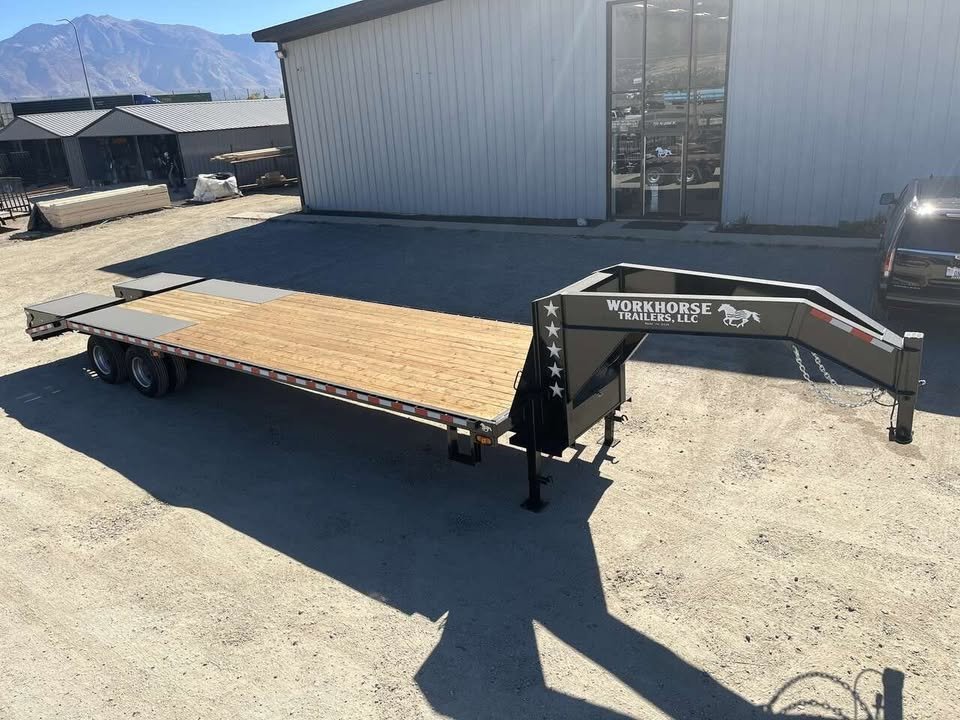
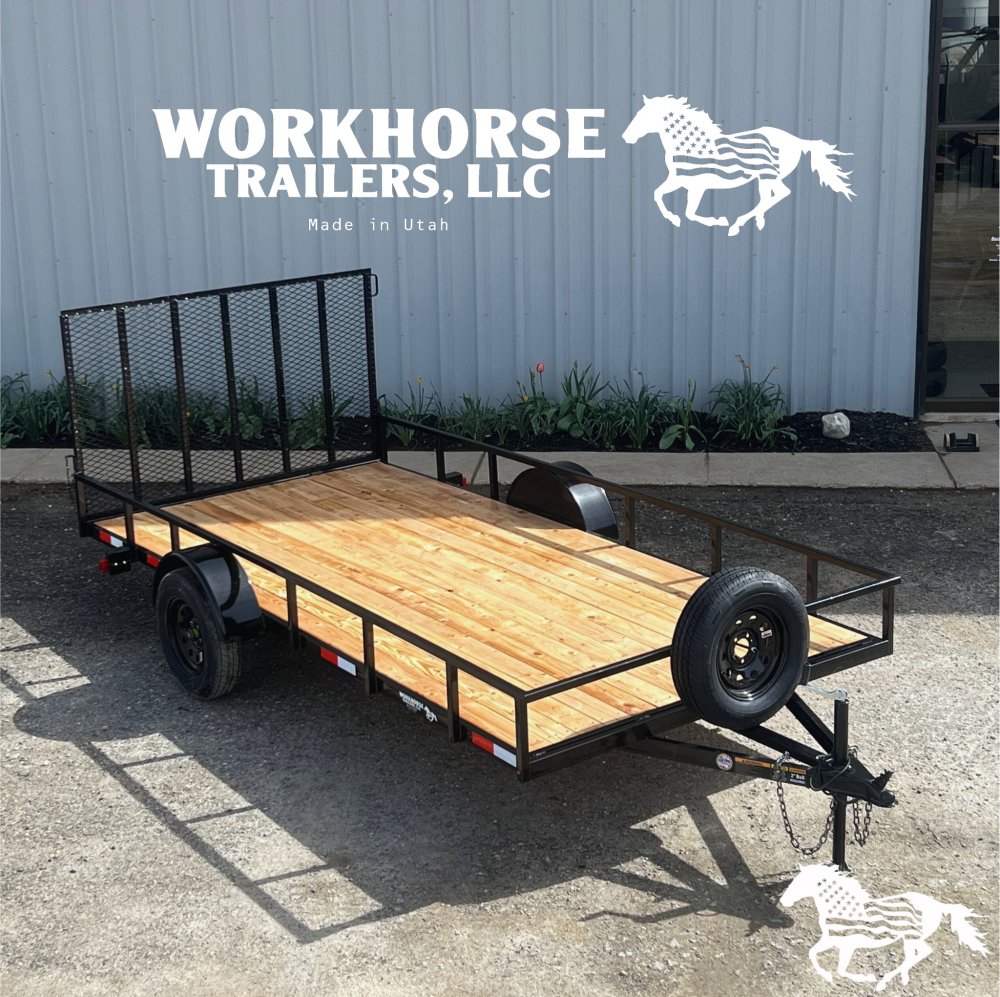
Murray Utility Trailers
All locationsMurray has established itself as a vibrant commercial hub within the Salt Lake Valley, home to countless small businesses, independent contractors, and industrious homeowners who depend on versatile equipment to complete daily tasks efficiently. Utility trailers have become essential tools throughout this thriving community, serving everyone from weekend warriors tackling home improvement projects to established companies managing complex commercial operations. The practical design of utility trailers makes them indispensable for transporting materials, equipment, and supplies that exceed the capacity of standard vehicles, providing economical solutions that enhance productivity across diverse applications.
The geographic positioning of Murray creates unique opportunities and challenges for trailer owners. Situated along major transportation corridors with quick access to commercial districts, residential neighborhoods, and recreational areas throughout northern Utah, Murray residents benefit from convenient mobility that utility trailers extend even further. Whether hauling construction debris to disposal facilities, transporting landscaping materials between job sites, or carrying recreational equipment to mountain destinations, the right utility trailer transforms what would otherwise require multiple trips or expensive delivery services into simple, self-sufficient operations that save both time and money.
Selecting the Right Size for Your Needs
Compact utility trailers measuring 5×8 or 6×10 feet provide excellent starting points for homeowners and occasional users requiring basic hauling capability without overwhelming storage or towing demands. These smaller models fit comfortably in residential driveways and single-car garages, addressing storage concerns that prevent many people from owning larger trailers. The reduced size also allows towing with compact SUVs and even some sedan models, eliminating the need for heavy-duty trucks that many homeowners lack. Despite modest dimensions, these trailers accommodate impressive loads including appliances, furniture, yard waste, and building supplies for typical residential projects.
Mid-range utility trailers spanning 6×12 to 7×14 feet represent the sweet spot for serious hobbyists and light commercial applications. The expanded deck space handles full sheets of plywood lying flat, multiple pieces of lawn equipment, or substantial material loads while remaining manageable for operators without extensive towing experience. These versatile sizes serve diverse purposes throughout ownership, adapting as needs evolve from weekend projects to side business ventures. The investment in slightly larger capacity than immediately necessary provides growth room preventing rapid outgrowing of equipment.
Large utility trailers exceeding 7×16 feet cater to professional contractors and businesses requiring maximum hauling capacity for daily operations. These substantial platforms transport complete job site setups including tools, materials, and equipment eliminating the need for multiple trips between supply yards and work locations. The increased capacity directly impacts productivity, allowing crews to focus on billable work rather than logistics. While demanding appropriate tow vehicles and dedicated storage space, these professional-grade trailers deliver returns justifying their size through operational efficiency and expanded job capabilities.
Essential Construction Features
Frame quality determines utility trailer longevity and reliability under the stress of repeated loading and highway travel. Premium manufacturers employ heavy-gauge steel tubing welded into robust structures that resist twisting and flexing even when carrying maximum rated loads across rough terrain. The difference between quality frames and budget alternatives becomes apparent over time as inferior designs develop stress cracks, permanent deformation, and eventually catastrophic failures. Investing in solid frame construction during initial purchase prevents expensive repairs and potential safety incidents during the trailer’s service life.
Decking materials vary from treated lumber to steel plating, each offering distinct advantages depending on intended applications. Wood decks provide excellent grip for equipment and materials while offering straightforward repair when damage occurs. The natural flex of wood also cushions loads slightly, reducing impact on delicate items. Steel decks deliver superior durability for heavy equipment hauling and applications involving sharp objects or abrasive materials that would quickly damage wooden surfaces. Understanding typical use cases guides appropriate decking selection matching operational requirements.
Coupler and hitch components represent critical connection points where trailer meets tow vehicle, demanding quality construction and appropriate capacity ratings. The coupler must match or exceed the trailer’s gross vehicle weight rating while providing secure latching preventing accidental separation during travel. Safety chains provide backup connection if primary coupling fails, with proper installation requiring chains crossed beneath the coupler tongue creating a cradle catching the tongue if it disconnects from the ball. These safety features deserve careful attention rather than afterthought consideration since they prevent potentially catastrophic accidents.
Murray Business Applications
Home service contractors throughout Murray utilize utility trailers as mobile equipment platforms supporting plumbing, electrical, HVAC, and handyman operations. These professionals load trailers each morning with tools and materials anticipated for scheduled appointments, arriving at customer locations fully equipped to handle typical repairs plus common variations requiring additional supplies. The organized trailer setup reduces time wasted returning to shops for forgotten items while presenting professional images that reassure customers about contractor competence and preparedness.
Junk removal and hauling services base entire business models on utility trailer capabilities, offering customers convenient waste removal without requiring them to own trailers or make dump runs personally. These operations maximize trailer capacity through strategic loading techniques, completing more jobs per day by reducing disposal trips. The direct correlation between trailer efficiency and profitability makes utility trailers central to business success rather than peripheral equipment. When researchingMurray Utility Trailers, hauling service operators prioritize durability and high weight capacity enabling intensive daily use without constant repairs.
Property maintenance companies serving commercial and residential clients deploy utility trailers carrying lawn mowers, edgers, blowers, hedge trimmers, and hand tools between properties. The mobile equipment storage eliminates the need for crews to return to central facilities between jobs, maximizing productive time spent on customer properties. Organized trailer layouts with designated positions for each tool streamline equipment retrieval and return, maintaining efficiency even during long workdays with multiple job site visits.
Recreational and Personal Uses
Outdoor enthusiasts transport camping gear, kayaks, bicycles, and adventure equipment to trailheads, lakes, and recreation areas throughout Utah’s spectacular landscapes. Utility trailers provide vastly more cargo capacity than vehicle roof racks while keeping gear secure and weather-protected during highway travel. The ability to haul complete camping setups including tents, cooking equipment, coolers, and supplies enables extended backcountry trips without the expensive investment in dedicated recreational vehicles. Families appreciate the flexibility of using trailers for outdoor adventures then repurposing them for yard projects and household moves throughout the year.
DIY enthusiasts and hobbyists working on automotive restoration, woodworking, or other projects requiring substantial material transport rely on utility trailers for hauling lumber, metal stock, automotive parts, and finished projects. The convenience of loading materials at supply stores then unloading directly into home workshops streamlines project workflows while avoiding delivery fees and scheduling delays. Project vehicles under restoration travel safely on trailers to paint shops, upholstery specialists, and parts suppliers without subjecting unfinished work to road hazards or mechanical failures.
Moving operations both personal and professional benefit from utility trailer capacity that supplements or replaces expensive moving truck rentals. Local moves within Murray and surrounding communities accomplish efficiently using pickup trucks or SUVs paired with utility trailers, making multiple trips if necessary while avoiding commercial rental costs. The open design facilitates loading oddly shaped furniture and belongings that challenge enclosed moving trucks, while allowing easy access from all sides during packing and unpacking operations.
Weight Ratings and Towing Capacity
Gross Vehicle Weight Rating establishes the maximum safe combined weight of the trailer plus cargo, representing the upper limit that should never be exceeded regardless of tow vehicle capability. Every utility trailer displays GVWR on compliance plates attached to trailer frames, providing critical information for legal and safe operation. Operators must calculate actual payload by subtracting the empty trailer weight from GVWR, understanding that exceeding this capacity creates dangerous handling conditions while violating regulations that could result in citations and liability if accidents occur.
Tongue weight considerations affect both trailer stability and tow vehicle loading, requiring proper balance for safe highway operation. Ideal tongue weight falls between 10 and 15 percent of total loaded trailer weight, creating downward pressure on the hitch without excessive loading that could overwhelm tow vehicle rear suspension. Achieving proper tongue weight requires strategic load placement with heavier items positioned forward of the axle centerline, preventing tail-heavy configurations that promote dangerous swaying during travel.
Axle capacity determines how much weight individual axles support, with single-axle trailers limited to approximately 3,500 pounds total capacity while tandem-axle configurations extend capacities to 7,000 pounds and beyond. The additional axle provides both increased capacity and redundancy, allowing continued operation if one tire fails rather than complete immobilization. Commercial operations and users regularly hauling near maximum capacity benefit from tandem-axle reliability and safety margins that single-axle designs cannot match.
Gate and Loading Configurations
Tailgate designs range from simple landscape-style gates suitable for containing loose materials to fold-down ramp gates facilitating wheeled equipment loading. Landscape gates typically feature removable pins allowing complete gate removal for oversized loads extending beyond trailer dimensions, while ramp gates remain attached through hinged connections. The gate configuration choice depends on typical cargo types, with materials haulers preferring landscape gates for their simplicity and equipment transporters requiring ramp functionality for loading mowers, generators, and other wheeled items.
Side loading capabilities through removable rails or drop sides expand loading options when rear access proves impractical due to space constraints or cargo arrangement. These alternative access points allow positioning trailers parallel to loading docks or in tight spaces where backing up for traditional rear loading becomes impossible. The versatility proves valuable in urban environments like Murray where construction sites, alleys, and commercial areas often lack the maneuvering room suburban and rural locations provide.
Securing mechanisms including spring-loaded latches, pin connectors, and chain tie-downs keep gates closed during transport while allowing quick opening when accessing cargo. Quality latching systems provide positive engagement preventing accidental opening from vibration or impact while remaining simple enough for single-person operation. The frustration of poorly designed latches that jam, bind, or require two hands to operate becomes apparent quickly, making latch quality worth evaluating during trailer selection.
Maintenance Requirements for Longevity
Tire care represents perhaps the most critical regular maintenance item since tire failures create immediate safety hazards and operational disruptions. Utility trailer tires require proper inflation based on load ratings stamped on tire sidewalls, with pressures often exceeding those used on passenger vehicles. Monthly pressure checks prevent the gradual deflation that accelerates tire wear while creating heat buildup potentially causing catastrophic blowouts. Tread depth monitoring ensures adequate traction remains available, with replacement becoming necessary when tread wears to minimum safe depths or when age-related cracking appears regardless of remaining tread.
Bearing service protects wheel assemblies from premature failure through periodic inspection and lubrication. Most manufacturers recommend bearing repacking annually or every 12,000 miles, whichever occurs first. This preventive maintenance costs far less than bearing failures that destroy hubs and potentially cause wheels to separate during travel. The service involves disassembling wheel assemblies, cleaning old grease from bearings and races, inspecting components for wear or damage, then repacking with fresh high-temperature bearing grease before reassembly.
Lighting system functionality ensures visibility to other drivers while providing legal compliance with trailer lighting requirements. Regular testing of brake lights, turn signals, and running lights before each use identifies burned-out bulbs or wiring issues requiring attention. LED lighting upgrades provide superior longevity and vibration resistance compared to traditional incandescent bulbs, reducing maintenance frequency while improving visibility through brighter, more consistent light output. The modest upgrade cost recovers quickly through eliminated bulb replacements and improved safety.
Tie-Down Methods and Cargo Security
Ratchet strap selection requires matching working load limits to cargo weights while providing safety margins preventing strap failure during transport. Quality straps feature working load limits clearly marked on webbing, typically ranging from 500 to 5,000 pounds depending on strap width and construction. Using appropriately rated straps prevents both under-securing cargo that could shift or fall off and over-tightening causing damage to delicate items. Maintaining a variety of strap lengths and capacities ensures proper securing options for different loads encountered throughout normal use.
Anchor point utilization maximizes securing effectiveness by attaching straps at strategic locations that prevent cargo movement in all directions. Most utility trailers incorporate D-rings or stake pockets along deck perimeters providing tie-down points, though positioning may not perfectly align with every load configuration. Supplementary anchor points installed at commonly used locations improve versatility, allowing quick securing of frequently transported items without creative strap routing that may compromise effectiveness.
Load distribution affects both trailer stability and legal compliance with weight regulations. Concentrating heavy items over axles rather than at extreme front or rear positions optimizes weight distribution while maintaining proper tongue weight. Uneven side-to-side loading creates imbalanced conditions potentially causing tire overloading on one side while leaving capacity unused on the opposite side. Spreading loads evenly across the deck surface maintains trailer balance and handling predictability during highway operation.
Paint and Corrosion Protection
Powder coating provides superior corrosion resistance compared to standard liquid paint, creating harder, more durable finishes that withstand chipping from rock impacts and abrasion from cargo loading. The electrostatically applied powder adheres uniformly to metal surfaces then cures under heat into tough protective layers. While more expensive than conventional painting, powder coating lasts significantly longer, maintaining appearance and corrosion protection throughout years of demanding use. Quality manufacturers include powder coating as standard equipment on premium trailer models.
Galvanized frames offer maximum corrosion protection through zinc coating applied during manufacturing that sacrifices itself protecting underlying steel from rust formation. Fully galvanized trailers withstand marine environments, winter road salt exposure, and humid climates that would quickly corrode painted steel. The distinctive silvery appearance may not match aesthetic preferences compared to painted finishes, but the maintenance-free corrosion protection proves valuable for operators prioritizing longevity over appearance or those operating in harsh environments.
Touch-up procedures maintain corrosion protection when paint chips or scratches expose bare metal. Small damaged areas addressed promptly with matching touch-up paint prevent rust from starting, while neglected chips allow corrosion to spread beneath surrounding paint requiring extensive repair. Inspecting trailers regularly for finish damage and addressing issues immediately costs minimal effort while preventing deterioration that could compromise structural integrity over time.
Brake System Options
Electric brakes activated through controllers mounted in tow vehicles provide responsive, adjustable braking proportional to deceleration forces. The controller sends current to brake magnets in trailer hubs, engaging friction pads against brake drums with force corresponding to vehicle braking intensity. Modern proportional controllers sense vehicle deceleration automatically, applying trailer brakes appropriately without constant manual adjustment. The integration creates unified braking where trailer and vehicle decelerate together rather than the vehicle dragging an unbraked trailer requiring excessive stopping distances.
Surge brakes offer alternative braking technology using mechanical actuation when the trailer pushes against its coupling during deceleration. The forward momentum compresses a cylinder that applies hydraulic pressure to wheel brakes without requiring electrical connections to the tow vehicle. This self-contained operation provides reliable braking independent of tow vehicle compatibility, making surge brake trailers universally compatible with any vehicle featuring appropriate hitch receivers. The simplicity appeals to users towing with multiple different vehicles who would otherwise need brake controllers installed in each.
Brake-free operation remains legal on lighter utility trailers below specific weight thresholds varying by jurisdiction, though brakes improve safety regardless of legal requirements. Unbraked trailers place the entire stopping burden on tow vehicle brakes, extending stopping distances potentially causing accidents in emergency situations. The marginal cost savings from eliminating brake systems proves foolish economics when considering accident liability and safety risks, making braked trailers worthwhile investments even when regulations permit brakeless operation.
Seasonal Considerations in Murray
Winter weather affects utility trailer operation through snow accumulation on deck surfaces, ice formation creating slippery conditions, and road salt exposure accelerating corrosion. Regular cleaning removes salt deposits before they penetrate protective coatings, preventing rust that would otherwise develop during dormant periods when trailers sit unused. Covering stored trailers protects them from snow and ice accumulation while preventing water intrusion into bearing assemblies and other components vulnerable to freeze damage.
Summer heat exposure affects tire pressures and painted surfaces, requiring monitoring and adjustment for optimal performance. Tires properly inflated for cool morning temperatures may become overinflated as ambient temperatures rise and highway travel generates additional heat. Checking pressures when tires reach operating temperature provides accurate readings preventing over-inflation that could cause failures. Dark colored painted surfaces absorb solar radiation, becoming hot enough to damage temperature-sensitive cargo requiring protective coverings or loading during cooler periods.
Spring precipitation creates muddy loading conditions at construction sites and outdoor locations, introducing contamination that should be cleaned from trailers preventing long-term damage. Mud accumulation on frame components traps moisture against metal surfaces promoting rust formation. Pressure washing trailer undercarriages after use in muddy conditions removes packed debris from crevices where it would otherwise retain moisture causing accelerated deterioration.
Insurance and Liability Considerations
Trailer insurance coverage protects investments against theft, collision damage, and other perils that could destroy or damage equipment. Many auto insurance policies provide limited trailer coverage, though limits often prove inadequate for expensive utility trailers or fail to cover trailers when detached from tow vehicles. Reviewing existing coverage and purchasing supplemental trailer-specific policies ensures adequate protection matching replacement costs without paying for redundant coverage already provided through vehicle policies.
Liability protection addresses damages or injuries caused by trailer-related incidents including accidents, cargo spillage, or equipment failures. Adequate liability limits protect personal assets from lawsuits following serious accidents where trailer issues contribute to property damage or bodily injury. Business owners hauling commercially should carry substantially higher liability limits than recreational users, reflecting their greater exposure and potential for claims resulting from business operations.
Registration requirements in Utah mandate titling and licensing utility trailers, with annual renewal fees supporting road maintenance programs. Displaying current registration prevents citations while ensuring legal operation on public roadways. The registration process also creates ownership documentation that facilitates insurance claims and provides proof of ownership simplifying eventual resale transactions.
Storage Solutions and Protection
Covered storage protects trailers from weather exposure extending service life through reduced UV degradation of tires and paint while preventing water intrusion into bearings and other sensitive components. Enclosed garages or carports provide ideal storage when available, though even simple tarps draped over trailers offer meaningful protection compared to complete weather exposure. The storage investment proves economical considering the extended equipment life and reduced maintenance requirements protected trailers deliver.
Wheel chocks prevent unintended rolling when trailers park on sloped surfaces or when wind catches large gate openings creating forces sufficient to overcome parking brakes. Simple rubber or wooden chocks positioned against tires provide positive restraint costing pennies while preventing potentially expensive damage from runaway trailers. Developing habits of always chocking stored trailers prevents the rare but catastrophic failures that occur when relying solely on parking brakes or believing level ground eliminates rolling risks.
Tongue jacks facilitate leveling and stabilizing trailers during loading operations while preventing coupler damage from ground contact during storage. Quality jacks feature robust construction supporting trailer tongue weight without bending or failing, with smooth operation through greased threads or hydraulic mechanisms. The convenience and protection tongue jacks provide justify their modest cost, making them standard equipment on quality utility trailers.
Customization and Accessory Options
Spare tire carriers ensure replacement tires remain available when flats occur, preventing extended roadside delays waiting for assistance or attempting to source replacement tires in unfamiliar areas. Mounting spare tires on trailer frames keeps them accessible while eliminating cargo space consumption. Matching spare tire specifications to installed tires ensures the spare can safely support expected loads if pressed into emergency service.
Toolbox installations provide secure storage for straps, chains, and equipment that should remain with trailers rather than requiring separate transport. Weather-resistant boxes protect contents from moisture and road debris while lockable mechanisms prevent theft of valuable securing equipment. Mounting locations along trailer tongues or side rails position boxes conveniently without consuming valuable deck space needed for cargo.
Removable side rails extend utility trailer versatility by allowing installation when hauling loose materials requiring containment then removal for oversized loads exceeding standard deck dimensions. Stake pocket mounting systems enable tool-free installation and removal, making configuration changes simple single-person operations. The flexibility maximizes trailer utility across diverse hauling assignments encountered throughout typical ownership periods.
Economic Value and ROI
Purchase cost comparisons between utility trailers and rental alternatives quickly reveal ownership advantages for frequent users. Rental fees accumulate rapidly, often equaling new trailer purchase prices within a single year of regular use. Owned trailers remain available for spontaneous needs without reservation requirements or availability concerns, providing flexibility impossible with rental dependencies. The financial calculation becomes even more compelling when considering resale value that recovers substantial portions of initial investments.
Productivity improvements from utility trailer ownership enable completing projects and jobs impossible without dedicated hauling capability. Contractors accepting larger jobs requiring material transport, homeowners tackling ambitious improvement projects, and hobbyists pursuing activities requiring equipment mobility all accomplish more with trailer access. The expanded capability often generates revenue or savings far exceeding trailer costs, delivering returns justifying investments within short ownership periods.
Long-term durability from quality utility trailers provides decades of reliable service when properly maintained, spreading acquisition costs across extensive use periods. A well-built trailer purchased for $3,000 and used reliably for 20 years costs $150 annually excluding minimal maintenance, representing exceptional value compared to rental fees, delivery charges, or project limitations from inadequate hauling capacity. This long-term perspective reveals true ownership economics often invisible when focusing solely on upfront purchase prices.
Environmental Impact Considerations
Fuel efficiency benefits from consolidating multiple trips into single hauls, reducing total fuel consumption compared to making repeated journeys with vehicle cargo capacity alone. A contractor completing material delivery in one trailer-equipped trip instead of three unequipped runs reduces fuel usage by roughly two-thirds while eliminating associated emissions. These efficiency gains compound across thousands of trips throughout ownership, representing meaningful environmental benefits alongside economic savings.
Load consolidation reduces traffic congestion by removing vehicles from roads during eliminated trips, contributing to improved traffic flow benefiting entire communities. Fewer vehicles competing for road space during peak periods reduces delays, stress, and accident risks while allowing transportation infrastructure to serve more users effectively. Individual choices about equipment ownership and utilization create collective impacts extending beyond personal benefits.
Longevity and reusability make quality utility trailers environmentally sound investments compared to disposable alternatives. A durable trailer serving multiple decades avoids manufacturing impacts from producing replacement equipment while enabling efficient resource utilization throughout extended service life. Eventually, steel frames and components recycle at end of life, recovering material value while preventing landfill waste.
Making Informed Purchase Decisions
Feature prioritization separates essential capabilities from nice-to-have additions, controlling costs while ensuring trailers meet core requirements. Buyers should list must-have specifications including size, capacity, and critical features, then evaluate optional upgrades against budgets and realistic use cases. Paying for unused capacity or features provides no value while potentially forcing compromises on essential qualities through budget exhaustion on luxuries.
Quality indicators including welding craftsmanship, material gauges, and component specifications reveal manufacturing standards that determine long-term reliability. Examining weld penetration and consistency, measuring frame tube thickness, and researching bearing and axle brands separates premium trailers from budget alternatives that initially appear similar. The quality differences emerge through years of use as inferior trailers develop problems while premium models continue performing reliably.
Dealer reputation and support services influence ownership satisfaction beyond the trailer itself through warranty administration, parts availability, and technical assistance. Established dealers with proven track records provide confidence that issues receive attention while their continued presence ensures future support availability. Supporting local businesses also creates relationships valuable when questions arise or service needs develop during ownership.