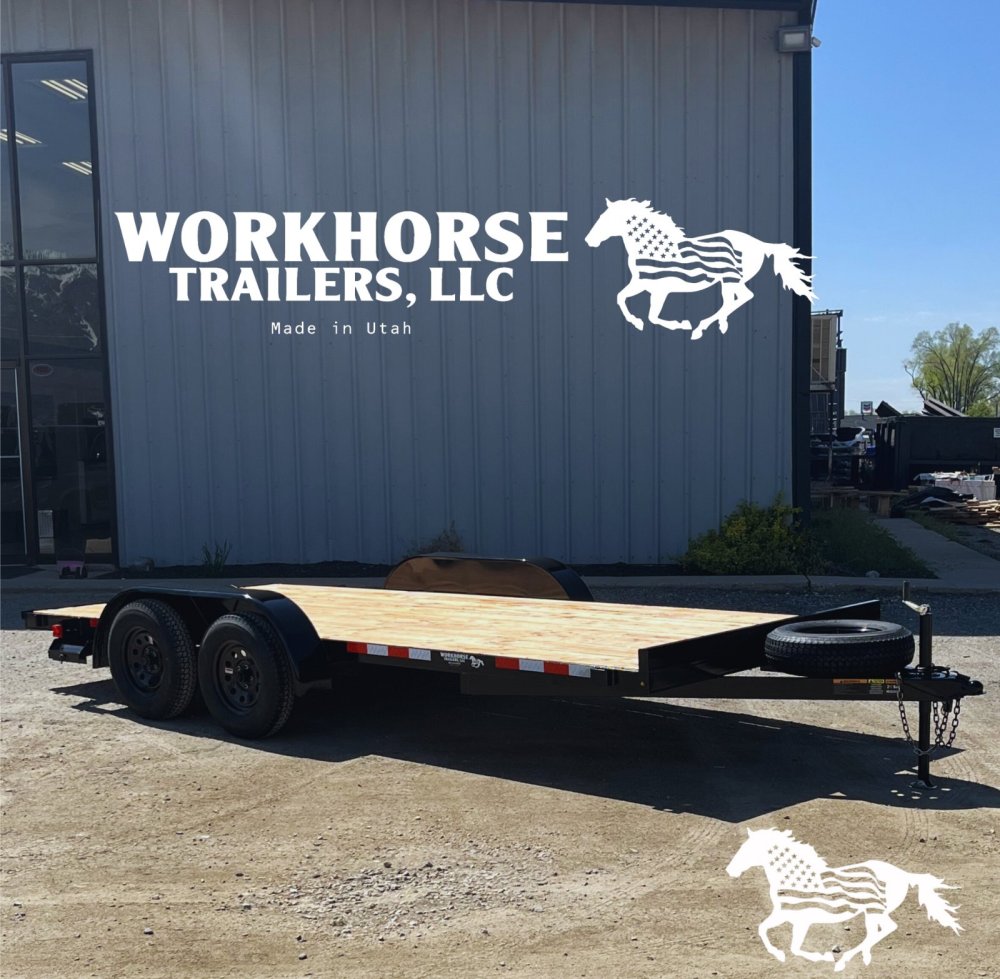
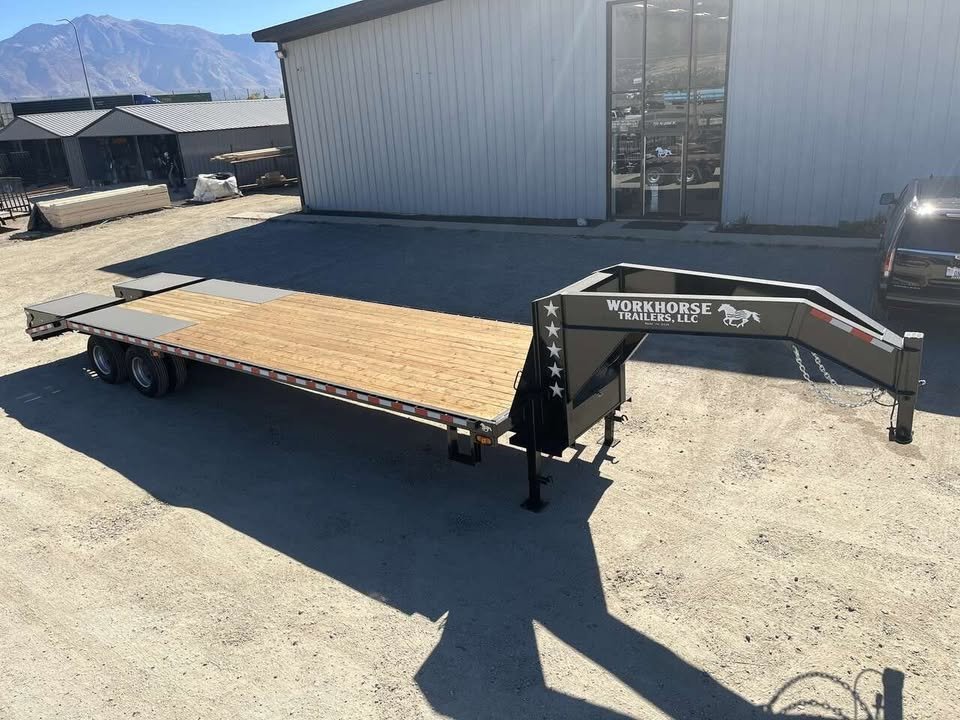
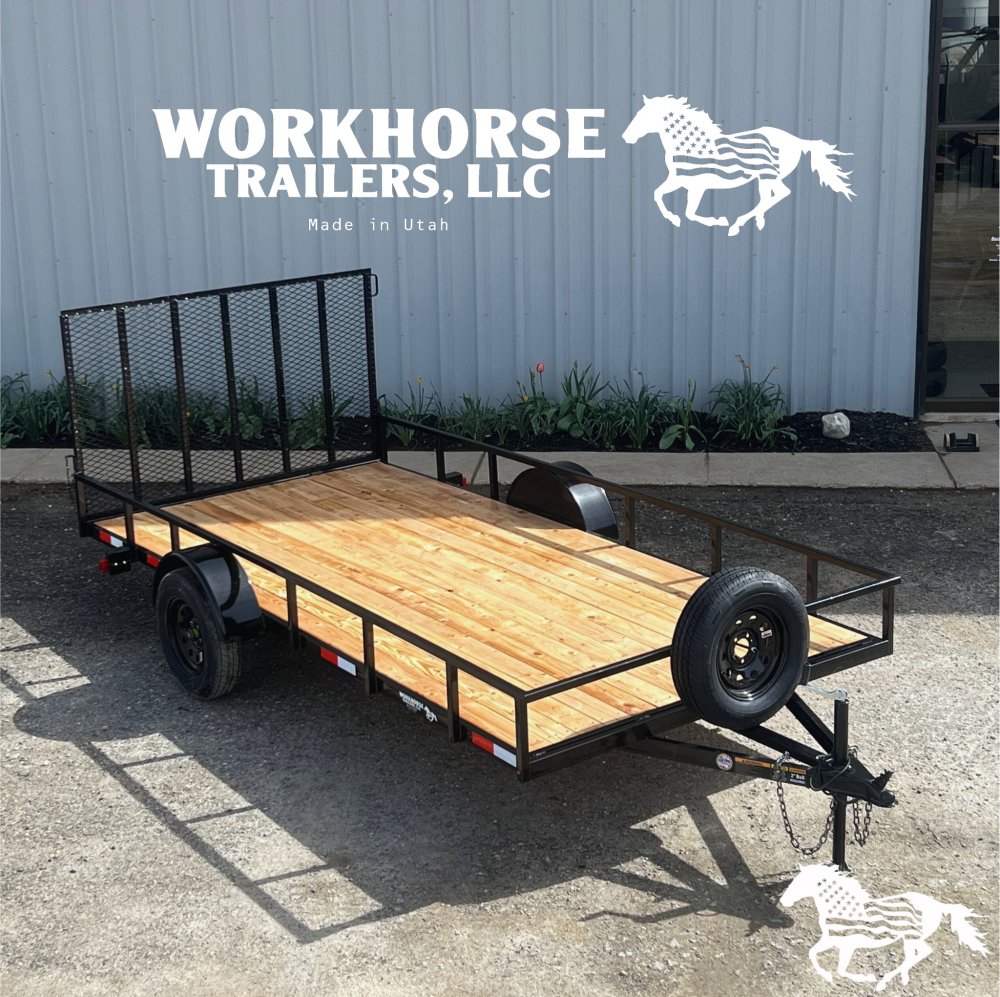
Murray Equipment Hauler Trailers
All locationsEquipment hauler trailers serve as critical infrastructure for Murray’s diverse industrial base, enabling businesses to transport heavy machinery, construction tools, and specialized equipment essential to daily operations. The city’s commercial sectors spanning manufacturing, construction, landscaping, and service industries generate continuous demand for robust hauling solutions capable of moving loads that standard trailers cannot accommodate. These purpose-built platforms handle everything from compact excavators to industrial generators, providing businesses with transportation independence that eliminates costly dependencies on specialized moving services while maintaining operational flexibility.
Murray’s position within the Salt Lake Valley creates unique advantages for equipment-based businesses requiring frequent machinery movement between project sites, storage facilities, and maintenance centers. The extensive road network connecting Murray to surrounding communities enables efficient equipment deployment, while local zoning supports commercial operations that rely on heavy equipment. Businesses investing in quality equipment hauler trailers gain competitive advantages through improved response times, reduced transportation costs, and the ability to accept projects requiring immediate equipment mobilization that companies lacking dedicated hauling capacity cannot pursue.
Defining Equipment Hauler Specifications
Equipment hauler trailers distinguish themselves through reinforced structural engineering designed to withstand concentrated loads from heavy machinery. Unlike general utility trailers where cargo distributes relatively evenly across deck surfaces, equipment haulers must support point loads where entire machine weights concentrate on small contact patches under wheels or tracks. Frame construction typically employs heavy-gauge steel I-beams or thick-walled rectangular tubing arranged to transfer loads directly into axle mounting points, preventing frame flexing that would indicate inadequate structural capacity.
Deck capacity ratings on equipment haulers reflect both distributed load limits and concentrated load specifications accounting for real-world machinery characteristics. A trailer rated for 14,000 pounds total capacity might specify maximum point loads of 3,000 pounds per square foot, ensuring adequate strength where compact excavator tracks or forklift wheels concentrate weight. Understanding these specifications prevents overloading that could cause deck failure, frame damage, or dangerous handling characteristics during transport when structural limits are exceeded.
Axle configurations on equipment haulers employ tandem or triple arrangements distributing substantial weights across multiple wheels and tires. Single-axle designs prove inadequate for serious equipment hauling due to capacity limitations around 3,500 pounds that many machines exceed individually. Tandem-axle systems rated between 10,000 and 14,000 pounds handle most compact construction equipment, while triple-axle configurations extending beyond 20,000 pounds accommodate larger machinery approaching commercial transport weights.
Construction Industry Equipment Movement
Excavation contractors throughout Murray depend on equipment haulers for mobilizing mini excavators, track loaders, and trenching machines between residential developments, commercial projects, and municipal infrastructure work. These compact but heavy machines perform essential earthmoving tasks while requiring specialized transport due to track configurations and weights exceeding standard trailer capacities. Owning dedicated hauling equipment allows contractors to maintain flexible schedules, relocating machinery as project phases dictate rather than waiting for rental company deliveries or paying premium fees for expedited service.
Concrete placement specialists transport power screeds, laser leveling systems, ride-on trowels, and compaction equipment supporting flatwork operations. Modern concrete finishing machinery represents substantial capital investments that contractors protect carefully during transport. When investigatingMurray Equipment Hauler Trailers, concrete professionals prioritize smooth-riding suspension systems and secure tie-down provisions that minimize vibration potentially damaging sensitive electronic leveling controls or hydraulic systems.
Demolition and deconstruction operations require moving breakers, crushers, material handlers, and debris removal equipment to sites throughout the region. The rugged nature of demolition work means equipment arrives at trailers dirty, potentially damaged, and requiring robust deck surfaces that withstand abuse from sharp debris and heavy impacts. Steel deck plating proves more appropriate than wood for these demanding applications where deck longevity under harsh conditions justifies the weight penalty and higher initial investment.
Landscaping and Grounds Maintenance Applications
Commercial landscaping companies operating throughout Murray’s business parks, residential communities, and municipal properties transport diverse equipment including stand-on mowers, skid steers, aerators, and utility vehicles between maintenance locations. Daily loading and unloading cycles demand durable ramp systems that withstand repeated use without bending, breaking, or developing unsafe wear. Fold-down ramp gates integrated into trailer designs provide convenient access while containing equipment during highway transport, eliminating separate ramp components that could be misplaced or stolen.
Tree service professionals haul wood chippers, stump grinders, log splitters, and aerial lift equipment supporting arboriculture operations. These specialized machines feature unusual dimensions and weight distributions challenging conventional trailer designs. Chippers with extended feed chutes require additional deck length beyond machine wheelbases, while stump grinders concentrate extreme weights on small footprints demanding reinforced deck areas. Custom tie-down strategies secure irregularly shaped equipment that defies standard restraint approaches developed for wheeled vehicles.
Irrigation system installers move trenchers, boring machines, pipe threading equipment, and compaction tools between installation sites. The combination of heavy mechanical equipment and delicate electronic controls requires careful handling during transport to prevent damage affecting operational performance. Equipment haulers with integrated toolbox storage keep sensitive control modules and testing instruments secured separately from heavy machinery, protecting electronics from impacts and vibration that could cause calibration drift or component failures.
Agricultural Equipment Transportation
Farm operations surrounding Murray utilize equipment haulers for relocating tractors, implements, hay equipment, and specialty agricultural machinery between fields, storage facilities, and dealer service departments. Compact tractors popular on smaller acreages fit comfortably on standard equipment haulers, while larger agricultural tractors may require wide-deck configurations accommodating substantial wheelbases and overall widths. Understanding typical equipment dimensions guides appropriate trailer size selection ensuring adequate deck space without purchasing excessive capacity increasing costs and towing demands unnecessarily.
Livestock handling equipment including portable panels, chutes, sorting systems, and loading ramps transport efficiently on equipment haulers configured with removable side rails containing components during transit. These systems disassemble into manageable sections for transport but require secure containment preventing shifting that could damage expensive galvanized coatings or structural welds. Strategic load positioning maintains weight balance while maximizing the number of components transported per trip, improving efficiency during setup and takedown operations.
Vineyard and orchard equipment including sprayers, pruning platforms, and harvesting machinery require specialized transport addressing unusual configurations and delicate components. These agricultural machines often feature extended booms, hydraulic systems with multiple articulation points, and attachments that must be secured individually to prevent damage during transport. Equipment hauler operators serving agricultural clients develop expertise in securing diverse machinery types, maintaining reputations for damage-free transportation that agricultural producers value when entrusting expensive equipment to third-party haulers.
Industrial Manufacturing and Production Equipment
Machine shops and fabrication facilities relocate CNC equipment, mills, lathes, and precision tools between facilities or to service centers for calibration and repair. These valuable production machines demand careful handling during loading and transport to maintain accuracy specifications. Equipment haulers with smooth-riding suspension systems and vibration-dampening features protect precision machinery from shock loading that could affect calibration, requiring expensive re-certification before returning to service.
Material handling equipment including forklifts, pallet jacks, and powered lift tables move regularly between warehouses, distribution centers, and temporary event locations requiring equipment rentals. Forklift transport presents unique challenges due to weight concentrated on small wheel contact patches and counterbalance designs creating unusual weight distributions. Deck reinforcement under anticipated wheel positions prevents surface damage while proper tie-down attachment to chassis rather than mast components ensures secure restraint without stressing mechanical systems.
Packaging and processing machinery transported between food service facilities, bottling operations, and packaging centers requires contamination-free handling maintaining sanitary standards. Equipment haulers serving food industry clients often incorporate washable deck surfaces and enclosed designs preventing dust and debris exposure during transport. The specialized requirements create market niches for transporters demonstrating food safety knowledge and maintaining equipment meeting industry sanitation expectations.
Rental Fleet Operations
Equipment rental companies base business models on efficient machinery circulation between central yards and customer locations throughout Murray and surrounding areas. Fleet utilization rates directly correlate with transportation efficiency, as equipment sitting on trailers awaiting delivery generates no rental revenue. Company-owned equipment haulers eliminate third-party logistics costs while maintaining complete control over delivery schedules, ensuring machinery reaches customers when promised rather than depending on external haulers with competing priorities.
Customer delivery services included with rental agreements create competitive advantages over rivals requiring customers to arrange their own equipment transport. Many renters lack appropriate tow vehicles or trailer experience, making delivery services essential rather than optional amenities. The convenience factor attracts customers willing to pay premium rental rates for full-service experiences including delivery, setup instruction, and pickup upon rental completion.
Return logistics for damaged or non-functional equipment require haulers capable of loading machines regardless of operational status. Winches become essential equipment for rental operations since returned machinery may have mechanical failures, dead batteries, or damage preventing self-loading. Electric winches with adequate pulling capacity handle these challenging recoveries, protecting revenue by quickly returning equipment to service following repairs rather than leaving disabled machines stranded at customer locations.
Ramp Design and Loading Systems
Hydraulic dovetail mechanisms represent premium loading solutions utilizing powered cylinders to lower rear deck sections creating ground-level loading surfaces. This sophisticated approach eliminates separate ramps entirely while accommodating extremely low-clearance equipment that would contact traditional ramps regardless of length or angle. The button-activated operation allows single-person loading operations without manual ramp handling, improving efficiency while reducing physical demands on operators completing multiple loading cycles daily.
Slide-in ramp designs store within trailer frame channels when not in use, deploying by sliding outward then rotating into loading position. The integrated storage prevents ramp loss or theft while maintaining clean trailer profiles during highway transport without protruding components creating wind resistance or snagging hazards. Quality slide ramp systems incorporate spring assists or gas cylinders easing deployment and stowing, making single-person operation practical even with heavy-duty ramps capable of supporting substantial equipment weights.
Bi-fold ramp configurations extend length while maintaining reasonable stowed dimensions through center hinge points allowing ramps to fold back on themselves. The extended reach creates gentler approach angles particularly valuable when loading heavy equipment where steep ramps create traction challenges for operators maintaining control during ascent. Reinforced hinge mechanisms and safety chains prevent ramp collapse if hinge pins fail, protecting operators and equipment from accidents caused by mechanical failures.
Deck Surface Material Considerations
Pressure-treated lumber decking provides traditional surfaces combining reasonable costs with adequate durability for general equipment hauling. The natural grip of wood assists traction during loading while allowing straightforward repairs when individual boards sustain damage from dropped implements or concentrated loads. Periodic maintenance including re-sealing and damaged board replacement extends deck life considerably, making wood economical for operations willing to invest modest effort in preventive care.
Diamond plate steel delivers maximum longevity in commercial applications where abrasive materials, sharp edges, and heavy repeated loading would quickly destroy softer deck surfaces. The raised diamond pattern provides traction while allowing debris and moisture to drain rather than pooling on smooth surfaces. Steel’s substantial weight reduces available payload capacity, requiring careful evaluation whether durability benefits justify the weight penalty for specific operational requirements and typical load characteristics.
Composite deck materials engineered from recycled plastics and wood fibers combine benefits of both traditional options while addressing weaknesses. These advanced surfaces resist moisture absorption preventing rot, require no periodic sealing or painting, and provide excellent traction without the weight penalty of steel. Higher initial costs compared to wood prove economical through extended replacement intervals and eliminated maintenance, particularly for operations in harsh climates where moisture and temperature extremes challenge traditional materials.
Securing Heavy Equipment Properly
Chain grade specifications determine safe working loads with Grade 70 transport chain representing minimum standards for serious equipment hauling. Lower-grade chains including proof coil or Grade 30 lack adequate strength for equipment transport, risking failures under dynamic loading during highway travel. Quality 3/8-inch Grade 70 chain features working load limits around 3,150 pounds per leg, providing appropriate capacity for securing machines when using proper four-point restraint systems distributing loads across multiple attachment points.
Ratchet binder tensioning devices provide mechanical advantage applying proper chain tension without excessive manual effort potentially causing operator injury. These lever-operated tools tighten chains to specifications preventing equipment movement while avoiding over-tensioning that could damage machinery or create dangerous stored energy. Proper binder operation includes understanding load ratings, maintaining equipment in good condition, and using safety latches preventing accidental release during transport.
Attachment point selection on equipment requires identifying structural mounting locations capable of withstanding restraint forces without damage. Attaching chains to fragile components including hydraulic cylinders, sheet metal panels, or electrical conduits risks equipment damage and insecure restraint. Operators should target frame rails, axle components, or designated lifting points when securing machinery, consulting equipment manuals if uncertainty exists about appropriate attachment locations.
Brake Systems for Heavy Loads
Electric-over-hydraulic brake systems provide stopping power appropriate for heavily loaded equipment haulers through electrically activated hydraulic actuators controlling wheel cylinders. This hybrid approach combines convenient electric brake controller operation with hydraulic force multiplication delivering braking capacity exceeding pure electric systems. The technology suits equipment haulers routinely operating near maximum gross vehicle weight ratings where adequate stopping power becomes critical for safety and legal compliance.
Breakaway brake activation systems provide emergency stopping if trailers separate from tow vehicles during travel. Battery-powered controllers detect separation when safety cables pull free, automatically applying maximum braking bringing trailers to controlled stops. Regular battery testing and system inspection ensures functionality when needed, as neglected systems may have dead batteries or corroded connections preventing activation during actual emergencies.
Downhill braking strategies on mountain routes common around Murray require understanding weight distribution, brake capacity limitations, and proper technique preventing brake overheating. Engine braking in tow vehicles combined with trailer brake controller manual activation distributes braking effort across all available systems, preventing overreliance on tow vehicle brakes alone that could overheat during extended descents. Selecting lower gears and maintaining moderate speeds prevents situations where braking systems become overwhelmed creating dangerous loss of control.
Suspension System Technologies
Leaf spring suspension systems provide time-tested reliability through simple designs using layered steel springs supporting axle loads. The progressive spring rates increase resistance as loads compress springs, providing soft rides empty while supporting heavy loads without excessive deflection. Maintenance requirements include periodic spring eye bushing replacement and U-bolt torque verification, with properly maintained leaf springs delivering decades of service despite their mechanical simplicity.
Torsion axle suspension designs eliminate leaf springs through independent rubber-encased suspension elements twisting to absorb impacts. The independent wheel action improves ride quality and reduces frame stress compared to solid axle designs, while maintenance requirements decrease through elimination of grease fittings and pivot bushings. Initial cost premiums over leaf spring systems prove worthwhile for operations prioritizing smooth rides protecting sensitive equipment or reducing frame fatigue extending trailer structural life.
Air ride suspension systems provide adjustable ride height and superior load cushioning through pneumatic springs replacing conventional steel springs. The ability to raise and lower trailers facilitates loading at various dock heights while air cushioning protects delicate equipment from road shock. Complexity and cost limit air suspension to premium applications where ride quality justifies investment, though reliability has improved substantially as technology matures.
Electrical System Integration
Seven-way electrical connectors provide standard interfaces between tow vehicles and equipment hauler lighting, brake controllers, and auxiliary circuits. The additional circuits beyond basic four-wire connections support electric brakes, reverse lights, and battery charging maintaining trailer battery systems during travel. Proper connector maintenance including periodic cleaning and dielectric grease application prevents corrosion that creates intermittent connections causing lighting failures or brake malfunctions.
LED marker and clearance lights mounted along trailer sides and at corners enhance visibility while complying with width-based lighting requirements. Wider equipment haulers approaching or exceeding 80 inches require additional lighting beyond basic tail and brake lights, ensuring surrounding traffic accurately perceives trailer dimensions. LED technology provides superior visibility compared to incandescent alternatives while drawing less current and withstanding vibration better, making upgrades worthwhile even on older trailers originally equipped with conventional bulbs.
Battery isolation systems prevent parasitic current draws from depleting tow vehicle batteries when trailers remain connected during parking. These automated devices disconnect trailer electrical systems when tow vehicle engines stop, preventing scenarios where trailer lighting or accessory circuits drain vehicle batteries overnight. The simple installation and modest cost provide insurance against frustrating dead battery situations disrupting departure schedules.
Maintenance Programs for Commercial Use
Preventive maintenance scheduling based on operating hours or mileage intervals prevents unexpected failures interrupting business operations. Commercial equipment haulers experiencing daily use require more aggressive service schedules compared to recreational trailers seeing occasional weekend use. Establishing inspection routines at appropriate intervals catches developing problems early when repairs cost less than emergency breakdowns requiring expensive roadside service and causing customer delivery delays damaging reputations.
Component replacement using quality parts from reputable manufacturers ensures reliable continued service compared to generic alternatives potentially failing prematurely. Bearings, seals, brake components, and suspension parts should meet or exceed original equipment specifications rather than accepting inferior substitutes saving marginal costs. The slight upfront savings from cheap parts proves false economy when premature failures create expenses many times greater than quality component price premiums.
Documentation systems tracking maintenance history, repairs, and component replacements provide valuable information guiding future service decisions while supporting resale value. Prospective buyers of used equipment haulers pay premiums for well-documented maintenance histories demonstrating responsible ownership. The records also help identify recurring problems suggesting design weaknesses or abuse patterns requiring operational changes preventing continued expensive repairs.
Weather Protection and Environmental Factors
Corrosion prevention through regular cleaning removes road salt, mud, and debris that trap moisture against metal surfaces promoting rust formation. Winter operation in Murray where road salt application creates harsh environments demands proactive cleaning particularly on trailer undersides and frame members hidden from casual observation. Pressure washing after salt exposure prevents accelerated deterioration that could compromise structural integrity within surprisingly short timeframes when aggressive corrosion remains unchecked.
Paint touch-up procedures applied promptly when chips or scratches expose bare metal prevent rust from establishing and spreading beneath surrounding paint. Small damaged areas addressed quickly with appropriate touch-up paint cost pennies while neglected chips allow extensive rust requiring expensive surface preparation and repainting. Establishing habits of immediate touch-up when damage occurs maintains protective coatings indefinitely through modest ongoing effort.
Storage considerations for equipment haulers not in constant use should address weather exposure minimizing UV degradation of tires, seals, and painted surfaces. Covered storage under roofs or tarps extends component life substantially compared to continuous outdoor exposure, though even simple covers provide meaningful protection. Tire covers preventing UV exposure significantly extend tire life by preventing sidewall cracking that forces replacement despite adequate remaining tread depth.
Selecting Appropriate Tow Vehicles
Towing capacity matching requires tow vehicles rated substantially above loaded trailer weights accounting for both gross vehicle weight rating and tongue weight specifications. Published towing capacities assume optimal conditions and proper equipment, with real-world capabilities potentially lower when towing in mountains, high temperatures, or when tow vehicles carry significant cargo. Conservative capacity margins ensure safe, controlled operation without stressing tow vehicle drivetrains, brakes, or cooling systems beyond design parameters.
Transmission cooling upgrades benefit tow vehicles regularly pulling loaded equipment haulers, particularly in mountainous terrain surrounding Murray. Factory cooling systems adequate for unloaded vehicle operation often prove marginal when towing capacity loads, with sustained towing generating heat that could damage expensive transmissions. Supplemental transmission coolers provide insurance to prevent overheating while improving reliability during demanding towing conditions encountered throughout typical use.
Weight-distributing hitch systems help maintain proper tow vehicle geometry when tongue weights approach maximum ratings, redistributing weight from rear axles forward improving steering control and braking effectiveness. These sophisticated hitches use spring bars transferring weight to tow vehicle front axles and trailer axles, preventing rear-heavy weight distribution that degrades handling. The improved weight distribution also reduces headlight aim changes caused by rear suspension squat under heavy tongue loads.
Legal Compliance and Operation
Permit requirements for oversized loads exceeding standard width, height, or length limitations vary by jurisdiction with Utah maintaining specific thresholds triggering permit obligations. Equipment haulers loaded with machinery extending beyond deck edges may require oversize permits depending on total dimensions. Understanding applicable regulations before transport prevents citations and allows planning routes avoiding restricted roads where oversized loads face prohibitions.
Bridge formula compliance ensures axle loading remains within legal limits protecting infrastructure from damage while maintaining safe operation. The federal bridge formula establishes maximum weights based on axle spacing preventing concentrated loads that stress bridges beyond design parameters. Equipment haulers with adjustable axle positions allow optimizing spacing for specific loads, maintaining legal compliance while maximizing practical payload capacity.
Hours of service regulations affect commercial equipment hauling operations when drivers exceed threshold weights or transport for compensation. Understanding when commercial driver’s license requirements apply prevents violations while ensuring proper insurance coverage exists for commercial operations. Many small equipment transport businesses operate under exemptions, but growth or expanded service offerings may trigger regulatory requirements necessitating licensing and compliance infrastructure.
Investment Analysis and Returns
Purchase price comparisons between equipment haulers and ongoing rental costs reveal ownership advantages for regular users. Annual rental expenses often equal new trailer purchase prices, making ownership economically justified within single years of frequent use. Owned trailers remain available for spontaneous needs without reservation requirements while avoiding rental rate increases or availability issues during peak demand periods.
Productivity improvements from owned equipment haulers enable accepting projects or maintaining schedules impossible when dependent on rental availability or third-party transport services. Contractors bidding jobs can commit to tight schedules knowing equipment mobilization depends solely on their decisions rather than external logistics. The competitive advantages and expanded capabilities often generate revenue substantially exceeding trailer costs within relatively short ownership periods.
Resale value retention on quality equipment haulers recovers significant portions of original investments when upgrading or exiting equipment-based businesses. Well-maintained trailers from reputable manufacturers find ready buyers in robust used trailer markets, particularly for capacity ranges serving popular equipment types. Maintenance documentation and evidence of responsible use maximize resale prices, treating quality trailers as appreciating business assets rather than pure expense items.