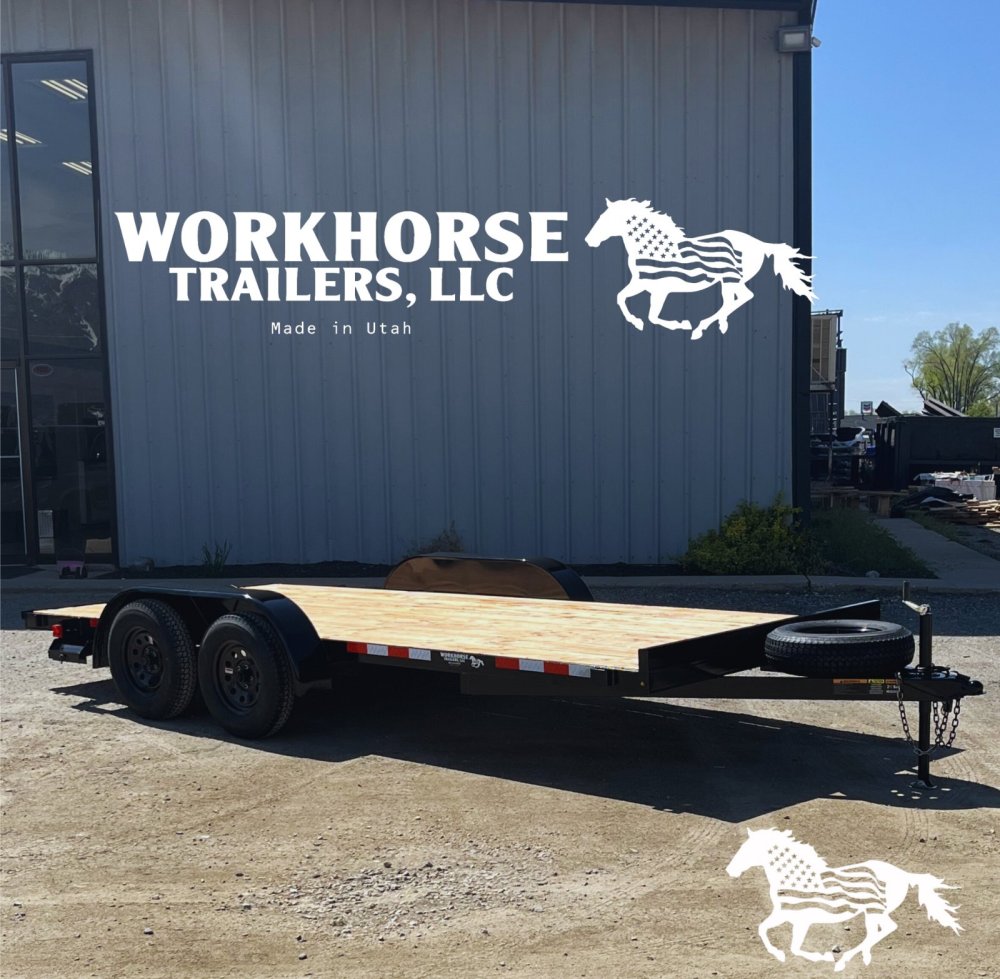
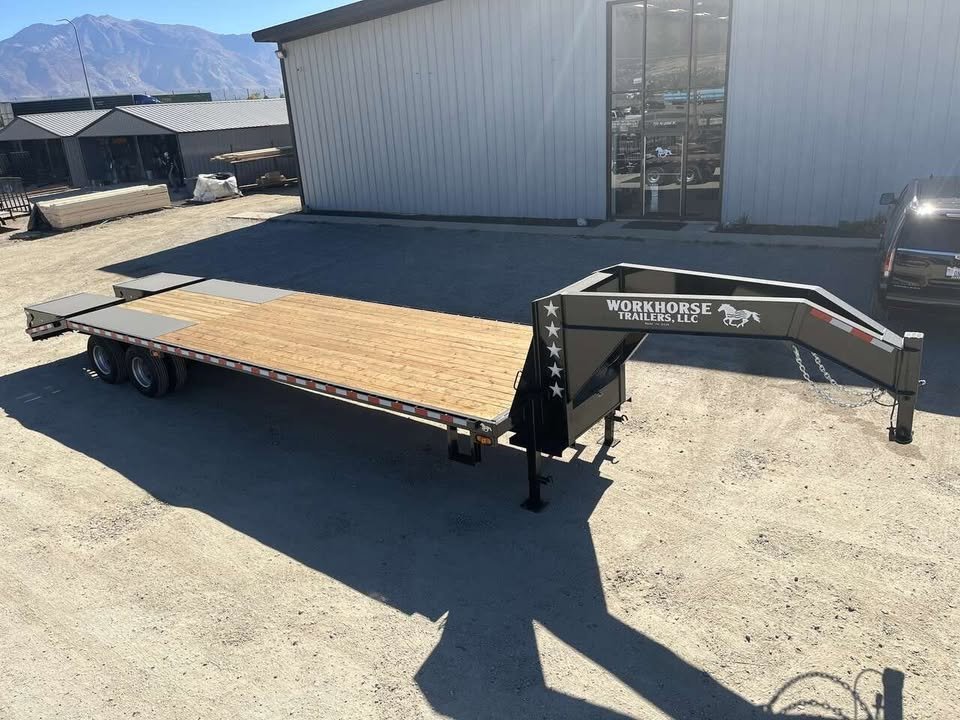
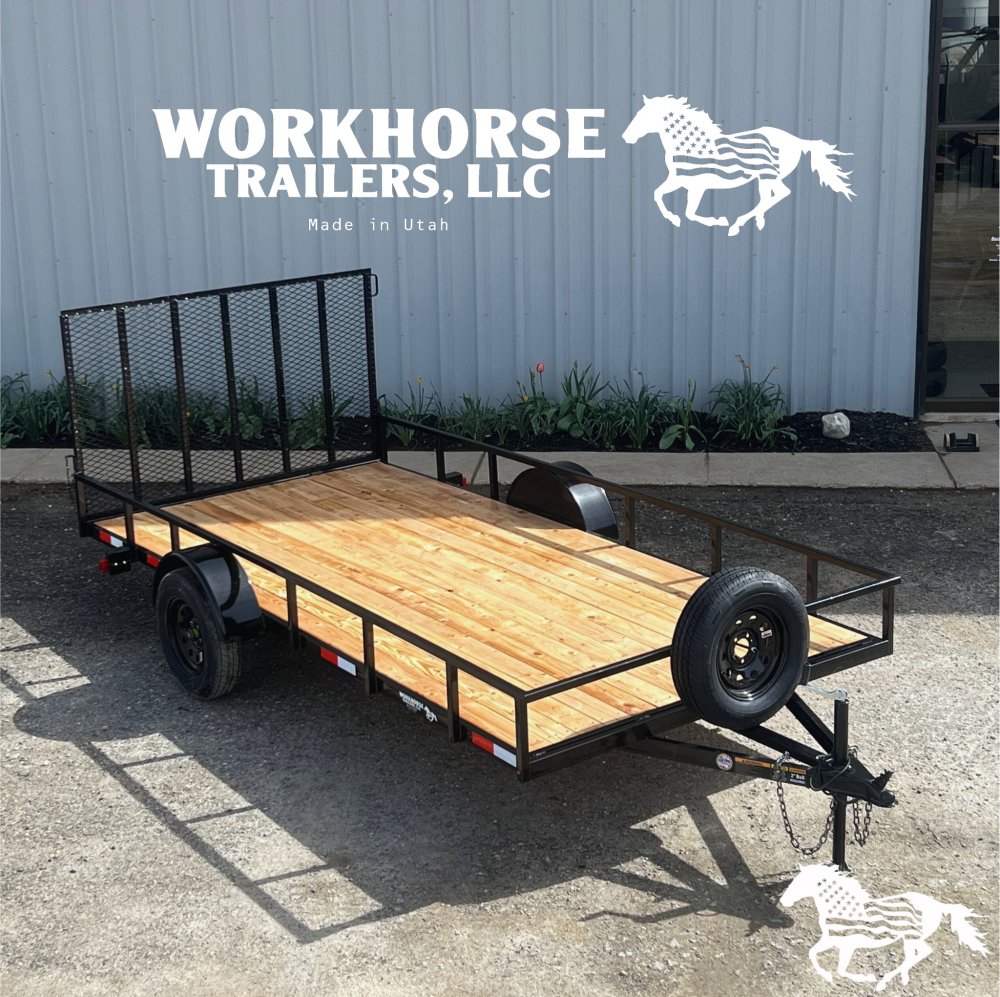
Murray Custom Builds Trailers
All locationsCustom trailer fabrication represents the ultimate solution for Murray businesses and individuals facing unique hauling challenges that standardized equipment cannot address. When operational requirements demand specialized dimensions, integrated systems, or unique functionality that catalog offerings cannot provide, custom builds deliver purpose-engineered solutions matching exact specifications. Murray’s diverse economic landscape spanning technology startups, established manufacturing operations, outdoor recreation businesses, and specialized service providers creates constant demand for innovative trailer solutions that standard manufacturers never envisioned during their design processes.
The decision to commission custom trailer fabrication stems from recognizing that forcing unique requirements into generic designs creates inefficiencies, safety concerns, and operational limitations that compromise business effectiveness. Whether accommodating proprietary equipment, creating mobile platforms for specialized services, or developing integrated systems supporting specific workflows, custom builds eliminate the compromises inherent when attempting to adapt standard trailers to exceptional applications. Understanding the custom fabrication process, realistic investment requirements, and design optimization principles empowers Murray operators to transform conceptual requirements into tangible assets delivering exceptional value throughout years of specialized service.
Initial Consultation and Requirements Analysis
Professional fabricators begin custom projects through comprehensive consultations exploring intended applications, operational constraints, and performance expectations that standard trailers cannot satisfy. Experienced builders ask detailed questions about typical loads, environmental exposure, frequency of use, and workflow integration that clients might not recognize as critical design factors. This investigative phase reveals unstated assumptions and identifies potential challenges before fabrication begins, preventing costly mid-project changes when builders discover requirements that fundamentally affect design approaches.
Load analysis examines cargo characteristics including dimensions, weights, securing requirements, and special handling needs that standard trailer designs cannot accommodate. Custom builds serve operations transporting oversized components, irregularly shaped equipment, or items requiring specialized mounting systems that catalog trailers lack. Detailed load documentation allows engineers calculating exact structural requirements, selecting appropriate materials, and designing frames providing adequate capacity without excessive overbuilding that wastes resources.
Operational environment assessment addresses exposure conditions including climate extremes, corrosive atmospheres, rough terrain, or specialized use scenarios that demand material selections and construction approaches beyond standard specifications. Murray businesses operating in challenging environments require trailers withstanding conditions that would quickly destroy conventional equipment. Custom fabrication allows specifying corrosion-resistant materials, reinforced structures, and protective systems matching specific operational demands.
Specialized Business Application Development
Technology companies throughout Murray commission custom trailers as mobile demonstration platforms, portable data centers, and traveling showrooms showcasing products to clients across regional markets. These sophisticated builds integrate power systems, climate control, audiovisual equipment, and network infrastructure creating professional presentation environments rivaling permanent facilities. Interior layouts reflect specific demonstration workflows with equipment staging areas, client interaction spaces, and technical support stations positioned for optimal functionality.
Healthcare and medical service providers develop mobile clinic trailers bringing diagnostic capabilities, treatment facilities, and patient care services to underserved areas or emergency response situations. Custom medical builds navigate complex regulatory requirements while incorporating specialized systems including medical gas supplies, contamination control, equipment sterilization, and accessibility features serving patients with mobility limitations. When researchingMurray Custom Builds Trailers, healthcare organizations prioritize builders demonstrating regulatory compliance knowledge and understanding sterile environment requirements essential for medical applications.
Entertainment and event production companies utilize custom trailers as mobile control rooms, equipment transport, and backstage support facilities for concerts, festivals, and corporate events. These specialized platforms incorporate robust electrical systems supporting audio and lighting equipment, secure storage for expensive gear, and workspace for technical crews managing complex productions. Interior configurations reflect specific production workflows with equipment racks, control positions, and storage designed around particular inventory and operational procedures.
Industrial Manufacturing Equipment Transport
Precision machinery relocation between facilities, service centers, or installation sites requires custom trailers addressing unique equipment dimensions and handling requirements. CNC machines, injection molding equipment, and specialized production tools represent enormous investments demanding protection during transport. Custom fabricators design suspension systems, mounting provisions, and securing methods preventing vibration transmission that could knock precision equipment out of calibration requiring expensive recertification.
Oversized component transport serves manufacturers producing large assemblies, structural elements, or specialized products exceeding standard trailer dimensions. Custom wide-body trailers, extended-length platforms, or reinforced decks accommodate these challenging loads within legal operating parameters. Engineering analysis ensures structures handle concentrated loads without excessive deflection while maintaining appropriate weight distribution across axle systems.
Temperature-sensitive manufacturing materials including certain polymers, adhesives, or chemical compounds require climate-controlled transport maintaining specific temperature ranges during movement between production facilities and end users. Custom insulated trailers with active heating and cooling systems protect valuable materials from degradation, ensuring products arrive in optimal condition for manufacturing processes or customer applications.
Recreational and Adventure Platform Creation
Overland expedition trailers designed for extended off-grid travel integrate living accommodations, equipment storage, and self-sufficiency systems supporting months-long adventures through remote regions. Custom builds incorporate solar power arrays, water purification systems, robust suspension for extreme terrain, and equipment mounting for recovery gear and spare parts. These platforms enable enthusiasts pursuing ambitious journeys far beyond the capabilities of standard recreational vehicles.
Adventure sports teams commission custom trailers transporting specialized equipment for rock climbing, mountain biking, kayaking, or winter sports. Interior layouts feature equipment-specific storage systems, maintenance workspaces, and staging areas supporting competition or expedition logistics. Exterior mounting systems carry boats, bikes, or climbing gear while maintaining aerodynamics and legal width compliance during highway transport.
Mobile workshop platforms serve craftspeople, artisans, and specialty fabricators conducting demonstrations, teaching workshops, or providing on-site services at events and festivals. These self-contained studios incorporate tools, materials storage, work surfaces, and display areas within weatherproof enclosures. Power systems, lighting, and ventilation create functional work environments enabling productive operation regardless of event location infrastructure.
Advanced Material Selection Strategies
Exotic alloys and composite materials serve applications requiring extreme strength-to-weight ratios, corrosion immunity, or specialized mechanical properties unavailable from conventional steel or aluminum. Titanium components, carbon fiber panels, or aerospace-grade aluminum deliver performance justifying premium costs when applications genuinely require these advanced materials. Custom fabricators advise clients on material appropriateness, ensuring expensive options provide measurable benefits rather than representing unnecessary extravagance.
Hybrid construction approaches combine multiple materials optimizing each component’s specific requirements rather than using single materials universally. Strategic steel placement provides structural strength where loads concentrate, while aluminum skin panels reduce overall weight and resist corrosion. Composite materials in specialized areas resist chemicals, provide electrical insulation, or deliver properties that metal alternatives cannot match.
Protective coatings and surface treatments extend component life in harsh environments through ceramic coatings, powder coating systems, or specialized galvanizing processes. Murray businesses operating in corrosive atmospheres, extreme temperatures, or abrasive conditions benefit from advanced surface protection that conventional paint cannot provide. The investment in superior finishes proves economical through extended service intervals and delayed component replacement compared to inadequately protected alternatives.
Sophisticated Electrical System Integration
High-amperage electrical systems support demanding applications requiring substantial power for refrigeration, climate control, specialized equipment, or manufacturing processes. Custom electrical engineering sizes generator capacity, battery banks, inverter systems, and distribution panels for specific load profiles rather than generic estimates. Professional installations incorporate proper circuit protection, load management, and safety systems meeting electrical code requirements while ensuring reliable operation.
Renewable energy integration through solar arrays, wind generators, or hybrid systems provides sustainable power generation for extended off-grid operation. Custom installations calculate daily consumption patterns then engineer generation and storage capacity providing energy independence. Mounting systems integrate panels into roof or wall designs maintaining structural integrity and aerodynamics while optimizing solar exposure for typical operating latitudes.
Smart electrical management systems monitor consumption, control load distribution, and optimize power source utilization through automated switching between shore power, generators, and battery reserves. Sophisticated controls maximize efficiency while protecting battery systems from damage through proper charging algorithms and discharge limitations. Remote monitoring capabilities allow operators tracking system performance and identifying developing issues before failures occur.
Comprehensive Plumbing System Design
Potable water systems engineered for extended operation incorporate appropriately sized tanks, pumping systems, filtration, and distribution networks supporting intended applications. Custom builds serving food service, mobile healthcare, or residential applications require substantial water capacity with proper treatment ensuring safety and regulatory compliance. System design accounts for winterization requirements in cold climates, incorporating heated compartments and drain systems preventing freeze damage.
Wastewater management through gray water and black water systems handles discharge according to regulatory requirements and operational scenarios. Mobile food operations incorporate grease traps and appropriate drainage meeting health department standards. Plumbing installations account for trailer movement during transport, using flexible connections and secure mounting preventing leaks from vibration and road shock.
Water treatment and purification systems enable sourcing from uncertain supplies when operating in remote locations or emergency response scenarios. Filtration, UV sterilization, or reverse osmosis systems provide potable water from questionable sources, creating self-sufficiency essential for certain applications. Custom integrations balance treatment capacity against space constraints and power consumption limitations.
Advanced Climate Control Solutions
Variable-capacity HVAC systems adapt output matching actual heating and cooling demands rather than cycling on and off creating temperature swings and energy waste. Modern inverter-driven compressors and variable-speed fans maintain precise temperature control while minimizing power consumption. Professional system sizing accounts for insulation levels, occupancy loads, climate zones, and equipment heat generation ensuring comfortable conditions without excessive energy use.
Multi-zone climate control allows maintaining different temperatures in distinct trailer areas, essential for applications combining temperature-sensitive storage with occupied workspaces. Separate thermostatic controls and ducting enable cooling storage areas while heating crew spaces, or maintaining different conditions for varying cargo requirements within single trailers.
Humidity management prevents condensation damage in enclosed spaces through dehumidification systems or ventilation strategies maintaining appropriate moisture levels. Applications storing sensitive equipment, displaying perishable products, or providing comfortable occupied spaces benefit from active humidity control preventing mold growth, corrosion, and discomfort from excessive moisture.
Specialized Suspension Engineering
Air ride suspension systems provide adjustable ride height and superior load cushioning through pneumatic springs replacing conventional leaf or torsion configurations. The adjustability allows lowering trailers for convenient loading then raising to appropriate travel height, while air cushioning protects delicate cargo from road shock. Custom tuning matches suspension characteristics to specific load profiles and operational requirements.
Independent suspension designs isolate wheel movement improving ride quality and reducing frame stress compared to solid axle arrangements. The complexity and cost prove worthwhile for applications where cargo protection, improved handling, or extreme terrain capability justify investment. Off-road expedition trailers particularly benefit from independent designs maintaining tire contact over obstacles where solid axles would lift wheels.
Active suspension systems incorporating electronic controls and adjustable dampers adapt in real-time to changing load conditions and road surfaces. Sensors monitor trailer motion, load distribution, and road inputs, continuously adjusting damping and spring rates optimizing ride quality and stability. The sophisticated technology serves applications where cargo value or operational requirements justify premium investment in cutting-edge suspension engineering.
Custom Storage and Organization Systems
Modular storage configurations allow reconfiguring interior layouts as operational needs evolve without major reconstruction. Removable panels, adjustable shelving, and versatile mounting systems adapt to changing inventory, different equipment, or modified workflows. This flexibility extends trailer useful life as businesses grow and requirements shift over time.
Specialized equipment cradles and mounting systems secure unique items during transport while allowing quick deployment at work sites. Custom foam-lined compartments, adjustable retention systems, and quick-release mechanisms protect expensive equipment while maintaining accessibility. The engineered solutions prevent damage from vibration and impact while streamlining operational efficiency.
Climate-controlled storage compartments within larger trailers protect temperature-sensitive items, electronics, or materials requiring environmental protection. Insulated sections with independent climate control maintain appropriate conditions for specific inventory while the remainder of the trailer serves different purposes. This compartmentalization optimizes space utilization while accommodating diverse cargo requirements.
Safety System Integration
Fire suppression systems protect high-value cargo and occupied spaces from fire damage through automatic detection and extinguishing. Custom installations select appropriate extinguishing agents matching specific fire risks without damaging sensitive equipment or inventory. Commercial kitchens require hood suppression systems while electronics storage might use clean agent systems preventing collateral damage.
Security system integration including alarms, GPS tracking, and remote monitoring protects valuable trailers and contents from theft. Cellular-connected systems notify owners of unauthorized access, movement, or environmental anomalies enabling rapid response. The layered security approach combines physical barriers, electronic surveillance, and remote monitoring creating comprehensive protection.
Backup and redundancy systems ensure critical functions continue during component failures. Dual power sources, redundant pumps, or backup communication systems prevent single-point failures from compromising operations. Applications where reliability proves essential justify investment in redundant systems providing operational continuity despite equipment problems.
Advanced Fabrication Techniques
Computer-aided design and engineering create precise specifications enabling accurate fabrication while allowing virtual testing before physical construction begins. Three-dimensional modeling reveals clearance issues, identifies interference problems, and allows optimization impossible through traditional drafting. Clients visualize finished trailers during design phases, requesting modifications before expensive fabrication commits designs to physical reality.
CNC fabrication equipment ensures precision cutting, forming, and drilling creating components fitting perfectly during assembly. The accuracy reduces assembly time while improving finished quality compared to manual fabrication methods. Complex geometries and intricate details become practical through automated fabrication processes.
Robotic welding applications on production runs or standardized components ensure consistent quality and proper penetration. While full custom builds may still employ manual welding for unique joints, robotic systems handle repetitive tasks with precision and repeatability exceeding manual capabilities.
Exterior Finish and Protection
Multi-stage paint systems including epoxy primers, color coats, and protective clear coats provide superior durability compared to single-stage applications. The layered approach creates barriers resisting UV degradation, chemical exposure, and physical abrasion. Professional application in controlled environments ensures proper adhesion and curing delivering finishes lasting years without significant deterioration.
Specialty coatings addressing specific challenges including anti-graffiti treatments, chemical-resistant barriers, or extreme temperature protection serve applications facing unusual exposure. Custom specification matches protective systems to actual operational conditions rather than relying on standard approaches that may prove inadequate.
Removable protective films shield high-wear areas during initial service periods or protect during transport to prevent damage before delivery. The films remove cleanly once protection becomes unnecessary, revealing pristine finishes underneath. This approach maintains appearance quality while allowing trailers entering service through challenging conditions.
Project Management and Timeline
Design finalization requiring client approval at multiple checkpoints ensures finished trailers match expectations before fabrication commits resources. Progressive reviews at conceptual design, detailed engineering, and pre-fabrication stages allow refinement without expensive changes during construction. Patient collaboration during design ensures specifications truly match needs and budgets.
Fabrication schedules typically require eight weeks to six months depending on complexity, component lead times, and shop capacity. Simple modifications to proven designs proceed quickly while completely original concepts demand extensive planning. Component availability particularly affects timelines, with custom-ordered axles, specialized equipment, or long-lead materials extending schedules.
Quality control inspections throughout fabrication catch issues early when corrections cost less than problems discovered during final inspection. Progressive verification at frame completion, systems installation, and finish stages ensures builds progress according to specifications. Problems identified early prove far less expensive correcting than issues found after substantial additional work has occurred.
Investment Analysis and Value Proposition
Base pricing for custom trailers starts substantially above comparable catalog models due to engineering time, specialized fabrication, and lack of production economies. Clients should anticipate premiums ranging from 40 to 150 percent above similar-sized standard trailers depending on complexity and customization degree. However, this investment purchases exactly required functionality rather than compromising with close-enough standard options.
Operational efficiency gains through optimized workflows, eliminated workarounds, and perfect equipment fit often generate returns exceeding custom build premiums. Food trucks with ideal kitchen layouts increase order throughput, contractors with perfectly fitted trailers reduce equipment damage, retailers with optimized displays improve sales conversion. These tangible benefits justify initial investments through measurable operational improvements.
Competitive differentiation allows businesses offering unique services or superior customer experiences through purpose-built equipment. Mobile operations demonstrating professionalism, efficiency, and capability through well-designed custom trailers attract premium-paying customers while building reputations within target markets. The marketing value extends beyond functional benefits to brand positioning and market perception.
Financing and Acquisition Strategies
Equipment financing specifically structured for custom trailer purchases accommodates higher values and specialized nature of purpose-built equipment. Lenders experienced with custom fabrication understand value propositions and can structure appropriate terms. Working with knowledgeable lenders simplifies approval processes while ensuring financing terms align with business cash flows.
Progress payment schedules tied to fabrication milestones protect both clients and builders through staged funding as work progresses. Typical structures include deposits securing build slots, payments at major completion points, and final settlements upon delivery. This approach manages risk while ensuring builders maintain adequate cash flow throughout projects.
Lease and lease-to-own arrangements provide alternatives for businesses preferring to preserve capital or uncertain about long-term custom equipment needs. These structures offer flexibility while providing immediate access to specialized equipment. Terms typically include maintenance provisions and upgrade options matching business evolution.
Warranty and Long-Term Support
Comprehensive warranties on custom builds should cover structural integrity, systems function, and workmanship for appropriate periods. Quality builders stand behind their work through multi-year structural warranties and component coverage matching manufacturer specifications. Understanding exact warranty terms prevents disappointment when issues arise requiring attention.
Maintenance training ensures operators understand system operation and routine service requirements maintaining optimal performance. Complex custom builds incorporating specialized systems require operational knowledge preventing damage from improper use. Professional builders provide comprehensive training, detailed manuals, and ongoing technical support.
Parts availability and service support throughout trailer life cycles preserve long-term value and operational reliability. Builders using standard components where possible simplify future maintenance while custom components require documented specifications ensuring replacement availability. This forward planning prevents situations where minor failures create extended downtime awaiting custom parts fabrication.
Selecting Qualified Custom Builders
Portfolio examination reveals builder capabilities and quality standards through completed projects. Clients should request seeing similar builds to intended projects, assessing construction quality, system integration, and finish standards. Physical inspection provides better assessment than photographs alone, revealing details about workmanship and attention to quality.
Reference verification with previous customers provides insights into communication quality, timeline reliability, and problem resolution approaches. Questions should address whether projects completed on schedule, whether budgets held or experienced overruns, and how builders handled inevitable issues arising during complex fabrications. Consistent positive experiences suggest reliable builders worthy of trust.
Technical expertise assessment determines whether builders possess knowledge and capabilities matching project requirements. Simple cargo trailers demand different expertise than complex mobile businesses integrating multiple systems. Matching builder strengths to project requirements ensures successful outcomes rather than forcing builders beyond their competency into unfamiliar territory.
Future-Proofing Custom Investments
Adaptability design allows modifying trailers as business needs evolve without requiring complete reconstruction. Modular systems, accessible mounting points, oversized electrical capacity, and flexible layouts accommodate future changes extending trailer useful life. This forward thinking protects initial investments remaining valuable as operations grow and requirements shift.
Technology integration planning accounts for emerging capabilities and future system upgrades during initial design. Conduit runs, mounting provisions, and electrical capacity exceeding current requirements allow adding capabilities as technology evolves or business needs change. The modest additional investment during construction proves far more economical than retrofit installations requiring major modifications.
Expansion capability through structural design supporting future additions, reinforcement for potential load increases, or provisions for system upgrades maintains relevance as operations scale. Planning for growth during initial design prevents premature obsolescence when businesses outgrow inadequately planned equipment requiring expensive replacements.