
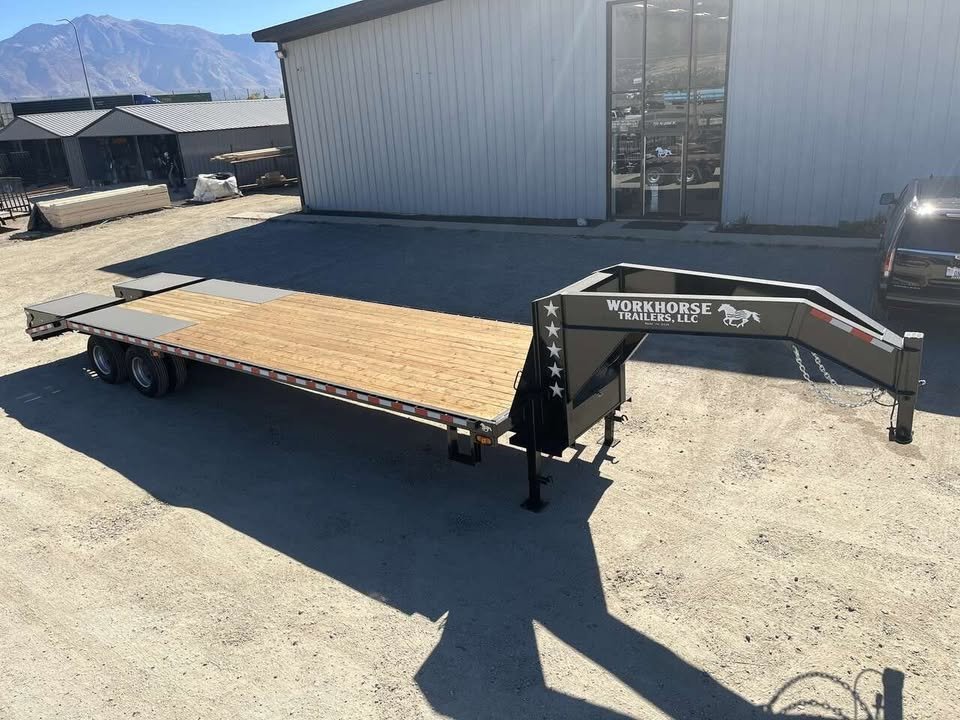
Murray Car Hauler Trailers
All locationsMurray’s thriving automotive culture creates constant demand for specialized car hauler trailers that safely transport valuable vehicles between locations. From classic car enthusiasts maintaining prized collections to professional auto dealers managing inventory movement, the need for reliable vehicle transportation equipment spans the entire automotive spectrum. Car hauler trailers provide essential solutions protecting investments during transit, whether moving vintage automobiles to restoration shops, transporting race cars to competition venues, or delivering newly purchased vehicles to customer locations throughout the greater Salt Lake Valley region.
The automotive marketplace in Murray reflects diverse interests and commercial activities requiring specialized hauling equipment. Local car shows, restoration businesses, dealership operations, and private collections all generate transportation needs that basic utility trailers cannot adequately address. Purpose-built car haulers incorporate features specifically designed for vehicle transport including appropriate deck heights, secure tie-down systems, and structural capacities matching automotive weights. Understanding the range of car hauler options available and matching specific features to intended applications ensures buyers invest in equipment delivering optimal performance throughout years of vehicle transportation service.
Open Car Hauler Fundamentals
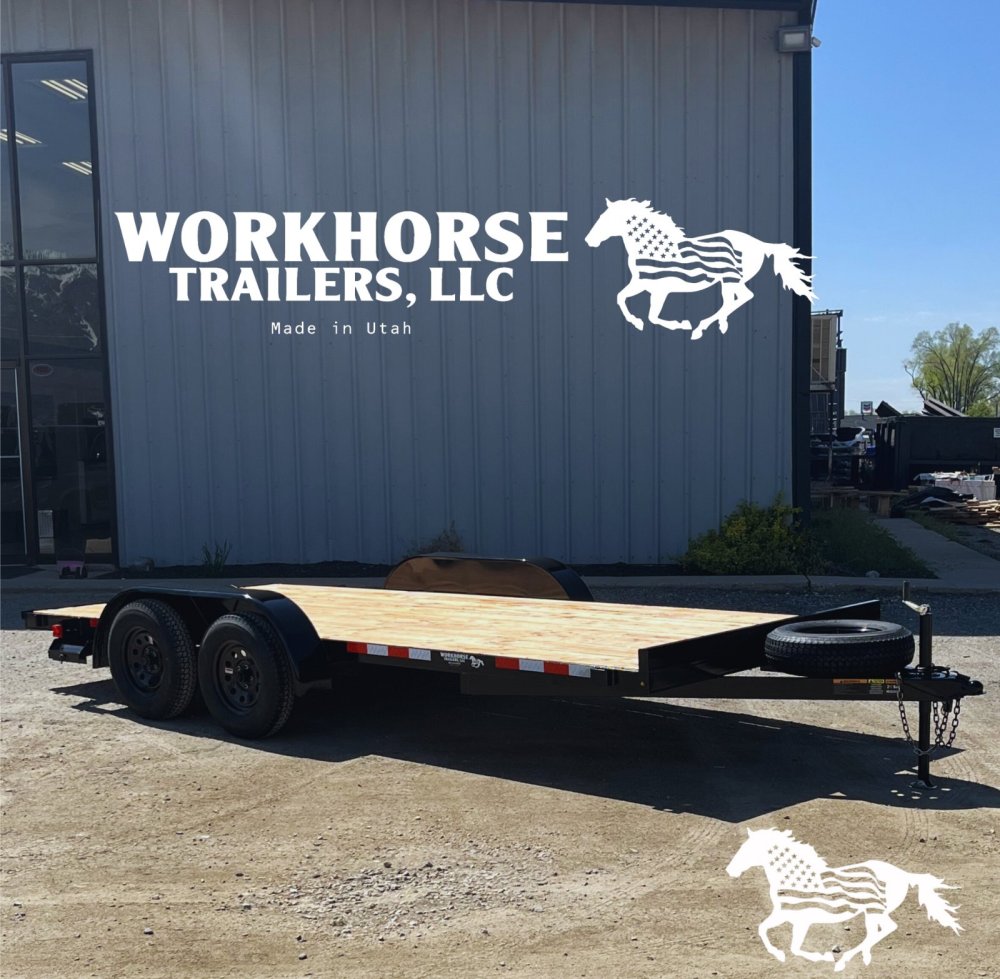
Open car hauler designs provide economical vehicle transportation through straightforward construction eliminating enclosed walls and roofs. The exposed platform approach reduces manufacturing costs, overall weight, and wind resistance during highway travel compared to enclosed alternatives. These practical benefits make open haulers attractive for frequent short-distance transportation where weather protection proves unnecessary and security concerns remain minimal. Local dealers moving inventory between lot locations, enthusiasts transporting project vehicles to nearby shops, and racers hauling competition cars to regional tracks all utilize open haulers effectively.
Deck construction on open car haulers typically features wood planking or steel surfaces providing stable platforms for vehicle tires during transport and tie-down operations. Wood decks offer natural traction and straightforward repair capabilities when damage occurs, while steel surfaces deliver superior longevity for commercial operations involving frequent loading cycles. The deck width must accommodate vehicle track widths with adequate margin preventing tires from rolling off edges during loading, with most haulers featuring widths between 80 and 83 inches handling standard passenger vehicles comfortably.
Ramp systems on open car haulers range from simple fold-down gates to sophisticated hydraulic units that reduce physical effort during deployment. Standard ramps typically extend 60 to 72 inches creating approach angles gentle enough for most vehicles while maintaining reasonable ramp weights for manual handling. Vehicles with extremely low ground clearance including performance cars and customized builds may require longer ramps or tilt deck designs preventing undercarriage contact during loading transitions. Evaluating the lowest-clearance vehicle regularly transported guides appropriate ramp selection during purchase decisions.
Enclosed Car Hauler Advantages
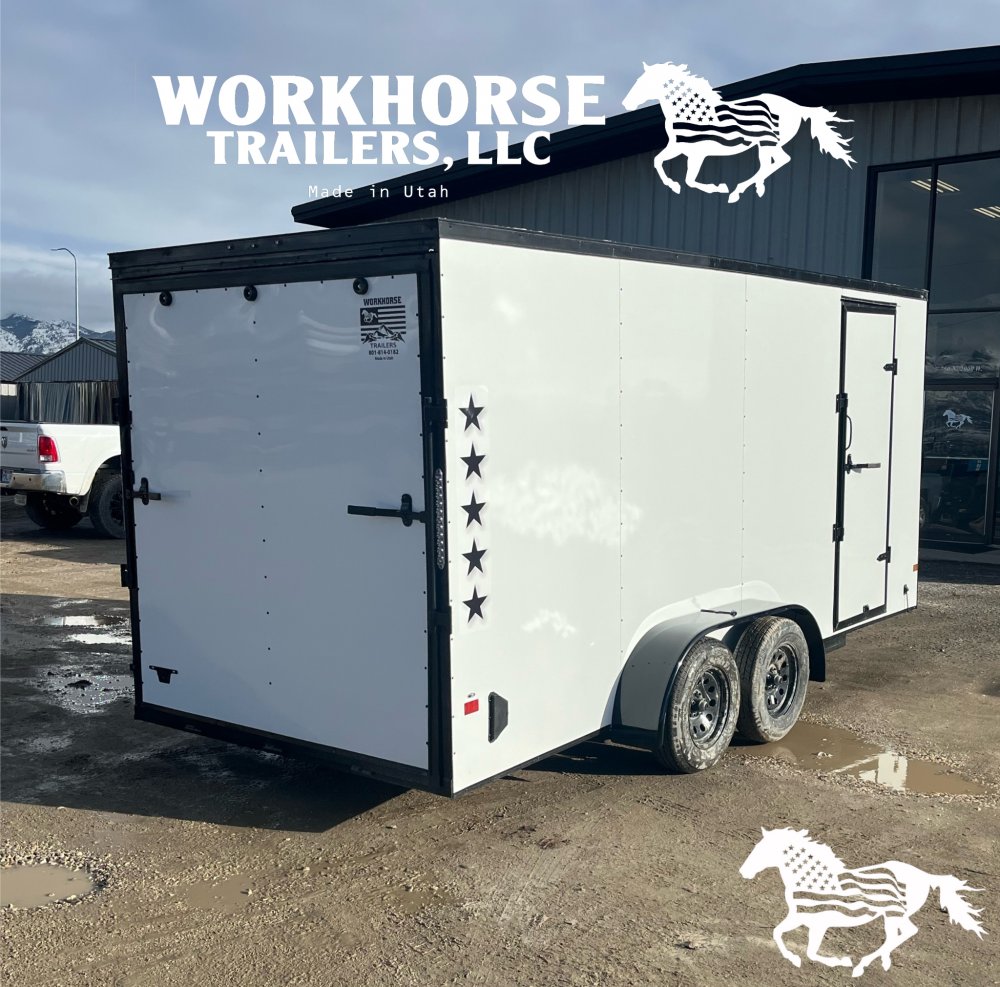
Weather protection represents the primary motivation for choosing enclosed car haulers over open alternatives, shielding vehicles from rain, snow, hail, road debris, and ultraviolet radiation during transport. Collectors moving show cars to exhibitions, dealers delivering vehicles to customers expecting pristine condition, and owners protecting classic automobiles from environmental exposure all benefit from complete enclosure. A single paint chip or water spot can diminish vehicle value substantially, making weather protection economically justified for high-value automotive transportation where appearance preservation proves critical.
Security benefits of enclosed trailers extend beyond weather protection to preventing theft and concealing valuable cargo from casual observation. Vehicles transported in open haulers advertise their presence to anyone nearby, potentially attracting unwanted attention in parking areas or overnight stops during long-distance travel. Enclosed designs hide contents from view while lockable doors create physical barriers deterring theft attempts. Insurance costs may reflect these security differences, with some carriers offering lower premiums for enclosed transport recognizing reduced claim risks.
Interior customization possibilities transform enclosed car haulers into comprehensive mobile garages incorporating shelving, cabinets, and workbenches beyond basic vehicle transport capability. Racing teams outfit trailers with tire storage, tool organization, spare parts inventory, and even basic mechanical repair capabilities creating self-sufficient operations at competition venues. The climate-controlled environment also protects tools and supplies from weather exposure while providing comfortable workspace during events or between transport assignments.
Vehicle Capacity Configurations
Single car haulers represent the entry level for dedicated vehicle transportation, offering economical solutions for individuals and small operations moving one automobile at a time. These focused designs optimize deck dimensions for single vehicle positioning without excess width or length increasing costs and towing requirements unnecessarily. Enthusiasts transporting personal collector cars, small restoration shops moving customer vehicles, and individuals occasionally relocating automobiles find single car capacity adequate for their needs while appreciating simplified towing compared to larger multi-car alternatives.
Dual car haulers accommodate two vehicles through either tandem placement or side-by-side configurations depending on trailer width and length specifications. Tandem arrangements position vehicles one behind the other on longer decks, while side-by-side placement requires wider trailers approaching or exceeding 102 inches. Dealers retrieving multiple auction purchases, collectors attending multi-day events with several vehicles, and transporters offering commercial hauling services benefit from dual capacity that reduces per-vehicle transportation costs through consolidated trips.
Multi-car haulers designed for three or more vehicles serve professional transport operations, large dealerships, and serious collectors managing extensive automotive portfolios. These substantial trailers often incorporate stacked loading systems where upper decks position above lower vehicles, maximizing capacity within length restrictions. The sophisticated engineering and substantial towing requirements limit multi-car haulers to commercial applications where transportation volume justifies significant equipment investment and heavy-duty tow vehicle expenses.
Deck Height and Ground Clearance
Standard deck heights on car haulers typically position approximately 18 to 24 inches above ground level, balancing loading convenience against trailer stability and construction efficiency. This moderate height creates manageable ramp angles for most vehicles while maintaining low centers of gravity that improve towing stability. When searching forMurray Car Hauler Trailers, buyers should consider the ground clearance of vehicles they transport most frequently, ensuring deck heights accommodate loading without undercarriage contact.
Low-profile car haulers feature reduced deck heights around 12 to 16 inches specifically addressing challenges posed by lowered vehicles, sports cars, and custom builds with minimal ground clearance. The decreased height creates gentler ramp transition angles reducing scraping risks on front spoilers, exhaust systems, and chassis components. However, lower deck positioning may sacrifice some structural efficiency and reduce ground clearance when traversing uneven terrain, making these specialized haulers most suitable for highway transportation between improved surfaces rather than off-road access.
Adjustable deck height systems available on premium car haulers provide versatility accommodating diverse vehicle types through mechanical or hydraulic lowering mechanisms. These sophisticated designs allow operators to lower decks for challenging low-clearance vehicles then raise to standard heights for conventional automobiles, combining specialty capabilities with general-purpose functionality. The added complexity and expense make adjustable systems most appropriate for commercial transporters serving varied clientele or collectors with diverse automotive interests spanning multiple vehicle types.
Tie-Down Systems and Vehicle Securing
Wheel basket tie-down systems incorporate adjustable straps or chains that loop around tires securing vehicles without contact with painted body surfaces or chassis components. This method proves particularly suitable for show cars and valuable vehicles where any metal-to-metal contact could cause finish damage. The basket approach distributes restraint forces across tire sidewalls and treads, preventing the concentrated pressure that direct axle or suspension attachment might create. Quality basket systems feature padded contact points and adjustable components accommodating various tire sizes encountered across different vehicle types.
Axle strap systems attach directly to suspension components or axles using specialized connectors designed for automotive tie-down applications. This direct attachment approach provides robust securing suitable for race cars, project vehicles, and situations where absolute positioning certainty outweighs finish protection concerns. Proper axle strap installation requires understanding vehicle suspension geometry to avoid damage while achieving secure restraint, making this method preferred by experienced transporters familiar with automotive engineering principles.
E-track integrated into car hauler decks provides infinite adjustment positioning for tie-down anchors accommodating vehicles of varying wheelbases and widths. The recessed track systems accept sliding fittings that lock anywhere along the track length, allowing precise anchor placement matching specific vehicle dimensions. This flexibility proves valuable for haulers transporting diverse automobile types, eliminating compromises inherent to fixed anchor points that may not align optimally with every vehicle configuration.
Tilt Deck Car Hauler Benefits
Hydraulic tilt mechanisms on car haulers eliminate ramps entirely by lowering entire deck surfaces to ground level through powered cylinders. This innovative approach solves loading challenges for extremely low vehicles where even extended ramps create unacceptable approach angles. The level loading surface prevents any undercarriage contact throughout the process, protecting expensive aftermarket aerodynamic components, custom exhaust systems, and chassis modifications that would contact traditional ramps. Tilt deck functionality commands premium pricing justified by specialized applications demanding this capability.
Gravity tilt systems provide mechanical alternatives to hydraulic tilting through designs allowing decks to pivot around axle points when release mechanisms disengage. The tow vehicle drives forward slowly causing deck rotation through weight distribution changes rather than powered actuation. While requiring more involved operation compared to button-activated hydraulic systems, gravity tilt mechanisms offer simplicity and eliminate hydraulic maintenance requirements. The reduced complexity appeals to users prioritizing reliability and minimal upkeep over operational convenience.
Fixed low-angle ramp alternatives serve buyers requiring gentle loading approaches without tilt system complexity and cost. Extra-long ramps extending 84 to 96 inches create approach angles suitable for many low-clearance vehicles at a fraction of tilt system expense. The compromise involves bulkier ramp storage and more demanding manual handling compared to standard-length alternatives, but successful loading depends on ramp geometry rather than sophisticated mechanical systems potentially requiring repairs.
Frame Construction and Materials
Steel tube frame construction provides time-tested durability and straightforward repair capabilities when damage occurs. Heavy-gauge rectangular or square tubing welded into ladder-style frames distributes loads effectively while maintaining structural integrity under repeated loading cycles. Steel’s ductility allows absorbing impacts without catastrophic brittle failure, though weight penalties and corrosion susceptibility represent compromises compared to alternative materials. Quality steel frames properly maintained deliver decades of reliable service justifying their continued popularity despite available alternatives.
Aluminum frame and skin combinations reduce overall trailer weight substantially compared to steel equivalents, improving fuel economy during towing while allowing use of less powerful tow vehicles. The corrosion resistance of aluminum eliminates rust concerns that plague steel trailers in winter climates where road salt application threatens longevity. However, aluminum’s higher material costs and specialized welding requirements during manufacturing and repair create pricing premiums that buyers must weigh against weight savings and maintenance benefits throughout anticipated ownership periods.
Composite and hybrid construction approaches incorporate multiple materials optimizing each component’s properties rather than using single materials universally. These advanced designs might employ steel frames for structural strength combined with aluminum skin panels for weight reduction and corrosion resistance. Composite floor materials resist moisture and provide impact durability exceeding wood alternatives while maintaining lighter weights than steel. The engineering sophistication increases manufacturing complexity but delivers performance benefits justifying premium pricing for discerning buyers.
Loading Strategy and Weight Distribution
Front-heavy weight distribution optimizes towing stability by concentrating vehicle weight forward of trailer axles, creating appropriate tongue weight percentages. This loading principle requires positioning vehicles with weight bias toward the trailer front, typically achieved by driving automobiles fully forward until front tires approach or contact trailer nose structures. The resulting tongue weight between 10 and 15 percent of total combined weight maintains tow vehicle control while preventing rear-heavy configurations promoting dangerous sway.
Dual vehicle loading demands careful weight balancing ensuring proper distribution both longitudinally and laterally across the deck surface. Side-by-side configurations must position heavier vehicles toward the driver side of the tow vehicle for balanced weight transfer, while tandem arrangements require forward vehicles representing the heavier unit. Failing to account for weight variations between transported vehicles creates handling imbalances manifesting through poor towing characteristics and accelerated tire wear from uneven loading.
Center of gravity awareness becomes critical when hauling tall vehicles including trucks, SUVs, or automobiles with roof-mounted cargo carriers. Elevated weight positioning raises the combined center of gravity increasing rollover susceptibility during emergency maneuvers or when encountering strong crosswinds. Operators should reduce highway speeds when hauling top-heavy loads while avoiding sudden steering inputs that could initiate rollover sequences. Understanding these physics principles prevents accidents that proper loading and driving techniques easily avoid.
Brake System Requirements
Surge brake actuators provide self-contained braking without electrical connections to tow vehicles, using trailer momentum during deceleration to activate hydraulic brake cylinders. The mechanical simplicity and universal compatibility appeal to users towing car haulers with multiple different vehicles or those avoiding electrical system integration complexity. Surge brakes function automatically proportional to deceleration forces, though they prevent backing with engaged brakes and may feel less refined than properly calibrated electric systems.
Electric brake controllers installed in tow vehicle cabs activate trailer brakes through electrical signals proportional to vehicle braking intensity or time-delayed according to user preferences. Modern proportional controllers sense vehicle deceleration automatically through accelerometers, applying trailer brakes appropriately without constant manual adjustment. The integration creates unified braking where trailer and vehicle decelerate together providing superior control compared to surge systems, though electrical connections add complexity and potential failure points.
Electronic brake force distribution systems available on premium car haulers monitor individual wheel speeds adjusting brake application preventing wheel lockup and maintaining directional stability. These sophisticated safety features mirror anti-lock braking technology from automotive applications, providing enhanced control during emergency stops on slippery surfaces. The technology remains optional on most trailers but delivers measurable safety improvements for operations regularly encountering challenging road conditions or transporting extremely valuable vehicles where accident prevention justifies any expense.
Winch Systems and Loading Assistance
Electric winches mounted to car hauler fronts pull vehicles onto decks using steel cables rated well above transported vehicle weights. This powered loading capability proves essential when moving non-running project vehicles, disabled automobiles requiring service, or situations where drivers prefer not to start and operate vehicles unnecessarily during loading. Remote-controlled winches allow single operators to manage entire loading processes while monitoring vehicle positioning and clearance from safe vantage points away from moving machinery.
Manual winch alternatives provide economical solutions for occasional use where powered convenience doesn’t justify cost premiums. Hand-cranked winches require substantial physical effort pulling vehicles up inclines but function without electrical power or hydraulic systems that could fail. The simplicity appeals to hobbyists and occasional users who accept slower loading in exchange for reduced complexity and lower acquisition costs. Manual winches remain viable options for loading lightweight vehicles onto gentle deck angles where pulling efforts remain manageable.
Winch capacity selection must exceed maximum vehicle weights with comfortable margins accounting for friction, grade resistance, and mechanical advantage calculations. A 5,000-pound vehicle requires winch capacity substantially exceeding that weight when pulling up 15-degree ramp angles against tire rolling resistance. Quality winches clearly specify working load limits and maximum line pulls ensuring buyers select adequately rated equipment. Undersized winches struggle or fail completely when asked to exceed capabilities, creating frustrating delays and potential safety hazards.
Lighting and Electrical Systems
LED lighting technology has largely replaced traditional incandescent bulbs on modern car haulers through superior longevity, vibration resistance, and brightness. The solid-state construction withstands road shock that quickly destroys filament bulbs, while lower current draw reduces electrical system stress. Upgrading older trailers with LED replacements costs modestly while delivering reliability improvements and enhanced visibility to surrounding traffic. The initial investment recovers quickly through eliminated bulb replacements and improved safety from brighter, more consistent illumination.
Breakaway battery systems provide emergency brake activation if trailers separate from tow vehicles during travel. A cable connecting to the tow vehicle pulls a pin activating battery-powered brake controllers that bring detached trailers to controlled stops rather than allowing uncontrolled rolling. This critical safety feature prevents runaway trailers from causing catastrophic accidents, making it required equipment in most jurisdictions for trailers exceeding certain weight thresholds. Regular battery testing ensures the system functions when needed despite hopefully never requiring activation.
Auxiliary power outlets integrated into car haulers supply electricity for battery chargers, tire inflators, and tools without requiring portable generators or shore power access. These convenience features prove valuable at events, shows, or remote locations where maintaining vehicle batteries or performing minor adjustments becomes necessary. The modest installation cost during trailer construction proves worthwhile through years of convenient access to power without carrying separate generating equipment.
Murray-Specific Considerations
Local terrain including access to Wasatch Mountain recreation areas and highway connections throughout northern Utah influences car hauler selection for Murray residents. The combination of urban driving, highway cruising, and potential mountain pass navigation creates diverse operating conditions that equipment must handle confidently. Braking systems adequate for flat terrain may prove marginal when descending mountain grades with loaded trailers, making robust brake capacity and potential auxiliary braking systems worthwhile considerations for local operators.
Climate variations between valley summers and winter conditions affect car hauler materials and features appropriate for year-round Murray use. Summer heat generates pavement temperatures affecting tire performance and can make metal surfaces uncomfortably hot during loading operations. Winter brings snow, ice, and road salt threatening corrosion while creating slippery loading conditions. Material selections and protective coatings should address these seasonal extremes ensuring reliable operation and longevity despite challenging environmental exposure.
Storage availability in Murray residential and commercial properties affects size selections and feature priorities. Limited garage space or homeowner association restrictions may favor smaller single-car haulers over enclosed models requiring substantial dedicated storage. Commercial operations with yard space can accommodate larger equipment without the compromises residential ownership sometimes demands. Realistic assessment of available storage prevents purchasing trailers that subsequently create ongoing accommodation challenges.
Insurance and Registration
Comprehensive trailer insurance protects car hauler investments against theft, collision damage, and other perils through dedicated policies or endorsements to existing vehicle coverage. Many auto policies provide minimal trailer coverage with limits inadequate for expensive enclosed car haulers or failing to cover trailers when detached from insured vehicles. Reviewing existing coverage and securing appropriate policies matching equipment values ensures adequate protection without paying for redundant or insufficient insurance.
Cargo coverage insures transported vehicles during loading, transit, and unloading against damage from accidents, theft, or other covered perils. Commercial transporters carrying customer vehicles need robust cargo insurance with limits exceeding the value of most expensive automobiles regularly hauled. Even personal car haulers benefit from cargo coverage protecting against liability if transported vehicles sustain damage during hauling operations regardless of whether vehicles belong to the trailer owner or others.
Utah registration requirements mandate annual licensing of car haulers with fees based on empty weight and intended use classifications. Maintaining current registration prevents citations while ensuring legal operation throughout the state. The registration process also creates ownership documentation facilitating insurance claims and providing clear title evidence simplifying future sales when upgrading equipment or exiting car hauling activities.
Customization and Specialty Features
Removable fender systems allow adapting car hauler widths accommodating vehicles with varying track widths or aftermarket wheel setups extending beyond standard dimensions. The adjustability prevents forcing narrow vehicles toward trailer edges wasting usable width while allowing wider automobiles positioning without contact concerns. Quick-release mounting systems enable tool-free fender removal and reinstallation, making configuration changes simple operations requiring minimal time between different hauling assignments.
Integrated toolbox storage positioned along trailer tongues or sides provides secure locations for tie-down equipment, wheel chocks, and tools without consuming valuable deck space. Weather-resistant construction protects contents from moisture and road debris, while lockable mechanisms prevent theft of securing equipment that should remain available whenever trailers deploy. The convenience of permanently mounted storage eliminates forgetting essential equipment at home when departing for vehicle retrieval or delivery operations.
Spare tire mounting brackets ensure replacement tires remain immediately available when flats occur during transit. Matching spare specifications to installed tires guarantees the spare can safely support loaded trailer weights if pressed into emergency service. Accessible mounting locations allow changing tires without completely unloading transported vehicles, minimizing delays from roadside tire failures that otherwise create extended disruptions.
Maintenance Schedules
Bearing service represents the most critical maintenance task preventing catastrophic wheel bearing failures that destroy hubs and potentially cause accidents. Annual repacking or every 12,000 miles, whichever occurs first, maintains proper lubrication preventing heat buildup that leads to bearing destruction. The preventive maintenance costs far less than emergency repairs while providing opportunities to inspect related components including brakes, seals, and spindles during disassembly.
Brake adjustment and inspection ensures stopping power remains adequate as friction materials wear and self-adjusting mechanisms compensate for normal use. Checking brake magnets, drum condition, and electrical connections annually identifies developing problems before complete failures occur. Commercial operators should establish more frequent inspection intervals reflecting intensive use patterns that accelerate component wear requiring earlier intervention than recreational users experience.
Deck surface maintenance prevents accelerated deterioration from moisture, corrosive materials, and physical damage. Wood decks benefit from periodic sealing protecting against moisture absorption that causes rot and dimensional instability. Steel decks require touch-up painting at scratched or damaged areas preventing rust formation that spreads rapidly once initiated. The investment in preventive surface maintenance extends deck life substantially, delaying expensive replacement projects.
Evaluating Build Quality
Weld quality assessment reveals manufacturing standards affecting structural integrity and longevity. Continuous welds provide superior strength compared to intermittent tacking, distributing stresses across larger areas rather than concentrating loads at discrete points. Weld penetration should show consistent bead appearance without gaps, voids, or excessive spatter indicating poor technique. Quality manufacturers employ certified welders and conduct inspections ensuring structural welds meet appropriate standards for safety-critical trailer applications.
Component specifications including axle brands, bearing types, and brake systems distinguish premium trailers from budget alternatives initially appearing similar. Researching component reputation and warranties reveals quality differences invisible through casual inspection but manifesting through years of reliable operation or premature failures. Established component manufacturers typically provide superior performance and parts availability compared to generic alternatives that may prove difficult to service.
Finish quality assessment examines paint coverage, protection against corrosion, and attention to detail in areas hidden from casual view. Quality manufacturers coat entire frames including hidden surfaces while budget operations may only paint visible areas. Inspecting trailer undersides and interior frame members reveals commitment to longevity versus superficial appearance priorities. The differences become apparent over years as inferior finishes corrode while quality protection maintains structural integrity.
Making the Right Investment
Total cost of ownership calculations should account for purchase price, maintenance expenses, insurance premiums, and depreciation when comparing car hauler options. The lowest purchase price rarely represents best value when considering long-term ownership costs. Quality trailers require less frequent repairs, maintain value better during resale, and deliver superior reliability that prevents expensive downtime. Evaluating these factors beyond initial acquisition costs reveals true economic value throughout realistic ownership periods.
Dealer selection influences ownership satisfaction through warranty support, parts availability, and technical expertise assisting with questions and issues arising during use. Established local dealers provide confidence that service needs receive attention while their continued presence ensures future support availability. Building relationships with reputable dealers creates resources valuable throughout ownership when advice, service, or accessories become necessary.
Future needs consideration prevents rapidly outgrowing trailers shortly after purchase when business expansion, collection growth, or changing interests create new requirements. Modest capacity oversizing accommodates growth without excessive initial investment in unneeded capability. Balancing present needs against reasonable future projections guides appropriate specification selections delivering extended useful service as circumstances evolve.