
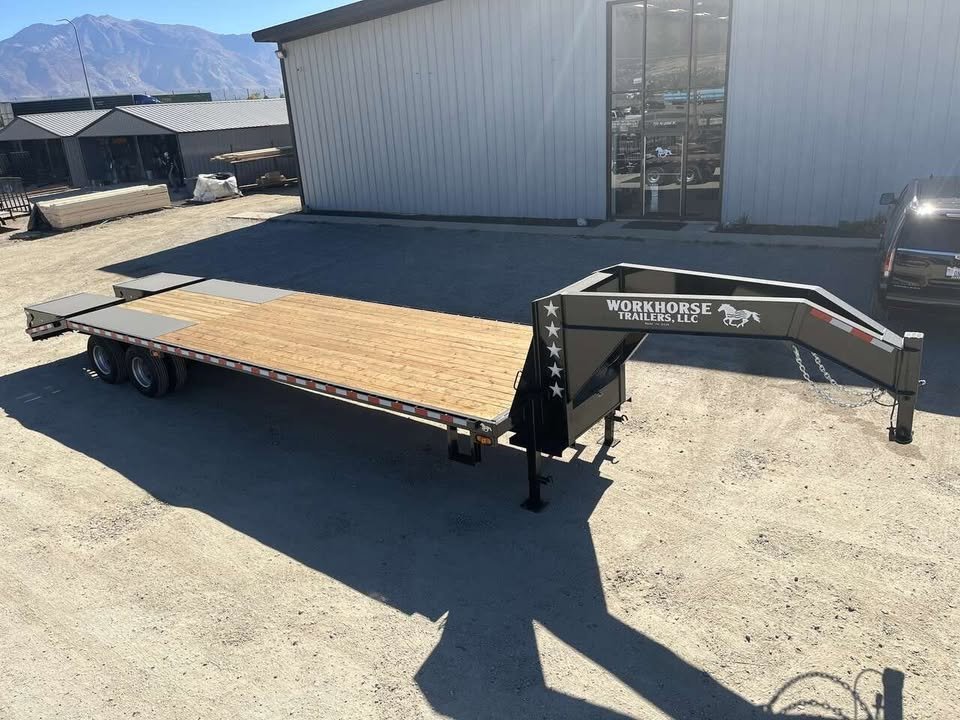
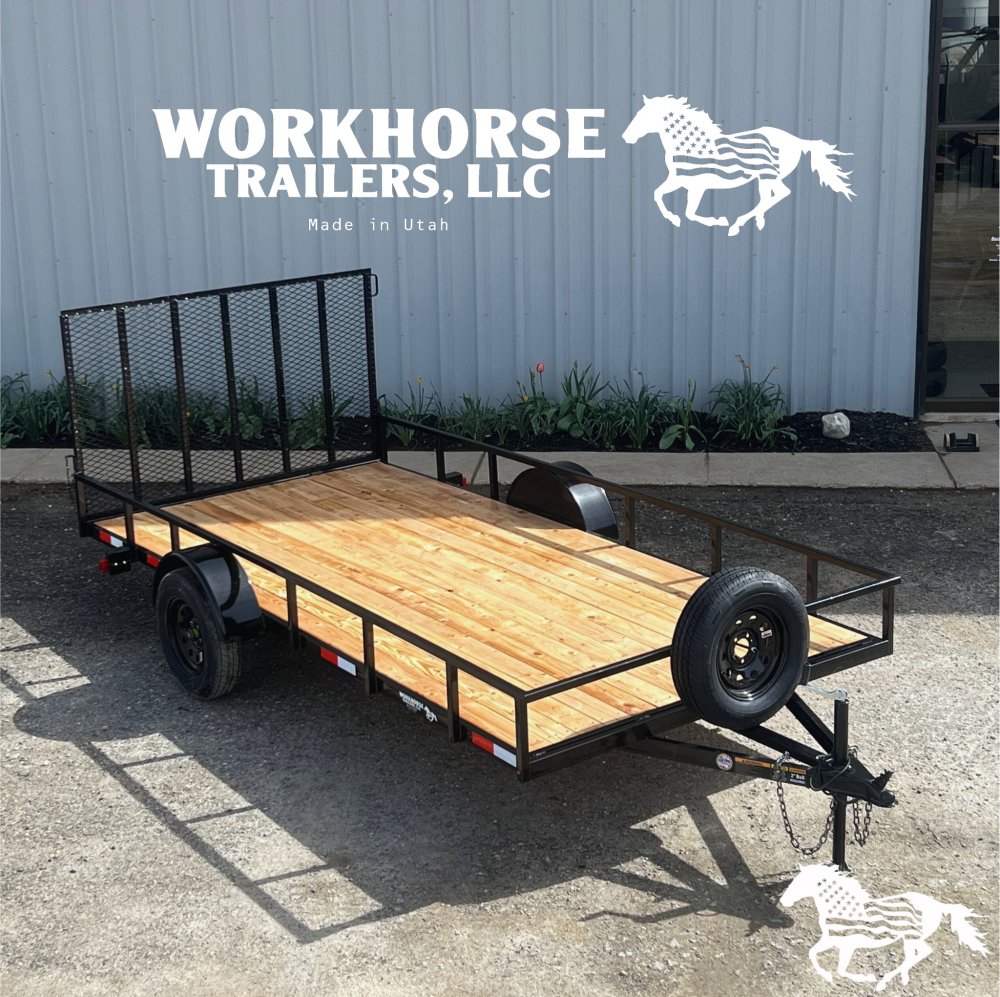
Midvale Car Hauler Trailers
All locationsMidvale’s central location within the Salt Lake Valley creates an ideal base for automotive enthusiasts, professional transporters, and dealership operations requiring reliable vehicle transportation solutions. The city’s convenient access to Interstate 15 and major arterial roads connecting northern and southern Utah communities positions Midvale residents perfectly for attending car shows, auction events, and racing venues throughout the region. Car hauler trailers have become essential equipment for Midvale’s vibrant automotive community, enabling safe transport of valuable vehicles between restoration shops, performance facilities, and collector gatherings scattered across the western United States.
The automotive culture thriving throughout Midvale encompasses diverse interests from classic car restoration to modern performance modification, creating varied transportation needs that specialized car hauler trailers uniquely address. Whether moving vintage automobiles requiring white-glove treatment or transporting race cars between competition venues, the right equipment makes the difference between stress-free hauling and anxiety-inducing journeys where every mile threatens potential damage. Understanding car hauler options, capacity requirements, and feature priorities empowers Midvale automotive enthusiasts and professionals to make informed equipment investments protecting their wheeled treasures during transit.
Open Car Hauler Design Philosophy
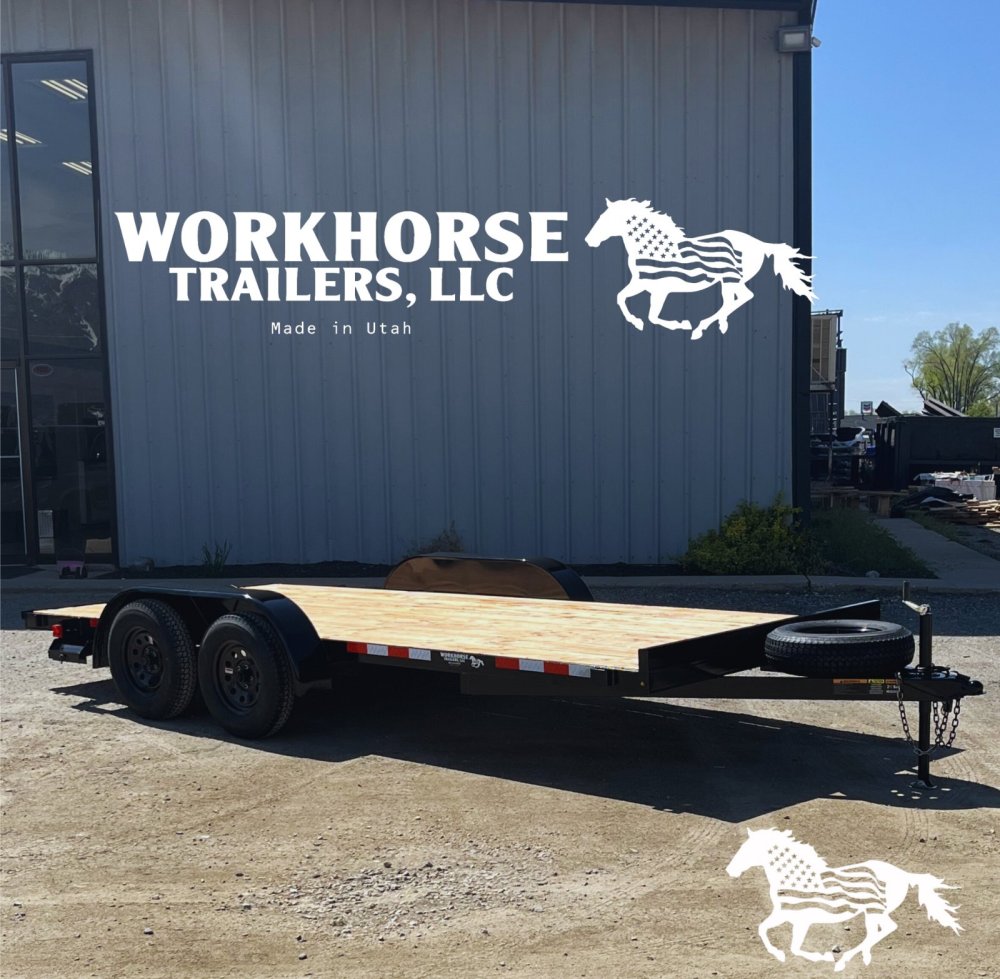
Open platform car haulers embrace simplicity through straightforward construction eliminating the weight, cost, and complexity of enclosed walls and roofs. The exposed deck approach provides unobstructed visibility during loading operations while reducing initial purchase costs and ongoing fuel consumption from decreased wind resistance. Midvale residents transporting vehicles locally between nearby facilities, making frequent short trips to regional destinations, or hauling vehicles where weather protection proves unnecessary find open designs offering practical advantages outweighing enclosed alternatives.
Weight reduction from eliminating enclosure structures allows open car haulers to maximize payload capacity within legal gross vehicle weight limits. A typical open hauler might weigh 1,500 to 2,000 pounds less than comparable enclosed models, translating directly to additional vehicle weight capability. This advantage proves particularly valuable when transporting heavy trucks, SUVs, or vehicles with substantial aftermarket modifications increasing curb weights beyond factory specifications.
Accessibility benefits include easy approach from all sides during loading preparation, cargo securing, and vehicle inspection. The open configuration allows positioning tie-down straps, checking clearances, and monitoring vehicle condition throughout loading processes without entering confined enclosed spaces. This unrestricted access improves safety while simplifying operations for solo operators working without assistance.
Enclosed Car Hauler Protection
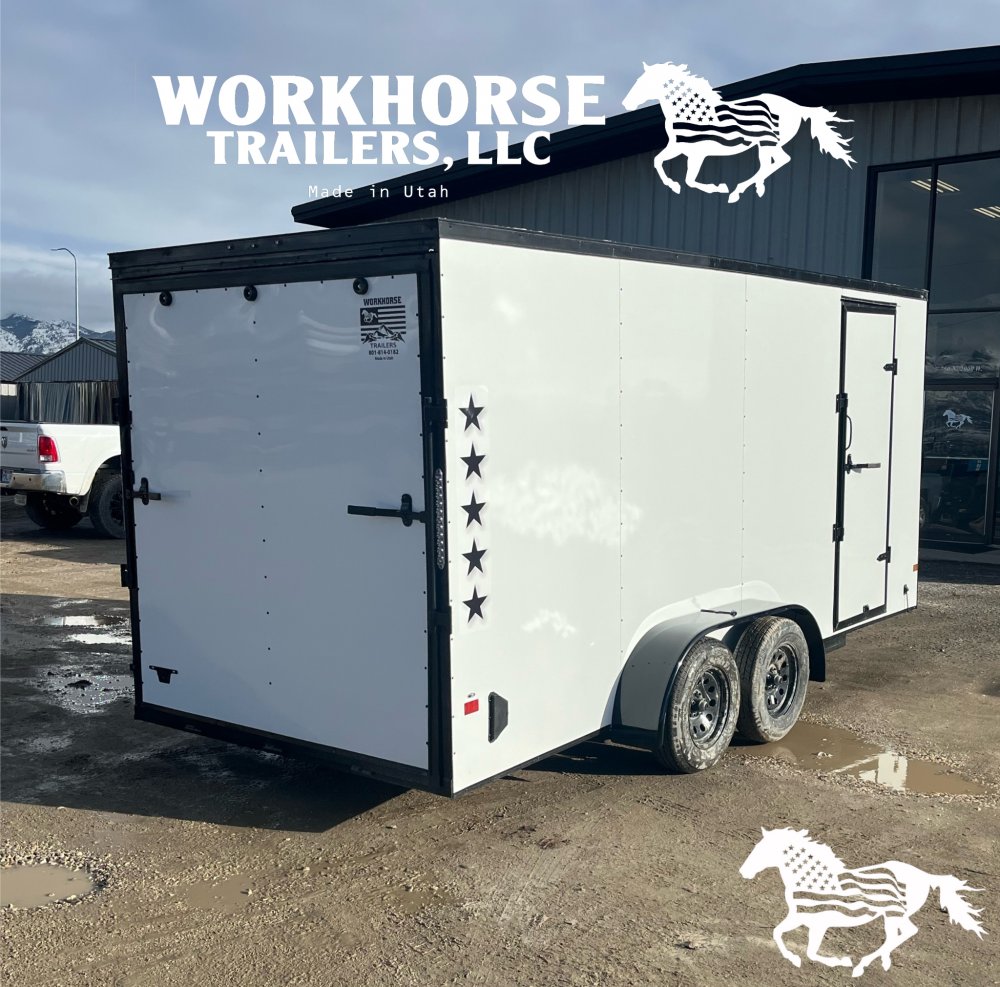
Complete weather sealing on enclosed car haulers shields transported vehicles from precipitation, road spray, airborne debris, and ultraviolet radiation throughout journeys. Midvale collectors transporting show cars to exhibitions, concours events, or auction venues cannot risk water spots, paint contamination, or finish degradation that open transport invites. A single unprotected trip through rain or following salt-spreading snow plows could damage finishes worth thousands to restore or refinish professionally.
Temperature moderation within enclosed trailers prevents extreme heat and cold exposure affecting vehicle interiors, mechanical components, and finish integrity. Summer sun beating on dark painted surfaces creates extreme temperatures potentially damaging dashboards, seats, and trim. Winter cold during mountain pass crossings can affect fluid viscosities and battery performance. The enclosed environment moderates these extremes providing passive protection even without active climate control systems.
Security advantages extend beyond weather protection to preventing theft, vandalism, and unauthorized observation of valuable cargo. Vehicles transported in open haulers advertise their presence inviting unwanted attention at rest stops, overnight accommodations, or any location where trailers sit unattended. Enclosed designs conceal contents from view while lockable doors create physical barriers that deter opportunistic theft attempts during inevitable stops throughout long-distance journeys.
Classic and Vintage Automobile Transport
Collector vehicle hauling represents the most common application driving enclosed car hauler adoption throughout Midvale’s enthusiast community. Restored classics, survivor vehicles, and investment-grade automobiles represent substantial financial and emotional investments demanding protection during transportation. Owners who have invested years and tens of thousands of dollars achieving concours-quality restorations cannot accept any transport method risking paint chips, interior sun damage, or mechanical contamination from road debris.
Vintage racing cars and historic competition vehicles transported between vintage racing events, museum displays, and private collections require specialized handling recognizing their irreplaceable nature. These automobiles often lack titles for street operation, making trailer transport the only legal movement method. The combination of historical significance and mechanical vulnerability makes enclosed car haulers essential equipment for serious vintage racing participants.
Barn find acquisitions and project vehicle recoveries utilize car haulers loading non-running automobiles discovered in storage facilities, estate sales, or private collections. The ability to safely transport vehicles in unknown mechanical condition without risking roadside breakdowns or exposing deteriorated finishes to weather makes car haulers valuable tools for collectors pursuing undiscovered automotive treasures throughout the region.
Performance and Racing Applications
Track day participants throughout Midvale transport purpose-built track cars, heavily modified street vehicles, and dedicated race machines to performance driving venues across the western states. These vehicles often incorporate extreme modifications including lowered suspensions, aerodynamic components, and racing equipment that make street driving impractical or illegal. When evaluatingMidvale Car Hauler Trailers, racing enthusiasts prioritize loading systems accommodating low-clearance vehicles and secure tie-down provisions protecting expensive competition equipment.
Drag racing competitors haul purpose-built machines to strips throughout the region, with vehicles often lacking operational lights, emissions equipment, or other street legality requirements. The specialized nature of drag cars including slick tires, gutted interiors, and extreme power modifications makes trailer transport necessary rather than simply preferred. Enclosed haulers additionally provide workspace for between-round maintenance and adjustments at competition venues.
Road racing teams transport sports cars and formula vehicles to road courses requiring professional-grade equipment protecting substantial team investments. The combination of expensive vehicles, spare parts inventory, and specialized tools demands enclosed haulers serving dual purposes as transport and mobile pit facilities. Interior buildouts incorporating workbenches, parts storage, and equipment racks create self-sufficient operations at distant race venues.
Automotive Dealer and Auction Operations
New vehicle dealerships throughout Midvale utilize car haulers for inventory acquisition, vehicle delivery services, and transport between dealer locations within corporate groups. Sales managers attending wholesale auctions need efficient methods retrieving purchased inventory and returning vehicles to lots for reconditioning. Multi-car haulers accommodating two or more vehicles simultaneously maximize efficiency, reducing trips required and lowering per-vehicle transportation costs.
Used car operations depend on car haulers retrieving auction purchases, collecting trade-ins from remote customers, and relocating inventory between sales locations optimizing lot mix. The ability to quickly respond to auction opportunities or customer trade-in situations provides competitive advantages over dealers lacking dedicated hauling capacity. Enclosed car haulers protect newly acquired inventory during delivery ensuring vehicles arrive at lots in condition ready for immediate display.
Luxury and exotic vehicle dealerships offering premium delivery services employ enclosed car haulers ensuring high-end automobiles reach customers in showroom condition. The professional presentation of enclosed delivery demonstrates attention to detail and service quality that discerning luxury buyers expect. Any transport damage or weather exposure during delivery would undermine the premium positioning that luxury dealerships cultivate.
Capacity and Configuration Choices
Single-car haulers optimized for individual vehicle transport provide economical solutions for enthusiasts and small operations moving one automobile at a time. These focused designs eliminate excess width and length, reducing costs while maintaining maneuverability advantages over larger multi-vehicle alternatives. Collectors maintaining personal vehicles, small restoration shops transporting customer cars, and individuals occasionally relocating automobiles find single-car capacity adequate without paying for unused multi-vehicle capability.
Dual-car configurations accommodate two vehicles through stacked arrangements or side-by-side positioning depending on trailer design. Stacker trailers incorporate hydraulic or mechanical lift systems positioning upper decks above lower vehicles, maximizing capacity within length restrictions. Side-by-side layouts require wider trailer construction approaching or exceeding 102 inches but allow simultaneous loading of both vehicles. Dealers and transporters moving multiple vehicles regularly benefit from dual capacity reducing per-vehicle hauling costs.
Specialty configurations including motorcycle combinations allow transporting automobiles alongside motorcycles, ATVs, or small equipment. These versatile layouts appeal to enthusiasts with diverse collections or dealers handling mixed inventory. Custom interior arrangements position wheel chocks and tie-downs accommodating different vehicle types without requiring dedicated specialized trailers for each category.
Deck Height and Loading Considerations
Standard deck heights on car haulers position approximately 18 to 24 inches above ground level providing reasonable balance between loading convenience and structural efficiency. This moderate elevation creates manageable ramp angles for most street vehicles while maintaining lower centers of gravity improving towing stability. The height accommodates conventional automobiles without special considerations for ground clearance or approach angles.
Low-profile designs specifically address loading challenges posed by lowered vehicles, performance cars with front splitters, and custom builds featuring minimal ground clearance. Reduced deck heights around 12 to 16 inches create gentler ramp transitions preventing undercarriage contact during loading. Sports car owners, custom builders, and performance enthusiasts regularly dealing with extreme low-clearance vehicles justify low-profile investments through eliminated scraping risks.
Tilt deck alternatives eliminate ramps entirely by lowering entire deck surfaces to ground level through hydraulic or mechanical systems. The level loading approach guarantees no undercarriage contact regardless of vehicle modifications or ride height, representing ultimate solutions for extremely low vehicles. The sophistication and expense of tilt mechanisms make economic sense for operations specializing in exotic car transport or collectors with multiple low-clearance vehicles.
Tie-Down Systems and Securing Methods
Wheel basket systems loop straps around tires securing vehicles without contacting painted body surfaces or chassis components. This method proves ideal for show cars and valuable vehicles where any metal-to-metal contact risks finish damage. Adjustable baskets accommodate varying tire sizes across different vehicle types while distributing restraint forces across tire sidewalls and treads rather than concentrated attachment points.
Direct chassis attachment using specialized hooks connects to suspension mounting points, subframe locations, or designated tie-down provisions that manufacturers incorporate on some vehicles. This positive attachment approach provides robust securing for race cars, project vehicles, and situations where absolute positioning certainty outweighs finish protection concerns. Proper attachment requires understanding vehicle structures to avoid damaging components while achieving secure restraint.
E-track integration provides infinitely adjustable anchor positioning accommodating vehicles with varying wheelbases and track widths. The recessed track systems accept specialized fittings locking anywhere along track lengths, allowing precise anchor placement matching specific vehicle dimensions. This flexibility proves valuable for haulers transporting diverse automobile types eliminating compromises from fixed anchor points misaligned with certain vehicle configurations.
Ramp Systems and Approaches
Fold-down ramp gates provide integrated loading access through rear-mounted ramps that deploy downward creating approach surfaces. Spring-assisted mechanisms reduce manual effort during deployment and stowing, though heavier-duty ramps on larger haulers may require two-person operation. The integrated design eliminates separate ramps requiring storage and preventing loss or theft of detachable components.
Removable ramp alternatives offer storage flexibility and potential for extra-long configurations achieving gentler approach angles. These separate ramps slide into mounting brackets or store in dedicated compartments when not needed. The detachable nature allows upgrading to longer ramps if vehicle acquisition introduces ground clearance challenges that original equipment cannot accommodate.
Side-loading capabilities through auxiliary ramps enable vehicle loading from lateral positions when rear access proves impractical. These supplementary ramps typically mount along trailer sides deploying when space constraints prevent traditional rear loading approaches. Urban environments and congested facilities where backing trailers into position becomes impossible benefit from side-loading versatility.
Brake System Requirements
Electric brake integration through vehicle-mounted controllers provides progressive stopping power adjustable for varying load weights and road conditions. Modern proportional controllers sense tow vehicle deceleration applying appropriate trailer braking automatically without driver intervention. The synchronized braking creates unified stopping where trailer and vehicle decelerate together rather than the vehicle struggling to control an unbraked trailer.
Surge brake systems operate mechanically using trailer momentum during deceleration to activate hydraulic braking without electrical connections. The self-contained design provides universal compatibility with any tow vehicle equipped with appropriate hitch receivers. While lacking the adjustability of electric systems, surge brakes deliver reliable stopping power through straightforward mechanical operation.
Hydraulic disc brake upgrades on premium car haulers provide superior stopping performance compared to standard drum brakes particularly when carrying maximum capacity loads. The improved heat dissipation and consistent performance across varying conditions justify premium costs for operators regularly hauling near maximum weights or traversing mountainous terrain demanding sustained braking.
Interior Customization for Enclosed Haulers
Cabinets and shelving transform enclosed car haulers into organized storage platforms for parts, tools, and supplies supporting vehicle maintenance and racing operations. Wall-mounted systems maximize vertical space utilization without consuming floor area needed for vehicle positioning. Locking cabinets protect valuable tools and equipment while maintaining organized interiors supporting efficient operations.
Workbench installations create functional repair and maintenance spaces within enclosed trailers. Sturdy benches withstand tool impacts and heavy use while providing stable surfaces for precision work. Integrated vises, power strips, and task lighting enhance functionality creating legitimate mobile workshops supporting trackside repairs or on-site vehicle preparation.
Climate control systems maintain comfortable interior temperatures protecting both transported vehicles and providing pleasant environments for work performed inside trailers. Air conditioning and heating allow year-round comfortable operation regardless of external weather conditions. The controlled environment also protects vehicle interiors from temperature extremes during transport and storage between events.
Tow Vehicle Compatibility
Payload capacity calculations must account for both trailer empty weight and transported vehicle weight ensuring total combination remains within tow vehicle ratings. A 3,500-pound car hauler carrying a 4,000-pound vehicle creates 7,500 pounds of trailer weight plus tongue weight loading the tow vehicle. Selecting vehicles with adequate towing capacity prevents overloading that damages drivetrains while creating dangerous handling situations.
Tongue weight considerations affect tow vehicle rear suspension loading and require proper hitch equipment supporting concentrated loads. Car haulers typically generate 10 to 15 percent of total loaded weight as tongue weight, potentially exceeding 1,000 pounds when hauling heavy vehicles. Weight-distributing hitches help manage extreme tongue weights by transferring loads forward to tow vehicle front axles improving weight distribution.
Brake controller capacity must match trailer braking system requirements providing adequate current activating electric brakes across all axles. Undersized controllers struggle providing full braking force limiting stopping effectiveness. Quality controllers rated appropriately for trailer size and weight ensure reliable braking performance essential for safe operation.
Wheel Chock and Positioning Aids
Integrated wheel chocks position vehicles precisely on trailer decks while preventing rolling during transport. Built-in chocks eliminate loose components that could shift or fall away during highway travel. The permanent installation ensures consistent vehicle positioning optimizing weight distribution and simplifying tie-down procedures through predictable placement.
Adjustable positioning systems accommodate vehicles with varying wheelbases and track widths through movable chock locations. This flexibility proves valuable for haulers transporting diverse automobile types from compact sports cars to full-size trucks. Quick-adjustment mechanisms allow reconfiguring between loads without tools or complicated procedures.
Visual alignment guides including painted lines or reflective markers assist operators positioning vehicles accurately during solo loading operations. The guide markings indicate proper placement preventing vehicles from positioning too far forward or rearward affecting weight distribution. This simple addition improves loading efficiency particularly during low-light conditions or when operating alone.
Frame Construction Quality
Tubular steel frames provide robust structures distributing loads effectively while resisting torsional twisting under uneven loading. Heavy-gauge rectangular or square tubing arranged in engineered patterns creates stiff platforms maintaining deck levelness throughout service life. Quality welds joining frame members ensure structural integrity under the demanding conditions car haulers regularly encounter.
Formed channel alternatives offer superior strength-to-weight ratios compared to tubular construction through optimized cross-sectional shapes. The I-beam or C-channel profiles resist bending while minimizing material use and overall weight. Premium manufacturers employ formed channel construction on flagship models where performance justifies higher material and fabrication costs.
Gusseting and reinforcement at high-stress locations prevents frame failures from fatigue cracks developing at connection points. Strategic reinforcement around axle mounts, hitch connections, and cross-member junctions distributes stress preventing concentration that initiates crack formation. The additional material represents minimal added cost providing substantial reliability improvements.
Axle and Suspension Selection
Torsion axle suspension provides independent wheel movement improving ride quality while reducing maintenance requirements compared to leaf spring systems. The rubber-encased torsion elements require no lubrication or periodic bushing replacement simplifying ownership. The superior ride quality protects transported vehicles from road shock while improving trailer handling characteristics.
Leaf spring suspension offers time-tested reliability through simple designs using layered steel springs supporting axle loads. The progressive spring rates provide soft empty rides while supporting heavy loads without excessive compression. Periodic maintenance including spring eye bushing replacement and U-bolt torque verification maintains reliable operation through decades of service.
Multi-axle configurations distribute weight across additional tires reducing individual tire loading while improving stability. Tandem-axle designs dominate car hauler sales through optimal balance between capacity and complexity. Triple-axle configurations extend capacity for heavy vehicle transport or multi-car haulers carrying substantial combined weights.
Electrical and Auxiliary Systems
Seven-way electrical connectors support comprehensive lighting, electric brakes, and auxiliary circuits beyond basic four-wire tail light connections. The additional circuits enable backup lights, battery charging, and brake controller communication. Proper connector maintenance through periodic cleaning and dielectric grease application prevents corrosion causing intermittent electrical problems.
Battery charging circuits maintain trailer battery systems during towing enabling auxiliary power for winches, interior lights, or accessories without depleting standalone batteries. The charging function ensures batteries remain ready for use arriving at destinations without requiring external charging before auxiliary systems operate.
Auxiliary power outlets provide 120-volt electrical access within enclosed car haulers supporting power tools, battery chargers, or other equipment. These convenience features prove valuable at events and shows where maintaining vehicle batteries or performing minor adjustments becomes necessary without locating external power sources.
Insurance and Transportation Liability
Comprehensive trailer coverage protects car hauler investments against theft, collision damage, and mechanical failures through dedicated policies or endorsements. The specialized nature and substantial value of car haulers may exceed coverage limits on standard trailer insurance requiring custom policies addressing actual replacement costs.
Cargo insurance covering transported vehicles proves essential for professional transporters carrying customer automobiles. Coverage limits should exceed values of most expensive vehicles regularly hauled protecting against loading damage, transport incidents, or theft occurring during hauling operations. Even personal car hauler use benefits from cargo coverage when transporting vehicles belonging to others.
Liability protection addresses third-party claims from accidents where car hauler operation contributes to damages or injuries. Adequate limits protect personal and business assets from lawsuits following serious incidents. Commercial transport operations should carry substantially higher liability limits than recreational users reflecting greater exposure and claim potential.
Maintenance and Service Intervals
Bearing repacking schedules based on mileage and calendar intervals maintain wheel bearing lubrication preventing premature failure. Annual service or 12,000-mile intervals represent typical recommendations though heavy use may justify more frequent attention. The preventive maintenance costs minimally compared to bearing failures destroying hubs and potentially causing dangerous wheel separations.
Brake inspection and adjustment ensures stopping power remains adequate as friction materials wear. Electric brake magnets, drum surfaces, and mechanical adjusters require periodic attention maintaining optimal performance. Annual inspections identify developing problems allowing corrections before complete failures compromise safety.
Tire rotation and replacement extends tire life while maintaining consistent performance across all positions. Regular rotation every 5,000 to 7,000 miles distributes wear patterns evenly. Age-based replacement after six to eight years addresses deterioration that occurs regardless of remaining tread depth.
Making Informed Purchase Decisions
Application analysis determines whether open or enclosed designs better serve intended uses and budget constraints. Frequent short local trips may not justify enclosed premiums while long-distance show car transport clearly demands weather protection. Honest assessment prevents overspending on unnecessary features or inadequate investment compromising vehicle protection.
Capacity planning accounts for heaviest vehicles requiring transport including fluids, fuel, and potential passengers or cargo inside transported vehicles. Weight calculations should include comfortable margins preventing situations where adding fuel or passengers creates overloaded conditions. Planning for maximum realistic weights ensures legal compliant operation under all circumstances.
Dealer relationships provide ongoing value through parts availability, service support, and trade-in considerations when upgrading equipment. Established Midvale-area dealers offer convenient access while their continued operation ensures future support availability. Building relationships with quality dealers creates resources valuable throughout car hauler ownership.