
Nevada Car Hauler Trailers
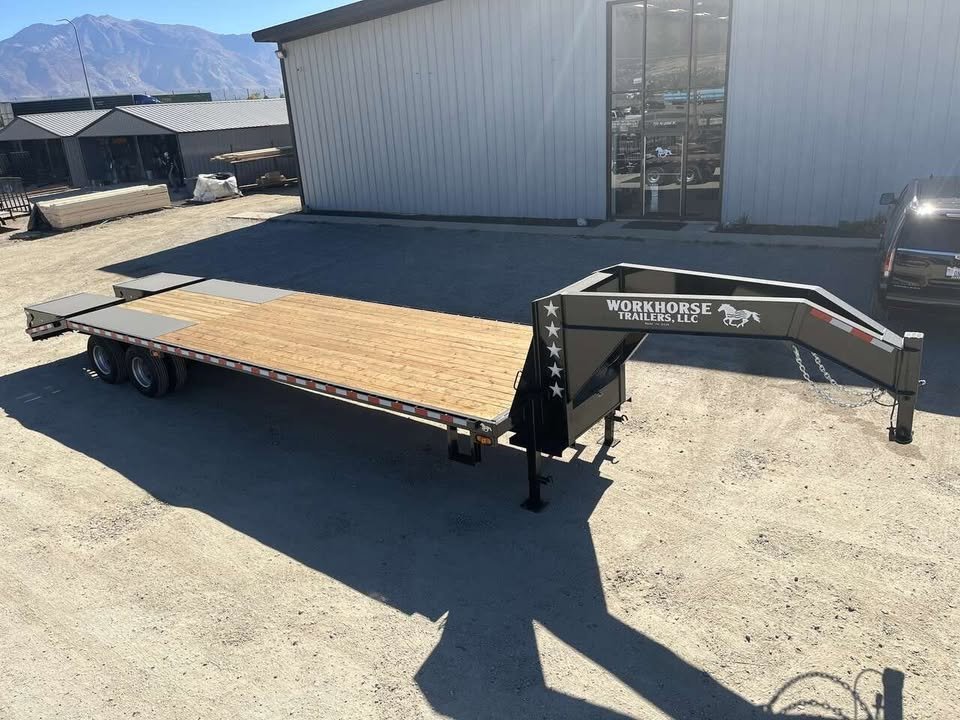
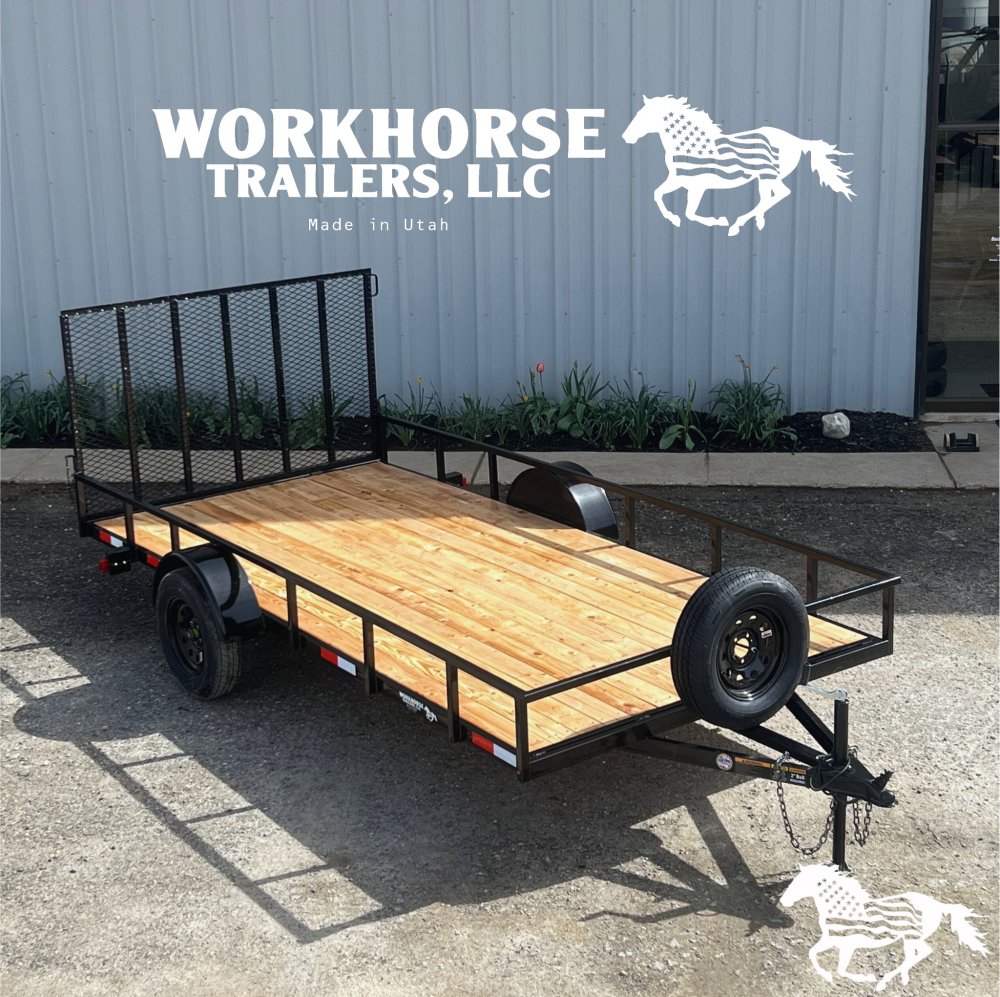
All locationsNevada moves cars. The state’s collector car auctions in Las Vegas draw buyers from across the country who need to transport purchases home or to storage facilities scattered throughout the valley. Dealer-to-dealer trades between Las Vegas and Reno lots happen weekly. Motorsport teams based in Henderson and North Las Vegas tow race cars to tracks in Pahrump, the Las Vegas Motor Speedway complex, and circuits across the Southwest. Specialty auto shops in Sparks ship completed builds to clients in California and Arizona. And private owners who refuse to put highway miles on a restored classic or a freshly detailed show car rely on hauler trailers every time that vehicle needs to travel further than the neighborhood. Workhorse Trailers LLC supplies car hauler trailers to Nevada buyers across this entire spectrum, providing equipment matched to the vehicle being transported, the distances being covered, and the level of protection the cargo demands.
Car hauling in Nevada carries considerations that don’t apply with equal force in other states. The distances between cities are long and largely unsheltered. The thermal environment during summer months subjects both the trailer and the vehicle riding on it to extreme heat. Desert highways produce road debris from tire fragments, gravel shoulders, and sand that create constant bombardment on exposed surfaces. And the sheer volume of vehicle transport activity in southern Nevada, driven by the auction houses, dealerships, and motorsport operations concentrated in Clark County, means that car hauler trailers here work harder and more frequently than they do in most regional markets.
The Nevada Vehicle Transport Landscape
Understanding who moves vehicles in Nevada and why helps frame the car hauler purchase decision for buyers entering this market.
Auction and Wholesale Transport
The Barrett-Jackson, Mecum, and Bonhams auctions staged in Las Vegas have turned the city into one of the nation’s premier collector car marketplaces. Buyers who win vehicles at these events need transport solutions ranging from a basic open hauler for a project car to a fully enclosed trailer for a six-figure concours piece. The auction calendar creates predictable demand spikes, but the transport need persists year-round as dealers and collectors continue buying and selling through private channels and online platforms.
Wholesale auto dealers operating in the Las Vegas and Reno markets regularly shuttle vehicles between auction lanes, detail shops, photography studios, and retail lots. Many of these dealers run their own car hauler trailers rather than contracting with third-party transport companies, giving them scheduling flexibility and cost control over the dozens of vehicle moves their business generates monthly.
Restoration and Custom Shop Delivery
Nevada’s favorable business environment and available industrial space have attracted a concentration of automotive restoration, custom fabrication, and restomod shops. Operations in the industrial corridors of Las Vegas, Henderson, and Sparks complete builds valued anywhere from $30,000 to several hundred thousand dollars. Delivering these vehicles to customers or shipping them to shows requires trailers that protect the finished product absolutely. A rock chip on a $200,000 resto-mod isn’t a blemish. It’s a financial and reputational loss for the shop that released the vehicle in that condition.
Performance and Track Day Logistics
Las Vegas Motor Speedway, Spring Mountain Motor Resort near Pahrump, and numerous drag strips and autocross venues throughout southern Nevada support an active motorsport community. Track day participants, amateur racers, and professional teams all need to transport vehicles that aren’t street legal, aren’t insured for road use, or simply shouldn’t accumulate street miles between events. The car hauler trailer is as essential to the racing operation as the vehicle itself.
Snowbird and Seasonal Vehicle Relocation
Nevada’s population includes a significant seasonal component, particularly in the Las Vegas metro. Snowbird residents who winter in Nevada and summer elsewhere frequently transport a second vehicle between their residences rather than driving it across multiple states. A retiree moving a convertible between a Las Vegas home and a Pacific Northwest summer residence twice annually needs a car hauler that’s reliable, easy to load, and suitable for the 1,200-mile round trip across varied terrain and climate zones.
Heat Exposure and Vehicle Protection Decisions
The choice between an open and enclosed car hauler carries different weight in Nevada than in states with moderate summers. A vehicle riding on an open trailer through the Nevada desert in July absorbs direct solar radiation, superheated air rising off the pavement, and ambient temperatures that can exceed 120 degrees at road surface level. For most vehicles, this exposure causes no lasting damage beyond dust accumulation and temporary interior heat buildup.
For certain vehicles, the exposure creates real risk. Fresh paint within its first 90-day curing window can soften and become vulnerable to debris imprinting at temperatures above 140 degrees. Leather interiors in vehicles without tinted glass can reach temperatures that accelerate aging and cracking during a multi-hour highway transit. Vinyl wraps and aftermarket graphics are particularly susceptible to adhesive softening in extreme heat, which can cause lifting, bubbling, or shifting during high-temperature transport.
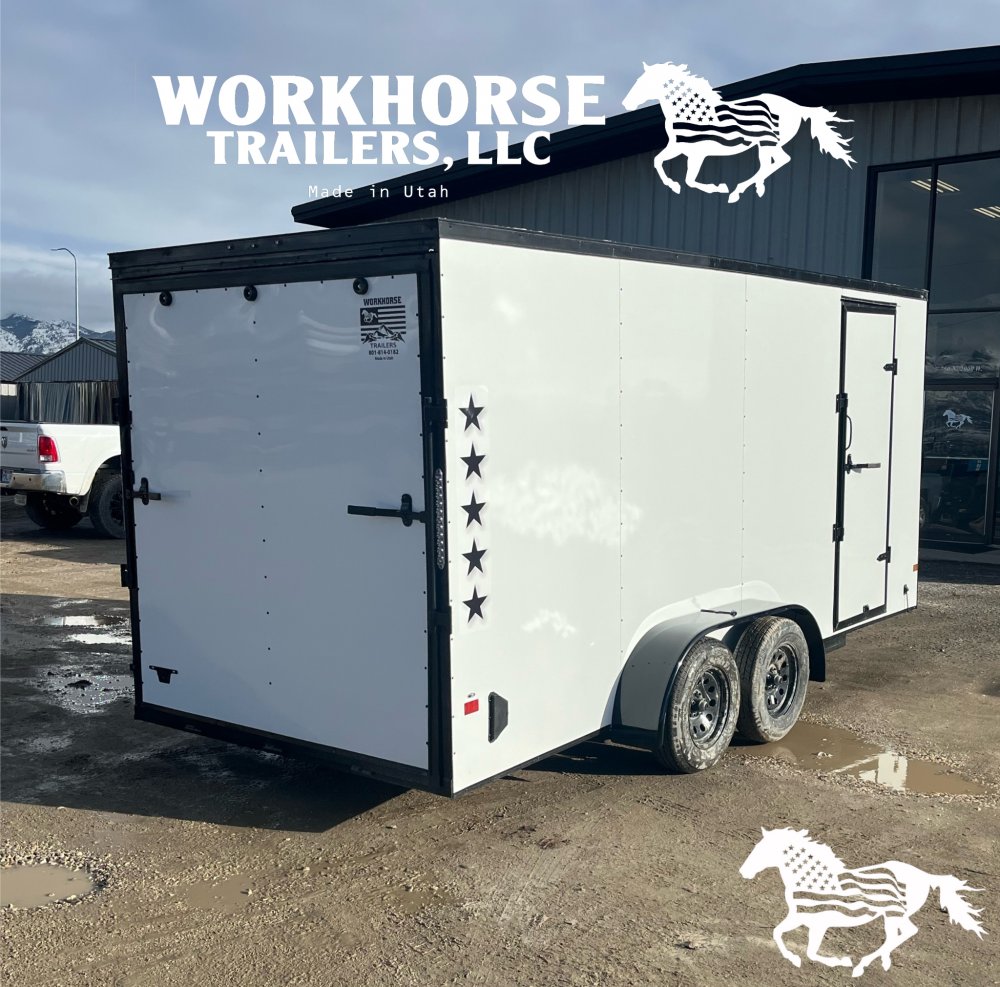
Enclosed car hauler trailers eliminate solar exposure entirely and reduce interior ambient temperatures by 15 to 25 degrees compared to an open trailer in direct sun. For vehicles with fresh finishes, delicate wraps, or exposed interiors, enclosed transport during Nevada’s hot months isn’t about luxury. It’s about preventing damage that costs more to repair than the enclosed trailer costs to own.
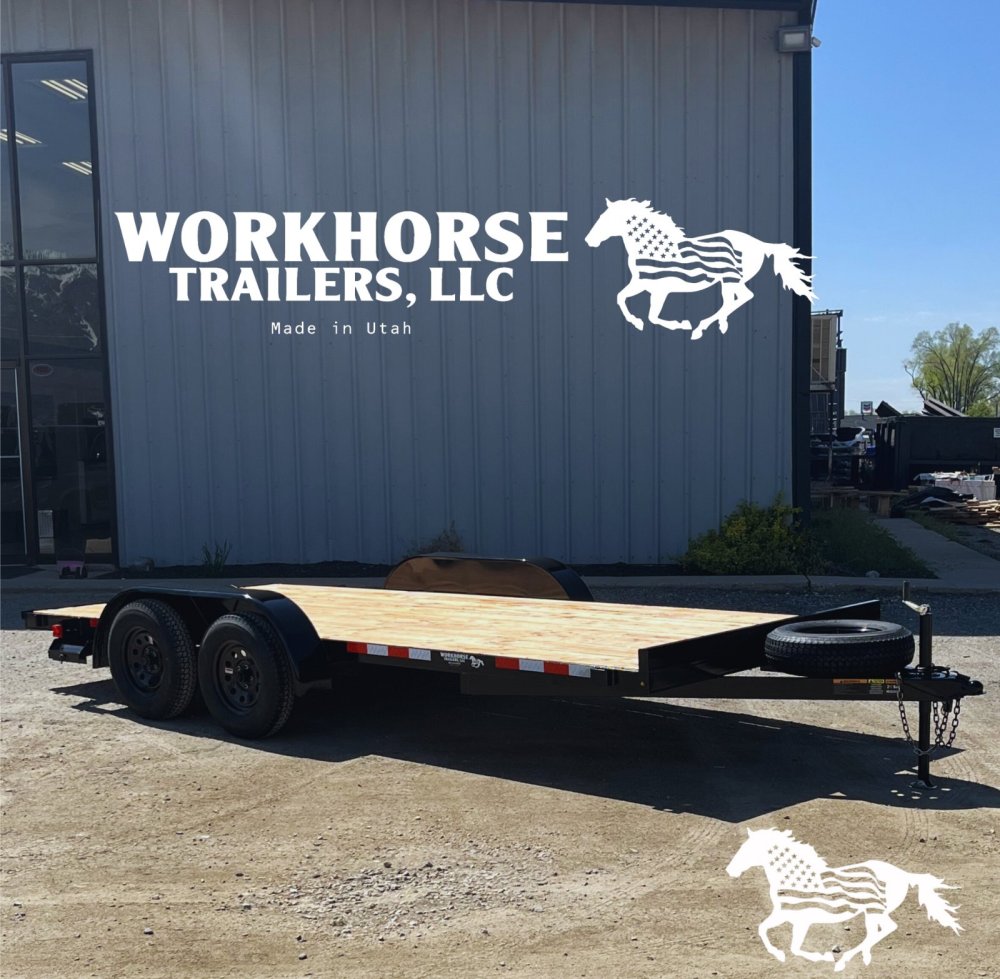
Open haulers remain the practical choice for the majority of vehicle transport in Nevada. Project cars, beater-grade auction purchases, track cars with race liveries, and daily drivers being relocated all ride open trailers without issue. The vehicle’s value and surface sensitivity should drive the open-versus-enclosed decision, not a blanket assumption that enclosed is always better.
Trailer Surface Temperatures and Loading Timing
A detail that surprises first-time Nevada car hauler owners is how hot the trailer deck itself gets during summer. A steel bed or aluminum ramp surface in direct Las Vegas sun can reach temperatures exceeding 160 degrees by midafternoon. Driving a vehicle onto a superheated deck surface puts extreme thermal stress on tires at the contact patch, which isn’t ideal for performance rubber compounds or vintage tires with aged sidewalls.
Scheduling vehicle loading during morning hours before the deck reaches peak temperature is the simplest mitigation. Many Nevada car transport operators make it a practice to complete all loading before 10 AM during June through September. When afternoon loading is unavoidable, wetting the deck surface with water immediately before driving the vehicle on reduces the contact temperature enough to prevent tire damage in most cases.
This isn’t an issue that car hauler owners in Portland or Minneapolis ever think about. In Nevada, it becomes part of the operating routine.
Ramp and Deck Considerations for Nevada Conditions
The ramp and deck geometry that works well in temperate states can create problems in Nevada for vehicles with certain characteristics.
Thermal Expansion and Ramp Fit
Steel ramp assemblies expand measurably in Nevada summer heat. A pair of ramps that pin snugly into their receivers during a cool morning may bind during afternoon retrieval after expanding by a fraction of an inch in each dimension. Buyers should confirm that the ramp retention system on any car hauler under consideration allows for thermal movement without requiring a hammer to remove the ramps after a hot day.
Traction on Heated Metal Surfaces
Both steel and aluminum ramp surfaces become slicker when hot. The thin layer of tire rubber residue and dust that accumulates on ramp surfaces reduces already limited friction at elevated temperatures. Ramps with punched diamond tread patterns or expanded metal overlays provide better grip than smooth plate surfaces in all conditions, but the difference becomes pronounced when heat enters the equation.
For vehicles with rear-wheel drive that need to back onto the trailer, traction on heated ramps can be marginal enough that the drive wheels spin before gaining purchase. Lightly scuffing the ramp surface with a wire wheel or applying non-skid tape in the tire track zones addresses this without adding significant cost or weight.
Ground Clearance on Hot Pavement
Vehicles with low ground clearance face an additional Nevada-specific consideration. Pavement in Las Vegas parking lots and staging areas develops soft spots during extreme heat. A vehicle that scrapes its air dam or exhaust components on the ramp transition point may also drag on softened asphalt when positioning for loading. Awareness of pavement condition at the loading site prevents underside damage that the trailer geometry alone wouldn’t cause.
Nevada Registration and Compliance
Car hauler trailers operated in Nevada must be registered through the Nevada Department of Motor Vehicles. The registration process requires a title, proof of insurance if applicable, and payment of applicable fees including county-variable sales tax on new purchases.
Nevada’s sales tax applies to trailer purchases and ranges from 6.85 percent to 8.375 percent depending on the county. Clark County, encompassing Las Vegas and Henderson, carries the highest rate. Washoe County, covering Reno and Sparks, falls slightly lower. Buyers purchasing from out-of-state dealers or through private party transactions are subject to use tax at the same rate upon registration.
Weight and Equipment Requirements
Car hauler trailers exceeding 3,000 pounds GVWR must be equipped with brakes on all wheels and a breakaway braking system. Functioning tail lights, brake lights, turn signals, and reflective conspicuity tape are required on all trailers regardless of weight.
A vehicle loaded on the trailer that blocks the trailer’s rear lighting requires supplemental lighting visible from behind. Nevada Highway Patrol enforces this requirement, and violations discovered during traffic stops result in citations. Magnetic or temporarily mounted LED light bars placed on the rear of the loaded vehicle satisfy the requirement inexpensively.
Insurance Considerations
Nevada does not require separate liability insurance for utility and car hauler trailers in most configurations, as the tow vehicle’s policy typically extends liability coverage to the attached trailer. Comprehensive and collision coverage for the trailer itself, and importantly for the vehicle being transported, may require separate endorsements or policies. Buyers who transport high-value vehicles should verify with their insurance provider that both the trailer and the cargo are covered during transit, including coverage for damage caused by road debris, tie-down failure, and loading incidents.
Securing Vehicles in Nevada Wind Conditions
Nevada’s desert wind patterns produce gusts that affect both towing stability and cargo security. Spring winds in the Washoe Valley between Reno and Carson City routinely exceed 60 miles per hour. The I-15 corridor through the Mojave stretch south of Las Vegas experiences sustained crosswinds that push exposed loads laterally. And microbursts associated with summer monsoon storms in southern Nevada can generate sudden wind events without warning.
A vehicle strapped to an open car hauler catches wind across its full profile. If the tie-down system allows even slight movement, sustained wind pressure can work straps loose over a multi-hour highway drive. Four-point tire strap systems tensioned properly resist this, but the key word is properly. Straps that feel tight at departure lose tension as the vehicle’s suspension settles during transit. Checking strap tension at the first fuel stop, typically 150 to 200 miles into a Nevada highway run, catches the initial settlement before it becomes dangerous slack.
Enclosed car hauler trailers create their own wind dynamic. The tall, flat-sided profile of an enclosed hauler acts as a sail in crosswind conditions. Tow vehicle stability becomes the primary concern, and Nevada’s open highway corridors provide minimal natural wind protection. Drivers towing enclosed haulers through known wind zones should monitor weather advisories and reduce speed proactively rather than reacting after the trailer starts pushing.
Interstate Hauling Routes Through Nevada
Nevada’s position in the western states makes it a crossroads for vehicle transport between California, Utah, Arizona, Oregon, and Idaho. Many car hauler owners based in Nevada spend as much time on out-of-state highways as they do within Nevada borders.
The I-15 corridor connecting Las Vegas to Southern California carries enormous vehicle transport volume. Car haulers running this route face the Cajon Pass grades entering the San Bernardino area, sustained climbs through the Mojave, and heavy traffic merging near Barstow and Primm. Trailer braking capacity and tow vehicle cooling systems get tested on every southbound trip during warm months.
The I-80 corridor across northern Nevada from Reno toward Salt Lake City traverses high desert with significant elevation changes around the Humboldt Sink and along the Pequop Summit. Winter towing on this route requires chain-capable trailers and tow vehicles, as chain controls are enforced on the approaches to the Truckee corridor and along various passes during storms.
US-93 running south from the I-80 junction through Ely and on toward Las Vegas offers a more direct north-south route but passes through extremely remote territory with limited services. Car hauler operators on this route should carry emergency supplies, extra water, and a means of communication beyond cell phone coverage, which drops out across substantial stretches of the central Nevada desert.
Workhorse Trailers LLC and the Nevada Car Hauler Market
Nevada’s vehicle transport needs span a wider range than most states, from a retiree towing a classic Corvette to a seasonal home to an auction company shuttling inventory between sales events across the Southwest. Workhorse Trailers LLC serves Nevada buyers across that full range by matching the trailer’s configuration, capacity, and protection level to the vehicles being moved and the conditions they’ll encounter in transit.
Nevada buyers evaluating car hauler options from single-car open platforms to multi-vehicle enclosed configurations can visitNevada Car Hauler Trailers to compare available models and get specific recommendations from the Workhorse team based on their transport requirements.
The Nevada car hauler market rewards buyers who choose equipment rated for the state’s heat, distances, and wind. Workhorse Trailers LLC ensures the trailer you select meets those demands without leaving protection or performance on the table.