
Elko Tilt Deck Trailers
All locationsWorking alone at a remote site in Elko County changes how you think about every piece of equipment. A contractor repairing a stock water pipeline on a grazing allotment near the Adobe Range doesn’t have a ground crew to help deploy ramps. A rancher repositioning a compact track loader between hay fields in the Starr Valley can’t call over a neighbor to guide the machine onto the trailer. A geologist hauling a core sampling rig to a mineral exploration site off the North Fork road handles every step of the loading process without assistance. When the operator is the only person at the trailer, the loading system either works efficiently for one person or it becomes the bottleneck that turns a 30-minute equipment move into an hour of physical labor and frustration. Tilt deck trailers eliminate that bottleneck by replacing separate ramp handling with a deck that tilts to the ground and returns to flat through a single mechanism controlled from a single point. Workhorse Trailers LLC supplies tilt deck trailers to Elko buyers who work remote sites alone or in small crews and need a loading system that respects the reality of self-sufficient operation in country where help isn’t nearby.
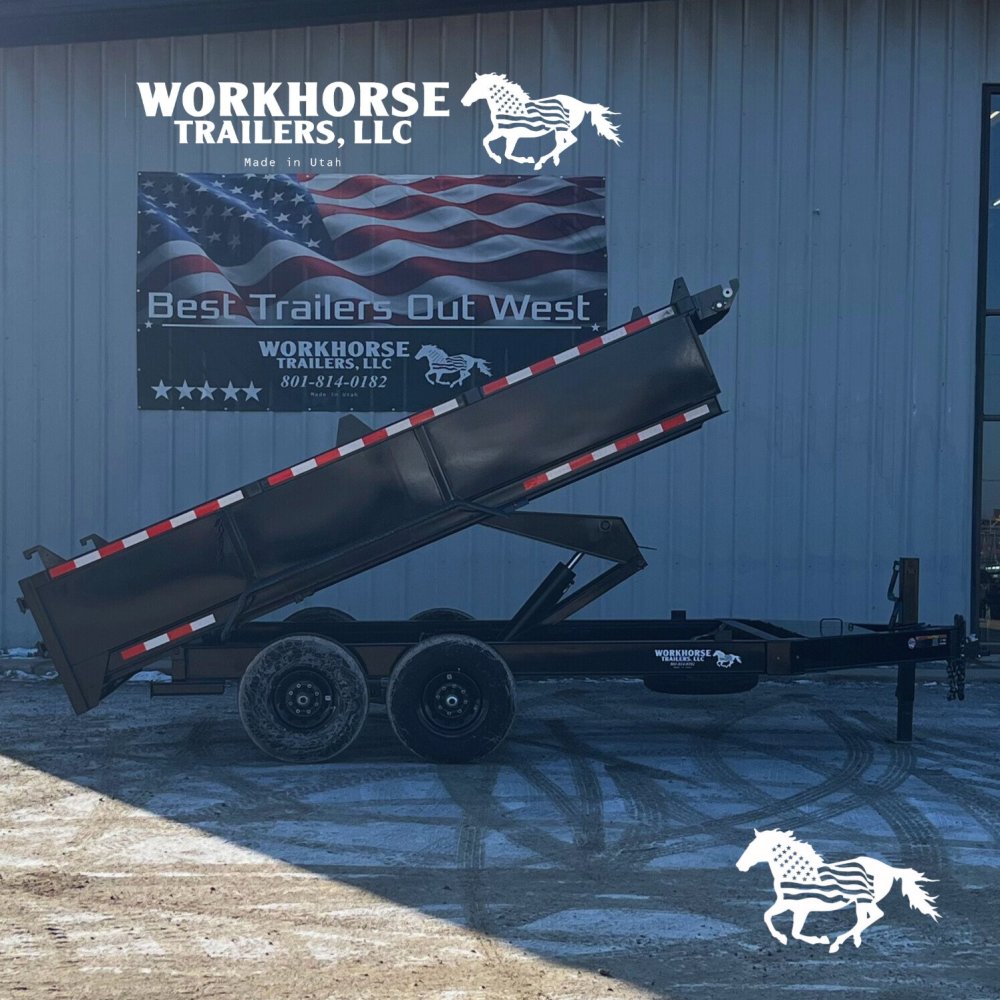
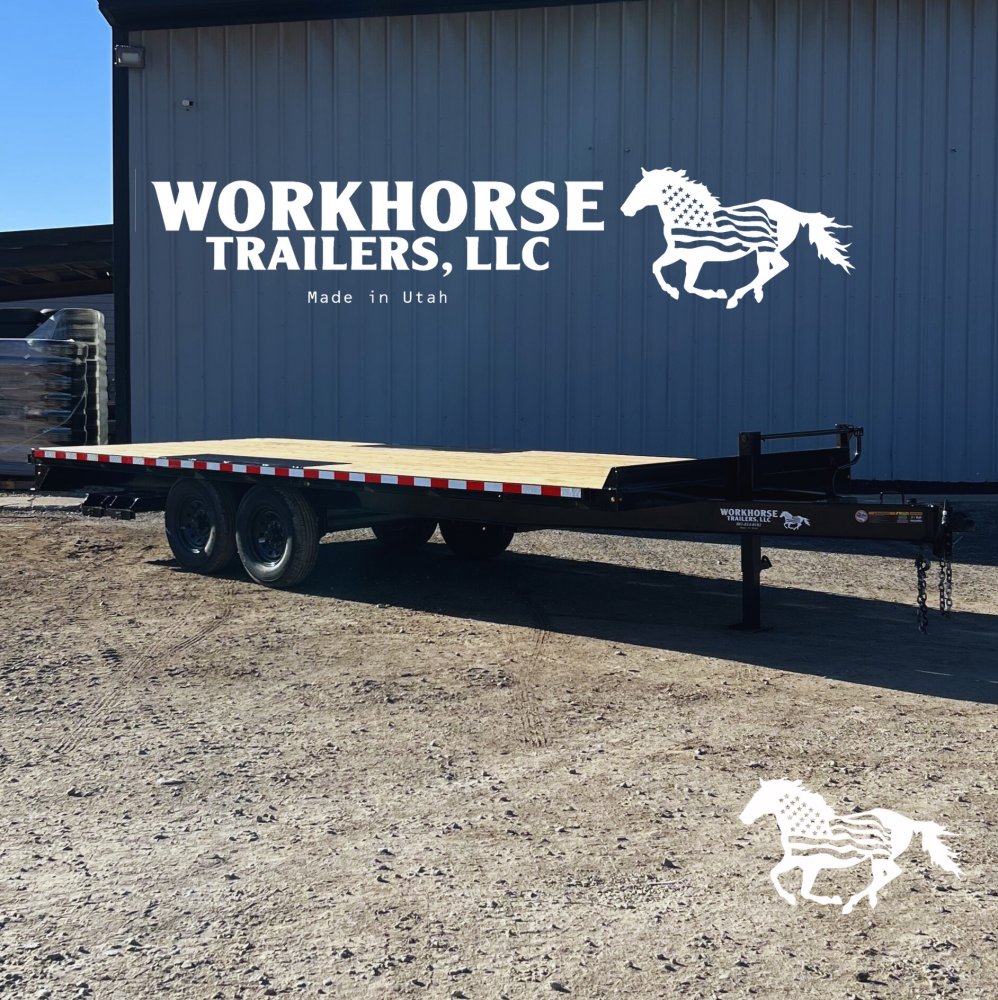
The tilt deck pivots on a hinge assembly near the trailer’s balance center. Releasing the latch allows the deck to rotate rearward until the trailing edge contacts the ground, forming a single continuous ramp from dirt to deck. The machine drives up under its own power. The deck returns to flat. The load gets secured. No one touched a ramp, aligned a ramp bracket, or lifted anything heavier than a chain binder. For Elko operators who load and unload equipment repeatedly across workdays spent in isolated settings, that simplicity isn’t a luxury feature. It’s a fundamental requirement for keeping the day on schedule.
The Solo Operator Reality in Elko County
The labor economics of northeastern Nevada push many operations toward single-operator efficiency. Hiring a second person for a crew that only needs two hands during the 15 minutes of loading and unloading doesn’t pencil out when the nearest available labor lives in town and the work site sits an hour into the backcountry. Elko’s tilt deck buyers are often solving a staffing problem as much as a loading problem.
Ranching Operations
Most Elko County ranch work happens with minimal crew size. A rancher moving a skid steer from the calving barn to a fence line eight miles up a ranch road does the job alone because everyone else on the operation is occupied with their own tasks across a property that may span 20,000 acres. Conventional ramp trailers require the operator to exit the machine, walk to the trailer rear, position and pin both ramps, walk back to the machine, drive it onto the trailer, exit again, remove and stow both ramps, then secure the load. On a tilt deck, the operator walks to the latch, releases it, walks to the machine, drives on, returns the deck, and chains down. The loading sequence drops from roughly a dozen discrete steps to half that number, and the physically demanding steps involving ramp manipulation disappear entirely.
Over a ranching season where equipment moves happen several times per week between pastures, hay yards, corrals, and repair sites, the accumulated labor savings affect both the operator’s productivity and their physical condition. Carrying 75-pound steel ramps in boots on uneven ground takes a cumulative toll on joints and backs that a tilt deck makes entirely unnecessary.
Mining Contract Services
Independent contractors servicing mine sites around Elko frequently operate as single-truck, single-operator businesses. A welding contractor hauls a skid-mounted welder and support equipment to a mine maintenance shop, performs the work, reloads, and drives to the next call. A pump service operator transports portable dewatering pumps between drill sites and settling ponds. These operators load and unload their equipment at every job site without assistance, and the speed of each loading cycle directly determines how many billable calls they can complete in a day.
A tilt deck trailer that saves seven minutes per loading cycle across four daily site visits recovers nearly 30 minutes of productive time. Across a 250-day working year, that’s over 100 hours returned to revenue-generating work. For a solo contractor billing by the hour or the job, that recovered time has a dollar value that dwarfs the price difference between a tilt deck and a conventional ramp trailer.
Exploration and Survey Work
Geological survey crews, environmental consultants, and mineral exploration teams working across Elko County’s public lands transport specialized equipment including drill rigs, sampling platforms, and geophysical instruments on trailers that access sites via primitive roads. These operations deploy to a new location every few days, loading and unloading at sites where the ground may be the only flat surface available. The tilt deck’s ability to create a loading ramp without carrying separate components suits the weight-conscious, space-limited logistics of exploration work where every pound and every cubic foot of trailer space matters.
Tilt Mechanism Behavior in Elko’s Cold Climate
The three prior tilt deck pages in this series addressed heat-related mechanism challenges. Elko’s climate presents the opposite problem. Sustained cold weather operation during the months when cattle work, winter mine maintenance, and snow-season property management continue uninterrupted creates tilt mechanism challenges that warm-climate operators never encounter.
Frozen Latch Assemblies
The deck latch mechanism includes moving parts with clearances measured in fractions of an inch. Moisture from snow, freezing rain, or condensation that enters these clearances freezes and locks the latch in position. An operator who needs to tilt the deck on a 10-below-zero morning at a ranch calving facility discovers the frozen latch when the handle refuses to move. Forcing a frozen latch with a hammer or pry bar risks breaking the handle, bending the latch arm, or damaging the catch plate.
Prevention involves applying a dry film lubricant or silicone spray to the latch mechanism’s moving surfaces before cold weather arrives. Dry lubricants don’t attract moisture the way grease does, and they maintain their slippery properties at temperatures where grease stiffens into a moisture-trapping paste. Reapplying the dry lubricant monthly during winter keeps the mechanism operable through Elko’s coldest periods.
When a latch freezes despite preventive treatment, applying a portable heat source briefly to the mechanism thaws the ice without risking component damage. A small propane torch or even hot water from a thermos directed at the latch assembly resolves the situation in under a minute.
Spring and Gravity Behavior in Cold Temperatures
Spring-assisted tilt mechanisms rely on coil or torsion springs that store energy during the tilting motion and release it to help return the deck. Steel springs lose a measurable percentage of their stored energy at extreme cold temperatures because the metal’s elastic modulus shifts slightly and internal friction increases. A spring that returns a loaded deck briskly at 60 degrees may return it slowly or incompletely at minus 15 degrees.
Gravity tilt systems aren’t directly affected by temperature because they rely on the weight of the load rather than spring energy. However, the pivot bearings in any tilt mechanism experience increased friction in extreme cold as the grease inside them stiffens. This friction resists both the tilting and return motions, requiring either more force to initiate the tilt or more load weight to overcome the resistance during the gravity return stroke.
Operators who experience sluggish tilt action during cold weather should inspect the pivot bearings at the next scheduled maintenance interval. Bearings packed with standard lithium grease may benefit from conversion to a synthetic wide-temperature grease that maintains its viscosity characteristics across the full range of Elko’s seasonal temperatures.
Deck Surface Traction in Winter Conditions
Snow and ice on the tilt deck surface create loading hazards identical to those on any trailer deck, but the tilt angle amplifies the risk. A machine attempting to climb a tilted deck coated with ice faces a combination of low traction and gravity working against its forward progress. Tracked machines handle icy inclines better than wheeled machines because the track’s longer contact patch distributes force across more surface area. But even tracked machines can lose traction on a glaze-coated steel deck tilted at the angles typical of full tilt trailers.
Clearing snow and scattering coarse material on the deck before tilting is mandatory during Elko winters. Sand, fine gravel, or non-corrosive ice melt applied to the deck surface restores enough traction for safe loading in most conditions. Keeping a bucket of traction material in the truck bed ensures availability at remote sites where no supply exists on the ground.
Pivot Wear From Unpaved Road Vibration
The tilt mechanism’s pivot assembly endures forces during road travel that the tilting function itself doesn’t generate. Every washboard ripple, pothole impact, and cattle guard crossing transmits energy through the trailer frame and into the pivot point where the tilting deck connects to the fixed frame section. This vibration loading cycles the pivot pins, bushings, and mounting hardware millions of times across a season of Elko-area operation on unpaved roads.
Pin and Bushing Wear Indicators
Wear at the pivot pin and bushing interface manifests as increased play in the tilt mechanism. A deck that originally tilted with minimal lateral movement at the pivot develops a noticeable side-to-side wobble as the bushing bore enlarges and the pin surface wears. This play allows the deck to shift laterally during transport, creating noise and accelerating further wear in a progressive cycle.
Checking for pivot play should be part of quarterly maintenance for tilt deck trailers operating regularly on Elko’s unpaved roads. Grasping the rear edge of the deck and pushing laterally reveals play that the normal tilting motion may mask. Measurable play indicates bushing replacement is needed. Replacing bushings when play first appears costs far less than replacing both bushings and pins after the worn bushing has been allowed to damage the pin surface.
Mounting Hardware Inspection
The pivot assembly mounts to the trailer frame through bolted or welded connections that absorb the same vibration loading as the pivot itself. Bolted mounting plates require periodic torque checks, as vibration loosens fasteners progressively. Welded mounting points should be inspected visually for crack initiation at the weld toes, particularly during the first two years of service when manufacturing defects are most likely to reveal themselves under operational loading.
Matching Tilt Deck Capacity to Elko Equipment Profiles
Elko’s equipment mix clusters around specific weight ranges that help buyers select the right tilt deck capacity without overbuying or underspecifying.
Compact track loaders and mini excavators common on ranch and small construction sites in the Elko area weigh between 3,500 and 12,000 pounds depending on model and attachments. A tilt deck rated at 14,000 pounds GVWR accommodates these machines with payload margin that keeps the trailer operating below its structural limits on every trip.
Larger skid steers, mid-size excavators, and support equipment used in mining service operations push into the 10,000 to 16,000-pound range. These machines require tilt decks rated at 18,000 to 20,000 pounds GVWR or higher to maintain adequate payload margin after accounting for the trailer’s own weight.
Buyers should calculate payload capacity by subtracting the trailer’s empty weight from its GVWR, then confirm that the heaviest machine they’ll regularly haul falls below that figure by at least 10 percent. That margin accommodates fuel, attachments, and tools loaded alongside the machine, which collectively add weight that operators frequently underestimate.
Elko County Registration and Compliance
Tilt deck trailers registered in Elko County follow the Nevada DMV process at the local office. The county’s 6.85 percent sales tax rate applies. The tilt mechanism’s locking system carries regulatory significance because an unsecured deck constitutes an unsecured load condition regardless of whether cargo is present. Both primary and secondary latch engagement should be verified before every trip.
Braking requirements follow the statewide standard for trailers above 3,000 pounds GVWR. Brake controller gain should be adjusted between loaded and empty towing to match the dramatically different braking dynamics a tilt deck presents at full payload versus empty return trips.
Workhorse Trailers LLC and Elko Tilt Deck Buyers
Workhorse Trailers LLC helps Elko tilt deck buyers select trailers built for the combination of solo operation, cold weather performance, unpaved road durability, and equipment weight capacity that northeastern Nevada demands. The company’s recommendations start with the buyer’s equipment roster and daily operating reality, then identify the tilt mechanism type, capacity rating, and construction quality tier that matches.
Elko area buyers evaluating tilt deck trailers for ranch equipment transport, mining service operations, or backcountry work can visitElko Tilt Deck Trailers to compare available models and connect with the Workhorse team for guidance specific to Elko County’s demanding conditions.
A tilt deck trailer that works reliably in Elko’s cold, across Elko’s roads, and for Elko’s solo operators earns its place as the most efficient loading platform available. Workhorse Trailers LLC makes sure the one you choose is built for exactly that environment.